
Natural, Reviva Labs, Skin Care
The Pre Summer Routine Shift That Actually Makes a Difference

May
By late spring, skin starts receiving a different set of daily instructions. The air feels warmer. The sun sits higher. People spend more time outside without noticing how much exposure adds up through errands, driving, walking the dog, sitting near windows, or taking lunch outside. Your skin does not distinguish between a beach day and a regular Tuesday when UV, heat, pollution, sweat, and dehydration all arrive at once. It responds to the total load. That is why the most effective pre-summer routine shift is not adding ten new products. It is building a smarter antioxidant layer before summer has the chance to show up on your face.
Pre-Summer Recommended Products
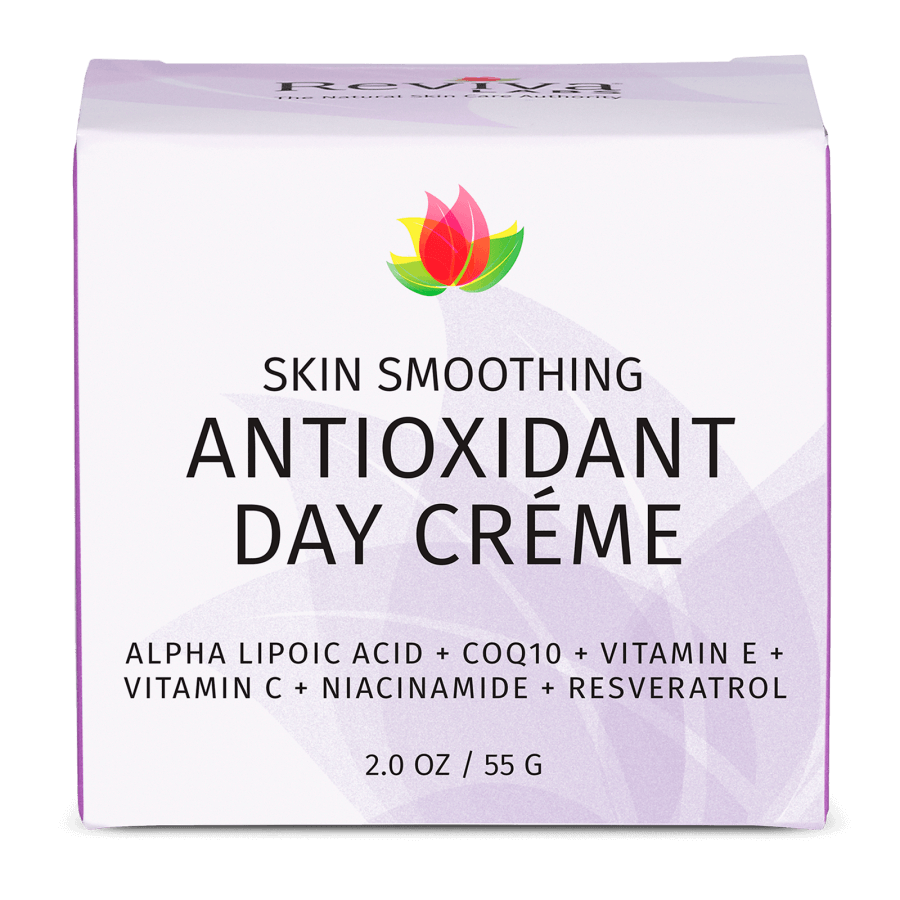
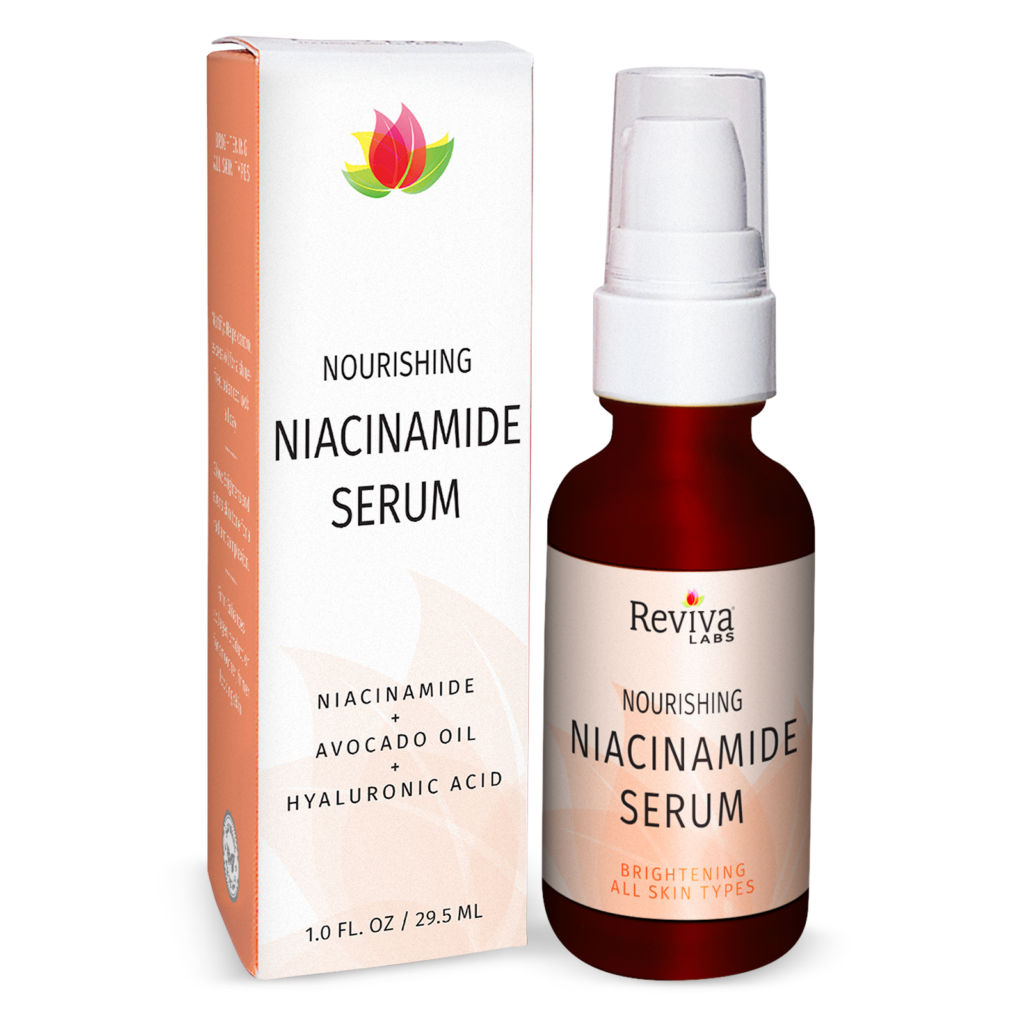
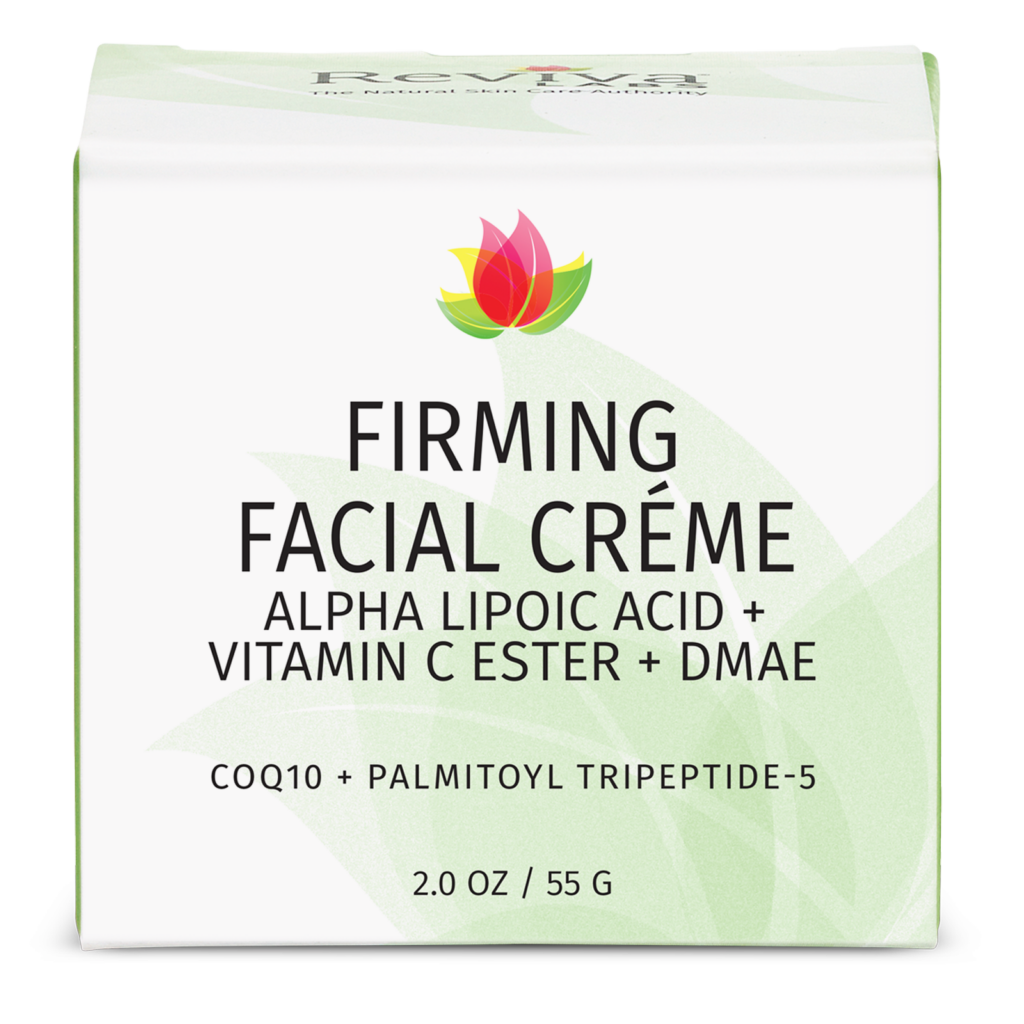
Sunscreen still matters most. Nothing replaces it. But sunscreen works best when it sits inside a routine built to support skin before and after exposure. Antioxidants help fill in the gap between “protected” and “supported.” They help defend against visible stress from UV exposure, pollution, and daily environmental strain. They also help skin look brighter, smoother, calmer, and more resilient over time. For pre-summer, the goal is simple: give skin more support before it faces more stress.
This is not a seasonal panic move. It is a timing move. Most people wait until summer damage appears, then try to correct uneven tone, dullness, dryness, redness, and texture changes after the fact. A better approach starts earlier. You shift from a repair-heavy winter routine into a prevention-minded routine built around antioxidants, steady moisture, smart exfoliation, and daily sunscreen. This small change makes skin look better now while reducing the look of summer wear later.

Why pre summer skin needs a different strategy
Winter routines often focus on comfort. Richer creams, barrier support, less exfoliation, and more cushioning make sense when cold air and indoor heat leave skin dry and reactive. Spring changes the equation. Skin still needs moisture, but it also needs help managing increased environmental stress. The routine has to stay comfortable, but it should become more defensive. This is where many people get stuck. They keep layering heavy winter products into humid weather, then wonder why skin looks congested, shiny, or uneven.
Pre-summer skin care works best when you lighten the texture without weakening the support. That means fewer heavy layers during the day, more antioxidant-rich formulas, and sunscreen every morning. It also means paying attention to the areas most people forget neck, chest, tops of hands, and the outer edges of the face. These areas collect exposure constantly. They also tend to show uneven tone, crepey texture, and slackness faster because people treat them as an afterthought.
The most useful shift starts in the morning. Cleanse gently, apply antioxidant support, moisturize according to skin type, then finish with broad-spectrum sunscreen. At night, keep the routine calm and restorative. Cleanse away sunscreen, sweat, and environmental residue. Use hydration and barrier-supporting ingredients. Exfoliate only as often as your skin tolerates. The routine should feel sustainable. Pre-summer skincare should help skin settle into consistency, not push it into irritation.
Antioxidants matter here because summer stress creates a visible chain reaction. UV exposure and pollution contribute to free radicals, which can leave skin looking dull, uneven, rough, and tired. Heat and sweat can amplify discomfort, especially when skin already feels reactive. A good antioxidant routine helps skin look more even and supported under these conditions. It will not replace SPF, shade, hats, or common sense. But it can make the whole routine work harder.

The antioxidant layer is the real shift
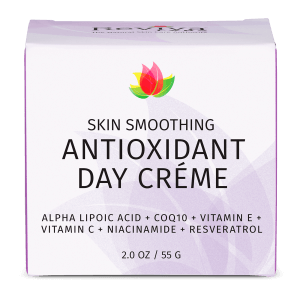
Antioxidants are often treated like a category, but each one brings a different kind of support. Vitamin C is popular for a reason. It helps brighten the look of uneven tone, supports a smoother appearance, and pairs naturally with sunscreen in a daytime routine. Stable vitamin C derivatives can offer a more comfortable option for people who find pure ascorbic acid too sharp or irritating. Pre-summer is a smart time to use vitamin C because dullness and uneven tone often become more noticeable once sun exposure increases.
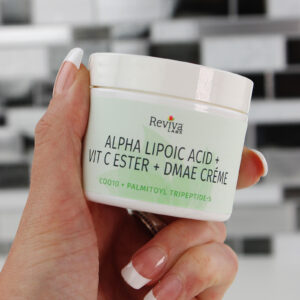
Alpha lipoic acid deserves more attention. It is valued because it works in both water and oil environments, which gives it a broad antioxidant profile. In skin care, it is often used to help improve the look of roughness, dullness, and visible aging. It fits the pre-summer conversation because it supports a smoother, more refined appearance without turning the routine into a harsh resurfacing plan. When skin faces more sun and heat, aggressive routines can backfire. ALA helps keep the focus on support.
Niacinamide is another strong pre-summer ingredient because it does several practical things at once. It helps skin look brighter and more even. It supports the skin barrier. It can help reduce the look of excess oil, which matters when warmer weather makes shine more visible. It also plays well with many other ingredients, which makes it easy to fit into an existing routine. For people who want a calmer path toward a more even-looking complexion, niacinamide belongs near the top of the list.
Then there are the supporting antioxidants: CoQ10, vitamin E, green tea, resveratrol, and rosemary extract. These ingredients do not need to fight for the spotlight. Their value comes from teamwork. Vitamin E helps nourish and condition skin while adding antioxidant support. CoQ10 supports a healthier-looking appearance as skin ages. Green tea brings polyphenols with a calming, antioxidant profile. Resveratrol helps support brightness and comfort. Together, these ingredients help create a more rounded approach than relying on one single “hero.”
Why summer damage shows up as tone texture and firmness changes
People often think of summer skin damage as sunburn. Sunburn is obvious, so it gets attention. But much of what people dislike after summer looks quieter. The skin looks less even. Brown spots look darker. Fine lines look more pronounced because dehydration makes them easier to see. Pores look more visible. The neck and chest look less smooth. Skin can look tired even after vacation, which feels unfair but makes sense once you consider the load placed on it.
UV exposure plays a major role in visible aging. Research has estimated UV exposure can account for up to 80 percent of visible facial aging signs, including wrinkling and pigmentation changes. That statistic should change how people think about seasonal skin care. It means summer prep is not cosmetic fussing. It is maintenance. The work starts before the highest exposure period, not after. Once discoloration and texture changes appear, they take longer to visibly improve than they took to form.
Antioxidants help because they support skin in the same visible categories people care about most. Vitamin C and niacinamide help with the look of uneven tone. ALA and CoQ10 support a smoother, more energized-looking complexion. Vitamin E and nourishing oils help soften the feel of skin. Green tea and resveratrol help calm the look of stress. DMAE fits a different but related role, helping support a firmer, more toned appearance in formulas designed for visible skin firmness.
This is why the pre-summer shift should not focus only on sunscreen. Sunscreen helps reduce new UV damage. Antioxidants help support skin’s appearance against the visible effects of environmental stress. Moisturizers help preserve comfort and softness. Gentle exfoliation helps keep dull surface buildup from muting radiance. The routine works because each step has a specific role. When those roles work together, the skin looks more prepared.

How to adjust the morning routine before summer hits
The best morning routine is the one a person will do every day. Pre-summer is not the time to create a high-maintenance process with too many chances to quit. Start with a gentle cleanse or a simple rinse, depending on skin type. Follow with antioxidant support. Then use a moisturizer suited to the weather and finish with sunscreen. If skin tends to feel oily in humidity, choose lighter textures during the day and save richer creams for night.
Apply antioxidant formulas to the face, neck, and chest. This one habit changes a lot. Most people treat their face carefully and stop at the jawline, but the neck and chest collect sun exposure year after year. They also show creasing and uneven tone quickly. Bringing antioxidants down below the chin makes the routine more complete without adding a new step. Use the same mindset for the backs of hands if they show discoloration or dryness.
Sunscreen should come last in the morning routine. Give moisturizer a moment to settle, then apply sunscreen generously. Reapply during longer outdoor exposure, sweating, swimming, or extended daylight activities. Antioxidants do not give permission to use less sunscreen. They make the routine more supportive, not more casual. Think of antioxidants as the daily prep layer and sunscreen as the exposure shield.
This shift also helps makeup sit better in summer. Skin with steady hydration and antioxidant support often looks smoother under complexion products. Less dryness means fewer flaky patches. Better oil balance means less midday separation. Brighter-looking skin means less reliance on heavy coverage. A pre-summer routine has a practical beauty payoff, especially for people who want lighter makeup when the weather turns hot.
How to adjust the evening routine without irritating skin
Evening skin care should clean up the day and help skin recover from it. That starts with cleansing. Sunscreen, sweat, makeup, pollution, and oil need to come off before bed. A gentle cleanser works for most people. If you wear heavy sunscreen or makeup, a two-step cleanse can help, but the second cleanse should still feel mild. Skin should feel clean, not tight.
Nighttime is also where many people overdo it. They add strong exfoliants, retinoids, masks, and brightening actives all at once because summer is coming. That approach can leave skin irritated before summer even starts. Irritated skin does not look brighter or healthier. It looks flushed, textured, dry, and less tolerant of sunscreen. A better approach uses calm consistency. Choose one main corrective direction at a time, then give skin enough moisture to stay comfortable.
Gentle exfoliation can help if skin looks dull, but more is not better. Once or twice weekly is enough for many people. Some can handle more. Others need less. The skin gives clear feedback. Stinging, tightness, persistent redness, or new rough patches suggest the routine has become too aggressive. Back off, restore moisture, and keep the antioxidant support steady. Pre-summer care should strengthen the routine, not turn it into a stress test.
Night creams and replenishing serums can support a smoother appearance while skin rests. This is a good time for nourishing oils, humectants, and calming ingredients. If DMAE, peptides, vitamin E, or CoQ10 fit your routine, evening use can make sense, especially when the formula has a richer feel. The main point is balance. Daytime should focus on defense. Nighttime should focus on cleansing, comfort, and visible recovery.
The role of DMAE in a pre-summer routine
DMAE belongs in this conversation because summer skin concerns are not limited to brightness. Warm weather brings more exposed skin, lighter makeup, and more attention to the face, neck, and chest. Firmness becomes part of the visual story. DMAE is used in skin care to help skin appear firmer and more toned. It pairs well with antioxidants because firmness concerns often appear alongside fine lines, uneven tone, and dullness.
Pre-summer is a practical time to bring firming support to the neck and facial contours. This does not mean chasing an overnight lift. It means using a consistent routine before tank tops, open necklines, outdoor events, and vacation photos bring more focus to areas often ignored through winter. The neck especially benefits from routine consistency. Apply upward from chest to jaw, use enough product to avoid dragging, and treat the area as part of the face.
DMAE also works well conceptually with vitamin C and ALA. Vitamin C supports brightness and a smoother-looking tone. ALA supports antioxidant defense and a refined appearance. DMAE supports a firmer look. Together, they address the way many people actually see skin aging in the mirror: not as one isolated concern, but as a mix of tone, texture, and firmness. This makes the trio especially relevant in a seasonal routine shift.
The key is to avoid making firmness claims do too much. No topical product replaces procedures, and no seasonal routine changes the structure of skin overnight. But daily cosmetic support can help skin look more polished, toned, and cared for. That is a meaningful difference. Most people are not looking for transformation. They want their skin to look better, stay comfortable, and hold up through the season.
How niacinamide supports summer skin balance
Niacinamide is one of the most useful warm-weather ingredients because it fits so many skin types. Dry skin can benefit from barrier support. Oily skin can appreciate a more balanced look. Uneven skin can look brighter over time. Mature skin can benefit from a smoother, more resilient appearance. Sensitive skin often tolerates niacinamide well, especially when the formula avoids overcomplication.
In pre-summer routines, niacinamide helps with the issues people notice when humidity rises. Shine becomes more obvious. Pores look larger when oil and heat increase. Makeup can wear unevenly. Skin can look blotchy after outdoor exposure. Niacinamide helps make the routine feel more controlled. It does not strip skin. It supports a healthier-looking balance, which is exactly what many people need before summer.
Niacinamide also pairs well with vitamin C in many modern formulas and routines. The old advice to avoid combining them has largely faded because it came from outdated formulation concerns. For most users, they can coexist without issue. The bigger question is skin tolerance. If the routine feels comfortable, consistent use matters more than old ingredient myths.
This makes niacinamide a strong anchor for people who want one easy antioxidant step. It can sit under moisturizer and sunscreen in the morning or fit into an evening routine. It works without demanding a major routine rewrite. That matters. The best pre-summer shift should feel simple enough to keep through June, July, and August.

A realistic pre summer routine rhythm
A good pre-summer routine has a rhythm. Morning is for antioxidant support, moisture, and sunscreen. Evening is for cleansing, hydration, and repair-minded care. Weekly care is for gentle exfoliation and masks only when they serve the skin. This rhythm gives skin what it needs without crowding the routine.
For dry skin, the shift might mean keeping a nourishing moisturizer but using antioxidant support underneath and sunscreen on top. For oily or combination skin, it might mean moving to a lighter daytime moisturizer while keeping niacinamide in the routine. For mature skin, it might mean treating the neck and chest every day with the same care as the face. For sensitive skin, it might mean choosing antioxidant support without harsh acids or fragrance-heavy formulas. Different skin types need different textures, but the strategy stays the same.
The routine should also match real life. Outdoor lunch, gardening, golf, beach walks, driving, and weekend travel all increase exposure. Keep sunscreen where it is easy to use. Put it near your morning products, in your bag, or near the door. Use antioxidants daily, not only when you remember. Skin responds to repetition. Sporadic effort rarely creates visible change.
The most overlooked part of summer prep is patience. Antioxidants need consistent use. Brightness, smoothness, and tone improvements build gradually. If you start after discoloration appears, you are playing catch-up. If you start before summer peaks, skin has support in place as exposure rises. That is the difference between reacting and preparing.
Why this shift works better than a summer overhaul
A routine overhaul sounds productive, but it often creates problems. New cleanser, new exfoliant, new serum, new moisturizer, new sunscreen, all introduced at once, can make skin unpredictable. If irritation appears, you will not know which product caused it. If breakouts happen, you will not know what to remove. A shift works better because it changes the routine with purpose. Add antioxidant support, adjust texture for warmer weather, commit to sunscreen, and keep the rest steady.
This approach also keeps skin calmer. Calm skin looks better. It reflects light more evenly. It tolerates sunscreen more easily. It handles humidity with less drama. It recovers from outdoor exposure more smoothly. The goal is not to force skin into perfection before summer. The goal is to reduce the avoidable friction that makes summer skin look tired.
A pre-summer antioxidant shift also helps people think more clearly about products. Instead of chasing every new active, focus on the roles needed now. Vitamin C for visible brightness and environmental support. Niacinamide for tone, barrier, and balance. ALA for antioxidant support and texture refinement. Vitamin E, CoQ10, green tea, resveratrol, and rosemary for broader visible defense. DMAE for a firmer, more toned appearance. Those roles make the routine easier to build.
Reviva Labs has long organized skincare around function: prepare, prevent, correct, and enhance. The pre-summer routine shift sits mainly in the prevent category, but it touches all four. You prepare skin by cleansing gently and keeping texture smooth. You prevent visible stress with antioxidants and sunscreen. You correct early dullness and uneven tone with steady brightening support. You enhance the look of skin with hydration and firming support. That is a routine with purpose.
The small habits make the visible difference
The biggest visible improvements often come from small habits done daily. Apply antioxidants before sunscreen. Bring skincare down to the neck and chest. Use enough moisturizer to keep the barrier comfortable, but not so much that skin feels smothered in humidity. Reapply sunscreen during outdoor exposure. Cleanse thoroughly at night. Do not punish skin with too much exfoliation. These choices sound simple because they are. They work because they happen often.
Pre-summer is also the right time to audit texture. A rich winter cream might still work at night but feel heavy during the day. A cleanser that felt fine in January might feel too much if you cleanse more often after sweating. A strong exfoliant might become harder to tolerate with more sun exposure. Adjusting these details helps avoid the cycle of irritation, covering, stripping, and starting over. Skin likes consistency, but it also appreciates seasonal common sense.
Antioxidants are the center of the shift because they support skin without making the routine feel more aggressive. They fit under sunscreen. They fit into simple routines. They address the visible concerns people notice most before and during summer: dullness, uneven tone, fine lines, roughness, oil imbalance, and lack of firmness. They make sense for someone who wants better skin but does not want a complicated plan.
The right time to start is before summer feels obvious. Once the long, hot days arrive, routines get rushed and outdoor exposure rises fast. A few weeks of consistent antioxidant support can help skin enter the season looking smoother, brighter, and more resilient. That is the pre-summer shift that actually makes a difference. Not panic, not excess, and not another crowded shelf. It is a smart routine with the right ingredients doing the right jobs at the right time.
Frequently Asked Questions
Should I use antioxidants in the morning or at night?
Morning use makes the most sense for many antioxidants because skin faces UV exposure, pollution, heat, and environmental stress during the day. Apply antioxidant support after cleansing and before moisturizer and sunscreen. Evening use can also work, especially for formulas with richer textures or ingredients focused on firmness and recovery. The best plan depends on your skin and the product texture. If you use antioxidants once daily, morning gives the routine strong practical value. If your skin tolerates them well, using antioxidant support morning and night can offer steady visible benefits.
Do antioxidants replace sunscreen?
No. Antioxidants do not replace sunscreen. They support the skin’s appearance against environmental stress, but they do not provide the same UV protection as a broad-spectrum SPF. Use antioxidants as a support step and sunscreen as your exposure step. The pairing makes sense because sunscreen reduces UV exposure while antioxidants help defend against visible stress related to daily life outdoors. For summer, this combination becomes especially useful. Apply sunscreen generously every morning and reapply when outdoors for long periods, after sweating, or after swimming.
Which antioxidants matter most before summer?
Vitamin C, niacinamide, alpha lipoic acid, vitamin E, CoQ10, green tea, and resveratrol all make sense before summer. Vitamin C helps brighten the look of uneven tone and supports a smoother-looking complexion. Niacinamide helps with barrier support, oil balance, and visible tone. Alpha lipoic acid supports antioxidant defense and a refined appearance. Vitamin E, CoQ10, green tea, and resveratrol round out the routine with nourishment, calming support, and broader antioxidant activity. DMAE also matters when the goal includes a firmer, more toned appearance.
Can I use niacinamide and vitamin C together?
Most people can use niacinamide and vitamin C together, especially in modern formulas designed for daily skincare. The old idea that they cancel each other out came from outdated concerns, not how most finished cosmetic products behave today. The more important issue is skin tolerance. If your skin feels comfortable, looks calm, and does not sting or flush after use, the combination can fit well. If your skin is reactive, introduce one product first, use it for several days, then add the next one slowly.
How soon should I change my routine before summer?
Start several weeks before your sun exposure increases. That gives skin time to adjust and lets you spot any irritation before peak summer activities begin. It also helps you build the habit before travel, outdoor events, and warmer weather disrupt your schedule. You do not need a full routine overhaul. Add antioxidant support, adjust moisturizer texture if needed, apply sunscreen daily, and keep cleansing gentle. Consistency matters more than intensity. A steady routine in May often serves skin better than a rushed correction plan in July.
References and Sources
- Amaro-Ortiz A, Yan B, D’Orazio JA. Ultraviolet Radiation, Aging and the Skin: Prevention of Damage by Topical cAMP Manipulation. Molecules. 2014. Used for the statistic on UV exposure and visible skin aging. (PMC)
- Darr D, Combs S, Dunston S, Manning T, Pinnell S. Effectiveness of antioxidants vitamin C and E with and without sunscreens as topical photoprotectants. Acta Dermato-Venereologica. 1996. Used for antioxidant and sunscreen support context. (PubMed)
- Boo YC. Mechanistic Basis and Clinical Evidence for the Applications of Nicotinamide in Skin Aging and Pigmentation. Antioxidants. 2021. Used for niacinamide, skin aging, and pigmentation context. (PMC)
- Kim K et al. Effect of α-Lipoic Acid on the Development of Human Skin Equivalent Model. International Journal of Molecular Sciences. 2021. Used for alpha lipoic acid antioxidant context. (PMC)
- Jesus A et al. Antioxidants in Sunscreens: Which and What For? Antioxidants. 2023. Used for antioxidant category context in sun care. (PMC)