
Ingredients, Natural, Reviva Labs, Skin Care
Alpha Lipoic Acid (ALA), Vitamin C, and DMAE Work Better Together

May
UV exposure seems to be responsible for 80% of visible facial aging signs, which makes antioxidant care less of a luxury and more of a smart daily habit. Sunscreen still comes first. It blocks, absorbs, or reflects UV exposure, depending on the filter system. But skin also faces oxidative stress from visible light, pollution, heat, smoke, stress, and the daily chemistry of being alive. This is where antioxidants earn attention, especially when the formula brings more than one antioxidant to the routine.
The skin does not face one type of stress in one neat layer. It deals with stress at the surface, inside the moisture barrier, around lipids, and within the visible support network responsible for firmness and texture. One antioxidant can help, but it works in a narrow lane. A stronger routine often comes from pairing antioxidants with different strengths. Alpha lipoic acid, vitamin C, and DMAE work well as a trio because each ingredient speaks to a different visible concern: dullness, uneven tone, texture, firmness, and the look of fatigue.
This matters because most people do not describe their skin concern in scientific terms. They say their skin looks tired. They say their glow disappeared. They say fine lines look deeper after sun, travel, stress, or a bad week of sleep. They say their jawline, neck, or cheeks look less firm than they used to. Antioxidants help support a better-looking complexion by reducing the visible impact of oxidative stress before it shows up as dullness, rough texture, uneven tone, or a tired-looking finish.

Why skin needs antioxidant support
Oxidative stress sounds abstract, but the visible results feel familiar. Skin exposed to UV light and environmental stress can look rougher, drier, more uneven, and less resilient over time. Reactive oxygen species can interact with lipids, proteins, and other skin structures, which helps explain why photoaged skin often looks different from skin aged mostly by time. The change does not happen overnight. It builds through repeated exposure, small moments, and everyday habits.
Your skin has its own antioxidant network. Vitamin C, vitamin E, CoQ10, glutathione, enzymes, and other compounds all play a role in helping skin defend itself. But the outer layers of skin face the environment first, so antioxidant reserves can become strained by UV exposure and pollution. A topical antioxidant routine helps reinforce what skin already tries to do naturally. It is not a replacement for sunscreen, sleep, hydration, or barrier care, but it can make the routine more complete.
This is especially relevant during warmer months. Longer daylight hours, more outdoor time, sweat, travel, air conditioning, and uneven sunscreen habits all place extra pressure on skin. Even people who apply sunscreen well often miss the sides of the face, neck, hairline, ears, or upper chest. Antioxidants help support the skin in these exposed zones. The best approach is not to chase one miracle ingredient, but to build a layered defense with ingredients that complement each other.
The case for multiple antioxidants starts with the skin itself. Skin contains water-rich areas and oil-rich areas, and each environment handles stress differently. Vitamin C works especially well in water-based systems and is known for brightening and collagen-supportive benefits. Alpha lipoic acid has a broader reputation because it interacts with both water and lipid environments. DMAE brings a different benefit profile, with its long association with visible firmness and tone.
What alpha lipoic acid brings to the routine
Alpha lipoic acid, often shortened to ALA, has a strong reputation because it is not limited to one type of environment. Many antioxidants sit more comfortably in either water or oil, while ALA is often discussed for its broader range. In cosmetic use, this makes it especially interesting for formulas aimed at texture, radiance, and the appearance of aging skin. It does not need to be presented as magic to be useful. Its value comes from how well it fits into a bigger antioxidant strategy.
ALA is often associated with the look of smoother, more energized skin. That matters because oxidative stress can leave skin looking uneven and worn down before deeper changes become obvious. ALA supports the appearance of more refined texture and helps skin look more resilient. It pairs well with other antioxidants because it does not have to carry the entire formula alone. In a balanced cream, it can help round out the formula’s defense against the look of environmental fatigue.
One reason ALA fits well with vitamin C is their different personalities. Vitamin C has a brightening, tone-evening reputation, while ALA is more often linked with overall antioxidant support and visible texture improvement. Together, they address more than one consumer concern. Someone dealing with dullness often also sees fine lines, roughness, and a loss of radiance. A multi-antioxidant formula respects the fact that visible aging rarely arrives as one isolated issue.
ALA also has a good fit in daytime antioxidant care. Daytime skin faces the outside world, and a cream with ALA can support the skin’s visible defenses under sunscreen. At night, ALA can still fit into a routine focused on recovery, moisture, and texture. The timing depends on the full formula and the user’s skin tolerance. For many people, the most important factor is consistency, because antioxidant care works best as a routine rather than an occasional rescue step.
Why vitamin C remains a daily favorite
Vitamin C has stayed popular for a reason. It supports a brighter-looking complexion, helps improve the look of uneven tone, and plays an important role in skin’s collagen story. It is one of the best-known topical antioxidants because people can understand the visible payoff. Dull skin looks fresher. Uneven tone looks more balanced. Fine lines can look softer when the formula also supports hydration and barrier comfort.
The challenge with vitamin C comes from stability and form. Pure ascorbic acid can be effective, but it can also be unstable and irritating in some formulas. Vitamin C derivatives offer different advantages, including improved stability or a gentler feel, depending on the derivative and formula design. This is why an ingredient name alone never tells the whole story. The formula base, packaging, pH, supporting ingredients, and use directions all matter.
Vitamin C also pairs well with other antioxidants because it participates in the skin’s broader antioxidant network. In practical terms, this means vitamin C rarely needs to stand alone. It often performs best when surrounded by other supportive ingredients, including vitamin E, ferulic acid, green tea, CoQ10, niacinamide, or ALA. The goal is not to overload the skin. The goal is to create a formula that gives skin several kinds of support without turning the routine into a chemistry experiment.
For consumers, vitamin C has one more advantage: it offers an easy way to connect prevention and correction. It helps defend against the visible effects of environmental stress while also helping the skin look brighter and more even. That makes it useful for people who want both immediate cosmetic improvement and long-term visible support. It also explains why vitamin C fits well in morning routines. Used under sunscreen, it helps build a more complete daily defense.
The role of DMAE in visible firmness
DMAE, short for dimethylaminoethanol, sits in a different category from vitamin C in the consumer’s mind. People usually seek it for firmness, tone, and a more lifted look. It has a long history in cosmetic dermatology, especially in products aimed at the appearance of slackened skin around the face, jawline, and neck. Unlike vitamin C, which often centers on brightness, DMAE speaks to facial definition and the look of skin support. That makes it a useful partner in a formula aimed at aging concerns.
DMAE has been studied for visible firmness and tolerability in cosmetic use. The key is to keep the claim grounded. It should not be described as changing facial muscles or restructuring skin. In skincare language, it helps skin appear firmer, more toned, and more defined. Those are cosmetic claims consumers understand. They also reflect why DMAE remains relevant in firming formulas despite the constant arrival of newer trend ingredients.
When DMAE joins antioxidants like ALA and vitamin C, the formula becomes more complete. ALA and vitamin C support antioxidant defense and radiance, while DMAE brings a visible firming angle. This matters for mature skin because brightness alone does not solve every concern. Skin can look brighter and still look tired if tone and texture lag behind. Pairing firming support with antioxidant care gives the routine more range.
DMAE also works well in neck and lower-face conversations. Many consumers apply active skincare to the face and forget the neck until they notice texture and firmness changes. A formula with DMAE encourages a broader application mindset. The face, jawline, throat, and upper chest all face environmental exposure. Treating these areas together creates a more consistent look from chin to collarbone.

Why the trio works better than one
The reason ALA, vitamin C, and DMAE work better together starts with coverage. Vitamin C helps brighten and support collagen-related skin appearance. ALA adds broad antioxidant support and helps improve the look of texture and radiance. DMAE contributes visible firmness and tone. Each ingredient has a role, and the routine feels more balanced because the benefits do not all depend on one molecule.
This also helps avoid the biggest mistake in active skincare: expecting one ingredient to solve every concern. Consumers often buy a vitamin C product for dullness, then wonder why their skin still looks less firm. Or they buy a firming product and still feel frustrated with uneven tone. Skin aging is not one pathway, so the routine works better when the formula supports several visible needs. ALA, vitamin C, and DMAE make sense because the trio reflects how real skin concerns overlap.
The trio also supports a cleaner routine. Instead of stacking multiple single-ingredient serums and hoping the skin tolerates the mix, a well-designed multi-antioxidant cream can provide a more practical option. This is especially helpful for people who want results without a complicated cabinet. The formula maker does the balancing work. The consumer applies one product consistently and gets antioxidant, brightening, and firming support in one step.
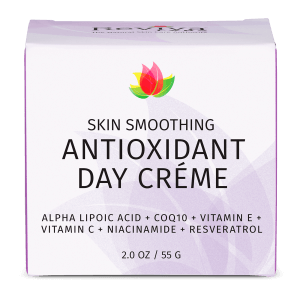
Reviva Labs has long leaned into this kind of functional skincare thinking. The point is not to chase the newest ingredient every season. The point is to pair ingredients with clear jobs, then build formulas that make sense on real skin. ALA, vitamin C, and DMAE fit that approach because they give the skin a broader cosmetic support system. The result is a routine that feels targeted without feeling complicated.
How to use antioxidant skincare well
Antioxidant products usually fit best after cleansing and toning, before heavier moisturizers or sunscreen. In the morning, a vitamin C and antioxidant product pairs especially well under broad-spectrum sunscreen. Sunscreen handles UV exposure directly, while antioxidants help support the skin’s visible defense against environmental stress. This pairing matters more than choosing between one or the other. Your skin benefits from both.
At night, antioxidant care can support the look of recovery. Skin loses water overnight, and many people wake up with dullness, tightness, or more obvious lines when their routine lacks moisture support. A cream with antioxidants, humectants, and emollients can help soften the look of skin by morning. DMAE-focused formulas also fit well at night when users want a firmer, smoother-looking finish. The best timing depends on the product texture and the rest of the routine.
The neck deserves special attention. Apply antioxidant and firming products from the face down to the jawline, throat, and upper chest. Use gentle upward strokes and avoid tugging. The skin in these areas often shows sun exposure, sleep creases, dryness, and loss of firmness earlier than people expect. ALA, vitamin C, and DMAE give you a strong reason to stop treating the face as the only visible skin worth caring for.
Start slowly if your skin reacts easily. A multi-active product can feel elegant and still be too much when introduced alongside exfoliating acids, retinoids, or strong peels. Use it several times a week at first, then increase as skin feels comfortable. Keep the rest of the routine simple while introducing it. Cleanser, moisturizer, antioxidant care, and sunscreen can outperform a crowded routine when used well.
What results to expect
Antioxidant skincare is not instant repair. It works best through steady use and smart expectations. Some users notice a fresher look quickly because the formula improves hydration, feel, and surface radiance. Brightness and tone usually take more time. Firmness also improves gradually, especially when the routine includes daily sunscreen and consistent neck application.
The first visible change often comes from glow. Hydrated skin reflects light better, and antioxidant creams often include oils, humectants, or skin conditioners that help soften the surface. This can make the complexion look smoother before deeper tone concerns shift. Vitamin C can then support a more even-looking complexion with continued use. ALA helps reinforce the overall antioxidant story and supports a more refined look.
Firmness from DMAE can feel different from brightness. Some people notice a tighter feel or more toned appearance, especially in areas where skin looks slack or tired. This should feel comfortable, not dry or stiff. If a firming product makes skin feel tight in an unpleasant way, the routine likely needs more moisturizer or less frequent use. Skin should look supported, not strained.
The strongest results come when the rest of the routine supports the same goal. Use sunscreen every morning. Keep exfoliation moderate. Do not combine too many aggressive actives at once. Add moisture when skin feels tight and use antioxidant care consistently enough to matter. ALA, vitamin C, and DMAE work best when the whole routine stops fighting itself.

Who benefits most from this trio
This antioxidant trio works especially well for people who see more than one visible concern at a time. Dullness, uneven tone, fine lines, rough texture, and loss of firmness often appear together. A single-purpose brightening serum can help one part of the story, but it does not speak to firmness. A firming product can help another part, but it does not always address dullness or environmental stress. ALA, vitamin C, and DMAE create a more complete bridge between prevention and visible correction.
Skin in the 35-plus range often responds well to this approach because environmental exposure has had time to show. This does not mean younger skin cannot use antioxidants. It means the visible payoff often becomes easier to appreciate as skin starts looking less forgiving after stress, sun, travel, and seasonal shifts. The routine can help skin look more awake and resilient. It can also make the transition into summer skincare feel more intentional.
Mature skin often needs support without harshness. Strong exfoliants and retinoids have their place, but not everyone tolerates them daily. Antioxidant creams can offer a gentler route to visible improvement, especially when the formula includes soothing and moisturizing ingredients. This makes the trio useful for consumers who want smoother, brighter, firmer-looking skin without turning every night into an aggressive treatment session. Consistency beats intensity for many people.
The trio also fits minimalist routines. A person who wants only a few steps can cleanse, apply an antioxidant and firming formula, moisturize as needed, and use sunscreen every morning. That routine is easy to repeat, which gives it a real advantage. The best skincare plan is not the most complex one. It is the one you will use before the damage becomes harder to hide.
Frequently Asked Questions
Can I use ALA, vitamin C, and DMAE every day?
Most people can use antioxidant products daily when the formula suits their skin and the rest of the routine stays balanced. If your skin is sensitive, start three or four times per week, then increase slowly. Watch for dryness, stinging, or visible irritation, especially if you also use exfoliating acids, retinoids, or strong treatment masks. Daily use makes the most sense when the product feels comfortable, layers well, and does not leave skintight. In the morning, pair antioxidant care with broad-spectrum sunscreen.
Should I use antioxidants in the morning or at night?
Morning use makes sense because skin faces UV exposure, pollution, heat, and other daily stressors. A vitamin C and antioxidant product under sunscreen gives your routine broader daytime support. Night use also works, especially when the formula includes DMAE, moisturizing ingredients, or texture-supporting antioxidants. You do not need to use every active both morning and night. Choose the time you will use consistently, then keep sunscreen nonnegotiable in the morning.
Can I use vitamin C with DMAE?
Yes, vitamin C and DMAE can work together in a cosmetic routine when the formula is designed well. Vitamin C supports brightness, antioxidant defense, and the appearance of smoother skin. DMAE supports a firmer, more toned look. The pairing makes sense for people who want both radiance and visible firmness. If you layer separate products, apply thinner textures first and allow each layer to settle. If your skin reacts easily, introduce one product at a time.
Is alpha lipoic acid good for aging skin?
Alpha lipoic acid is valued in skincare because it supports antioxidant care and helps improve the look of texture, dullness, and environmental fatigue. Aging skin often shows multiple concerns at once, including fine lines, uneven tone, and reduced radiance. ALA fits well in routines built around visible resilience. It also pairs well with vitamin C, vitamin E, CoQ10, and other antioxidants. The best results come from consistent use, sunscreen, and a formula that also supports moisture.
Do antioxidants replace sunscreen?
No. Antioxidants do not replace sunscreen. Sunscreen remains the most important morning step for helping protect skin from UV exposure. Antioxidants support the skin’s visible defense against environmental stress, but they do not provide SPF protection unless the product is an approved sunscreen. Think of antioxidants as support, not substitution. Use them under sunscreen in the morning, then reapply sunscreen as directed when outdoors, sweating, swimming, or exposed for long periods.
References and Sources
- Flament F, Bazin R, Laquieze S, Rubert V, Simonpietri E, Piot B. “Effect of the sun on visible clinical signs of aging in Caucasian skin.” Clinical, Cosmetic and Investigational Dermatology, 2013. (PMC)
- Rinnerthaler M, Bischof J, Streubel MK, Trost A, Richter K. “Oxidative Stress in Aging Human Skin.” Biomolecules, 2015. (PMC)
- Al-Niaimi F, Chiang NYZ. “Topical Vitamin C and the Skin: Mechanisms of Action and Clinical Applications.” Journal of Clinical and Aesthetic Dermatology, 2017. (PMC)
- Linus Pauling Institute, Oregon State University. “Vitamin C and Skin Health.” (Linus Pauling Institute)
- Grossman R. “The role of dimethylaminoethanol in cosmetic dermatology.” American Journal of Clinical Dermatology, 2005. (PubMed)
- Kim K, Park H, Lim KM. “Effect of α-Lipoic Acid on the Development of Human Skin Equivalents.” International Journal of Molecular Sciences, 2021. (PMC)