
Ingredients, Natural, Reviva Labs, Skin Care
How UV Exposure Breaks Collagen Before You See the Damage

May
Back in April 2012, The New England Journal of Medicine published “Unilateral Dermatoheliosis,” a short clinical case report by Jennifer R.S. Gordon, M.D., and Joaquin C. Brieva, M.D. The article featured the now-famous image of Bill McElligott, a truck driver whose left side of the face showed far more visible sun damage than the right after decades behind the wheel. The image went viral because it made photoaging impossible to ignore. While his case was extreme and medical in nature, the lesson was simple and relevant for everyone: sunlight changes skin over time. The damage often builds quietly for years before it becomes obvious, but each season of unprotected exposure adds to the visible toll.
What made that image so striking was not only the difference in wrinkles or texture. It was the visible story of collagen breaking down over time. UV exposure does not wait for a beach day or a sunburn to affect skin. It can happen through daily driving, walking the dog, gardening, errands, outdoor lunches, and ordinary summer routines. Beneath the surface, ultraviolet light helps trigger oxidative stress and collagen-degrading enzymes, which can leave skin looking thinner, rougher, looser, and less even as the years pass. That is why pre-summer skincare should focus less on repairing a bad burn and more on protecting collagen before the season starts.
The good news is practical. You do not need a ten-step summer routine or a cabinet full of trendy ingredients. You need steady habits that reduce UV damage, support the look of collagen-rich skin, and help your skin recover from daily environmental stress. The smartest time to start is before summer settles in, not after the first long weekend outdoors leaves your skintight, pink, or blotchy.
What UV Light Does to Collagen
Ultraviolet light reaches skin in different ways. UVB rays are more associated with sunburn and surface damage. UVA rays penetrate deeper into skin and play a major role in visible photoaging. Both can affect the appearance and condition of skin over time. Even cloudy days count because UVA can pass through clouds and windows, which makes daily exposure more constant than most people think.
Collagen sits mostly in the dermis, the deeper support layer of skin. UV exposure increases the activity of enzymes called matrix metalloproteinases, often shortened to MMPs. These enzymes break down collagen and other parts of the skin’s support matrix. Your skin uses MMPs for normal remodeling, but UV exposure pushes the process out of balance. Instead of healthy renewal, skin enters a cycle where collagen breaks down faster than the body can maintain it.
This is where summer becomes a problem. More time outside means more cumulative exposure. A few minutes here and there can add up, especially during driving, walking the dog, gardening, outdoor dining, pool time, beach days, and errands. The damage does not need to look dramatic right away. A tan, slight redness, lingering warmth, roughness, or new freckling can signal stress even when skin feels fine by evening.

Oxidative Stress Is the Hidden Accelerator
UV exposure also generates free radicals. These unstable molecules stress skin and can damage lipids, proteins, and other cellular structures. Collagen is not exempt. When free radicals rise, the visible effects often appear as dullness, uneven tone, texture changes, and a tired look. Over time, this stress contributes to the breakdown of firm, smooth-looking skin.
This explains why antioxidants matter in a pre-summer routine. They do not replace sunscreen. They support skin by helping neutralize oxidative stress before it gains momentum. Vitamin C, Vitamin E, green tea, resveratrol, CoQ10, niacinamide, and alpha lipoic acid all fit into this category. The strongest routines pair daily UV protection with antioxidant support, not one or the other.
Before summer, antioxidants become especially useful because exposure rises. Skin deals with sun, heat, sweat, pollution, and sometimes over-cleansing or over-exfoliation. A morning antioxidant product under sunscreen can help support a more resilient-looking complexion. Nighttime moisturizing then helps restore comfort and hydration after the day. The routine stays simple, but it works harder.
Why Collagen Loss Changes Skin Texture
Collagen does not only affect lines. It influences the whole look of skin. When collagen support weakens, pores can look larger, texture can look rougher, and skin can lose the smoother surface reflection people often call glow. UV exposure also contributes to discoloration, which can make skin look older even when lines remain mild. This is why sun damage often shows up as a combination of crepiness, uneven tone, and loss of firmness.
The face gets most of the attention, but the neck, chest, hands, shoulders, and forearms often reveal more. These areas receive years of incidental exposure. They also tend to get less sunscreen and less skincare. Before summer, extend your routine below the jawline. The skin on the neck and chest needs moisture, antioxidants, and sun protection too.
Collagen care is not about chasing perfect skin. It is about reducing avoidable stress. Once UV exposure breaks collagen down, skin repair takes time. Prevention gives you a better return than correction alone. That does not mean existing damage is hopeless. It means a smarter plan protects what you still have while supporting a smoother, healthier-looking surface.
Sunscreen Is the Nonnegotiable Step
A broad-spectrum sunscreen is the center of any collagen-protection routine. Broad spectrum matters because it covers both UVA and UVB protection. SPF matters too, but SPF mainly reflects UVB protection. For summer, choose SPF 30 or higher, apply enough, and reapply during outdoor exposure. Thin application is one of the biggest real-world reasons sunscreen underperforms.
Most people treat sunscreen like a morning moisturizer. That works only for short indoor days with minimal exposure. Once you spend time outside, sweat, swim, towel off, or sit in strong sun, sunscreen needs reapplication. A good rule is every two hours outdoors, and sooner after swimming or heavy sweating. Water resistant does not mean waterproof. It means the product holds protection for a labeled period while wet, usually 40 or 80 minutes.
Sunscreen also works best when supported by behavior. Shade helps. Wide-brimmed hats help. Sunglasses help. UPF clothing helps. Planning outdoor time earlier or later in the day helps too. These choices sound plain, but they reduce the total UV load on collagen. The routine becomes easier when you stop asking one product to do all the work.
Build Your Pre-Summer Collagen Defense
Start with your morning routine. Cleanse gently, then apply an antioxidant serum or cream. Follow with moisturizer if your skin needs it. Finish with broad-spectrum SPF 30 or higher. Give sunscreen time to set before makeup or outdoor activity. Keep sunscreen where you will use it, near your bathroom sink, in your bag, in your car console only when heat will not degrade it, or near the back door before walks and gardening.
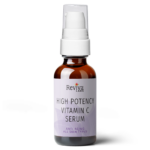
Vitamin C deserves special attention because it supports brighter-looking skin, helps defend against oxidative stress, and plays a role in collagen support. It works best as a consistent habit. Some people tolerate pure ascorbic acid well. Others prefer gentler derivatives. The best choice is the one your skin will use every morning without stinging, peeling, or quitting after one week.
Niacinamide also earns a place in summer routines. It supports the look of even tone, helps skin feel balanced, and pairs well with many other ingredients. Hyaluronic acid and glycerin help keep the surface hydrated, which can soften the look of fine lines caused by dehydration. Peptides, collagen-supporting actives, and well-formulated moisturizers can help skin look smoother and more supple. Reviva Labs’ Antioxidant Day Crème is one example of a pre-summer style product built around antioxidant support, with Alpha Lipoic Acid, Vitamins C and E, Green Tea, Niacinamide, Resveratrol, and CoQ10.

Do Not Overcorrect With Harsh Exfoliation
When summer is near, many people try to brighten and smooth skin fast. They add stronger acids, scrubs, retinoids, peels, and masks all at once. This often backfires. Over-exfoliated skin can look shiny, tight, red, and more reactive. A compromised barrier can make sunscreen sting and increase the chance of visible irritation. Collagen care requires consistency, not aggression.
Gentle exfoliation can help if your skin looks dull or rough. Glycolic acid, lactic acid, enzymes, or mild physical exfoliation can improve surface smoothness when used correctly. The goal is to remove dull surface buildup, not strip the skin. Before summer, use exfoliation at night and keep it moderate. If your skin feels tender, hot, or tight after washing, pull back.
Retinoids and retinol products also need thoughtful timing. They can support smoother-looking skin over time, but they can increase dryness or sensitivity for some users. Start low, apply at night, and pair with moisturizer. During sunny months, your sunscreen discipline needs to be strong. A retinoid routine without daily sunscreen is a poor trade.
Hydration Makes Collagen Support Look Better
Hydration does not rebuild collagen by itself, but it improves how skin looks while you protect and support it. Dehydrated skin shows lines faster. It can look crepey, especially around the eyes, cheeks, neck, and chest. Summer heat, air conditioning, salt water, chlorine, and more frequent cleansing can all leave the surface thirsty.
Humectants such as glycerin, sodium PCA, and hyaluronic acid pull water into the outer layers of skin. Emollients soften. Occlusive or barrier-supporting ingredients help slow water loss. You do not need a heavy cream every day, but you do need enough moisture for your climate and skin type. A light serum under sunscreen works for some people. Others need a cream, especially at night.
Your nighttime routine should help skin settle. Cleanse off sunscreen, sweat, and makeup without scrubbing. Apply treatment products only as tolerated. Finish with moisturizer. If your skin feels dry or looks dull by morning, increase moisture before adding more actives. Skin that feels comfortable tends to tolerate antioxidants, brighteners, and collagen-supporting products better.
Food, Water, and Lifestyle Still Count
Skincare matters, but collagen support also depends on daily choices. Protein provides amino acids, which your body uses for structural proteins. Vitamin C supports normal collagen formation in the body. Colorful fruits and vegetables provide antioxidants. Omega-rich foods support overall skin comfort. None of these choices replace sunscreen, but they support skin from the inside.
Hydration helps too, especially when heat rises. Water will not erase wrinkles, but dehydration can make skin look more lined and fatigued. Alcohol, poor sleep, smoking, and chronic stress all work against healthy-looking skin. Summer often brings travel, late nights, and disrupted routines, so keep the basics steady where you can.
Sleep matters because the skin barrier follows daily rhythms. When sleep slips, skin can look duller, puffier, and less even. Before summer weekends, trips, and outdoor events, treat sleep as part of your beauty routine. It is not glamorous, but it shows.
What to Do After Sun Exposure
Even with good habits, sun exposure happens. The first step after a long day outdoors is cooling and calming the skin. Cleanse gently. Skip scrubs, strong acids, and retinoids if skin feels warm, tight, or irritated. Apply hydrating and soothing ingredients such as aloe, glycerin, hyaluronic acid, panthenol, allantoin, or a barrier-supporting moisturizer.
If skin is sunburned, treat it as injured skin. Cool compresses, hydration, and gentle moisturizers can help comfort the area. Avoid exfoliation until skin fully recovers. Do not pick peeling skin. And take the burn seriously because it signals excessive UV exposure. The next day’s plan should focus on protection, shade, and repair, not more sun.
After-sun care can reduce discomfort and help skin feel better, but it cannot undo all UV damage. This is why prevention still comes first. Think of after-sun care as support, not permission. Your future skin benefits more from fewer high-exposure days than from perfect recovery products after the fact.

The Neck Chest and Hands Need Equal Attention
Most people apply skincare to the face, then stop at the jawline. UV exposure does not stop there. The neck and chest often show creasing, laxity, and uneven tone because they receive daily sun yet receive less care. Hands face even more exposure from driving, washing, and outdoor activity. Before summer, treat these areas as part of the same routine.
Apply antioxidants and moisturizer to the neck and chest when you apply them to your face. Use sunscreen there every morning. Reapply to the chest and hands during outdoor days. Keep a hand cream or lightweight lotion near your sink, then apply SPF to the backs of hands before driving or walking outside.
Clothing can help more than skincare in these areas. A UPF shirt, lightweight scarf, or wide-brimmed hat protects the neck and chest more reliably than a thin layer of sunscreen alone. For hands, driving gloves or regular reapplication can make a visible difference over time. These small changes protect collagen where skin often ages first.

A Simple Pre-Summer Routine
Morning should focus on defense. Use a gentle cleanse or rinse. Apply antioxidants. Add a lightweight moisturizer if needed. Finish with broad-spectrum SPF 30 or higher on face, neck, chest, ears, and hands. Reapply when outdoors. Add hats, sunglasses, and shade whenever exposure lasts more than a few minutes.
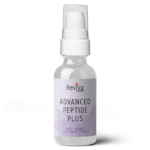
Evening should focus on recovery. Cleanse well but gently. Use treatment products on a schedule your skin tolerates. This might mean Vitamin C in the morning, peptides or hydrating serum at night, and exfoliation one to three times weekly depending on your skin. Use retinoids carefully if they fit your routine. Seal with moisturizer.
Weekly care should stay supportive. A gentle exfoliating mask or mild AHA product can help with dullness. A hydrating mask can help after travel or heat exposure. Avoid stacking too many actives on the same night. Your skin should feel better the next morning, not tighter and more irritated.
How Long Before You See Results
Protection starts immediately, but visible changes take time. Hydration can improve the look of fine lines within days. A smoother texture from gentle exfoliation can appear within a few weeks. Brighter-looking tone and more refined texture from antioxidants and consistent sunscreen often take longer. Collagen-related visible improvement takes patience because skin structure changes slowly.
A fair timeline is twelve weeks of steady habits. Take a natural-light photo before summer and again after three months. Keep the lighting consistent. Look at tone, texture, fine lines, and overall radiance. The goal is not a filtered transformation. The goal is skin that looks calmer, smoother, and less stressed by the season.
Consistency beats intensity. A moderate routine used daily will outperform an aggressive routine used for ten days and abandoned. Summer skincare should fit real life. Sunscreen you like, antioxidants you tolerate, moisture your skin accepts, and habits you repeat will protect collagen better than complicated plans.
Frequently Asked Questions
How does UV exposure break down collagen?
UV exposure increases oxidative stress and triggers enzymes called matrix metalloproteinases, which break down collagen and other structural proteins in skin. This process contributes to visible photoaging, including fine lines, rough texture, sagging, and uneven tone. UVA exposure plays a major role because it reaches deeper into skin than UVB. UVB still matters because it contributes to sunburn and surface damage. Both forms of UV exposure can affect how skin looks over time, which is why broad-spectrum protection matters.
Can sunscreen prevent collagen loss?
Sunscreen helps reduce UV exposure, which helps limit one of the major triggers of collagen breakdown. It does not stop all aging, and it does not replace hats, shade, or protective clothing. Still, daily sunscreen use is one of the best-backed habits for reducing visible photoaging. For summer, choose broad-spectrum SPF 30 or higher and apply enough to cover exposed skin. Reapply every two hours outdoors, and sooner after swimming or heavy sweating.
Do collagen creams replace lost collagen?
Topical collagen usually helps skin look smoother and more hydrated because collagen can act as a moisture-supporting ingredient on the surface. It does not work like injecting new collagen into the dermis. That does not make it useless. Better hydration can soften the look of fine lines and improve skin comfort. For collagen support, pair hydrating ingredients with sunscreen, antioxidants, peptides, retinoids when tolerated, and steady moisture.
Should I use Vitamin C before summer?
Vitamin C fits well in a pre-summer routine because it supports antioxidant defense, brighter-looking tone, and collagen-related skin health. Many people use it in the morning under sunscreen. Some forms of Vitamin C can sting or feel too active for sensitive skin, so choose a formula your skin tolerates. Consistent use matters more than choosing the strongest product. Pairing Vitamin C with daily broad-spectrum sunscreen gives skin a smarter defense plan.
What should I avoid after too much sun?
Avoid scrubs, peels, strong exfoliating acids, and retinoids while skin feels hot, tight, tender, or visibly irritated. Focus on cooling, calming, and hydrating. Use gentle cleansing, lightweight moisture, and soothing ingredients such as aloe, glycerin, panthenol, allantoin, or hyaluronic acid. Stay out of additional sun while skin recovers. If skin blisters, pain feels intense, or symptoms concern you, contact a healthcare professional.
References and Sources
- Research on photoaging shows UV irradiation increases matrix metalloproteinases, enzymes involved in collagen and extracellular matrix degradation. Matrix-degrading Metalloproteinases in Photoaging, NIH PMC. (PMC)
- A 2024 review reported increased collagen degradation after UV irradiation and discussed the role of MMPs in photoaging. Matrix Metalloproteinases on Skin Photoaging, NIH PMC. (PMC)
- A randomized trial found daily sunscreen users had 24% less skin aging than discretionary sunscreen users after 4.5 years. Sunscreen and Prevention of Skin Aging, Annals of Internal Medicine. (American College of Physicians Journals)
- The American Academy of Dermatology recommends broad-spectrum, water-resistant sunscreen with SPF 30 or higher and reapplication every two hours outdoors. (American Academy of Dermatology)
- The FDA explains broad-spectrum sunscreen protects against UVA and UVB, while SPF primarily indicates UVB protection. (U.S. Food and Drug Administration)
- Topical Vitamin C research supports its antioxidant role and its connection to collagen synthesis and reduced collagen degradation. (PMC)