

Ingredients, Natural, Reviva Labs, Skin Care
The Case for a Collagen Night Crème When the Days Get Longer

May
Longer days change skin behavior before most people change their routines. The sun rises earlier, sets later, and quietly adds more chances for UV exposure between errands, walks, driving, gardening, lunch outdoors, and weekends spent “only outside for a little while.” This is why I think collagen-focused night care earns a stronger place in the routine as spring moves into summer. Not because one cream can undo a beach day. Not because collagen skincare sounds impressive on a label. Because longer daylight increases the daily tax on skin’s visible firmness, hydration, and smoothness, and nighttime is when most people have the best chance to apply richer, more supportive care without worrying about shine, makeup, or midday sweat.
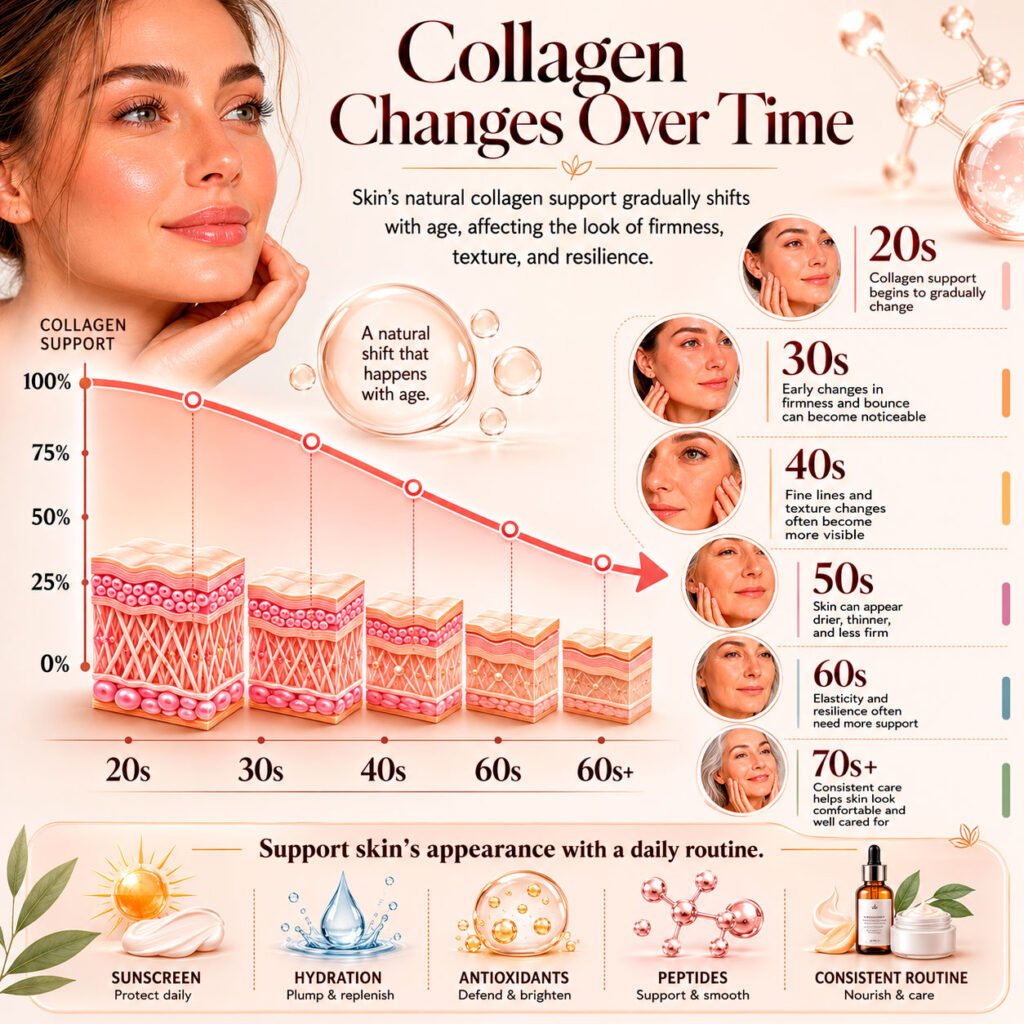
A collagen night cream makes sense because it fits the rhythm of the season. During the day, your priorities stay clear: sunscreen, shade, smart coverage, and antioxidants if your skin tolerates them well. At night, the job changes. You cleanse away the day, return comfort to the skin, and support the look of bounce and softness before dehydration and dullness settle in. A richer collagen crème belongs there because it is not trying to replace sun protection. It plays a different role. It helps skin look more rested, more moisturized, and less worn down by the small, repeated exposures that define summer.
The case grows stronger when you look at what UV exposure does to collagen. Sunlight does not age skin only by burning it. UVA and UVB exposure trigger visible changes through oxidative stress, inflammation pathways, and enzymes known as matrix metalloproteinases, which break down collagen and other support structures in skin. That process matters because collagen gives skin much of its firm, resilient look. When collagen quality declines, skin can look thinner, looser, drier, and more lined. You cannot feel this happening after one walk to the mailbox, which is part of the problem. The visible result shows up later, after many tiny exposures have added up.

Longer daylight quietly changes the math
Most people think of summer skincare as a sunscreen conversation, and it should start there. Still, sunscreen alone does not create a complete routine. It reduces UV exposure when used correctly, but it does not moisturize skin deeply at night, smooth dry surface texture, or help the complexion feel comfortable after heat, sweat, cleansing, and sun. Longer days also change behavior. People spend more time in cars, on patios, at youth sports, in gardens, at outdoor markets, and near water. Even careful people end up collecting incidental exposure.
This is where a nighttime collagen cream becomes less of a luxury and more of a practical seasonal adjustment. You are not adding it because your skin suddenly needs a new identity in June. You are adding it because the routine needs a stronger recovery step after a more demanding day. Heat and UV exposure often leave skin feeling tight, less smooth, or a little flat by bedtime. Air conditioning can make the problem worse, especially for mature or already dry skin. A collagen crème with emollients and moisture-supporting ingredients helps offset this feeling by giving the skin a richer finish overnight.
There is also a psychological benefit worth saying out loud. Many people treat summer as a time to simplify, then accidentally strip their routines down too far. They wash more often, sweat more often, reapply sunscreen less often than they intended, and skip night cream because the air feels warm. Warm air does not mean hydrated skin. In fact, the skin can feel oily on top and still lack enough water in the surface layers. A night cream helps bring the routine back to balance without making daytime skin feel heavy.

Collagen skincare works best when expectations stay honest
Topical collagen does not rebuild the dermis like scaffolding crews repairing a bridge. That claim would overstate what a cosmetic product can do. The better argument is more grounded. Collagen, hydrolyzed collagen, and collagen-supportive formulas can improve the feel of dry surface skin, support moisture retention, and help skin look smoother and plumper. Those cosmetic effects matter because the appearance of fine lines often gets worse when skin feels dehydrated. Hydrated skin reflects light better, feels softer, and looks less creased.
A good collagen night crème should do more than sprinkle collagen into a formula. It should combine collagen with nourishing lipids, humectants, and emollients that help skin feel supple by morning. Reviva’s Collagen Night Crème fits this older, more functional view of night care. The 2026 Reviva catalog describes it as a nighttime cream with high-potency collagen extract to help dry surface skin cells hold moisture, while nourishing ingredients help smooth lines for a firmer-looking complexion. It also includes ingredients such as hydrolyzed collagen, sunflower seed oil, avocado oil, sweet almond oil, vitamin E, jojoba esters, retinyl palmitate, and vitamin D3. Those ingredients speak to a traditional but still useful night cream structure: moisture, softness, cushion, and visible smoothing.
The opinion here is simple. Skincare does not always need the newest ingredient to make sense. Sometimes it needs the right format at the right time of day. A collagen serum can be useful under a moisturizer, but a collagen night crème creates a fuller finish. It gives the routine an endpoint. It helps seal in the feeling of care after cleansing and toning. And during longer, brighter days, that endpoint matters because skin often reaches bedtime needing more comfort than it did in February.
Night is when rich texture becomes an advantage
Day creams have to behave. They need to layer under sunscreen, sit well under makeup, avoid heaviness, and hold up under sweat. Night creams have more freedom. They can feel richer. They can leave a soft finish. They can focus on comfort without worrying about shine in a meeting or sunscreen pilling on top. This is why collagen night crème makes more sense at bedtime than in the middle of a summer day.
Skin also loses water overnight, especially in dry indoor air. A richer cream can help reduce the look and feel of that overnight dryness by surrounding humectants with emollients and oils. This is not glamorous, but it is effective in the way people notice. Skin feels less tight. Makeup looks better the next morning. Fine surface lines look softer because the skin looks less thirsty. For many people over 40, this kind of improvement feels more meaningful than chasing a dramatic overnight transformation.
The days get longer, but sleep time does not always improve. Summer can mean later dinners, more travel, inconsistent schedules, and more time outdoors. That combination often shows on the face. A collagen night crème becomes a small act of routine discipline. It tells the skin, and the person using it, that the day is over and recovery has started. In an opinion piece, I can say this plainly: consistency beats intensity. The cream you use every night with realistic expectations will do more for the look of your skin than the aggressive treatment you use twice, hate, and abandon.
The better summer routine protects by day and restores by night
The smartest summer skincare routines split responsibilities. Daytime protects. Nighttime restores comfort. Sunscreen remains non-negotiable because UV exposure is the main environmental driver of visible skin aging. The EPA states that up to 90 percent of visible skin changes commonly attributed to aging come from the sun. That statistic should make everyone less casual about daylight. But it should also make people more serious about what happens after daylight ends.
A collagen night crème fits after cleansing and, for many people, after a gentle toner or compatible serum. If skin feels dry, a hyaluronic acid serum under the cream can add extra water-binding support. If skin feels overworked from exfoliation, skip strong acids for the evening and let the collagen crème play the comfort role. If skin tolerates retinoids, alternate nights can make sense, especially when the goal is avoiding irritation during higher sun months. The point is not to stack every active ingredient at once. The point is to build a routine you can repeat.
This is also where the neck and décolleté deserve attention. Longer days usually mean lower necklines, more outdoor time, and more exposed skin below the jaw. Yet many people stop skincare at the chin. A collagen night crème gives you an easy cue to extend care downward. Face, neck, upper chest. Not with harsh pressure. Not with a complicated massage routine. Apply enough product so the skin feels comfortable and covered, then let the routine end there.

A stronger argument for mature skin
The case for collagen night crème gets stronger with age because mature skin tends to need more help with dryness, surface texture, and visible firmness. Oil production often declines over time, and skin can feel less resilient after sun, travel, stress, or over-cleansing. Longer days magnify those issues. You notice the fine lines around the mouth after a long sunny lunch. You notice the neck at night. You notice foundation catching on texture when it looked smoother a month earlier.
A night crème cannot stop time. It can make skin look better cared for while you live in time. That distinction matters. The goal is not pretending summer exposure does not happen. The goal is answering it with a routine that supports the skin’s visible quality every evening. Collagen-focused care gives mature skin a familiar, sensible category of support: moisture, softness, plumping appearance, and a firmer-looking finish.
There is also value in a product with history. Not every older formula should stay untouched forever, but longevity can signal usefulness when customers keep buying it because it fills a real need. Collagen night creams have stayed relevant because the concern has stayed relevant. People still want skin to look smoother, firmer, and less dry. They still want a cream that feels comforting at night. They still want visible improvement without turning their bathroom into a lab bench.
The case is practical, not magical
The best argument for a collagen night cream is not magic. It is maintenance. Longer days raise exposure. Exposure stresses the look of skin. Nighttime care helps restore comfort and visible smoothness. A collagen cream works well in that role because it gives the skin moisture-supporting ingredients in a format people like using before bed. It feels substantial. It makes sense. It turns summer skincare from a daytime-only SPF conversation into a full-day strategy.
Use sunscreen every morning. Reapply when outdoor exposure runs long. Wear hats and sunglasses. Then, at night, cleanse gently and give your skin a richer finish. A collagen night crème is not a substitute for prevention. It is the partner prevention deserves. When the days get longer, the night routine should work harder.
Frequently Asked Questions
Should I use a collagen night crème every night in summer?
Most dry, mature, or normal skin types can use a collagen night crème nightly, especially if the formula feels comfortable and does not clog pores. Oily skin types can use it less often or apply a smaller amount. Summer heat does not remove the need for nighttime moisture. Skin can still lose water from sun, cleansing, sweat, and air conditioning. The best test is how your skin feels in the morning. If it feels soft, calm, and smooth, the frequency works.
Can collagen night crème replace sunscreen?
No. A collagen night crème supports the look and feel of skin after daily exposure, but it does not replace sunscreen. Sunscreen helps reduce UV exposure during the day, while night crème helps replenish comfort and moisture after the day ends. These are separate jobs. Treat sunscreen as your daytime protection step and collagen night crème as your nighttime moisture and visible smoothing step. Using both creates a smarter seasonal routine.
Should I apply collagen night crème to my neck?
Yes. The neck and upper chest often show sun exposure and dryness because people forget to protect and moisturize those areas consistently. Apply your collagen night crème from the face down to the neck and décolleté. Use gentle pressure and enough product for a comfortable glide. This area often benefits from richer nighttime care because the skin can look crepey or dry after sun, heat, and seasonal clothing changes.
Can I use a serum under collagen night crème?
Yes, and many people prefer it. A hydrating serum, such as one with hyaluronic acid, can work well underneath because the night crème helps create a richer finishing layer. If you use stronger actives, such as exfoliating acids or retinoids, pay attention to tolerance. Summer skin can become more reactive when over-treated. Keep the routine simple on nights when skin feels tight, warm, or irritated. Hydration and comfort should lead.
References and Sources
- EPA, Health Effects of UV Radiation, including the statement that up to 90 percent of visible skin changes commonly attributed to aging are caused by the sun. (US EPA)
- Quan T., Matrix-Degrading Metalloproteinases in Photoaging, NIH, explaining how UV irradiation induces MMPs that degrade collagen and extracellular matrix. (PMC)
- WHO, Ultraviolet Radiation fact sheet, covering acute and chronic effects of UV radiation on skin and lips. (World Health Organization)
- WHO, Radiation and the known health effects of ultraviolet radiation, discussing photoaging, loss of elasticity, wrinkles, sagging, and UVA/UVB contributions. (World Health Organization)