
Clean Beauty, Reviva Labs, Skin Care
Why the Eye Area Shows Sun Stress Before Anywhere Else on Your Face

May
UV exposure can account for up to 80 percent of visible facial aging, and the eye area often tells the story first. This is not because the skin around your eyes is weaker in some mysterious way. It is because the eye area has less physical cushion, fewer oil glands, constant movement, and a high level of daily exposure. Every squint, every sunny drive, every afternoon walk, and every half-applied layer of sunscreen adds up there faster than it does across the cheeks or forehead. The result is familiar: fine lines, creasing, dryness, puffiness, uneven tone, and a tired look even when you feel rested.
The skin around the eyes is also the area people tend to treat most carefully, which sounds like a good thing until it becomes under-treatment. Many people avoid sunscreen near the eyes because it stings, migrates, or makes makeup pill. Others skip moisturizer there because they worry about puffiness or milia. Some apply face products around the orbital bone but stop short of the crow’s feet, lower lid, or inner corner. Over time, the most delicate visible skin on the face ends up receiving the least consistent protection.
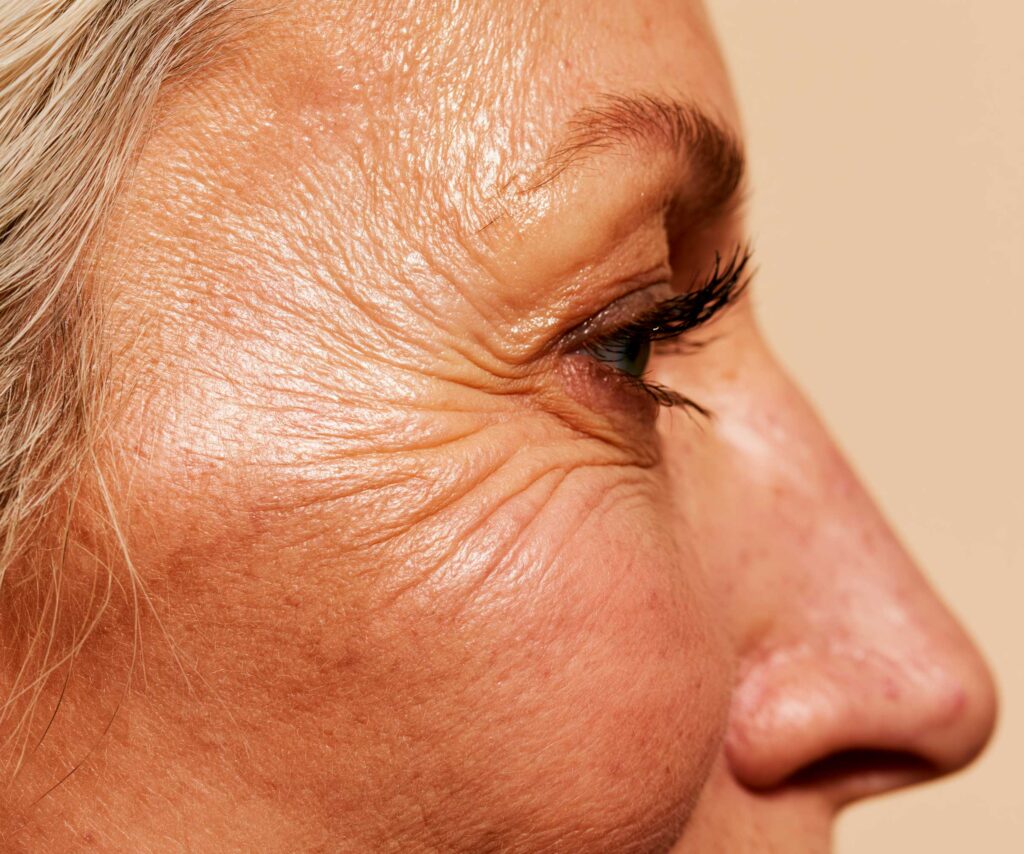
Sun stress does not always look like a burn around the eyes. More often, it shows up as texture. The skin starts to look slightly crepey. Makeup settles into lines. The outer corners look etched earlier than expected. The under-eye area takes on a gray, brown, or reddish cast. These changes can feel sudden, but they usually reflect repeated small exposures which happened long before the mirror made them obvious.
Why the Eye Area Reacts First
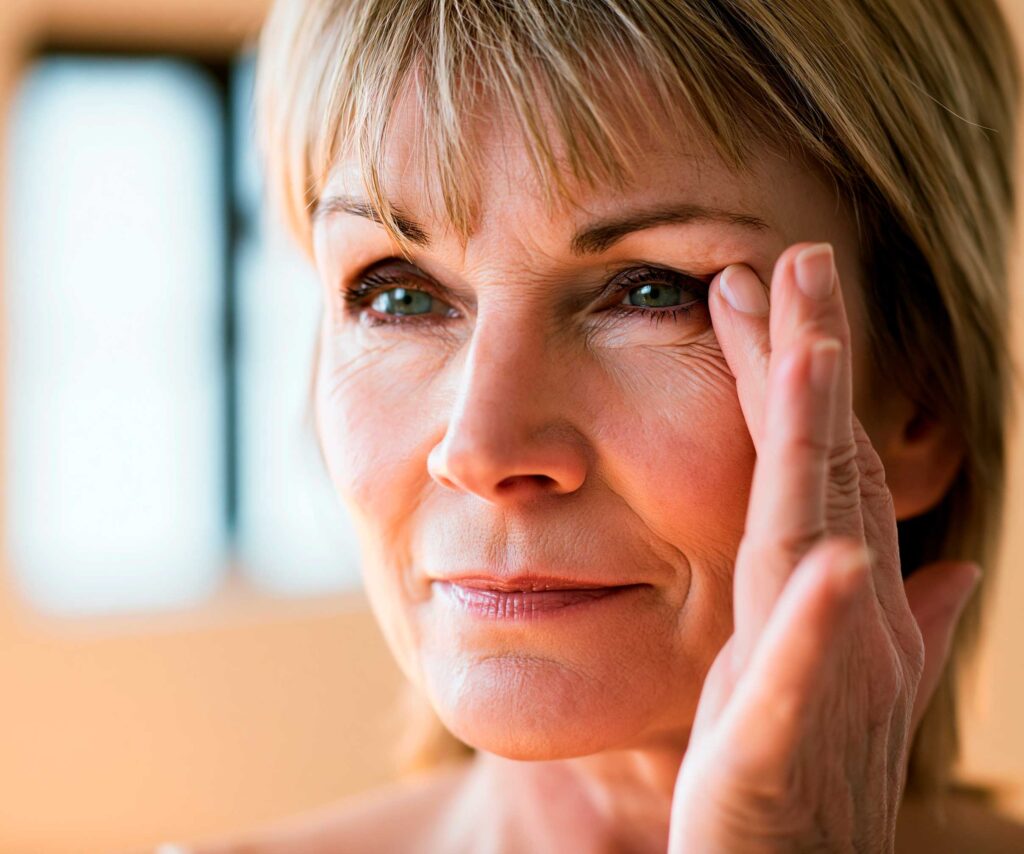
Eyelid skin is the thinnest skin on the body, measuring around 0.2 millimeters in some people. That single fact explains much of what consumers notice. Thin skin has less margin for change, so dryness, inflammation, pigment shifts, and collagen loss show through quickly. A small amount of dehydration on the cheek can look like dullness, while the same amount around the eye can look like fine lines. A small change in blood flow or pigment can look like a shadow because there is less tissue between the surface and the structures below.
The eye area also contains fewer sebaceous glands than oilier facial zones. Sebum gets a bad reputation because people associate it with shine or clogged pores, but it helps soften and protect the skin surface. The cheeks, chin, and forehead usually have more natural oil support than the lower eyelids and outer corners. This makes the eye area more prone to dryness after cleansing, swimming, air conditioning, wind, travel, and sun exposure. Once dryness sets in, surface lines become more visible even before deeper collagen changes appear.
Movement adds another layer of stress. The eye area moves constantly through blinking, smiling, laughing, reading, focusing, and squinting. The orbicularis oculi muscle surrounds the eye like a ring, and every contraction folds the same small area of skin again and again. UV exposure weakens the support network beneath the surface, while repeated expression folds the surface. Together, they make crow’s feet and under-eye creases more noticeable than lines in less animated areas of the face.
The eye area also receives sneaky sun exposure. Sunglasses do not always cover the outer corners or lower orbital area. Baseball caps shade the forehead but often leave reflected light bouncing upward from pavement, sand, water, or snow. Car windows expose one side of the face during daily commutes. Even when someone applies sunscreen to the face, the eye area often gets a thinner layer or no layer at all because people avoid getting product too close to the lash line.
What UV Does to Collagen Around the Eyes
Sun stress starts with ultraviolet radiation. UVA penetrates deeper into the skin and contributes heavily to collagen breakdown and visible photoaging. UVB affects the surface more directly and causes sunburn, but it also contributes to cellular injury and uneven tone. Both forms matter, especially around the eyes. The eye area does not need to burn to show damage, because ongoing low-level exposure can still change collagen, elastin, pigment behavior, and barrier function.
Collagen gives skin its structure. Around the eyes, where the skin is naturally thin, collagen loss becomes visible early. UV exposure triggers enzymes called matrix metalloproteinases, which break down collagen and interfere with the normal rebuilding process. This means the skin loses some of its firmness while also struggling to replace what it lost. On thicker facial skin, this process can take longer to show. Around the eyes, the visible change arrives sooner.
Elastin also changes under UV stress. Healthy elastin helps skin rebound after movement. Sun-damaged elastin becomes less organized and less efficient, which contributes to laxity, crepiness, and a less smooth surface. This is why the eye area can look both wrinkled and slightly loose at the same time. It is not only a matter of dryness, and it is not only a matter of age. It is the combination of natural thinness, repeated motion, moisture loss, and UV-driven support breakdown.
Antioxidant stress plays a role too. UV exposure generates free radicals, which can damage skin structures and amplify visible aging. This is why antioxidant support makes sense in daytime skincare, especially during sunnier months. Ingredients such as Vitamin C, Vitamin E, CoQ10, green tea, alpha lipoic acid, and niacinamide can support a more resilient-looking complexion when used consistently. They do not replace sunscreen, but they help support skin exposed to daily environmental stress.
Why Dark Circles Can Look Worse After Sun Exposure
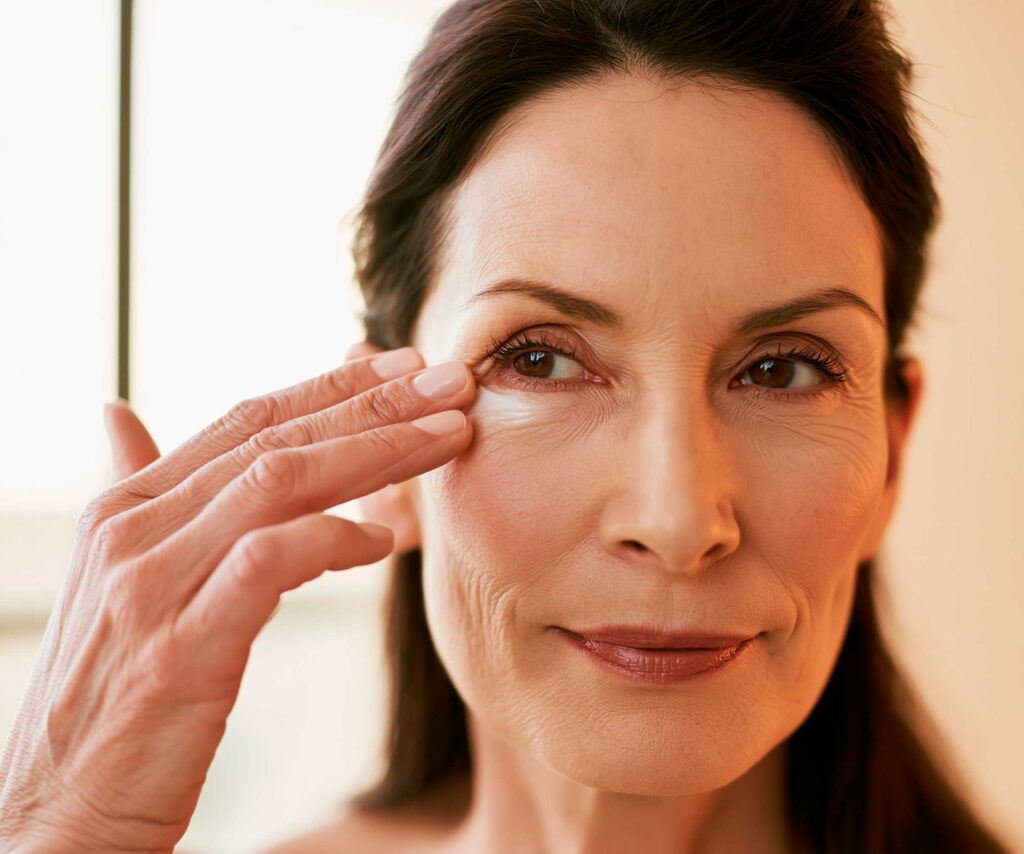
Dark circles do not have one cause. Some come from genetics, facial anatomy, allergies, sleep patterns, or visible blood vessels. Others come from pigment. The eye area is especially prone to discoloration because thin skin reveals both vascular tone and melanin shifts. Sun exposure can deepen the look of pigment-related darkness, especially in people prone to brown spots, melasma, or post-inflammatory discoloration. This is why summer often makes under-eye shadows look more stubborn.
UV exposure can also make skin look duller and drier, which changes how light reflects from the under-eye area. Smooth, hydrated skin reflects light more evenly. Dry or textured skin scatters light in a way which makes shadows and lines stand out. This effect can happen quickly after a beach day, long drive, outdoor event, or weekend of poor hydration. The under-eye area can look older for a few days before the skin barrier recovers.
Inflammation matters as well. Sun, heat, saltwater, chlorine, pollen, and sweat can irritate the eye area. People rub their eyes more when they feel itchy, tired, or dry, and rubbing increases redness, swelling, and barrier stress. The skin around the eyes does not tolerate friction well. Even gentle rubbing repeated daily can worsen the look of dark circles and fine lines.
This is where the phrase “sun stress” is useful. Not every visible change comes from a dramatic sunburn. Sun stress includes dryness, heat, squinting, oxidative stress, inflammation, pigment response, and barrier disruption. The eye area sits at the center of all of it. It is exposed, expressive, thin, and often under-protected.
The Sunscreen Gap Around the Eyes
Most people know sunscreen matters. The problem is not awareness. The problem is coverage. Sunscreen often goes on the forehead, cheeks, nose, and chin first, while the eye area gets whatever is left on the fingers. That thin leftover layer does not offer the same protection as a full, even application. If the product stings, people apply even less the next time, which creates a long-term pattern of partial protection.
A better approach starts with choosing a formula you can tolerate near the eyes. Mineral sunscreens with zinc oxide or titanium dioxide often work well for people who experience stinging, though texture and finish vary widely. Some chemical sunscreens feel elegant on the face but migrate into the eyes when sweat or oil breaks them down. The best sunscreen for the eye area is the one you will apply consistently without irritation. Comfort matters because consistency decides results.
Application technique also matters. Apply sunscreen around the orbital bone first, then use a small amount to feather it toward the outer corners and under-eye area without getting product into the lash line. Let it set before applying makeup. For outdoor days, sunglasses with full UVA and UVB protection add important support, especially wraparound styles or larger frames. A wide-brim hat helps too, but it should work with sunscreen and sunglasses, not replace them.
Reapplication is the part most people skip. Around the eyes, reapplying liquid sunscreen can feel difficult over makeup or during a busy day. Powder sunscreens, SPF sticks, and cushion formats can help, though they need enough product to matter. Sunglasses become even more useful here because they provide ongoing physical coverage without disturbing makeup. For long outdoor days, the eye area needs a plan before the day starts.

How Hydration Changes the Look of Sun Stress
Hydration does not rebuild collagen on its own, but it can make the eye area look better quickly. When the outer layers of skin hold enough water, fine lines appear softer and texture looks calmer. This is especially important around the eyes because thin skin shows dehydration fast. A good eye product can help improve the look of crepiness, even while longer-term antioxidant and peptide support works more gradually. The key is to treat hydration as daily maintenance, not emergency repair.
Humectants are useful here. Glycerin, sodium PCA, aloe, and hyaluronic acid attract water into the outer skin layers. They help the under-eye area look smoother and more comfortable, especially after sun exposure or travel. Reviva’s Eye Gelee Concentrate, for example, uses humectants and soothing ingredients such as sodium PCA, sodium hyaluronate, aloe, glycerin, collagen, and cucumber extract to nourish the under-eye area and reduce the appearance of puffiness. That type of lightweight hydration fits the eye area because it supports moisture without a heavy feel.
Emollients also help. They soften the surface and reduce the dry, papery look which can appear after sun exposure. Some people need a lighter gel in the morning and a richer cream at night. Others do best with a serum under a light eye cream. The right texture depends on skin type, climate, makeup habits, and how easily the area becomes puffy. More product is not always better around the eyes, but steady use usually beats occasional heavy application.
Hydration also supports sunscreen wear. Dry under-eye skin can make sunscreen collect in lines or flake under concealer. Well-hydrated skin gives sunscreen and makeup a smoother surface. This makes protection easier to wear, which increases the odds of daily use. In real routines, comfort and cosmetics matter because people stick with products which look and feel good.
Why Squinting Makes UV Stress More Visible
Squinting is both a reaction to sun and a wrinkle pattern builder. Bright light makes the muscles around the eyes contract to reduce glare. This folds the skin at the outer corners and under the eyes. When skin is young, hydrated, and rich in collagen, it rebounds easily. As UV exposure weakens collagen and elastin, the same folds start to linger longer after the expression ends.
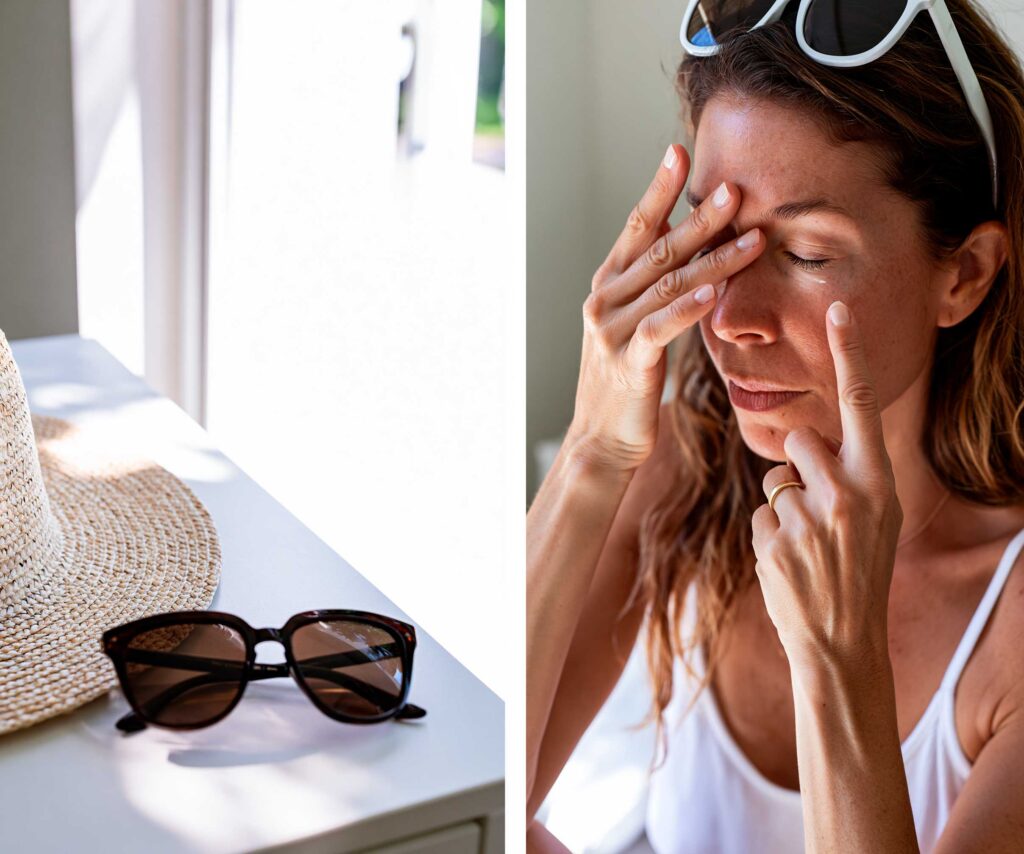
Sunglasses reduce squinting, which makes them an anti-aging tool as much as an eye-health tool. The best sunglasses are not only dark. They should block 100 percent UVA and UVB rays. Lens color alone does not guarantee UV protection, so label claims matter. Oversized frames or wraparound styles give the eye area more side coverage, especially during driving, beach days, boating, gardening, hiking, and outdoor sports.
People who wear prescription glasses should consider prescription sunglasses or photochromic lenses with UV protection. Otherwise, they often leave their eyes unprotected because switching between glasses feels inconvenient. The same applies to contact lens wearers. Some contact lenses include UV protection, but they do not protect eyelid skin or the surrounding eye area. Sunglasses still matter.
A wide-brim hat adds another layer, especially when the sun sits overhead. Baseball caps help, but they leave the sides of the face and lower eye area exposed to reflected UV. This matters near water, sand, concrete, snow, and light-colored buildings. The eye area needs layered protection because its exposure comes from more than one direction.
The Role of Antioxidants and Peptides
Antioxidants are useful around the eyes because UV exposure creates oxidative stress. A well-designed eye serum can support the look of the area by combining antioxidants with hydration and firming ingredients. Vitamin C supports brightness and collagen-related skin appearance. Vitamin E helps nourish and condition the skin surface. CoQ10 and alpha lipoic acid support antioxidant defense. Green tea and other botanicals can calm the look of stressed skin.
Peptides serve a different role. They help improve the look of fine lines, texture, and firmness over time. Around the eyes, where the skin is thin and movement is constant, peptide support can be especially helpful. Palmitoyl tripeptide and palmitoyl tetrapeptide blends, for example, often appear in formulas designed for visible smoothing and firming. They work best with consistent use, not occasional application before a special event.
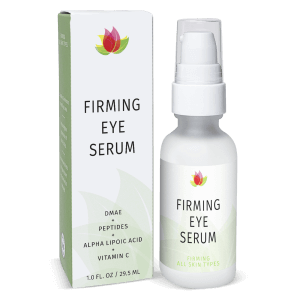
Reviva’s Firming Eye Serum reflects this type of eye-area strategy. It includes DMAE, peptides, magnesium ascorbyl phosphate, CoQ10, Vitamin E, sodium hyaluronate, glycerin, and alpha lipoic acid, and it was designed to improve the radiance and vitality of the eye area while addressing the appearance of wrinkles, under-eye bags, and dark circles. The larger point is not to chase one miracle ingredient. The better approach is to combine protection, hydration, antioxidant support, and texture care in a routine people can follow daily.
Eye products should not sting, burn, or leave the area irritated. A brief cooling sensation is one thing, but ongoing irritation works against the goal. Irritated skin looks older because inflammation increases redness, dryness, swelling, and uneven texture. If an eye product causes watering or discomfort, stop using it and choose a gentler texture or formula. The eye area rewards patience, not aggression.
How to Build a Summer Eye Area Routine
A good summer routine starts in the morning with gentle cleansing. Avoid harsh scrubbing, hot water, and foaming cleansers which leave the eye area tight. Pat skin dry instead of wiping. Apply a lightweight hydrating eye product, then apply a daytime antioxidant serum or eye serum if your skin tolerates it. Follow with sunscreen applied carefully around the eye area, plus sunglasses before you head outside.
For outdoor days, plan protection around your actual schedule. If you drive a lot, keep sunglasses in the car. If you garden or walk in the morning, place a hat near the door. If you wear makeup, test your sunscreen and concealer together before a long day outside. If sunscreen tends to migrate, use less product directly near the lash line and rely on sunglasses for additional physical defense. The perfect routine fails when it is uncomfortable, so build one around real habits.
At night, focus on recovery. Cleanse gently to remove sunscreen, makeup, sweat, and pollution. Apply a hydrating eye product or serum, then a moisturizer if the area feels dry. This is also a good time for peptides, humectants, and soothing botanical ingredients. Night care does not erase UV exposure from the day, but it can improve the look of dryness, texture, and tiredness by morning.
Do not use strong exfoliating acids or retinoids too close to the eyes unless a product is specifically formulated and directed for that area. The skin around the eyes reacts faster than the cheeks. Over-exfoliation can create redness, scaling, burning, and more visible lines. If your face routine includes glycolic acid, retinol, or strong brighteners, keep them away from the immediate eye area unless the instructions state otherwise. The eye area needs targeted care, not leftover face treatment.
What to Watch For Over Time
The first sign of sun stress around the eyes is often a change in texture. Skin starts to look less smooth under concealer. The outer corners keep faint lines after smiling. The lower eyelid looks less plump in the morning. The under-eye area holds shadow longer, even after sleep. These changes do not mean your routine has failed. They signal the area needs more consistent protection and support.
Another sign is uneven tone. Brown or gray discoloration near the outer corners, lower lids, or upper cheekbone can reflect pigment response from UV exposure. Redness can reflect irritation, rubbing, allergies, or barrier stress. Puffiness can come from sleep, salt, allergies, fluid retention, or inflammation. The challenge is most people have more than one factor at work. A good routine improves the conditions you can control: UV exposure, hydration, friction, and daily antioxidant support.
If one eye looks dramatically different from the other, or if you notice a new growth, sore, crusting area, bleeding spot, or changing mark on the eyelid, see a dermatologist or eye care professional. The eyelids can develop sun-related skin cancers, and changes near the eye deserve careful attention. Cosmetic care is useful for visible aging, but it does not replace professional evaluation. Regular skin checks matter, especially for people with a history of sunburns, outdoor work, tanning, or previous skin cancers.
For most people, visible improvement comes from boring consistency. Sunscreen, sunglasses, hydration, and a gentle eye treatment used daily will outperform occasional rescue care. The eye area shows stress first because it has less backup support than the rest of the face. Treat it as a priority area, not an afterthought. Small daily choices protect the skin you notice every time you look in the mirror.
Frequently Asked Questions
Why do my eyes look older after a day in the sun?
The eye area often looks older after sun exposure because UV, heat, squinting, dehydration, and inflammation all affect thin skin quickly. Even without a sunburn, the under-eye area can lose surface moisture, which makes fine lines and crepiness more visible. Bright light also makes you squint, and repeated folding around the outer corners can make crow’s feet look deeper. Reflected UV from water, sand, and pavement can reach the lower eye area too. Hydration, sunglasses, sunscreen, and gentle nighttime care usually help the area look calmer.
Can I use regular face sunscreen around my eyes?
You can use regular face sunscreen around your eyes if it does not sting, migrate, or irritate the area. Many people prefer mineral sunscreens near the eyes because zinc oxide and titanium dioxide often feel more comfortable in this zone. Apply carefully around the orbital bone and outer corners, then let it set before makeup. Avoid getting sunscreen into the lash line or inside the eye. Sunglasses with full UVA and UVB protection add another layer of defense and help reduce squinting.
Why do dark circles look worse in summer?
Dark circles can look worse in summer because sun exposure can deepen pigment, while heat and allergies can increase puffiness or redness. The eye area also gets drier from swimming, sweating, air conditioning, and more frequent cleansing. Dry skin reflects light unevenly, which makes shadows stand out. If your dark circles have a brown tone, UV protection is especially important because pigment can become more noticeable with repeated exposure. Hydrating eye care, daily sunscreen, sunglasses, and reduced rubbing can help.
Should I use retinol around my eyes during sunny months?
Retinol can help improve the look of aging skin, but the eye area needs caution. Many face retinol products are too strong for the immediate eye area unless the directions say the product is suitable there. During sunny months, irritation from retinol plus UV exposure can make dryness, redness, and sensitivity more visible. If you use retinol near the eyes, use a gentle eye-specific formula and wear sunscreen daily. Peptides, humectants, antioxidants, and barrier-supportive ingredients offer a gentler option for many people.
What ingredients help the eye area look better after sun stress?
The most useful ingredients depend on the concern. Hyaluronic acid, glycerin, sodium PCA, aloe, and cucumber extract help hydrate and soften the look of fine lines. Vitamin C, Vitamin E, CoQ10, green tea, alpha lipoic acid, and niacinamide support antioxidant care and a brighter-looking tone. Peptides can help smooth and firm the appearance of the eye area with regular use. Soothing ingredients such as allantoin, aloe, and botanical extracts can help the area look calmer. Sunscreen still matters most during the day.
References and sources
- Amaro-Ortiz A, Yan B, D’Orazio J. Ultraviolet Radiation, Aging and the Skin: Prevention of Damage by Topical cAMP Manipulation. This source supports the statistic linking UV exposure to up to 80 percent of visible skin aging. (PMC)
- Pilkington SJ, et al. The Tricky Tear Trough: A Review of Topical Cosmeceuticals for Periorbital Skin Rejuvenation. This source supports the point about eyelid skin being the thinnest skin on the body. (PMC)
- American Academy of Dermatology Association. Sun Protection. This source supports the guidance on sunscreen, shade, clothing, and prevention of premature skin aging. (American Academy of Dermatology)
- U.S. Food and Drug Administration. Sunscreen: How to Help Protect Your Skin from the Sun. This source supports broad-spectrum sunscreen guidance and early skin aging labeling. (U.S. Food and Drug Administration)
- Skin Cancer Foundation. UV Radiation and Your Skin. This source supports UVA and UVB effects, premature aging, and eye-area UV concerns. (The Skin Cancer Foundation)
- Cleveland Clinic. Sun-Damaged Skin: Photoaging, Signs, Causes and Treatment. This source supports the description of photoaging from UVA and UVB exposure. (Cleveland Clinic)