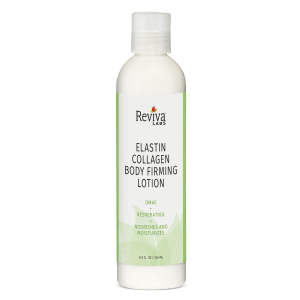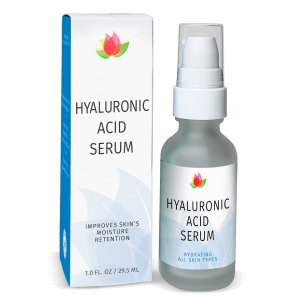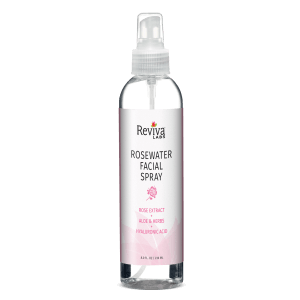

Ingredients, Natural, Reviva Labs
What Should I Avoid After Too Much Sun
May
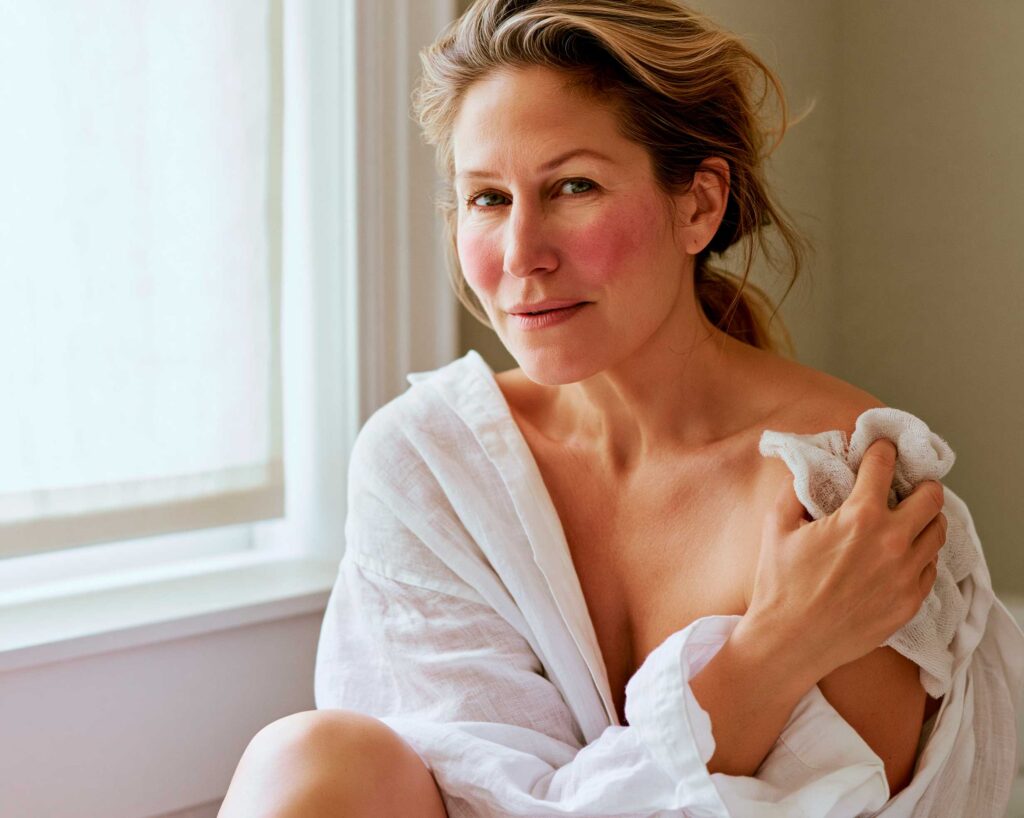
Too much sun has a way of making people suddenly ambitious. The skin feels tight, warm, dry, and angry, so the instinct is to do something big. Scrub it smooth. Slather on every cream in the bathroom. Use acids to “fix” the dullness. Apply a rich oil and hope it all settles by morning. I think this is where most people go wrong. After too much sun, your best skincare move is restraint.
Sun-stressed skin does not need a full routine. It needs a pause. It needs cool water, bland moisture, shade, and time. That advice sounds too simple, which is why people often ignore it. But skin dealing with excess UV exposure is already in a reactive state. It is not asking for transformation. It is asking you to stop adding friction.
The most important thing to avoid after too much sun is more sun. That sounds obvious, but it is the mistake people keep making. They burn on Saturday, wake up pink on Sunday, apply sunscreen, and go back out because the weekend is not over. Sunscreen helps reduce UV exposure, but it is not a permission slip for injured skin. If your skin is red, hot, stinging, swollen, or tender, you should act as though your skin has lost its patience with you. Stay inside when you can, seek shade when you cannot, and cover up with soft, loose clothing.
Skip the Scrub Mentality
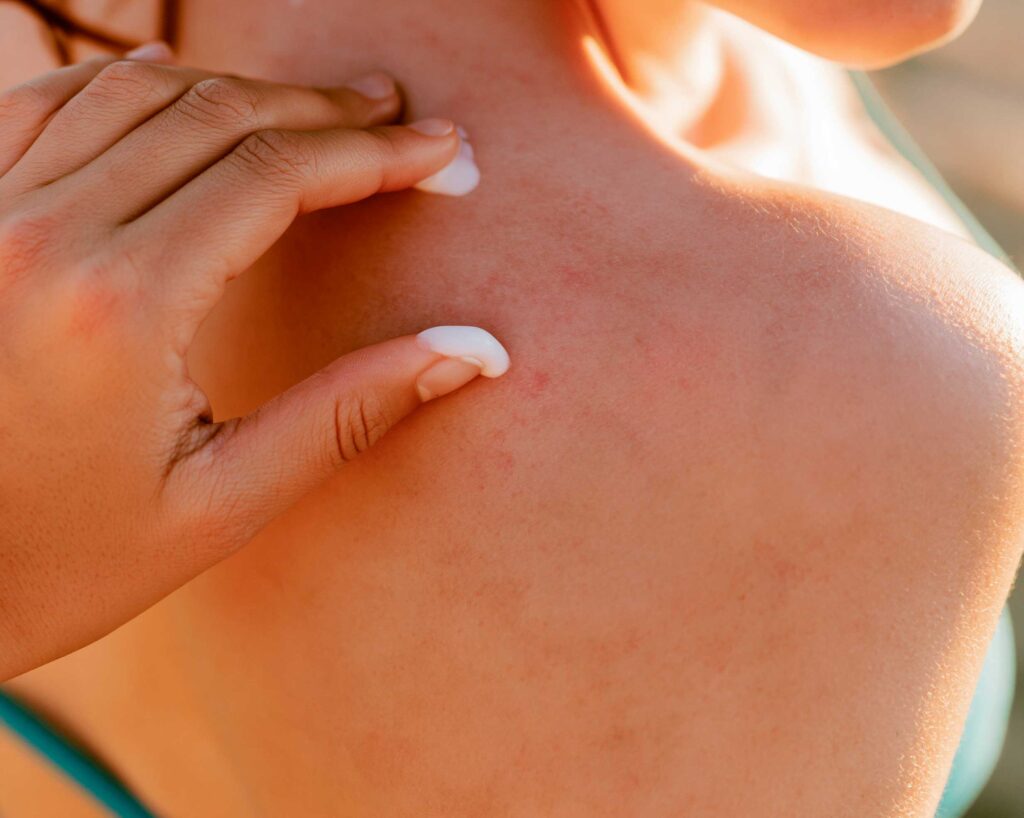
Avoid exfoliating after too much sun. This includes face scrubs, cleansing brushes, polishing pads, washcloth pressure, dry brushing, enzyme masks, glycolic acid, lactic acid, salicylic acid, retinoids, and at-home peels. I know the temptation. Sun-stressed skin often looks dull and uneven a few days later. It can feel rough. It can start peeling. That does not mean it needs help shedding. Peeling skin is not a project.
When skin peels after too much sun, it is already removing damaged surface cells. Scrubbing those cells away early can leave the skin more tender, more blotchy, and more prone to visible discoloration. It can also make a mild burn feel much worse. The better choice is boring care. Use a gentle cleanser or rinse with cool water. Pat, do not rub. Apply a plain moisturizer while the skin is still slightly damp. Repeat as needed.
This also means avoiding the “I’ll exfoliate the tan evenly” logic. A tan is a sign of UV response, not a finish to maintain. Once skin has had too much sun, the goal is not to perfect the color. The goal is to help the skin calm down and recover its comfort. Let unevenness settle naturally. You can return to exfoliation later, after redness, heat, tenderness, and peeling have passed.
For Reviva users, this is where I would pause glycolic products, retinol products, and stronger brightening products for a few days or longer. Not because they are bad products. Because timing matters. A good active on calm skin can become too much on sun-stressed skin. This is the same reason a trainer does not ask you to sprint on a sprained ankle.
Avoid Heat on Heat
Hot showers feel good for about three seconds after sun exposure. Then they punish you. Heat increases discomfort, strips surface lipids, and makes skin feel tighter. After too much sun, avoid hot showers, hot tubs, saunas, steam rooms, heated yoga, and long baths. Your skin is already warm and reactive. Adding more heat adds stress.
Cool showers make more sense. Keep them brief. Use a mild cleanser only where needed. Skip fragranced body washes and deodorizing soaps on burned areas. After you step out, pat skin gently and moisturize before the water fully evaporates. This one step can make a major difference in how tight your skin feels over the next several hours.
Also avoid ice directly on the skin. People often think ice is the strongest form of cooling, but direct ice can shock already stressed skin. A cool compress works better. Use a soft cloth dampened with cool water. Apply it for short intervals. Rewet as needed. The goal is comfort, not numbness.
Do Not Pick, Peel, or Pop
Peeling skin triggers bad behavior. People pull at it. They trim it. They rub it with towels. They try to “clean it up” before going out. Leave it alone. Peeling skin is fragile skin. Pulling at loose skin can remove attached skin along with it, creating raw patches and inviting irritation.
Blisters deserve even more restraint. Do not pop them. Blisters form as a protective response. Opening them increases the chance of discomfort, contamination, and delayed recovery. If blisters cover a large area, appear on the face or genitals, or come with fever, chills, dizziness, confusion, severe pain, or signs of infection, it is time to contact a healthcare professional. Too much sun can move from cosmetic concern to real injury quickly.
This is also where opinion matters. I do not think beauty culture talks plainly enough about burns. People often treat sunburn as an inconvenience, something to hide before dinner. But sunburn is visible injury from UV exposure. It deserves more respect than a rushed cover-up.
Avoid Fragrance and “Tingle” Products
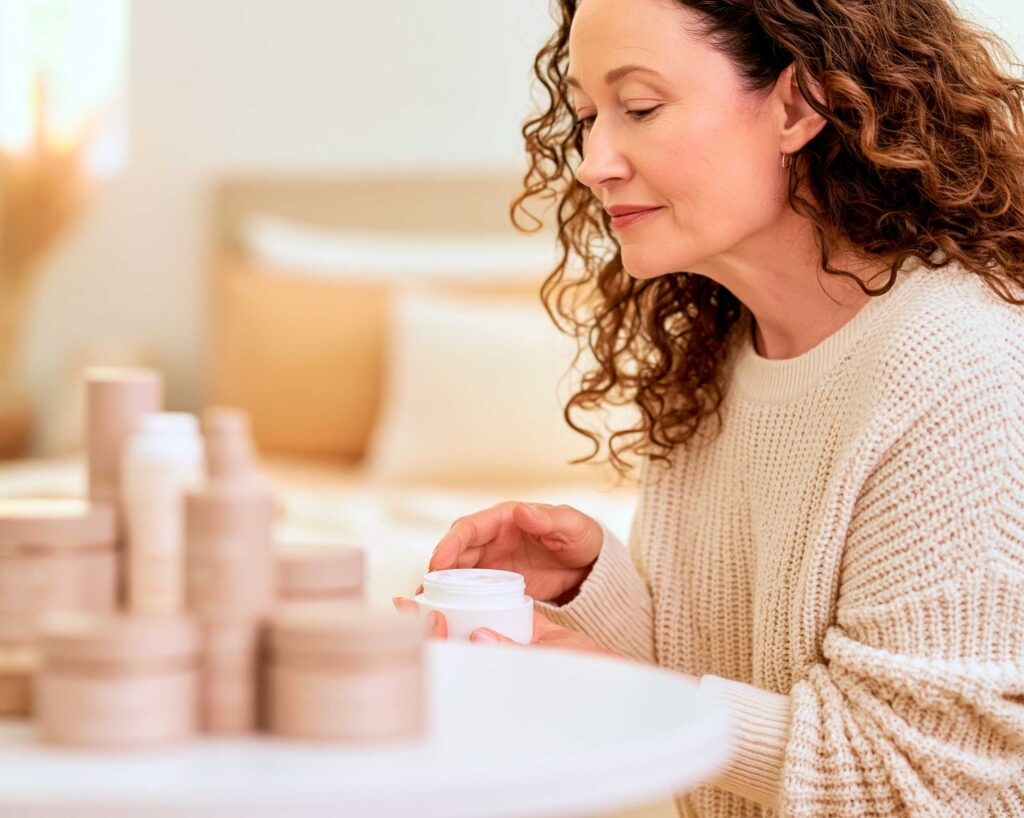
After too much sun, avoid products designed to tingle, cool aggressively, tighten, clarify, detox, resurface, or energize. Those words often signal ingredients or sensory effects your skin does not need right now. Menthol, camphor, strong essential oils, high fragrance loads, astringents, and alcohol-heavy formulas can feel refreshing at first, then leave skin more irritated.
The same goes for “natural” remedies with a burn risk of their own. Lemon juice, vinegar, toothpaste, baking soda pastes, and undiluted essential oils do not belong on sun-stressed skin. Natural does not mean gentle. Acidic kitchen fixes can sting. Essential oils can irritate. Toothpaste was made for teeth, not inflamed shoulders.
Aloe can be helpful for comfort, as long as the formula is simple and not loaded with alcohol or fragrance. A bland moisturizer with humectants and skin conditioners also makes sense. Ingredients like glycerin, hyaluronic acid, aloe, panthenol, allantoin, and simple emollients fit the moment well. Keep the routine small. Cleanse gently, cool the skin, moisturize, and protect from more UV exposure.
Pause Retinoids and Strong Actives
Retinoids, exfoliating acids, strong brighteners, and aggressive acne products should take a break after too much sun. This includes retinol, retinal, prescription tretinoin unless directed by your clinician, glycolic acid, lactic acid, mandelic acid, salicylic acid, benzoyl peroxide, peels, resurfacing masks, and strong dark spot treatments. These products have a place. Sunburned or overexposed skin is not the place.
Vitamin C sits in a more nuanced category. Many people use Vitamin C during the day as antioxidant support under sunscreen. On normal skin, that can be a smart routine. After too much sun, though, stinging matters. If your Vitamin C serum tingles, burns, or makes redness worse, pause it. You can restart once your skin feels normal again.
Bakuchiol and peptides also deserve judgment. They are often gentler than classic retinoids or acids, but “gentler” does not mean “always right.” If the skin is hot, tight, stinging, or peeling, even friendly actives can feel like too much. I would rather see someone miss three nights of an active than push through irritation and spend two weeks calming the skin back down.
Do Not Hide the Burn With Heavy Makeup
Makeup over a mild pink flush is one thing. Makeup over hot, tender, peeling, or blistered skin is another. Avoid heavy foundation, long-wear formulas, mattifying primers, drying powders, and aggressive makeup removal after too much sun. The application can irritate. The wear can feel tight. The removal can do the most damage.
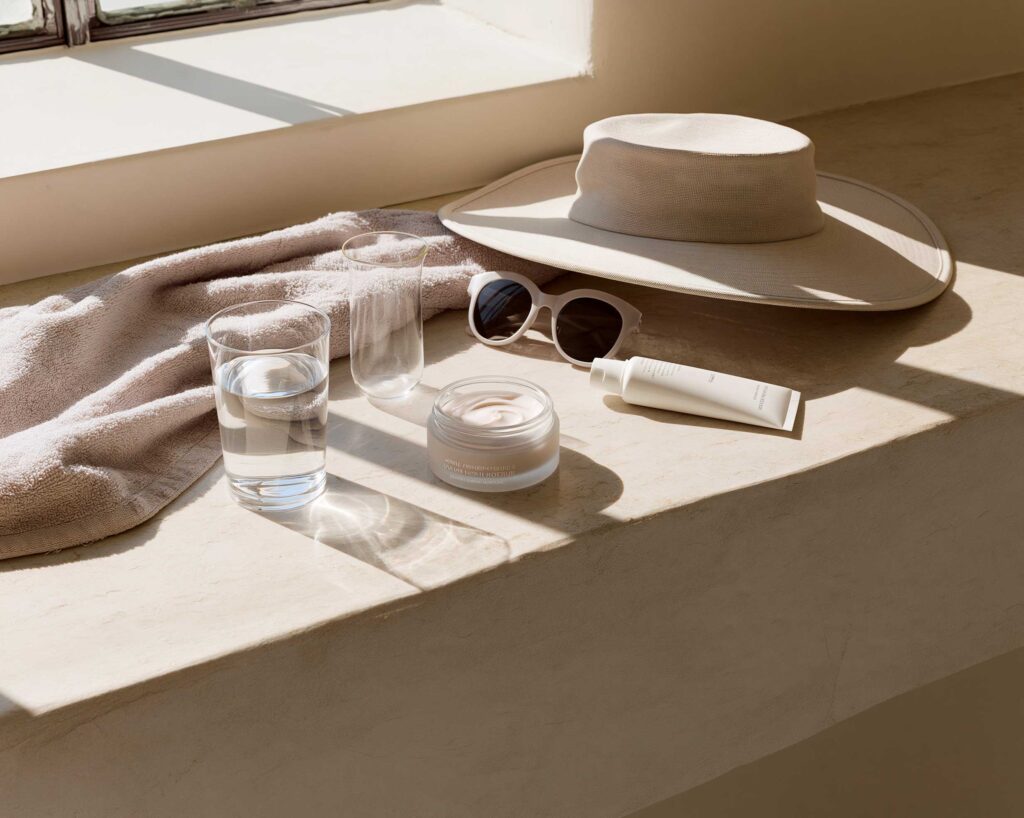
If you need coverage, keep it minimal. A gentle mineral sunscreen, a soft hat, sunglasses, and shade do more for your skin than a full face of corrective makeup. If you must apply makeup, use light layers and remove them with care. No rubbing. No cleansing brushes. No exfoliating wipes.
This is also a good time to avoid waxing, threading, dermaplaning, shaving over burned areas, and facial treatments. Skin under sun stress does not need extra trauma. Cancel the peel. Delay the facial. Reschedule the wax. Give your skin a clean window to settle.
Avoid Dehydration and Alcohol
After too much sun, avoid treating the problem only from the outside. Sun exposure often comes with heat, sweating, salt water, pool water, and long hours outdoors. You can end the day with thirsty skin and a thirsty body. Drink water. Eat normally. Replace fluids. Alcohol can make dehydration worse, so it is not your friend after a long sun day.
This does not mean water will “heal” a burn overnight. It will not. But dehydration makes everything feel worse. Headaches, fatigue, tight skin, and that drained post-sun feeling all become more noticeable when fluid intake lags. Skin recovery works better when the body is not also dealing with a hydration deficit.
Sleep matters too. Avoid the late-night routine audit where you stand in the bathroom mirror and decide your skin needs five corrective steps before bed. Cleanse gently if needed. Cool. Moisturize. Sleep. The next morning, reassess.
Avoid the Myth of the Base Tan
One of the most stubborn ideas in sun care is the base tan. People still believe a little color protects them from future burns. I think this is one of the more damaging beauty myths because it turns visible UV response into a goal. A tan is not armor. It is your skin reacting to UV exposure.
After too much sun, do not try to “even it out” with more sun. Do not use tanning beds. Do not chase a darker tan because the first burn looks patchy. That thinking stacks damage on top of damage. If you want warmth or color, wait until the skin is calm, then use a sunless tanner carefully. Even then, remember sunless color does not protect you from UV rays unless the product includes properly applied sunscreen, and even sunscreen needs reapplication.
The better habit is boring but effective. Avoid peak sun when possible. Wear UPF clothing, hats, and sunglasses. Apply broad-spectrum sunscreen generously. Reapply when outdoors, especially after sweating or swimming. Use shade as a tool, not as your only defense. Your future skin will thank you for the discipline you practice now.
What to Do Instead
After too much sun, simplify. Get out of the sun. Cool the skin with cool showers or compresses. Moisturize often with a gentle formula. Drink water. Wear soft, loose fabrics. Avoid friction. Avoid heat. Avoid active skincare until your skin feels calm again. If pain is significant, blisters are severe, or you feel sick, contact a healthcare professional.
Once the skin returns to normal, rebuild slowly. Start with a gentle cleanser, moisturizer, and sunscreen. Then add antioxidants or hydrating serums. Wait before bringing back retinoids, acids, or brightening treatments. If your skin stings when you reintroduce something, back off again. Skin gives feedback. Listen early.
My opinion is simple: after too much sun, the smartest routine is the least impressive one. You do not need a recovery ritual with ten steps. You need fewer variables. You need patience. You need to stop turning every skin event into an opportunity for correction. Sometimes skincare works best when it gets quiet.
Frequently Asked Questions
What should I put on my skin after too much sun?
Start with cool water, then use a gentle moisturizer while skin is slightly damp. Look for simple comfort-focused ingredients such as aloe, glycerin, panthenol, hyaluronic acid, allantoin, or basic emollients. Avoid fragrance-heavy products, scrubs, acids, retinoids, and anything designed to tingle. If your skin feels hot or tender, repeat cool compresses and moisturize often. If you have severe blistering, fever, chills, dizziness, or worsening pain, contact a healthcare professional.
How long should I avoid exfoliating after too much sun?
Wait until the skin looks and feels normal again. That means no redness, heat, tenderness, peeling, stinging, or tightness. For a mild overexposure, this might be several days. For a more serious burn, it can take longer. Do not rush back into glycolic acid, lactic acid, salicylic acid, scrubs, cleansing brushes, or peel masks. When you restart exfoliation, use a lower frequency than usual and watch for stinging or renewed redness.
Can I use retinol after too much sun?
Pause retinol after too much sun, especially if your skin feels warm, tight, tender, or irritated. Retinol can be useful in an anti-aging routine, but timing matters. On sun-stressed skin, it can increase discomfort and dryness. Wait until the skin barrier feels steady again, then restart slowly at night. Use sunscreen during the day, since retinoids and sun exposure are a poor pairing.
Is aloe enough after sun exposure?
Aloe can help skin feel cooler and more comfortable, but it is not always enough by itself. Many people need a moisturizer too, since sun-stressed skin often feels dry and tight. Choose an aloe product without a heavy alcohol or fragrance load. If your skin still feels tight after aloe, layer a gentle moisturizer over it. If symptoms look severe or spread, treat the issue as more than a cosmetic problem.
Should I cover sunburn with makeup?
Avoid heavy makeup over hot, peeling, blistered, or painful skin. It can irritate during application and removal. If you need to look more polished, use minimal coverage and remove it gently. A hat, sunglasses, shade, and soft clothing often work better than trying to conceal irritated skin. Once the skin calms down, makeup becomes less likely to create more discomfort.
References and sources
- American Academy of Dermatology Association, “How to treat a sunburn,” updated May 2024. (American Academy of Dermatology)
- Centers for Disease Control and Prevention, “Sun Safety Facts,” updated February 10, 2026. (CDC)
- CDC NIOSH, “Sun Exposure at Work,” updated March 4, 2026. (CDC)
- Skin Cancer Foundation, “Sunburn” and “UV Radiation & Your Skin.” (skincancer.org)
- National Cancer Institute, Cancer Trends Progress Report, “Sunburn.” (progressreport.cancer.gov)