
Ingredients, Natural, Reviva Labs, Skin Care
Why Your Lips Need More Than a Balm and What a Real Lip Care Routine Looks Like
Jun
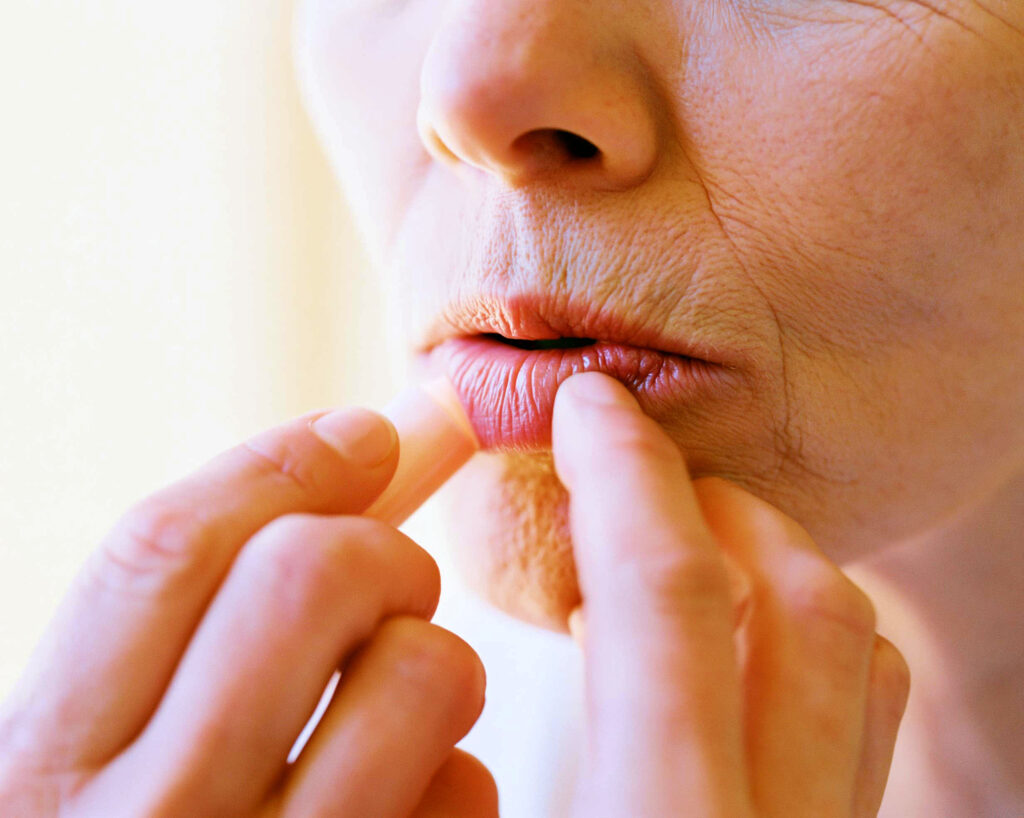
The protective outer layer of your lips runs only about three to five cell layers thick, while the same barrier across the rest of your face stacks roughly fifteen to twenty cells deep. That single structural fact, documented by skin scientists studying lip anatomy, explains why your lips chap before your cheeks ever feel tight. Most of us treat lips as an afterthought, reaching for a tube of balm only after the damage has already set in. We swipe, we forget, and we wonder why the dryness keeps coming back week after week. The truth is that lips work harder and protect themselves less than almost any other part of the face, and they deserve a plan rather than a panic response.
I have watched people build elaborate routines for every inch of their face and then ignore the one feature that sits front and center in every photo and every conversation. Lips eat, drink, speak, kiss, and brave the weather all day long, yet they carry none of the built-in defenses that the surrounding skin relies on. They have no oil glands and no sweat glands, which means they cannot self-lubricate the way the rest of your face does. A balm alone treats the symptom of dryness for a few minutes, but it rarely addresses the reasons your lips lost moisture in the first place. A real routine works differently because it prepares, treats, and protects rather than simply patching over discomfort.

What Makes Lip Skin So Different From the Rest of Your Face
Lip skin is genuinely a category of its own, not just a thinner version of cheek skin. The vermilion, which is the colored part of your lips, is covered by a delicate layer that lacks the dense protective architecture found elsewhere on the body. Because that outer barrier is so thin, the small blood vessels underneath show through, which is exactly why lips look pink or red in the first place. This thinness also means water escapes far more easily, a process skin scientists call transepidermal water loss, and lips lose hydration faster than the areas around them. When you feel that familiar tightness or see flaking by midafternoon, you are watching this rapid moisture loss play out in real time.
The absence of oil and sweat glands compounds the problem in a way that catches many people off guard. Across most of your face, sebaceous glands release a thin film of natural oils that seals in moisture and shields against the environment. Your lips receive none of that support, so they depend entirely on whatever you apply and on the products that follow. Ceramides, the lipid molecules that act like mortar between skin cells, are also present in lower amounts on the lips than on other parts of the body. That shortage of natural sealing lipids is one of the central reasons lips struggle to hold onto water, and it is a reason a single balm cannot solve everything on its own.
Age and environment add further pressure to an already vulnerable area. As the years pass, lips can lose volume and definition while the surface becomes more prone to fine lines and roughness. Sun exposure, wind, indoor heating, air conditioning, and even the simple habit of licking your lips all strip moisture and disturb the surface. People who spend time outdoors or live through harsh seasonal swings often notice their lips suffer first and recover last. None of this is a flaw in your habits, it is simply the nature of skin that was built for sensitivity rather than armor. Once you accept that lips are high maintenance by design, the case for a structured routine becomes much easier to see.
Why a Single Balm Falls Short
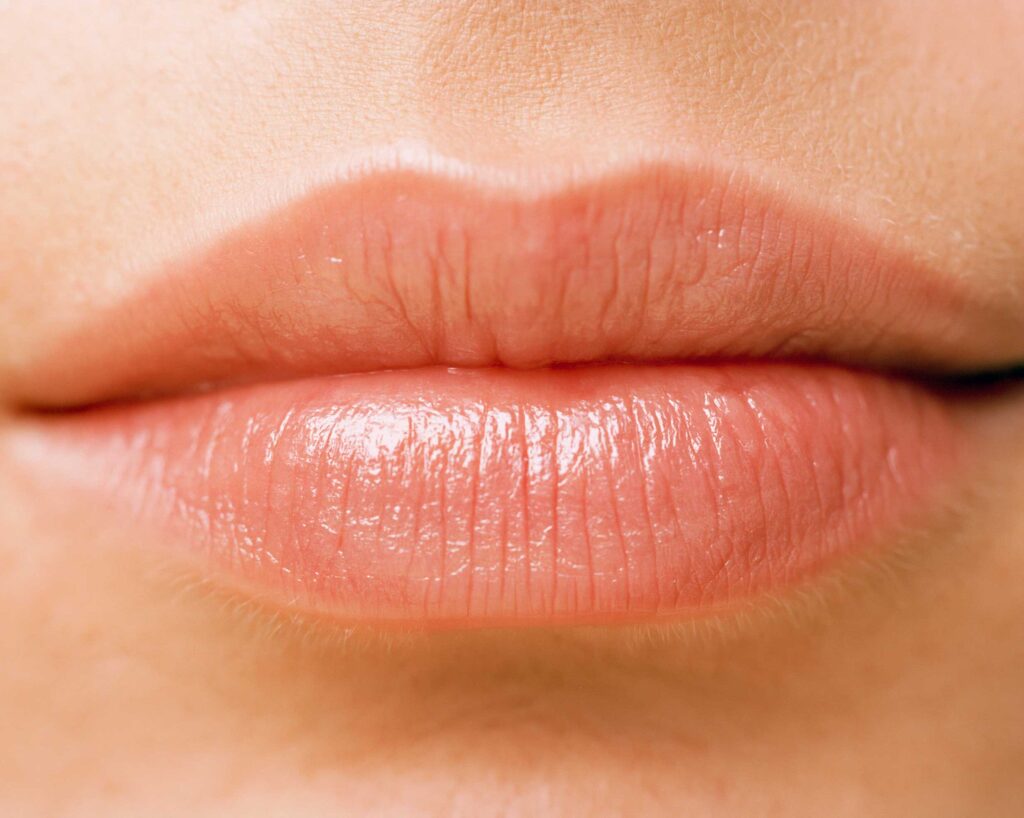
Balm has earned its place as the most familiar lip product on the shelf, and there is nothing wrong with using one. The problem arises when balm becomes the entire strategy rather than one piece of a larger plan. A typical balm sits on the surface and slows moisture loss for a window of time, which feels good and provides genuine short-term comfort. What it cannot do is smooth away the dry, flaky buildup that already clings to the lip, and it cannot rebuild softness from deeper within the surface. Applying balm over rough, congested lips is a bit like painting over a wall you never sanded, because the result looks fine for an hour and then reveals every imperfection underneath.
There is also the matter of how often balm gets reapplied and what that pattern signals. If you find yourself reaching for the tube every twenty minutes, your lips are telling you that the underlying dryness has never actually been resolved. Constant reapplication can become a loop where lips feel dependent on the product yet never reach a stable, comfortable baseline. Some people even develop a habit of licking before applying, which introduces saliva that evaporates and pulls away even more moisture. A thoughtful routine breaks that loop by treating the cause, so the lips need less frequent rescue throughout the day.
Texture is the piece that balm alone simply cannot manage, and texture is where most lip frustration begins. Dead surface cells accumulate on the lips just as they do everywhere else, but because the lip barrier is so thin, that buildup shows quickly as flaking and dullness. When that layer sits undisturbed, balms and treatments have a harder time settling in and doing their work. Lipstick and tinted products also catch on the rough patches, which is why color can look uneven or cakey on lips that have not been smoothed. Addressing texture first changes how every other step performs, and that is the gateway to a routine that delivers more than fleeting comfort.

The Case for Preparing Your Lips First
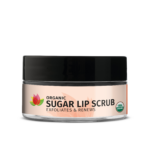
Preparation is the step most people skip, and it is the one that quietly determines how well everything else works. Gentle exfoliation removes the dry, loose surface cells that block hydration and dull the lip surface. The goal here is softness, not aggression, because the lip barrier is far too thin to withstand harsh scrubbing or rough tools. A fine, sugar-based polish cushioned with nourishing oils smooths the surface while conditioning at the same time, so lips feel comfortable rather than stripped. Used once or twice a week, this kind of preparation creates a clean, even canvas that lets treatments absorb and color apply far more smoothly.
The reasoning behind exfoliation goes beyond appearance, though the cosmetic payoff is immediate and satisfying. When you clear away the buildup, the products you apply afterward make better contact with the lip surface and stay where you want them. People who add a weekly polish often report that their lips simply feel better between applications, with less of that papery, tight sensation. This step also gives you a moment to notice the condition of your lips and adjust your routine before small dryness becomes a bigger problem. Think of it as the foundation of the whole plan, because preparation is what turns a collection of products into an actual routine.
Frequency matters here, and more is not better when it comes to a part of the face this delicate. Once or twice a week is plenty for most people and overdoing it can leave lips feeling raw rather than refreshed. The right time to exfoliate is usually before a treatment step or before applying a long wearing lip color, so the smoothing effort pays off immediately. Pairing gentle exfoliation with a conditioning product afterward locks in the benefit and prevents the lips from feeling exposed. This rhythm of prepare and protect is the heartbeat of a lip routine that actually holds up over time.
Treating Your Lips While You Sleep
Nighttime is when your skin does its quiet recovery work, and your lips are no exception to that pattern. While you sleep, you are not eating, drinking, talking, or reapplying anything, which makes those hours the ideal window for a richer treatment to settle in undisturbed. An overnight lip mask is formulated to be heavier and more cushioning than a daytime balm, creating a flexible, moisture rich layer that works across the entire night. Ingredients such as plant waxes, ceramides, and nourishing oils help soften rough texture and support the lip barrier so it holds hydration more effectively. Many people wake up to lips that feel noticeably more cushioned and comfortable, and the difference is most striking after a stretch of cold or dry weather.
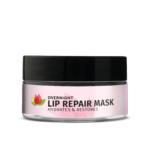
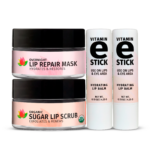
The science behind overnight treatment connects directly to that thin barrier and missing lipid supply discussed earlier. Because lips lack their own oils and carry fewer ceramides, supplying those elements topically while the skin rests can make a meaningful difference in comfort. A mask that melts onto the lips rather than sitting as a rigid coating feels comfortable enough to wear to bed without distraction. Over consistent nights, this kind of barrier support helps lips retain moisture better during the demanding daytime hours. The Overnight Lip Repair Mask from Reviva Labs is one example of a treatment built specifically for this role, designed to surround the lips in lasting moisture while you sleep.
Consistency is what unlocks the full benefit of any nighttime step, and lips reward routine more than sporadic effort. A single night of treatment feels nice, but the real change shows up when treatment becomes a regular part of how you end your day. Layering an overnight mask after gentle exfoliation, when appropriate, gives the treatment a smooth surface to work on and amplifies the result. This is also a low effort habit to maintain, because it asks nothing of you beyond a quick application before bed. For anyone who struggles to find time for elaborate routines, the overnight step offers a large return for a very small investment of attention.
Daily Protection and the Habits That Support It
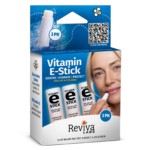
Daytime is about defense, and this is where a quality balm earns its keep as part of a larger system. Once your lips are smooth and well-treated, a daily protective layer helps lock in that comfort and shields against the elements you face throughout the day. A beeswax-based balm with conditioning ingredients like shea butter, vitamin E, and allantoin soothes and helps lips retain their own moisture without relying on petroleum-based ingredients. The Vitamin E-Stick from Reviva Labs has filled this role for decades, offering comfortable daily moisture for dry, exposed lips. The point is that protection works best when it sits on top of prepared, treated lips rather than carrying the entire burden alone.
Sun protection deserves a place in this conversation because lips are often forgotten when people apply sunscreen. The same thin, sensitive surface that loses moisture quickly is also exposed to ultraviolet light every time you step outside. Wind and cold create their own stress, drawing moisture out and leaving lips raw, which is why outdoor enthusiasts and winter commuters tend to notice problems first. Reapplying protection after eating or drinking helps maintain that barrier across a long day. Small, consistent acts of defense add up to lips that stay comfortable instead of swinging between dryness and rescue.
Daily habits beyond products shape your results more than most people realize. Drinking enough water supports hydration from the inside, even though topical care does the heavy lifting on the surface. Resisting the urge to lick or bite your lips prevents the moisture loss and irritation that those habits quietly cause. Breathing through your nose rather than your mouth, when possible, reduces the drying effect of constant airflow across the lips. Paying attention to indoor air, especially during heating and cooling seasons, can spare your lips a great deal of stress. These habits cost nothing and they make every product in your routine work better.
Building a Routine That Fits a Real Life
The best routine is the one you will actually follow, so simplicity beats ambition every time. A workable lip plan rests on three ideas that mirror what you already do for the rest of your face, which are preparing the surface, treating it deeply, and protecting it daily. Gentle exfoliation once or twice a week handles preparation without demanding much time. An overnight treatment a few nights a week, or nightly during harsh weather, covers the treatment piece while you sleep. A daily protective balm carries you through your waking hours, and together these steps create a rhythm that feels natural rather than burdensome.
You do not need to overhaul everything at once, and gradual adoption tends to stick better than dramatic change. Start by adding the one step you are missing, which for most people is either exfoliation or an overnight treatment. Give your lips a few weeks to respond, because skin improvement is rarely instant and lips need time to rebuild softness. Notice how your lips feel between applications, since a longer stretch of comfort is the clearest sign your routine is working. Adjust the frequency of each step to match your environment, your season, and your own lips rather than following a rigid script.
Seasonal awareness keeps your routine relevant as conditions change throughout the year. Winter often calls for more frequent overnight treatment and more diligent daytime protection, because cold air and indoor heating are relentless. Summer brings sun exposure and air conditioning, both of which quietly pull moisture from already vulnerable lips. Travel, especially flying, exposes lips to dry cabin air that can undo days of careful care in a single trip. By staying attentive to what your lips face, you can scale your routine up or down without abandoning it entirely, and that flexibility is what makes a lip care plan sustainable for the long run.

What This Means for You
Lips ask very little of us in terms of time, yet they give back a great deal of comfort and confidence when they are cared for properly. A balm by itself was never built to handle the full range of stress that lips endure and expecting it to do everything sets you up for the same recurring frustration. When you prepare the surface, treat it while you rest, and protect it through your day, you finally address the reasons lips struggle rather than chasing the symptoms. The structural realities of thin skin, missing oil glands, and lower ceramide levels are not going to change, but your approach to them can. Building a real lip care routine is one of the simplest upgrades you can make to your daily skincare, and your lips will show the difference in softness, comfort, and a healthier looking finish.
Frequently Asked Questions
How often should I exfoliate my lips?
For most people, gentle exfoliation once or twice a week is enough to smooth away dry surface buildup without stressing the delicate lip barrier. Because lip skin is so thin, scrubbing too often or too aggressively can leave lips feeling raw rather than soft. A fine, sugar-based polish cushioned with nourishing oils is gentler than coarse or abrasive options. The best time to exfoliate is before applying a treatment or a long wearing lip color, so the smoothing effort pays off right away. If your lips ever feel sensitive, scale back and give them time to recover before exfoliating again.
Is a balm still useful if I have a full lip routine?
Yes, a daily protective balm remains an important part of the plan, it simply works better as one step among several rather than as the whole strategy. Balm shines as daytime defense, sealing in comfort and shielding lips against wind, cold, and dry air after they have been prepared and treated. The difference is that you will likely find yourself reaching for it less often, because your lips are no longer fighting unresolved dryness. A balm with conditioning ingredients like beeswax, shea butter, and vitamin E offers soothing daily moisture. Think of balm as protection layered on top of a smooth, well treated surface.
Why do my lips get chapped even when I use balm constantly?
Constant reapplication usually signals that the underlying dryness has never truly been addressed, so the balm only provides brief relief before the discomfort returns. Lips lack oil and sweat glands and carry fewer ceramides than other skin, which means they lose moisture quickly and cannot self-lubricate. Layering balm over dry, flaky buildup also limits how well it can work. Habits like licking or biting your lips pull away even more moisture and keep the cycle going. Adding exfoliation and an overnight treatment helps break that loop so your lips reach a stable, comfortable baseline.
Can I use a regular face moisturizer on my lips instead of a dedicated lip product?
Face moisturizers are formulated for skin that has its own oil glands and a thicker protective barrier, so they are not designed for the unique needs of lips. Lip products tend to be richer and more occlusive because lips lose water faster and have no natural oils to seal it in. A dedicated overnight lip mask, for example, is built to cushion and support the thin lip barrier through the night. Using the right product for the area gives you better, more comfortable results. Lips really do perform best with care made specifically for them.
How long does it take to see results from a real lip care routine?
Most people notice an immediate improvement in smoothness right after exfoliation, and morning softness after an overnight treatment is often apparent on the first use. Lasting change, meaning lips that stay comfortable for longer stretches without constant rescue, usually develops over a few weeks of consistent care. Skin improvement is rarely instant, and lips need time to rebuild softness and a healthier surface. Staying consistent matters far more than any single dramatic effort. Pay attention to how long your lips feel comfortable between applications, because that growing window is the clearest sign your routine is working.
Do lips need protection from the sun?
Lips are exposed to ultraviolet light every time you go outside, yet they are one of the most commonly forgotten areas during sunscreen application. Their thin, sensitive surface and lack of natural defenses make them vulnerable to sun, wind, and cold alike. Applying a protective lip product before heading outdoors, and reapplying after eating or drinking, helps maintain comfort throughout the day. Outdoor activity and harsh seasonal weather increase the need for that protection. Building daily defense into your routine keeps your lips comfortable rather than swinging between dryness and damage control.
References and Sources
- Skin Inc. The Anatomy of Healthy Lips. https://www.skininc.com/science/physiology/article/22874864/the-anatomy-of-healthy-lips
- Tagami, H. Location related differences in structure and function of the stratum corneum with special emphasis on those of the facial skin. International Journal of Cosmetic Science, 2008. PubMed. https://pubmed.ncbi.nlm.nih.gov/19099543/
- Journal of Clinical and Aesthetic Dermatology. Effect of Race on Lower Lip Hydration. https://jcadonline.com/effect-race-lower-lip-hydration/