
Reviva Labs, Skin Care, Team Favorites
The Ingredients That Repair and Nourish Dry Chapped Lips
Jun
The skin on your lips is not built like the skin on your face. The vermilion of the lips has only three to five cellular layers, while typical facial skin has about sixteen. That one detail explains why lips crack faster, sting sooner, and look rough long before the rest of your face feels dry. Lips have less built-in backup. They need barrier support, water-binding ingredients, softening oils, and protection from the everyday habits that keep breaking them down.
Dry, chapped lips seem simple at first. You feel tightness, reach for lip balm, reapply, repeat, and wonder why the problem keeps coming back. The answer usually sits in the difference between coating lips and caring for them. A waxy layer alone can reduce water loss for a while, but if the lips are already rough, cracked, or irritated, they need more than a surface seal. They need ingredients that help soften dry flakes, calm discomfort, support the barrier, and keep moisture where it belongs.
This matters because lip care sits between skincare and body care. Your lips are exposed to wind, cold, sun, saliva, toothpaste, food, drinks, and every lip product you apply. They also move all day when you speak, smile, eat, drink, and breathe. A good lip formula must stay flexible, comfortable, and protective. The best ingredients do not rely on one trick. They work together in layers, and each layer has a role.

Why Lips Get Dry So Fast
Lips dry out faster because they lack many of the support systems found in regular skin. They have no sebaceous glands across the vermilion area, so they do not produce the same natural oil film found on much of the face. Without that oil film, water leaves the surface more easily. Cold weather, dry indoor heat, air conditioning, sun exposure, and frequent lip licking all make the problem worse. Once the surface starts to split, even gentle products can sting.
Lip licking creates one of the most common cycles. It feels helpful for a few seconds because saliva wets the surface. Then the saliva evaporates, which pulls more moisture away. Enzymes in saliva can also irritate already fragile lips. The result is familiar. Lips feel dry, you lick them, they feel drier, and the cycle keeps going.
Chapped lips also get worse when people use products that feel active in the wrong way. Tingling, cooling, or burning does not mean a lip product is working. It often means the formula is irritating compromised skin. Menthol, camphor, strong mint flavors, cinnamon flavoring, certain fragrances, and some exfoliating acids can all make chapped lips feel worse. When lips are cracked, they need quiet care, not stimulation.
The best lip care starts by removing friction. Stop picking flakes. Stop scrubbing cracked skin. Stop using lip products that sting. Then rebuild comfort with ingredients that fit into three groups. Humectants draw water to the surface. Emollients soften and smooth. Occlusives create a flexible seal to reduce water loss. A strong formula often includes all three.
Humectants Bring Water Back to the Surface
Humectants help lips feel less tight because they bind water. Glycerin, hyaluronic acid, sodium PCA, panthenol, honey, and some sugar-derived ingredients fit into this group. They work best when paired with oils, butters, waxes, or occlusive ingredients because water-binding ingredients need a seal over them. Without a protective layer, humectants alone can feel good at first and then leave lips wanting more.
Glycerin is one of the most dependable humectants in skincare. It draws water into the outer surface and helps improve softness. On lips, glycerin works especially well in formulas that also include waxes, oils, or butters. It does not need to be trendy to be useful. It earns its place because it is proven, simple, and effective.
Hyaluronic acid can also help lips look smoother because it binds water at the surface. It works best in lip treatments designed to trap that hydration rather than evaporate. A hyaluronic product under a richer balm can help lips feel more cushioned. The key is layering. Water-binding ingredients need protection, especially on lips exposed to wind, cold, and dry rooms.
Panthenol, also known as provitamin B5, adds another helpful layer. It supports skin comfort and helps improve the feel of dry, rough areas. For lips that feel tender, panthenol can make a formula feel more nurturing. It does not replace waxes or oils, but it works well beside them. Think of it as a comfort ingredient that helps make hydration feel more complete.

Emollients Soften Roughness and Improve Flexibility
Emollients make dry lips feel smoother by filling in surface gaps and softening rough texture. Plant oils, fatty alcohols, esters, butters, and lipid-rich ingredients can all serve this purpose. Lips need emollients because cracked skin loses flexibility. When dry lips move, the surface splits more easily. Softening ingredients help the surface bend instead of break.
Shea butter is one of the most useful emollients for dry lips. It contains fatty acids that help soften and comfort rough skin. It also gives lip formulas a creamy, cushiony feel. Shea butter works well in balms, masks, sticks, and overnight treatments because it adds richness without needing a heavy greasy finish. For people who dislike thin balms, shea butter often feels more substantial.
Mango butter works in a similar direction. It has a smooth texture and helps condition dry lips. It brings body to a balm and helps reduce the brittle feel that makes lips split. In a well-balanced formula, mango butter adds softness without making the product feel waxy. That matters because people use lip products more consistently when the texture feels comfortable.
Castor seed oil deserves special attention. It has a naturally glossy, cushiony feel and gives lip products staying power. It can soften rough lips and help create a smooth surface without relying only on wax. Many lip products use castor oil because it helps formulas glide and cling. For cracked lips, that cling matters because frequent reapplication often comes from formulas wearing away too fast.
Jojoba oil is another strong choice. Technically a liquid wax ester, it feels lightweight but still conditions well. It helps soften lips without a heavy coating. Jojoba also pairs well with richer butters, which gives formulators flexibility. In lip care, balance matters because too much heavy oil can slide, while too much wax can drag.
Waxes Create a Flexible Protective Seal
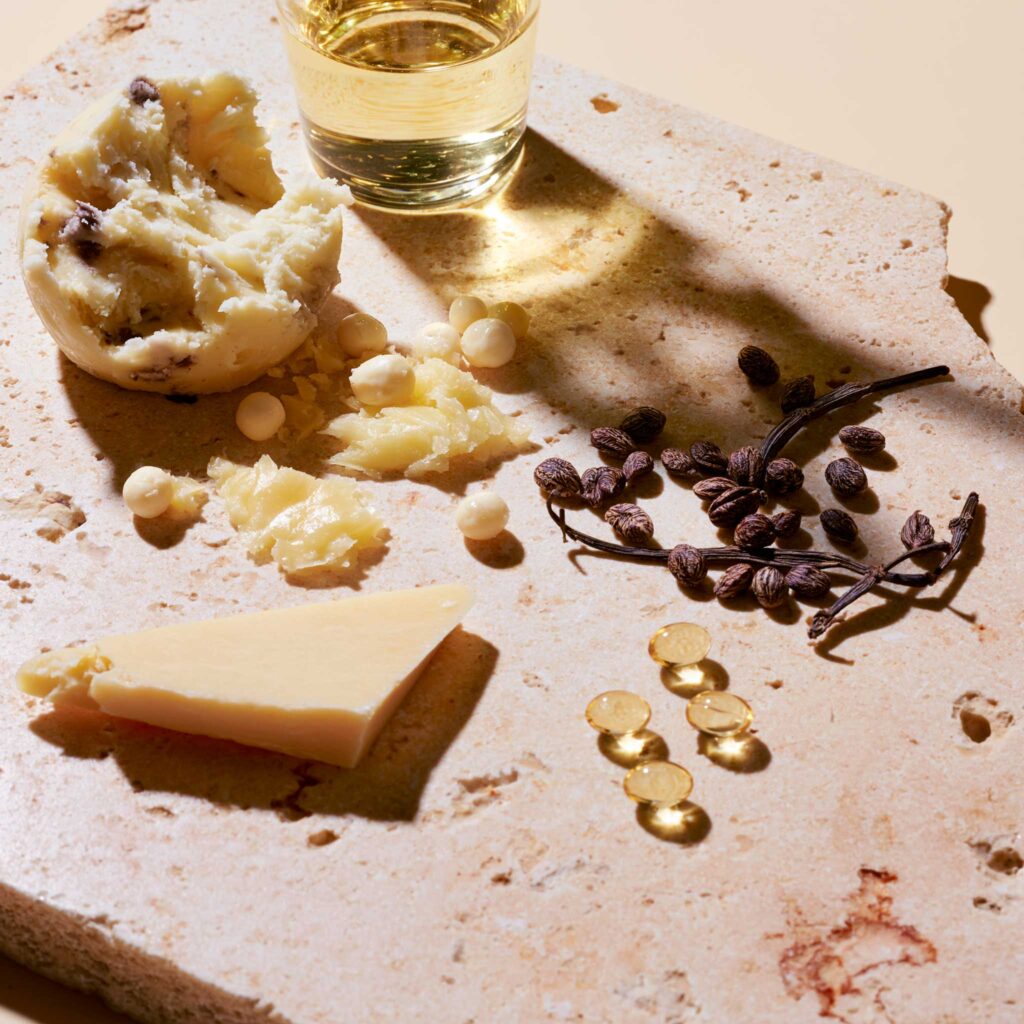
Waxes help lip products stay in place. Beeswax, candelilla wax, carnauba wax, sunflower wax, and other plant waxes help form a thin protective film. This film reduces water loss and shields lips from dry air. It also gives a lip balm structure, which matters for sticks and solid treatments. A good wax system feels protective, not stiff.
Beeswax has a long history in lip care because it combines structure, softness, and barrier support. It helps a balm remain on the lips longer and adds a natural cushion. Beeswax works especially well with oils and butters because it holds them together in a stable form. It also creates a familiar balm texture many people like. For dry lips, that texture can encourage steady use.
Candelilla wax is a plant-derived wax often used in natural lip formulas. It creates a firmer structure and helps a product resist melting. It can also add a smooth, protective finish. Candelilla works well when paired with softer ingredients like shea butter, castor oil, or jojoba oil. It supports the barrier role without turning the formula into a hard coating.
Carnauba wax adds durability and heat resistance. In lip care, it is often used in smaller amounts because it is harder than many other waxes. It can help a product hold shape and improve wear. The best formulas use waxes as part of a blend, not as the whole story. Lips need protection, but they also need softness underneath.
Occlusives Help Stop the Moisture Leak
Occlusives reduce water loss by forming a protective layer on the surface. Petrolatum, mineral oil, dimethicone, lanolin, waxes, and some heavier esters can all play this role. Some consumers prefer petrolatum-free lip care, while others rely on petrolatum for severe dryness. The principle stays the same. When lips are chapped, they need a seal that slows water loss long enough for comfort to return.
Dimethicone can be useful because it forms a breathable-feeling protective film. It gives a smooth finish and helps reduce friction. For lips that crack at the corners or feel raw from repeated movement, reducing friction can help. Dimethicone also works well in formulas for sensitive skin because it often feels silky and non-stinging. The main benefit is surface protection.
Lanolin is rich and effective for many people, but it can irritate some sensitive lips. This makes it a personal-fit ingredient. If you tolerate it, lanolin can feel deeply comforting and long-lasting. If your lips itch, burn, or become more inflamed after using it, stop. Lip care should make irritation quieter, not louder.
Caprylic capric triglyceride is another useful ingredient in lip care. It is a lightweight emollient derived from fatty acids, and it helps reduce dryness by softening the surface. It gives slip without the greasy heaviness some oils bring. It also pairs well with waxes and butters. This makes it a practical base ingredient in many lip treatments.
Barrier Support Ingredients Matter More Than People Think
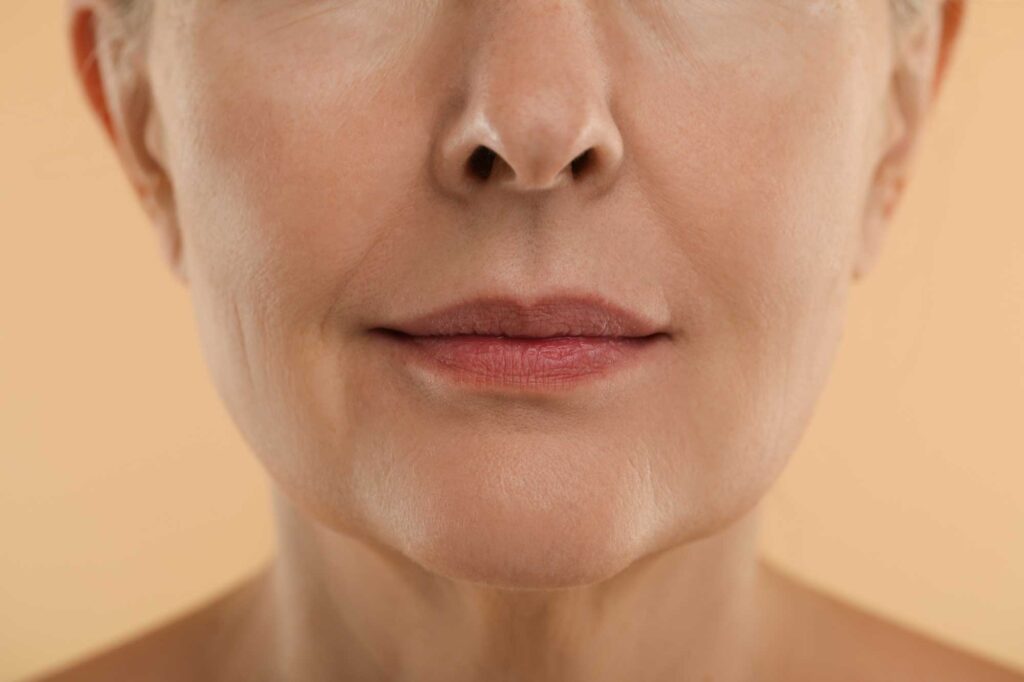
Chapped lips are not only dry. They are barrier stressed. That means the outer layer has become less able to hold water and less able to tolerate irritants. Barrier support ingredients help bring the surface back toward comfort. Ceramides, fatty acids, cholesterol-like lipids, plant oils rich in linoleic acid, and soothing agents all help this process.
Ceramides are especially relevant because they support the lipid structure of the skin barrier. On the lips, ceramides can help reinforce the surface and improve comfort. They are not instant magic, but they fit the problem well. Dry, cracked lips need more than shine. They need support for the thin outer layer that keeps water in and irritants out.
Hemp seed oil brings fatty acids that can help nourish the skin surface. It is often used for dry or stressed skin because it feels conditioning and soothing. On lips, hemp seed oil works best when combined with waxes or butters to improve staying power. It adds lipid support and helps improve softness. This makes it a smart option for lip masks and richer balms.
Sunflower seed oil and safflower seed oil can also support a dry skin barrier because they contain linoleic acid. Linoleic acid is an important fatty acid linked to barrier function. These oils feel lighter than some heavier plant oils, which can make them useful in everyday lip products. They help soften without making lips feel coated in a thick film.
Olive oil, sweet almond oil, and avocado oil bring richer emollient care. They can soften rough texture and improve comfort. Sweet almond oil often feels elegant in lip formulas because it glides easily. Olive oil brings a heavier nourishing feel. Avocado oil adds richness and works well in overnight treatments.
Soothing Ingredients Help Calm the Sting
Dry, chapped lips often feel tender before they look severe. Soothing ingredients help calm that uncomfortable feeling. Allantoin, aloe, calendula, chamomile, bisabolol, colloidal oatmeal, and panthenol all fit into this comfort-focused group. They do not replace protective ingredients, but they make a formula feel more caring on compromised lips.
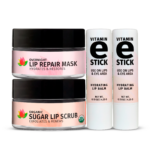
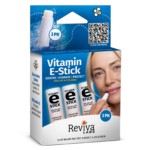
Allantoin is a quiet workhorse. It helps condition and soothe dry skin and supports a more comfortable feel. In lip care, it is especially useful because cracked lips can become reactive. A balm with allantoin can feel more supportive than a basic wax-and-oil stick. Reviva’s Vitamin E-Stick is a good example of a simple lip product built around a beeswax base with Vitamin E and allantoin for dry, cracked lips.
Aloe can add soothing hydration, especially in gel-creme or liquid lip treatments. It works best under a sealing balm or within an emulsion-style formula. Since lips lose water quickly, aloe alone will not solve severe chapping. It works as part of a comfort system. Pair it with oils, butters, waxes, or occlusives for better results.
Calendula and chamomile bring botanical comfort. They are often used in formulas designed for sensitive or stressed skin. Their value comes from helping a formula feel gentle and calming. As with all botanicals, fragrance load matters. A calming plant extract can still sit inside a formula that irritates if the fragrance system is too strong.
Antioxidants Add Nourishment and Support
Antioxidants help protect lip care formulas and can also support the look and feel of skin exposed to environmental stress. Vitamin E, also known as tocopherol, is one of the most common antioxidants in lip products. It works well with plant oils and helps support a nourishing skin feel. Vitamin E also helps protect oil-rich formulas from oxidation, which improves product quality over time.
Rosehip oil, sea buckthorn oil, carrot seed oil, green tea extract, and rosemary extract can also bring antioxidant value. These ingredients often appear in more advanced lip masks or treatment balms. They are helpful, but they should not replace core moisturizing ingredients. A lip product with antioxidants still needs humectants, emollients, and occlusives to help chapped lips feel better.
Sea buckthorn oil is especially interesting because it contains fatty acids and carotenoids. It can add nourishment and a rich golden tone to formulas. It pairs well with butters and waxes in overnight lip treatments. For dry lips, this kind of ingredient supports comfort and a conditioned feel. It works best in formulas built for repair, not thin gloss.
Rosemary extract often serves as an antioxidant stabilizer in oil-based products. It helps protect plant oils from turning rancid. That function matters more than most shoppers realize. Lip products sit in pockets, cars, purses, and warm bathrooms. Antioxidant support helps preserve the quality of oils and butters inside the formula.
What to Avoid When Lips Are Already Chapped
When lips are healthy, they can tolerate more variety. When lips are cracked, keep the formula simple. Avoid anything that burns, stings, tingles, or creates a cooling sensation. That includes menthol, camphor, strong peppermint, cinnamon flavoring, harsh exfoliants, and heavy fragrance. These ingredients can feel refreshing at first, but chapped lips often read them as irritation.
Avoid aggressive lip scrubs during active cracking. A gentle scrub can help when lips are only mildly flaky, but cracked lips need softening first. Picking off flakes creates tiny injuries and resets the healing clock. If you want smoother lips, apply a rich balm before bed, let flakes soften overnight, then wipe gently with a damp cloth in the morning. That approach respects the skin instead of forcing it.
Be careful with facial actives near the mouth. Retinoids, strong acids, benzoyl peroxide, and some brightening treatments can migrate onto lips during sleep or while applying skincare. That can create chronic dryness around the mouth and on the lip line. Before using strong facial actives, protect lips with a bland balm. This small step can prevent weeks of irritation.
Toothpaste can also play a role. Some people react to flavoring agents, whitening ingredients, or foaming agents. If lips stay chapped despite good lip care, look beyond balm. Pay attention to toothpaste, mouthwash, spicy foods, citrus, cinnamon, and lip color products. Persistent cracking often comes from repeated contact with something irritating.
Daytime and Nighttime Lip Care Need Different Textures
Daytime lip care should feel comfortable, neat, and easy to reapply. Look for castor oil, shea butter, beeswax, candelilla wax, dimethicone, ceramides, glycerin, and sun-protective minerals if you spend time outside. A daytime balm should protect without feeling sticky or messy. If it disappears in ten minutes, it probably lacks enough structure or occlusive support.
Outdoor lip care needs SPF. Lips can burn, and chronic sun exposure can create long-term problems. Mineral sunscreen ingredients like zinc oxide and titanium dioxide are often recommended for lip protection because they sit on the surface and block UV. A lip balm with SPF 30 or higher makes sense before walks, gardening, beach days, skiing, sports, and driving. Reapply often, especially after eating or drinking.
Nighttime lip care can be richer. This is the right time for shea butter, lanolin if tolerated, ceramides, plant oils, waxes, and thicker occlusive layers. The goal is to create a soft, flexible seal while you sleep. Overnight care works because lips get hours of uninterrupted protection. For many people, consistent nighttime balm changes the whole pattern of lip dryness.
A simple routine works best. In the morning, apply a non-irritating balm, and use SPF when outdoors. During the day, reapply before lips feel tight. Before bed, use a richer lip treatment. If lips are cracked, skip scrubs until the cracks close. If lips remain painful, swollen, crusted, or split at the corners, see a dermatologist because the issue can involve allergy, infection, angular cheilitis, or actinic damage.
How to Read a Lip Balm Ingredient List
A strong lip balm ingredient list should show balance. Look for a base that includes oils, butters, waxes, or occlusive ingredients. Then look for support ingredients like glycerin, panthenol, allantoin, ceramides, or Vitamin E. The list does not need to be long. A short, well-built formula often works better than a crowded formula full of flavors and fragrance.
If your lips are sensitive, fragrance-free and flavor-free options are safer. “Natural flavor” can still irritate. Essential oils can also cause trouble on cracked lips, even when they smell pleasant. Peppermint, citrus, cinnamon, and eucalyptus are common triggers. When lips hurt, bland is often better.
Texture tells you a lot. If a balm drags across the lips, it has too much hardness for your current needs. If it melts away too quickly, it needs more wax or occlusive support. If it tingles, it probably irritates. If it leaves lips softer for several hours, you have a better match. Your lips give honest feedback quickly.
The best ingredient strategy is not about chasing the newest trend. It is about solving the actual problem. Dry lips need water-binding support, softening lipids, a protective seal, and fewer irritants. Chapped lips need patience. Cracked lips need consistency. The right ingredients help, but daily habits decide whether your lips keep improving.
Frequently Asked Questions
What ingredients are best for dry chapped lips?
The best ingredients for dry, chapped lips usually include a mix of humectants, emollients, and occlusives. Glycerin and hyaluronic acid help bind water. Shea butter, castor oil, jojoba oil, mango butter, and plant oils soften rough texture. Beeswax, candelilla wax, dimethicone, petrolatum, or lanolin help seal moisture in place. Soothing ingredients like allantoin, panthenol, aloe, calendula, and chamomile can help lips feel more comfortable. Ceramides also help support the barrier.
Why do my lips stay chapped even when I use lip balm?
Your lip balm might not have the right balance of ingredients, or it might contain irritants. If your balm tingles, cools, burns, or tastes strongly of mint, cinnamon, citrus, or fragrance, it can keep lips irritated. Lip licking, picking flakes, dry indoor air, sun exposure, toothpaste sensitivity, and facial actives can also keep lips chapped. Switch to a non-irritating balm, apply it before bed, protect lips outdoors with SPF, and give the routine two to three weeks.
Is exfoliating good for chapped lips?
Exfoliating is not a good idea when lips are cracked, raw, bleeding, or painful. Scrubbing can pull away fragile skin and slow recovery. If lips are only mildly flaky, soften them first with a rich balm or lip mask. After several hours, gently wipe with a damp cloth. Avoid harsh scrubs, acids, and rough tools. Lip skin is thin, so the goal is to loosen flakes gently, not polish the lips aggressively.
Do lips need SPF?
Yes, lips need SPF when you spend time outdoors. The lip surface is thin and can burn, especially when already dry or chapped. Sun exposure can worsen irritation and contribute to long-term lip damage. Look for a non-irritating lip balm with SPF 30 or higher. Mineral sunscreen ingredients like zinc oxide and titanium dioxide are strong options for lip products. Reapply every two hours outdoors and after eating or drinking.
When should I see a dermatologist for chapped lips?
See a dermatologist if your lips do not improve after two to three weeks of non-irritating lip care. You should also get professional care if your lips bleed often, swell, crust, split at the corners, or feel painful. Persistent chapping can come from allergic contact dermatitis, yeast overgrowth, medication effects, eczema, or actinic cheilitis from sun damage. A dermatologist can identify the cause and recommend the right treatment.