
Ingredients, Natural, Reviva Labs, Skin Care
How to Build a Peptide Routine for Mature Skin
Aug
A double-blind clinical study on a topical collagen peptide found that after four weeks of twice daily use, seventy five percent of participants showed a measurable reduction in total wrinkle surface area, confirmed through silicone replica analysis. That kind of result rarely shows up after a few days of use, and that is really the whole story with peptides. They are not designed for instant drama. They are designed to work steadily, week after week, alongside your skin’s own natural processes. For mature skin, generally considered skin over the age of forty-five, that steady approach tends to be exactly what works, since collagen production has already begun its gradual decline and skin simply needs more support to keep up.
The tricky part is not whether peptides work. The research on that is fairly well established. The tricky part is knowing how to build a routine around them without ending up with multiple half used bottles in your bathroom cabinet and no clear sense of what is doing what. A peptide routine does not need to be complicated to be effective, and in fact the simpler it is, the easier it becomes to stay consistent with it, which matters more than almost anything else in skincare.
Start With What Mature Skin Actually Needs
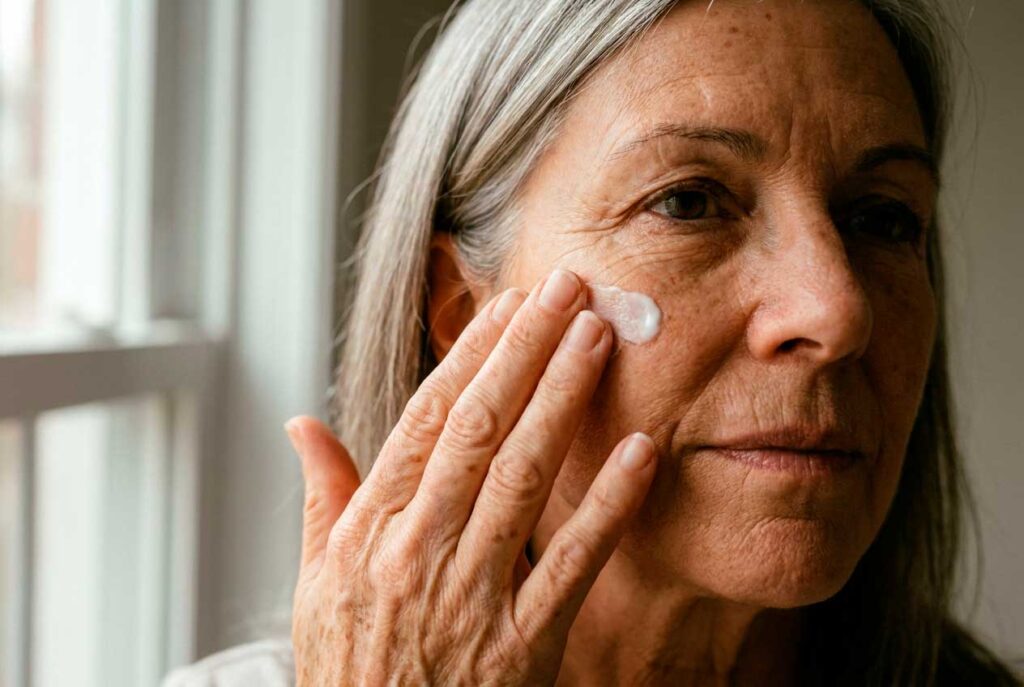
Before choosing products, it helps to think about what mature skin is actually dealing with, since that shapes which peptide categories matter most. Collagen synthesis slows with age, cell turnover takes longer, and the skin barrier tends to become a bit more sensitive to harsh ingredients. This is part of why peptides tend to be such a good fit for this stage of skin. They work by signaling cells rather than exfoliating or resurfacing, so they support the processes that are naturally slowing down without asking skin to tolerate something aggressive.
Different peptides address different parts of this picture. Some encourage new collagen production, some help relax the small muscle movements behind expression lines, and some focus on protecting the collagen skin already has. A well-built routine typically brings a few of these categories together rather than relying on just one, which is why layering a couple of targeted products tends to outperform a single do everything serum.

A Simple Three Step Routine
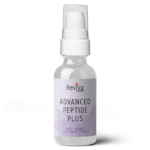
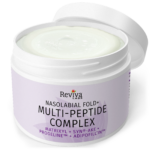
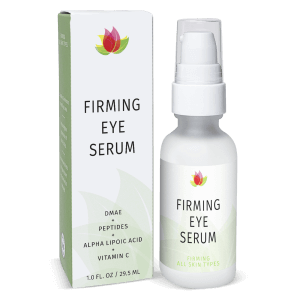
For most people starting a peptide routine, three products covering three different needs is plenty. Reviva Labs Multi-Peptide Complex is formulated with Matrixyl, Adipofill’in, Syn-Ake, and Progeline, a combination built to support skin’s overall look of firmness and smoothness where multiple signs of aging tend to show up at once. Reviva Labs Advanced Peptide Plus brings Argireline, Vitamin C, DMAE, Collagen, and Swiss Apple Stem Cell Extract into a lighter daily formula, suited for everyday firming support without feeling heavy on skin. Reviva Labs Firming Eye Serum, formulated with DMAE and multipeptides alongside Alpha Lipoic Acid and Vitamin C Ester, is built specifically for the eye area, which is thinner, more delicate, and often shows visible change earlier than the rest of the face.
Together, these three products cover the areas most people care about most: overall facial firmness, everyday maintenance, and the eye area specifically. None of them require an elaborate application process. Multi-Peptide Complex is a cream applied with clean fingertips, Advanced Peptide Plus is a lightweight cream, and Firming Eye Serum is applied with a gentle tapping motion around the orbital bone. All three can be used morning or night, which means the routine adapts to your schedule rather than the other way around.

Putting the Routine Together, Morning or Night
A simple order works well for layering these three products. After cleansing, apply Firming Eye Serum first, since it targets a smaller, more delicate area and benefits from direct contact with clean skin. Follow with Advanced Peptide Plus, allowing a minute or two to absorb before applying anything heavier. Finish with Multi-Peptide Complex, a richer cream that works well as one of the last steps, sealing in the lighter layers underneath. If you use a moisturizer with SPF in the morning, that step comes after all three peptide products have had a chance to settle.
In the evening, the same order generally applies, though many people prefer to apply Multi-Peptide Complex as the final step before bed, since its richer texture works well overnight without needing to sit under makeup or sunscreen. There is no strict rule here. What matters more than the exact order is applying all three consistently, since skipping around between products or introducing new ones every few weeks tends to interfere with the timeline peptides need to show visible change.
Give the Routine Time to Work
This is probably the single most important piece of advice for anyone starting a peptide routine. Visible change typically begins to show up around the four-week mark and tends to become more noticeable between eight and twelve weeks of consistent use. That timeline reflects how skin actually processes these ingredients, through cell turnover cycles and gradual collagen remodeling, rather than a surface level reaction. Judging a peptide serum after a week or two, the way you might judge a hydrating mist, sets an unfair expectation that the ingredient was never designed to meet.
A practical way to track progress is taking a baseline photo in consistent lighting before starting the routine, then checking back at the four week and eight-week marks rather than searching for change in the mirror every single morning. Daily checking tends to make small, gradual improvements harder to notice, since you are comparing today to yesterday rather than today to two months ago. Patience is not just a nice sentiment here; it is genuinely the mechanism by which peptides deliver their results.

Frequently Asked Questions
Can I use all three peptide products together every day?
Yes, Multi-Peptide Complex, Advanced Peptide Plus, and Firming Eye Serum are formulated to be used together as a routine, applied morning or night depending on your preference. Peptides generally layer well with one another without destabilizing or competing.
How long before I notice a difference in my skin?
Most people begin noticing visible change around four weeks into consistent use, with more pronounced results typically appearing between eight and twelve weeks. Sticking with the same routine during that window matters more than any single product choice.
Do I need to use a separate eye cream if I already use a facial peptide serum?
The eye area is thinner and more delicate than the rest of the face, so a dedicated formula like Firming Eye Serum is generally a better fit than extending a facial serum outward. It uses a gentler concentration suited to that specific area.
Should peptides be applied before or after moisturizer?
Peptide serums are typically applied to clean skin before heavier creams or moisturizers, since their thinner consistency needs direct contact with skin to absorb well. Multi-Peptide Complex, being a richer cream, usually comes later in the routine.
Is it normal for peptide products to feel like they are doing nothing at first?
Yes, this is expected. Peptides work through cellular signaling rather than an immediate surface effect, so there is typically no tingling, peeling, or instant sensation the way there might be with a stronger active.
Can peptides be layered with retinol or vitamin C?
Peptides are generally well tolerated alongside both retinol and vitamin C, and many routines combine them. If irritation occurs, alternating retinol to evenings and peptides to mornings is a simple adjustment.
References and Sources
- Tran, C., et al. Topical delivery of a collagen like peptide reduces wrinkle appearance: a double-blind clinical study. International Journal of Cosmetic Science. Available via PubMed: https://pubmed.ncbi.nlm.nih.gov/15648443/