
Clean Beauty, Natural, Reviva Labs, Skin Care
Why Skin Renewal Needs More Than One Ingredient

Jul
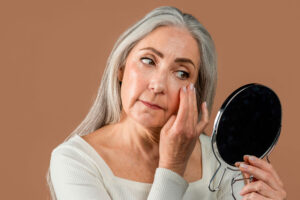
Skin aging rarely shows up as one isolated concern. You notice a deeper fold around the mouth, then texture starts looking less smooth, and a dark spot becomes more visible against the surrounding skin. At the same time, skin often feels drier and less resilient than it once did. These changes have different biological and cosmetic causes, so expecting one ingredient to address all of them asks too much from any single formula.
This is where the idea of skin renewal becomes more useful than simply chasing an “anti-aging” ingredient. Renewal involves improving several aspects of skin’s visible condition at the same time, including firmness, smoothness, hydration, radiance, and evenness of tone. Peptides can support a firmer, smoother appearance. Collagen-supportive moisturization can help dry surface skin appear plumper and more supple. Brightening ingredients work on discoloration and uneven tone, concerns neither peptides nor moisturizers fully address on their own.
Research supports this broader approach to visible aging. A clinical review of topical anti-aging ingredients notes that age-related changes involve declines in collagen quantity and quality, which contribute to reduced firmness and elasticity. Dermatologists also recognize wrinkles, sagging, dryness, age spots, and uneven pigmentation as separate visible features of aging and photoaging. No single cosmetic pathway accounts for all of those changes. A thoughtful skin renewal routine therefore works best when different ingredients have clearly defined jobs.

Aging Changes More Than Wrinkles
Wrinkles tend to receive most of the attention when people talk about mature skin, but wrinkles are only one part of the picture. Aging also changes how light reflects from the surface, how evenly pigment appears, how much moisture the outer layers hold, and how firm facial contours look. These changes can happen at different speeds depending on genetics, sun exposure, environment, lifestyle, and skin-care habits. Two people of the same age can have completely different combinations of visible aging concerns.
Collagen changes play an important role in firmness and structure. As collagen quantity and quality decline over time, skin can gradually appear less resilient and facial lines become more noticeable. Repetitive facial movement, cumulative UV exposure, and other environmental stresses add to those visible changes. This helps explain why nasolabial folds, fine lines, and a softer-looking jawline often become more noticeable even when someone has consistently moisturized.
The surface of the skin changes too. Dryness can exaggerate fine lines because dehydrated or poorly moisturized surface cells do not reflect light as evenly as well-hydrated skin. Roughness can make the complexion appear older even when deep wrinkles are not the primary concern. Improving hydration does not rebuild the deeper structural framework of skin, but it can make a substantial cosmetic difference in smoothness, softness, suppleness, and the visibility of fine surface lines.
Pigmentation creates another separate issue. Years of sun exposure can contribute to visible age spots and blotchy discoloration, while post-inflammatory marks and other pigment changes can create uneven tone at almost any age. A face can look smoother and better hydrated yet still appear older because scattered dark spots interrupt an otherwise even complexion. This is why treating “aging” as a single problem often leads to disappointing routines.
Peptides Focus on Firmness and Visible Lines
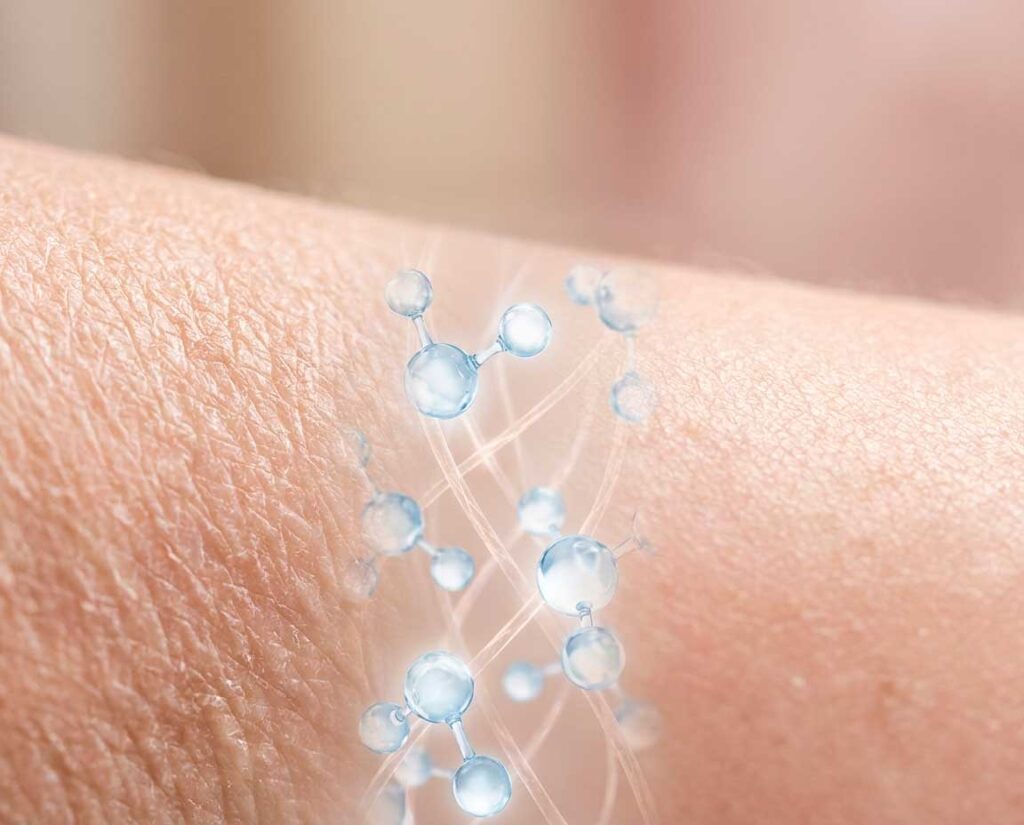
Peptides are short chains of amino acids, the same broad class of building blocks found in larger proteins. In topical skin care, different peptides serve different cosmetic purposes, which means the word “peptide” itself tells you less than many marketing claims suggest. Some peptide technologies are designed to support the appearance of firmness and smoother texture. Others focus more specifically on the appearance of expression-related or deeper facial lines.
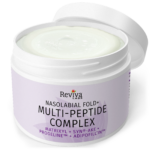
The important point is specificity. A peptide product aimed at visible facial folds serves a different purpose from a brightening serum designed for discoloration. For example, Reviva Labs’ Nasolabial Fold+ Multi-Peptide Complex combines Palmitoyl Pentapeptide-4, Dipeptide Diaminobutyroyl Benzylamide Diacetate, Trifluoroacetyl Tripeptide-2, and other supporting ingredients. The formula is positioned specifically toward reducing the appearance of deeper facial lines, including nasolabial folds, rather than trying to function primarily as a pigmentation treatment.
Peptide research continues to develop, and evidence differs considerably from one peptide to another. A 2026 systematic review and meta-analysis examining oral and topical peptides for skin aging found evidence of improvements across several visible aging measures, including wrinkles, hydration, elasticity, and brightness, although formulations and study methods varied. Earlier reviews also identified encouraging evidence for certain topical pentapeptides in reducing the appearance of wrinkles and roughness. This supports a measured view of peptides as useful tools rather than universal solutions.
Consistency matters because changes associated with skin aging develop gradually. A peptide cream applied sporadically before an event should not be expected to deliver the same cosmetic benefit as consistent use over time. Most meaningful skin-care routines work through repeated daily support rather than dramatic overnight transformation. And while a peptide formula can improve the appearance of lines and firmness, it still does not remove the need for proper moisturization or targeted care for uneven pigmentation.
Collagen Support Is Also About Moisture
The word collagen creates confusion in topical skin care because people often assume applying collagen means replacing lost dermal collagen directly. Topical collagen should not be thought of as pouring new structural collagen into deeper skin. Its cosmetic value often comes from what collagen-containing and collagen-supportive formulas do at the skin’s surface, particularly through hydration, conditioning, and improved suppleness. That distinction matters when choosing products based on realistic expectations.
Well-moisturized skin almost always looks better than dry skin. Moisture helps the outer layers appear fuller, smoother, and more flexible, which can soften the appearance of fine lines caused or exaggerated by dryness. Research on moisturizers consistently shows improvements in skin hydration and overall appearance, and clinical studies of well-designed moisturizing formulas have reported improvements in measures such as texture, fine lines, elasticity, and barrier function. Moisturization is not a cosmetic afterthought in an aging routine. It is one of its foundations.
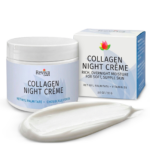
Reviva Labs’ Collagen Night Crème offers a good example of this role. Its formula combines hydrolyzed collagen with emollient oils and conditioning ingredients designed to help dry surface skin retain moisture and appear smoother and more supple. This gives the product a different purpose from a concentrated multi-peptide formula. One focuses heavily on moisture-supported texture and suppleness, while the other targets the appearance of deeper lines through a more peptide-centered approach.
This distinction also explains why hydrated skin can look younger almost immediately without implying structural transformation has occurred overnight. Water content changes how the outer skin looks and feels. Fine dehydration lines become less obvious, rough areas appear smoother, and light reflects more evenly across the complexion. Those changes matter because visible skin aging is judged by the entire appearance of the face, not by collagen measurements alone.
Texture Needs Its Own Strategy
Texture sits between firmness and hydration, which makes it easy to overlook. Uneven texture can come from dryness, accumulated surface cells, loss of elasticity, visible pores, fine lines, or combinations of these factors. Someone can have relatively even pigmentation and still feel dissatisfied because the skin looks rough or lacks the smoothness it once had. Another person can have soft skin but still see deeper folds and loss of firmness.
Moisture plays a direct role here. Humectants attract and hold water in the outer layers, while emollients help soften and condition the surface. Occlusive ingredients help reduce moisture loss. A well-formulated moisturizer often combines these functions rather than relying on one fashionable ingredient.
Exfoliation can also influence texture, but more exfoliation is not automatically better. Acids can help loosen and remove excess dead surface cells, supporting a smoother and brighter-looking complexion, yet overuse can leave skin dry and irritated. Mature skin often benefits more from balance than intensity. A routine filled with aggressive exfoliants but lacking proper moisturization can make fine lines and roughness look more noticeable rather than less.
Peptides and collagen-supportive moisturization fit into this texture strategy from different directions. Peptides can support the appearance of firmer, smoother skin over time, while moisturization can improve surface softness and plumpness more directly. The combination makes more sense than forcing either category to handle the entire job alone. Skin renewal improves when each step has a clear purpose.
Uneven Tone Can Age a Face Without Adding a Wrinkle
A smooth face with uneven pigmentation can still look visibly older. Dark spots, lingering discoloration, and blotchy tone break up the visual uniformity of the complexion. These pigment changes can become more noticeable with cumulative sun exposure and often increase as people get older. They require a different ingredient strategy from dryness or facial lines.
Niacinamide offers a useful example. Clinical research has found topical niacinamide can improve several aspects of aging skin, including hyperpigmented spots, sallowness, fine lines, and elasticity. In one well-known pigmentation study, niacinamide significantly reduced hyperpigmentation and increased skin lightness compared with a vehicle after four weeks of use. Its broad cosmetic profile makes it valuable, but even niacinamide does not represent every available brightening pathway.
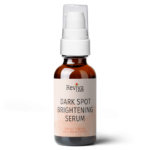
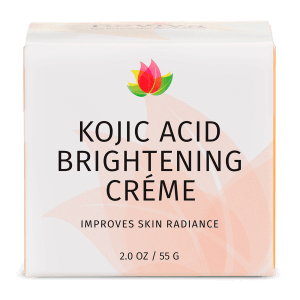
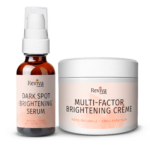
Kojic acid, arbutin, Vitamin C derivatives, licorice root, bearberry, resveratrol, and exfoliating acids work differently from one another. This is why a multi-ingredient brightening formula often makes more sense than relying on one brightener alone. Reviva Labs’ Dark Spot Brightening Serum, for example, combines niacinamide, glycolic acid, kojic acid, arbutin, a Vitamin C derivative, resveratrol, bearberry, and licorice root. The formula approaches uneven tone from several cosmetic angles rather than asking one ingredient to do everything.
This also shows why brighter skin and firmer skin should not be treated as interchangeable goals. A peptide formula can help a complexion appear smoother and more youthful but leave an existing dark spot largely unchanged. A brightening formula can improve visible tone while doing little for a deep nasolabial fold. Both products can contribute to skin renewal because renewal itself has several visible dimensions.
Multi-Ingredient Does Not Mean Use Everything
There is an important difference between a strategic multi-ingredient routine and an overcrowded routine. Skin does not benefit simply because more products appear on the bathroom counter. Adding several acids, retinoids, brighteners, peptide formulas, scrubs, and concentrated serums at once can make it impossible to know what is helping. It can also increase dryness and irritation, which works against the goal of smoother, healthier-looking skin.
A better approach starts with priorities. Ask what you actually see when you look at your skin in normal daylight. Perhaps deeper folds and loss of firmness bother you most. Perhaps dryness and rough texture dominate. Or perhaps dark spots and uneven tone create the biggest visual difference.
From there, assign ingredients to specific jobs. Peptides fit naturally into a firmness and line-focused strategy. Collagen-supportive moisturization and humectants address dryness, suppleness, and surface smoothness. Targeted brightening ingredients address uneven tone and visible discoloration. A routine built this way is easier to evaluate because every product earns its place.
You also do not need three complicated formulas applied at the same moment. A peptide treatment can fit into morning or evening care depending on its formulation. A richer collagen-focused moisturizer often makes sense at night when comfort and moisture retention are priorities. Brightening treatments can be used according to their directions and your skin’s tolerance, with daily sun protection playing a critical role in helping prevent new visible sun-related discoloration.
The Three-Part Renewal Approach
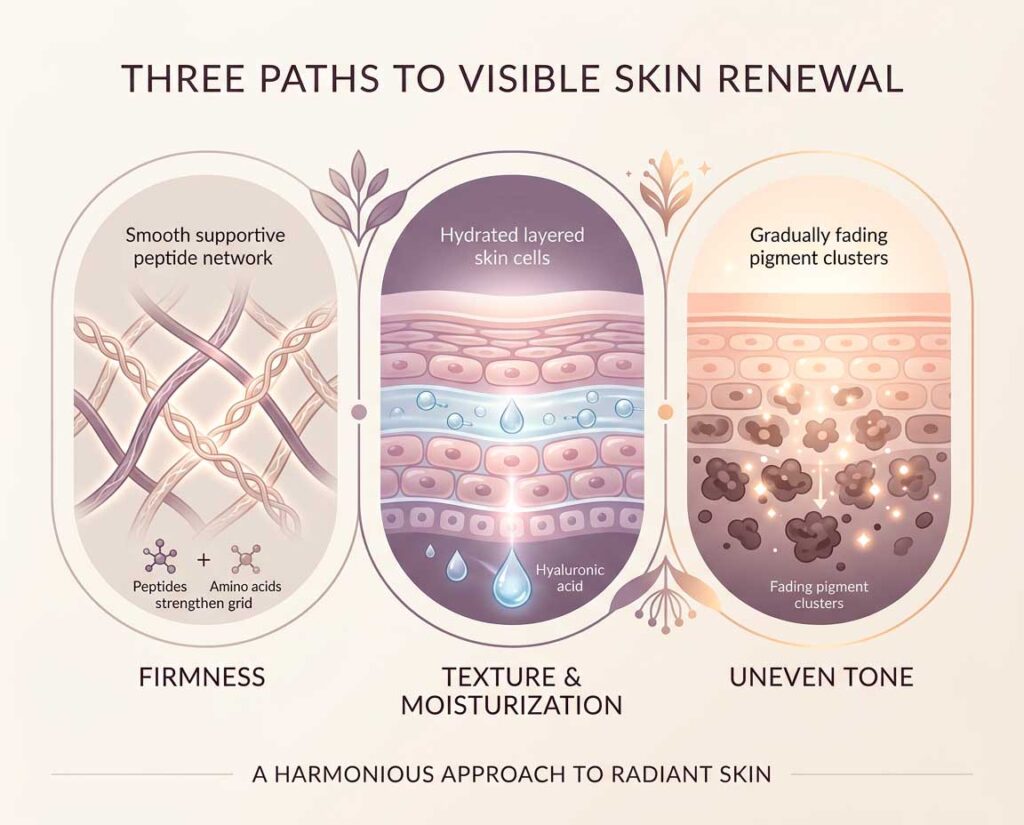
Think about visible renewal through three related questions. Does your skin look firm and resilient? Does the surface look smooth, comfortable, and well moisturized? Does your complexion look even and radiant? Those questions correspond closely with the roles of peptides, collagen-supportive moisturization, and brightening ingredients.
For firmness and deeper lines, peptides deserve attention because they are designed to interact with specific cosmetic pathways tied to the appearance of aging skin. Multi-peptide formulas offer an advantage when they combine technologies selected for complementary purposes rather than adding peptides merely for label appeal. A targeted formula can become especially useful around areas where expression and structural changes create more pronounced lines, such as nasolabial folds.
For texture, hydration has to stay central. A rich night cream containing collagen, emollients, and moisture-supportive ingredients can help skin feel softer and appear fuller by morning. Continued hydration also creates a better visual background for every other part of the routine. Brightening a dehydrated, flaky surface will not produce the same healthy-looking finish as improving tone while also supporting moisture.
For uneven pigmentation, patience matters. Pigment does not appear overnight, and visible improvement usually takes consistent care. Multi-pathway brightening formulas can combine ingredients such as niacinamide, kojic acid, arbutin, Vitamin C derivatives, botanical brighteners, and exfoliating acids to address discoloration from different angles. Daily sunscreen is essential because continued UV exposure works directly against efforts to maintain a more even-looking complexion.
Why Layering Works Better Than Chasing Trends
Skin-care trends often encourage ingredient hopping. One month everyone talks about peptides, then another ingredient becomes the new focus. This approach can turn a routine into an endless series of replacements instead of a stable system built around your actual skin concerns. Functional skin care takes the opposite approach.
The better question is not, “What is the best anti-aging ingredient?” There is no single answer because firmness, wrinkles, moisture loss, rough texture, dullness, and uneven pigmentation are not identical concerns. The better question is, “Which visible change am I trying to address, and which ingredient category is best suited to that job?” Once you ask the question this way, routine building becomes much simpler.
This is also why judging one product against an unrelated product category makes little sense. A collagen-rich moisturizer should not be considered unsuccessful because it does not fade a stubborn dark spot. A brightening serum should not be dismissed because it does not make a deep facial fold disappear. A peptide formula should not be expected to replace the comfort and barrier-supporting effects of a well-designed moisturizer.
Each formula earns its value by doing its assigned job well. When those jobs complement one another, the entire complexion benefits. Firmer-looking skin, smoother texture, better moisture retention, and more even tone combine to create a broader sense of renewal than any single improvement produces alone.
Results Depend on Consistency and Protection
Even a well-designed routine needs time. Some hydration benefits become visible quickly because moisturized surface cells look smoother and fuller. Changes in the appearance of pigmentation, deeper lines, and overall firmness generally require more consistent use. Switching products every few days makes meaningful evaluation difficult.
It helps to photograph your skin in similar lighting once every few weeks instead of inspecting it inches from a magnifying mirror every morning. Look at the same areas each time, especially the cheeks, nasolabial folds, jawline, forehead, and areas of visible discoloration. Changes in overall tone and texture often become easier to see when comparing photographs rather than relying on memory. This approach also helps prevent unnecessary additions to an already effective routine.
Sun protection belongs in every renewal strategy because UV exposure contributes to premature skin aging, including wrinkles, sagging, and age spots. The American Academy of Dermatology identifies daily sun protection as the foundation of an anti-aging skin-care plan. Brightening existing discoloration while repeatedly exposing unprotected skin to UV radiation works against your own goal. The same principle applies to collagen-related visible aging because chronic sun exposure contributes to structural changes associated with photoaging.
Renewal therefore requires both correction and prevention. Peptides, moisturization, and brightening ingredients address what you see now. Sunscreen and sensible daily care help limit additional visible damage. The strongest routine does both.
Skin Renewal Works Best as a System
The appeal of a single miracle ingredient is easy to see. One bottle sounds simpler than a routine, and one headline is easier to remember than several different ingredient functions. Skin biology does not fit neatly into that idea. Visible aging reflects multiple processes occurring at the same time.
Peptides can play an important role in improving the appearance of firmness, deeper facial lines, and texture. Collagen-supportive moisturization helps dry surface skin hold moisture, look plumper, and feel more supple. Brightening ingredients target discoloration and uneven tone through pathways unrelated to simple hydration. Put those roles together and the logic of multi-ingredient skin renewal becomes clear.
You do not need dozens of products. You need the right functions represented in a routine your skin tolerates and you can follow consistently. Focus on firmness, support moisture and texture, address uneven tone, and protect your skin every day. That approach treats aging skin as the complex visual picture it actually is, rather than forcing one ingredient to solve every concern.
Frequently Asked Questions
Can one anti-aging ingredient improve everything?
No single cosmetic ingredient addresses every visible sign of aging equally well. Some ingredients focus primarily on texture and hydration, while others have stronger roles in the appearance of firmness, lines, or discoloration. A well-designed routine combines complementary functions without adding unnecessary steps. Start with your main concerns and choose ingredients based on specific jobs rather than looking for one universal anti-aging ingredient.
Should I use peptides and collagen skin care together?
Yes, these ingredient categories can complement one another because they do not perform exactly the same role. Peptide formulas often focus on the appearance of lines, texture, and firmness, while topical collagen-containing moisturizers can support hydration, softness, and a plumper surface appearance. Using both allows you to address multiple visible concerns without expecting either category to do everything.
Does topical collagen replace collagen lost with age?
Topical collagen should not be viewed as directly replacing all of the structural collagen lost deeper within aging skin. In cosmetic formulas, collagen can contribute to moisture retention, conditioning, softness, and a smoother, plumper surface appearance. These benefits still matter because dry, rough skin can make fine lines look more pronounced. Think of topical collagen primarily as part of a moisture and texture strategy.
How long do brightening ingredients take to improve dark spots?
Timing varies based on the ingredient, formulation, cause of discoloration, skin type, and consistency of use. Some clinical research on niacinamide has documented visible pigmentation improvements after about four weeks, while stubborn discoloration often requires longer. Consistent sun protection is essential because continued UV exposure can trigger or deepen visible pigmentation. Avoid constantly changing products before giving a well-tolerated routine enough time to work.
Can I use peptides, moisturizers, and brightening ingredients in the same routine?
Often, yes. These categories frequently complement one another because they address different concerns. A practical routine might include a targeted treatment for lines or discoloration followed by an appropriate moisturizer, with sunscreen every morning. Follow individual product directions and introduce stronger active formulas gradually, especially when brightening products contain exfoliating acids.
Is uneven skin tone considered a sign of aging?
Uneven tone can strongly influence how old skin appears even when wrinkles are relatively mild. Sun-related spots, accumulated discoloration, and changes in overall radiance often become more noticeable with age. Improving tone does not physically firm the skin, but a clearer and more even-looking complexion can create a substantial visible improvement. This is one reason a complete renewal strategy should consider pigmentation alongside texture and firmness.
References and Sources
- American Academy of Dermatology Association. “11 Ways to Reduce Premature Skin Aging.” https://www.aad.org/public/everyday-care/skin-care-secrets/anti-aging/reduce-premature-aging-skin
- American Academy of Dermatology Association. “Skin Care in Your 40s and 50s.” https://www.aad.org/public/everyday-care/skin-care-basics/care/skin-care-in-your-40s-and-50s
- American Academy of Dermatology Association. “Sun Protection.” https://www.aad.org/public/everyday-care/sun-protection
- Bissett DL, Oblong JE, Berge CA. “Niacinamide: A B Vitamin That Improves Aging Facial Skin Appearance.” Dermatologic Surgery. 2005. https://pubmed.ncbi.nlm.nih.gov/16029679/
- Hakozaki T, et al. “The Effect of Niacinamide on Reducing Cutaneous Pigmentation and Suppression of Melanosome Transfer.” British Journal of Dermatology. 2002. The study reported significant decreases in hyperpigmentation and increased skin lightness after four weeks compared with vehicle. https://pubmed.ncbi.nlm.nih.gov/12100180/
- Huang CK, Miller TA. “The Truth About Over-the-Counter Topical Anti-Aging Products.” Aesthetic Surgery Journal. 2007. The review discusses evidence for moisturizers improving hydration and overall skin appearance and evidence supporting certain pentapeptides for wrinkles and roughness. https://pubmed.ncbi.nlm.nih.gov/19341668/
- Rovero P, et al. “The Clinical Evidence-Based Paradigm of Topical Anti-Aging Skincare Formulations.” 2022. The review describes age-related reductions in collagen amount and quality as contributors to deterioration in skin elasticity and firmness. https://pmc.ncbi.nlm.nih.gov/articles/PMC9760069/
- Nukaly HY, et al. “Oral and Topical Peptides for Skin Aging: A Systematic Review and Meta-Analysis.” 2026. The review evaluates peptide-related outcomes involving wrinkles, hydration, elasticity, and brightness. https://pubmed.ncbi.nlm.nih.gov/41924746/