
Clean Beauty, Ingredients, Natural, Skin Care
Why That Free Hotel Shampoo Could Be Wrecking Your Skin and Hair
Jul
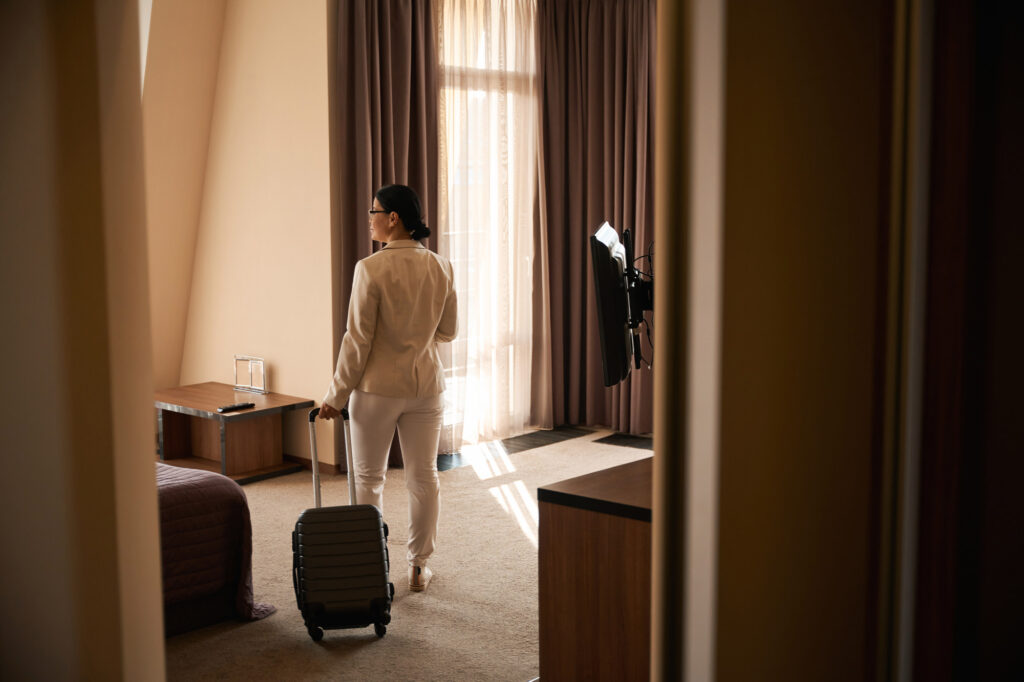
Seventeen percent of travelers report a skin problem during or right after a trip, and a lot of them never connect it to the little bottles lined up next to the bathroom sink. It’s a strange kind of vacation souvenir: you come home tanned, rested, maybe a few pounds heavier from the buffet, and also breaking out along your jawline for no obvious reason. The obvious reason is usually sitting right there in the shower caddy. Swapping your regular cleanser, shampoo, and moisturizer for whatever the hotel provides, combined with a body that’s already under stress from travel, is a bigger deal than most people give it credit for.
Your skin notices the switch even when you don’t
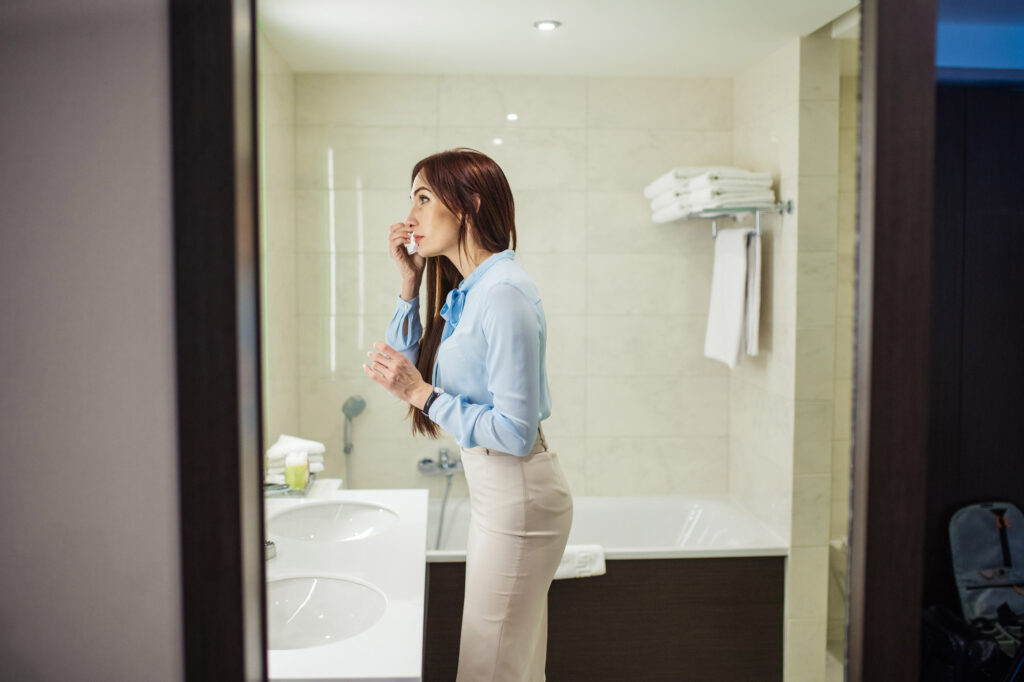
Skin thrives on routine. It builds a kind of tolerance to the specific formulas, pH levels, and ingredient lists it sees every day, and that tolerance disappears the moment something new shows up. Dermatologists point to hotel bar soap as a particularly common trigger, since a soap made for hands and bodies is often too harsh and too alkaline for the face, and using it there can strip natural oils and leave skintight, flaky, or inflamed. Fragrance is the other repeat offender. Most hotel amenity lines are scented to create a pleasant, branded impression in a thirty-second shower, and fragrance happens to be one of the most common causes of contact irritation and allergic reaction in skincare. None of this shows up as an instant, dramatic reaction. It creeps in over a two or three day stay, which is exactly why so many people blame the weather, the pillows, or “just travel” instead of the product sitting on the counter.
Hair goes through something similar. A shampoo formulated to smell good and rinse clean in a hotel-scale supply chain isn’t always built around your hair type, and swapping in a random sulfate-heavy formula for even a few days can leave color-treated or textured hair drier, frizzier, and more prone to breakage. The damage isn’t usually severe. It’s cumulative and annoying, which makes it easy to write off as bad luck rather than a predictable side effect of switching products mid-trip.
The environment is already working against you before the products get involved
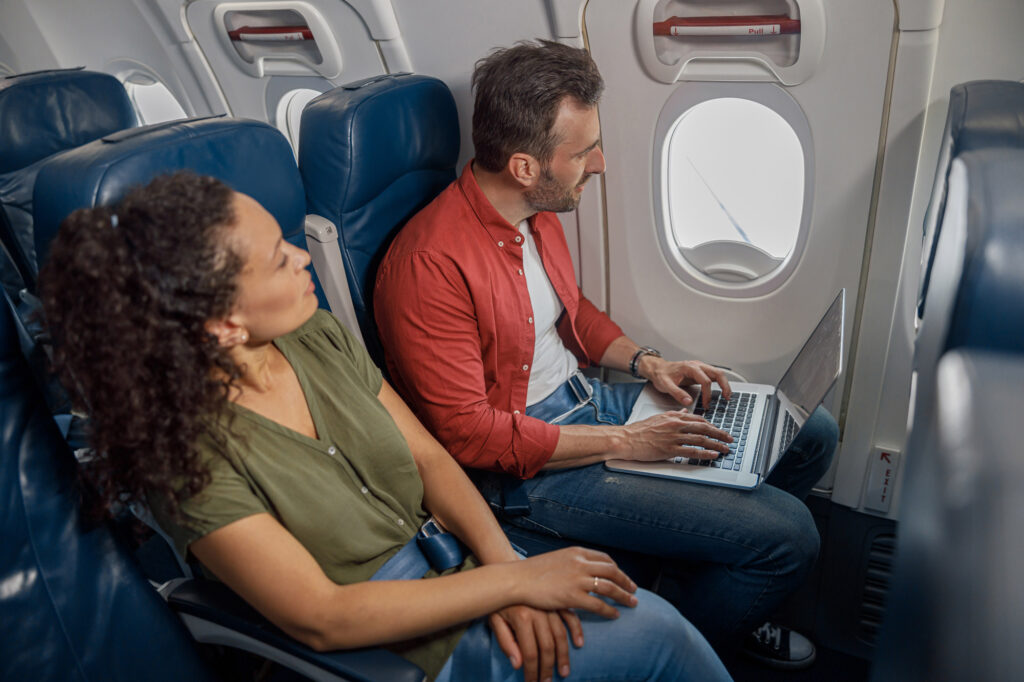
Here’s the part that makes hotel toiletries so much riskier than they’d otherwise be your skin barrier is already compromised before you even open the little bottle. Airplane cabins typically sit at ten to twenty percent relative humidity, which is drier than most deserts and roughly half of what a normal indoor space offers. Research published in Skin Research and Technology tracked hydration levels during a long-haul flight and found that passengers lost water rapidly from the outer layer of facial skin, with cheeks taking the biggest hit, within the first thirty minutes after takeoff. That process is called transepidermal water loss, and it weakens the skin’s protective barrier well before you land, check into your room, and reach for the shampoo.
Layer a new climate, a new water source, and a new set of allergens on top of that weakened barrier and you’ve got a setup for trouble. Hard water, common in a lot of hotel plumbing systems, reacts with soap to form a filmy residue that can clog pores and leave hair looking dull no matter what product touches it. Add jet lag, dehydration from recycled cabin air, richer food, and less sleep than usual, and your skin is dealing with several stressors at once. The hotel toiletries aren’t the sole cause of a bad breakout. They’re often the ingredient that tips an already-stressed system over the edge.
Hotel formulas are built for volume, not for your face
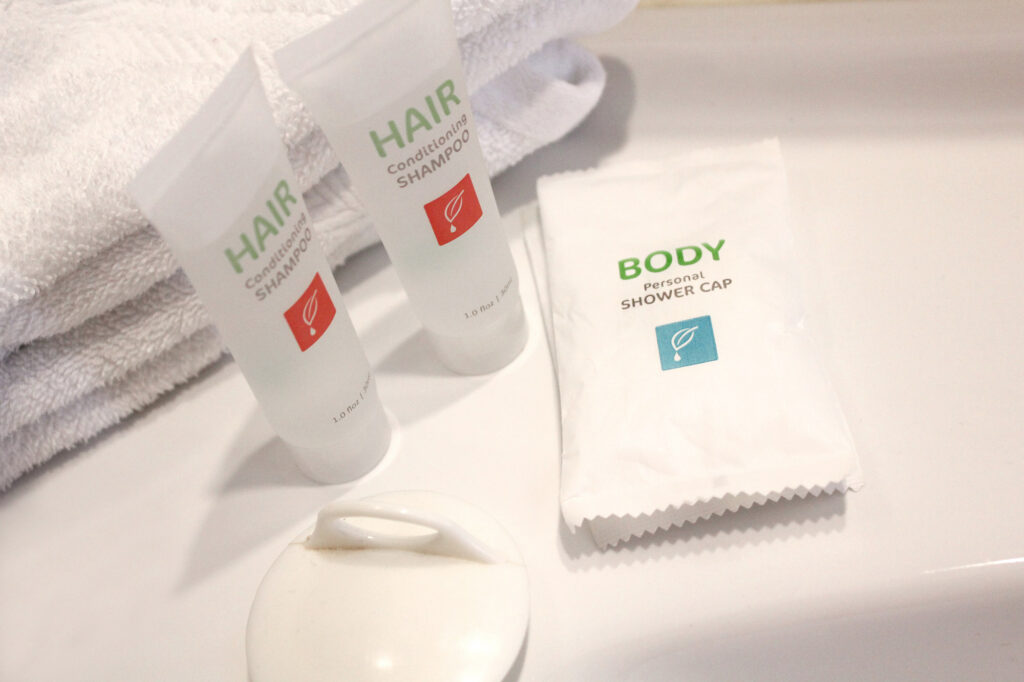
It helps to remember what problem hotel amenity lines are actually solving. They’re designed to please the broadest possible range of guests, survive bulk manufacturing, smell good in a small format, and cost very little per unit. None of those priorities line up with what an individual person’s skin or hair actually needs. A formula built for mass appeal tends to lean on fragrance, foaming agents, and preservatives that work fine for most people most of the time and cause a reaction in a meaningful minority. If you have sensitive skin, eczema, rosacea, or color-treated hair, you’re disproportionately likely to be in that minority.
This is where a bit of healthy skepticism about “luxury” hotel amenities is warranted. A fancy-looking bottle with an unfamiliar brand name on it doesn’t mean the formula was tested against your skin type, and a pleasant scent doesn’t mean it’s gentle. The packaging is doing a lot of the persuading. The actual ingredient list is what matters, and travelers rarely check it before using a product for the first time in an unfamiliar bathroom.
Protecting your skin without giving up the trip
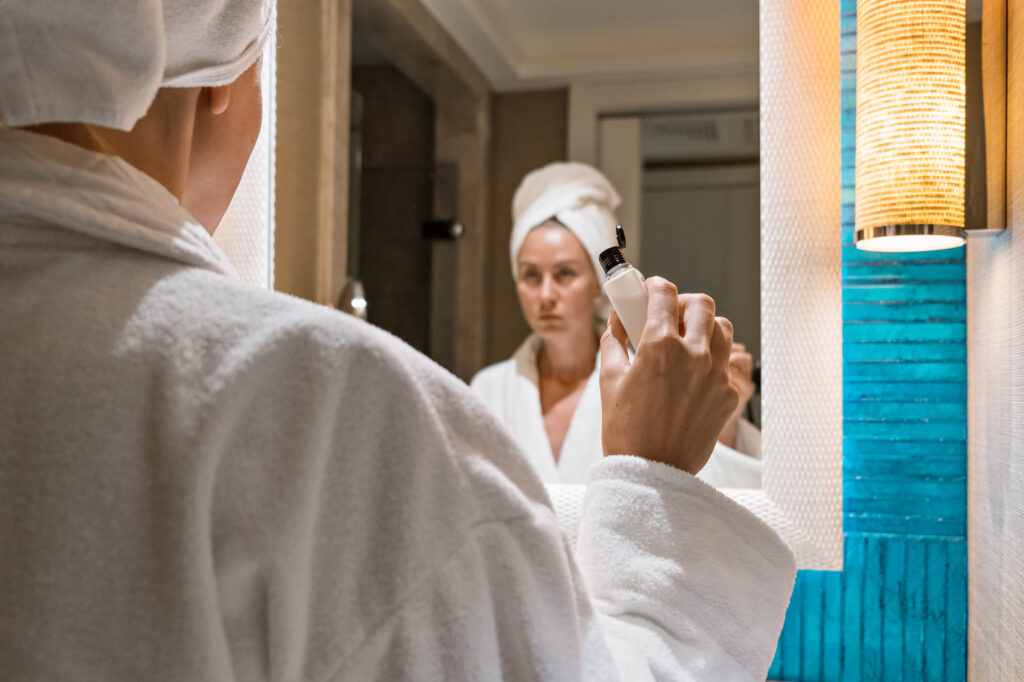
None of this means you need to overhaul how you travel. The simplest fix is also the most effective one: bring your own cleanser, moisturizer, and shampoo in travel sizes, and treat hotel products as a backup rather than a default. Keeping your at-home routine as close to identical as possible on the road removes most of the risk, since your skin already tolerates those formulas. If you forget something or run out mid-trip, patch test a new product on your inner arm before putting it on your face and skip the bar soap on your skin entirely in favor of your regular cleanser or, at minimum, a fragrance-free option.
It’s also worth adjusting expectations around hydration while flying and adapting to a new climate. Since cabin air pulls moisture out of skin fast, applying a richer moisturizer before boarding and reapplying during a long flight can offset some of the damage before it compounds with whatever hotel products you encounter later. Drinking more water than feels necessary, avoiding hot showers that strip more oil from already-stressed skin, and giving your skin a day or two to acclimate before trying new products all reduce the odds of a trip-ending breakout. For hair, a leave-in conditioner packed alongside your usual shampoo does a lot of quiet work, especially in destinations with harder water or drier climates than what you’re used to at home.
The bigger pattern behind the breakout
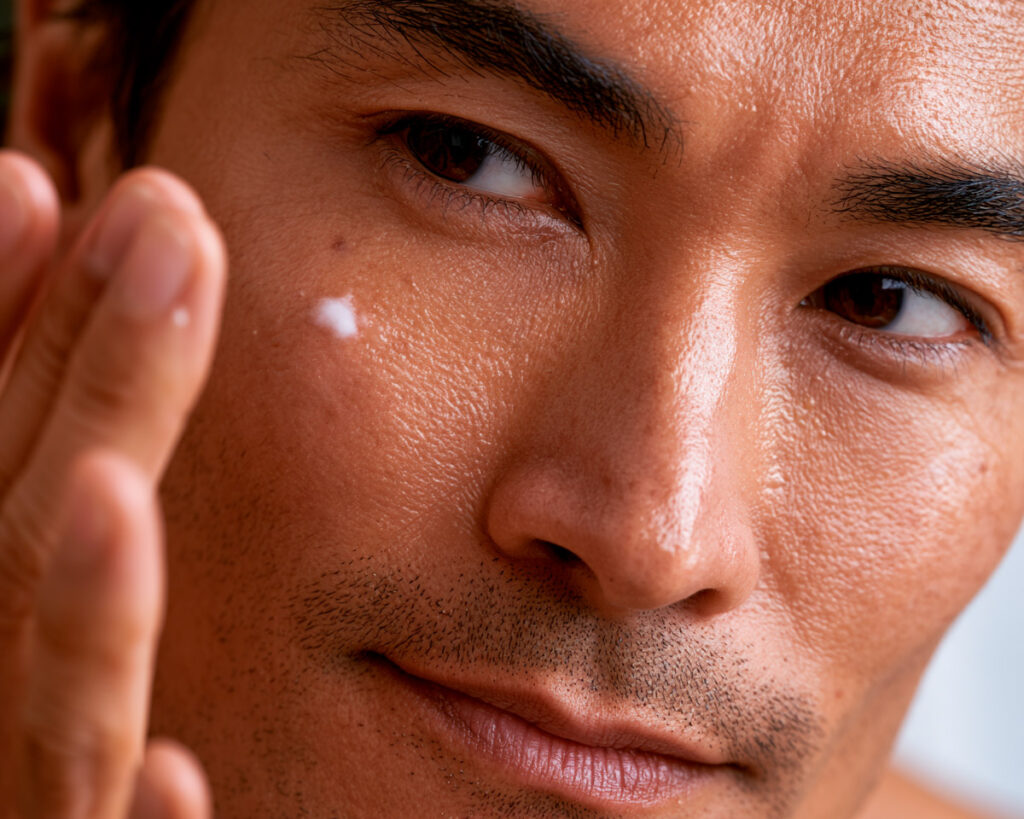
What’s really going on here isn’t about any one bad hotel or one unlucky trip. It’s that skin and hair are more sensitive to change than most people assume, and travel stacks several changes on top of each other at once: climate, water, altitude, sleep, diet, and product formulas, all shifting within the same forty-eight hours. Hotel toiletries are just the most visible and most avoidable variable in that list. Packing your own products isn’t about being high maintenance. It’s a low-effort way to remove one unpredictable factor from a trip that already has plenty of them.
Frequently asked questions
Is it bad to use hotel shampoo and conditioner just once or twice?
A single use is unlikely to cause a noticeable problem for most people, but if your hair or scalp is already sensitive, even a short exposure to an unfamiliar formula can cause dryness or irritation, especially combined with hard water or a dry climate.
Why does my skin break out more on vacation than at home?
It’s usually a combination of factors rather than one single cause: dry cabin air, a new climate, hard water, less sleep, richer food, and unfamiliar skincare or haircare products all hit the skin barrier around the same time, making breakouts more likely.
Should I avoid hotel bar soap entirely?
Using it occasionally on your body is generally fine for most skin types, but dermatologists commonly recommend against using bar soap on your face, since it’s typically more alkaline than facial cleansers and can strip protective oils, leading to dryness or irritation.
Does flying actually dry out skin, or is that a myth?
It’s backed by research. Cabin humidity typically runs between ten and twenty percent, well below normal indoor conditions, and studies have measured rapid moisture loss from facial skin within the first half hour of a flight.
What’s the single best habit for avoiding travel-related skin and hair issues?
Traveling with your own core products, cleanser, moisturizer, and shampoo, in travel-friendly sizes and using hotel amenities only as a backup keeps your skin and hair exposed to formulas they already tolerate, which removes most of the risk.
References
- American Academy of Dermatology, “7 Travel Skin Care Tips from Dermatologists” — https://www.aad.org/public/everyday-care/skin-care-secrets/prevent-skin-problems/travel-skin-care-tips
- Forefront Dermatology, “Can Traveling Cause Skin Issues?” — https://forefrontdermatology.com/can-traveling-cause-skin-issues/
- National Center for Biotechnology Information, “Travelers’ Health Problems and Behavior: Prospective Study with Post-Travel Follow-Up” — https://www.ncbi.nlm.nih.gov/pmc/articles/PMC4944265/
- Skin and Cancer Associates, “High Altitude: How Flying Affects Your Skin Health” — https://skinandcancerassociates.com/blog/high-altitude-high-impact-ways-flying-affects-your-skin/