
 Firming Facial Créme with Alpha Lipoic Acid + Vitamin C Ester + DMAE
 You may be interested in…

Clean Beauty, Natural, Reviva Labs, Skin Care
Why Washing Your Face Matters More in June Than January

24
Jun
Jun
Your face does not experience June the same way it experiences January. By early summer, rising temperatures, stronger sun exposure, higher humidity, outdoor activity, sunscreen, sweat, and heavier environmental buildup all change what collects on your skin. The cleanser sitting beside your sink might not need to change, but the way you use it often does. A quick splash of water at night rarely removes everything your complexion has carried through a warm day. Summer cleansing requires more attention, not more aggression.
This seasonal shift often catches people by surprise because their skin does not always feel dirty. Sunscreen can dry down to an invisible finish. Sweat evaporates. Oil gets absorbed by powder, blotting paper, or makeup. Pollution particles remain too small to see. By bedtime, though, these materials have blended into a thin film across the face, especially around the hairline, nose, jaw, ears, and neck.
Research into facial cleansing supports a simple point: water alone does not remove every substance sitting on skin. Cleansers contain surfactants, ingredients that help oil-soluble material mix with water so it can rinse away. This matters more when your daily routine includes water-resistant sunscreen, long-wear makeup, richer sun-protection formulas, or repeated sunscreen applications. One study comparing sunscreen-removal methods found that cleansing performance varied according to both the sunscreen formula and the cleansing method used. The lesson is not to scrub harder. It is to choose a method suited to what you are trying to remove.
Winter cleansing usually focuses on preserving comfort and moisture. Summer cleansing has to balance two jobs at once. It must remove more surface buildup while still protecting the skin barrier. Cleansing too lightly can leave residue behind, while cleansing too aggressively can create tightness, redness, rough texture, and increased sensitivity. The best summer routine sits between those extremes.

Your Skin Carries More Through a Summer Day
January has its own challenges. Cold air, indoor heating, wind, and low humidity often leave skin feeling dry or tight. Many people respond by wearing richer moisturizers and cleansing with creamy, low-foam formulas. They might also spend less time sweating outdoors or applying several layers of sunscreen. The winter goal often becomes simple: remove the day without making dryness worse.
June adds more variables. Your skin produces oil throughout the year, but heat can make oil and perspiration more noticeable on the surface. Sunscreen becomes a larger part of your morning routine, and proper use often includes reapplication. Add foundation, concealer, powder, bronzer, setting products, or insect repellent near the hairline, and the evening cleansing job grows more demanding. The face you wash in June often carries several overlapping layers.
Sweat does not automatically make skin dirty, nor does it directly cause every breakout. Problems often begin when perspiration mixes with sebum, cosmetics, sunscreen, dirt, and friction. A hat, helmet strap, sunglasses, phone, or damp hair can hold this mixture against the skin. The American Academy of Dermatology advises washing after heavy sweating because perspiration trapped against the face can irritate skin. This recommendation becomes far more relevant during warm weather.
Humidity adds another complication. Skin often feels moist in humid air, which can create the impression that it has enough water and needs less care. Surface dampness does not always equal healthy hydration. You can still disrupt the outer barrier through over-cleansing, hot water, harsh exfoliation, or repeated washing. Summer skin can look oily while feeling tight underneath, a combination often made worse by trying to strip away every trace of shine.
Your environment changes too. Open windows, outdoor dining, yard work, travel, festivals, beaches, pools, and long walks expose the face to more airborne particles and physical contact. Hands touch the face. Sunglasses move across the nose. Sunscreen gets layered over old sunscreen. Hair products migrate along the forehead and temples. Cleansing at night gives your skin a clean starting point before you apply serums, moisturizers, or other leave-on products.
Sunscreen Changes the Cleansing Equation
Daily sunscreen belongs in a sound skincare routine throughout the year, but most people use more of it during summer. They also select formulas designed to resist water, sweat, or rubbing. Those features help sunscreen stay in place outdoors. They also make complete removal less likely with water alone.
Water-resistant does not mean impossible to remove. It means the film has been designed to hold up during water exposure for a stated period. A cleanser needs to loosen the oils, waxes, film-forming ingredients, pigments, and mineral particles within the product. Some sunscreens release easily with one gentle cleanse. Others respond better to an oil-based first step followed by a mild water-based cleanser.
The study published in the Journal of Cosmetic Dermatology examined the removal of water-resistant and non-water-resistant sunscreen using water, a foaming cleanser, or cleansing oil. Water performed poorly for removing sunscreen residue, while the most effective method depended partly on the sunscreen type. Cleansing oil worked especially well on water-resistant sunscreen. This does not mean everyone needs to double cleanse every night. It means your cleansing method should match your product load.
You can judge the result by how your skin looks and feels after rinsing. A slippery coating around the nose, hairline, jaw, or brows suggests residue remains. A white cast that reappears as the face dries offers another clue. Makeup left on a clean towel also signals incomplete removal, though repeatedly rubbing the face with a towel is not a good test. Your face should feel clean and comfortable, not coated, squeaky, or stretched.
Pay attention to the neck and ears as well. Sunscreen often extends below the jaw, behind the ears, and onto the upper chest. Many people cleanse the center of the face carefully and rush through these outer areas. Residue can then accumulate where sweat, hair, and clothing add friction. Take your cleanser to every area where you applied facial skincare or sun protection.

Clean Does Not Mean Stripped
The desire for a deeper summer clean often leads to the wrong solution. People switch to a harsh cleanser, use hotter water, scrub longer, add cleansing brushes, or wash four times a day. Skin can feel smooth immediately afterward because surface oil has been removed. An hour later, it can feel dry, itchy, hot, or strangely shiny. That tight feeling is not proof of effectiveness.
Cleansers rely on surfactants to loosen material from skin. These ingredients perform an essential job, but cleanser strength, concentration, pH, contact time, water temperature, and friction all affect the experience. Research reviews have linked harsh surfactants with changes to skin proteins and lipids, after-wash tightness, dryness, and barrier disruption. A well-formulated facial cleanser aims to remove unwanted material without taking too much of the skin’s protective lipid structure with it.
The American Academy of Dermatology recommends a gentle, non-abrasive cleanser, lukewarm water, and fingertip application. It also advises against scrubbing with sponges, abrasive cloths, or rough tools. These recommendations sound modest, but they solve several common summer mistakes. Warm weather often increases cleansing frequency, so every unnecessary source of friction gets repeated more often.
Skin surface pH also deserves attention. Healthy skin has a mildly acidic surface, often described as the acid mantle. Research has associated a surface pH below 5 with favorable measures of barrier function, moisture, and scaling. Cleansing products and even tap water can temporarily raise surface pH. You do not need to chase an exact number at home, but a facial cleanser designed with skin compatibility in mind makes more sense than using a high-pH body soap on your face.
A cleanser should leave room for the rest of your routine to work comfortably. If your face burns when you apply a simple moisturizer after washing, your cleansing process is too harsh or your barrier is already stressed. If your skin flakes around the mouth while your nose looks oily, do not assume you need a stronger wash. You might need a milder formula, less friction, shorter contact time, or fewer exfoliating steps.

Morning Cleansing Depends on What Your Skin Needs
Not every face needs a strong morning cleanse. During sleep, your skin collects oil, perspiration, hair product residue, and material from bedding. Some people wake with noticeable shine and feel better after using a mild cleanser. Others, especially those with dry or reactive skin, do well with a lukewarm-water rinse or a small amount of creamy cleanser.
Summer can shift this choice. A warm bedroom, nighttime sweating, richer evening products, or oily hair against the forehead can leave more residue by morning. In those cases, a gentle cleanse gives sunscreen and makeup a cleaner surface. You are not trying to perform the same removal job required at night. You are refreshing the skin without starting the day with tightness.
Use your morning skin as your guide. If it feels comfortable, smooth, and free from heavy residue, keep the cleanse light. If it feels greasy, sticky, or coated, use a mild cleanser across the full face, including the hairline. Rinse thoroughly, pat dry, and move into hydration and sun protection. There is no prize for creating abundant foam.
People with mature skin often benefit from extra restraint in the morning. Oil production commonly decreases with age, even when summer heat creates temporary shine. A rich overnight cream can require removal, but an aggressive cleanser can take away more than the product itself. A creamy cleansing milk offers one option for skin that wants softness and comfort after rinsing.
Combination skin needs the same balanced approach. You do not have to scrub the nose while barely touching the cheeks. Apply a gentle cleanser evenly, then spend a little more time massaging areas with visible oil or product buildup. Keep pressure light. A difference of several seconds often works better than using separate levels of force.
Evening Cleansing Does the Real Work
Your evening cleanse has the greatest effect on summer routine quality. By night, your skin carries the full history of the day. Sunscreen, makeup, sweat, oil, dust, pollen, and repeated hand contact all sit within the surface film. Removing them creates a clean base for nighttime skincare and reduces the chance of residue transferring onto your pillow.
Begin with dry hands and secure your hair away from the face. Pay attention to what you wore that day. A light indoor day with one layer of non-water-resistant sunscreen might require one thorough cleanse. A beach day, workout, outdoor event, or full face of long-wear makeup often calls for a first step designed to dissolve resistant products.
When double cleansing, the first step removes makeup, sunscreen, and oil-soluble residue. This step often uses a cleansing oil, balm, or milk. The second step uses a gentle water-based cleanser to remove remaining residue and refresh the skin. Double cleansing should not feel like washing the face twice with the strongest product you own.
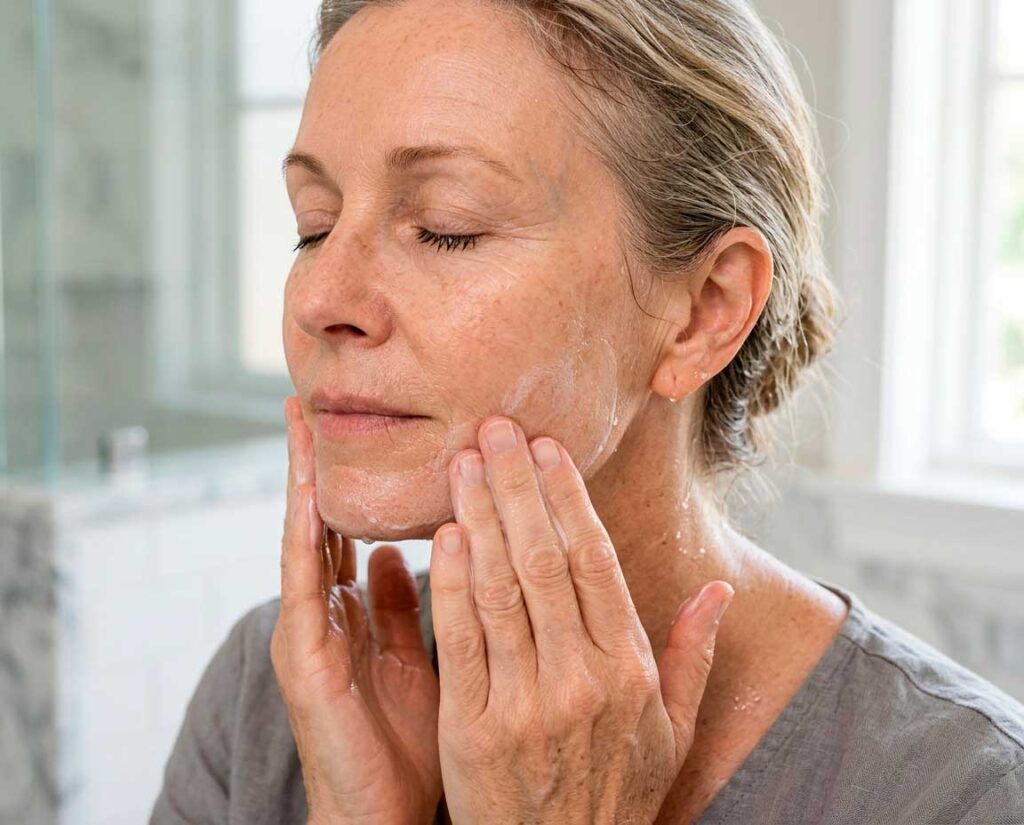
Massage cleanser with your fingertips rather than letting it sit untouched on the surface. Move gently across the forehead, sides of the nose, cheeks, chin, jaw, and hairline. Include the brows if sunscreen or complexion products reached them. Give the product enough time to mix with surface residue, then rinse carefully with lukewarm water. Most rushed cleansing routines fail through poor coverage or incomplete rinsing, not a lack of strength.
Follow with toner only when it serves a clear purpose in your routine. Toner does not need to act as a correction for incomplete washing. A cotton pad covered in makeup after cleansing tells you the cleansing step needs improvement. Toners can add hydration, provide mild exfoliation, or prepare the skin for later products, depending on the formula. They should not become an excuse to leave sunscreen behind.
Choose Texture Based on Skin and Product Load
Cleanser texture affects how a product feels, spreads, and handles residue. Cream and milk cleansers suit people who value softness, low foam, and easy massage. They work especially well for normal, dry, mature, or seasonally sensitive complexions. A cleansing milk can also serve as the first stage of a double cleanse when makeup and sunscreen need extra loosening.
Gel cleansers feel refreshing in warm weather and often appeal to normal, combination, or oily skin. A well-formulated gel can remove oil and daily buildup without leaving the face tight. Foam alone does not tell you whether a cleanser is mild or harsh. The full formula matters more than the size of the lather.
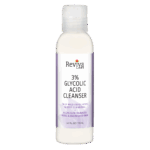
An exfoliating cleanser adds another function. Reviva Labs’ 3% Glycolic Acid Cleanser combines cleansing with mild surface exfoliation and includes glycerin, aloe vera, allantoin, and chamomile alongside glycolic acid. This type of product can suit skin concerned with dullness, uneven texture, visible sun damage, or oiliness. It still requires thoughtful use, especially when your routine also contains leave-on acids, retinoids, or other active products.
An exfoliating cleanser should not become your response to every humid day. More sweat does not automatically require more acid. If your face feels sensitive after sun exposure, wind, chlorine, salt water, or repeated towel drying, choose a simple gentle cleanser instead. Exfoliation works best when skin feels calm enough to tolerate it.
Sweat Calls for Timing Rather Than Scrubbing
Sweat serves an important purpose by helping regulate body temperature. The goal is not to prevent it from touching your face. The goal is to avoid leaving a mixture of sweat, oil, bacteria, sunscreen, and friction trapped against skin for long periods. Prompt, gentle care works better than aggressive cleaning later.
After a workout, remove tight hats, headbands, helmets, or straps as soon as practical. Blot sweat with a clean towel instead of dragging the towel across your face. When possible, wash with a gentle cleanser and lukewarm water. If a full cleanse is not available, rinse or blot carefully, then perform a proper cleanse when you get home.
Repeated washing creates its own problem. The American Academy of Dermatology generally recommends cleansing twice daily and after heavy sweating. This does not support washing every hour because your forehead looks shiny. For light midday perspiration, blotting often makes more sense than completing another full cleanse.
People who exercise outdoors also need to think about sunscreen replacement. Washing after a workout removes sunscreen along with sweat and oil. Apply fresh sun protection before returning outdoors. Do not treat post-workout cleansing as the last skincare step if daylight exposure continues.
Workout towels, pillowcases, hat bands, and phone screens also affect the cleanliness of your routine. Washing your face carefully offers limited value when you immediately press it against a dirty surface. Keep frequently used items clean, especially during periods of heavy sweating. This simple habit often improves comfort without requiring another active ingredient.
Pool Water and Salt Water Need a Gentler Response
Swimming changes the skin’s surface in a different way. Chlorinated pool water can leave skin feeling dry and tight, while ocean water leaves salt behind as it evaporates. Sunscreen, water, and repeated towel drying add more stress. The face often needs cleansing after swimming, but harshness is rarely the answer.
Rinse with fresh water soon after leaving the pool or ocean. This removes much of the chlorine, salt, sand, and loose sunscreen sitting on the surface. Later, use a gentle cleanser to remove remaining product. Follow with a moisturizer suited to your skin rather than waiting for tightness to appear.
Avoid exfoliating immediately because your face feels rough after a beach day. Sand, wind, salt, sun exposure, and towel friction have already challenged the surface. An acid cleanser, scrub, cleansing brush, and retinoid used together can turn temporary roughness into lasting irritation. Give your skin a calm evening instead.
Sunburned skin requires even more care. Use cool or lukewarm water and a mild cleanser, or follow professional guidance based on the severity of the burn. Do not scrub peeling skin. Do not use cleansing as a way to remove damaged surface cells faster.
Summer skincare works best when you respond to what happened during the day. A quiet day indoors, a humid commute, a long run, and six hours at the beach do not require identical evening routines. Adjust the depth of cleansing while keeping the touch gentle. Flexibility protects the barrier better than one rigid method.
Common Summer Cleansing Mistakes
The first mistake is confusing oil removal with skin health. A squeaky finish can feel satisfying when humidity has made your face shiny. Yet excessive oil removal often leaves the skin uncomfortable and reactive. Clean skin should still feel like skin.
The second mistake is relying on cleansing wipes as the full evening routine. Wipes can help during travel, workouts, or emergencies, but they often move residue around instead of rinsing it away. They also encourage repeated rubbing. When possible, follow with a proper water-based cleanse.
The third mistake is using hot water because it seems better at cutting through oil. Hot water can increase dryness and irritation. Lukewarm water supports effective rinsing without creating unnecessary stress. Your cleanser, not extreme temperature, should do the removal work.
The fourth mistake is adding multiple exfoliating products because pores look larger in humidity. Oil and shine can make pores appear more noticeable, but scrubbing does not permanently change pore size. Excessive exfoliation can make the surrounding skin look rougher, which draws more attention to texture. Consistent cleansing, sensible exfoliation, hydration, and sun protection offer a more balanced approach.
The fifth mistake is forgetting rinse time. Cleanser residue can remain around the nostrils, hairline, brows, and jaw. Spend enough time rinsing every area you cleansed. Then pat with a clean, soft towel rather than rubbing until the face feels dry.

Build a Routine You Can Repeat
A successful summer cleansing routine does not need ten steps. In the morning, use a light cleanse suited to how your skin feels when you wake. Follow with the rest of your skincare and adequate sun protection. At night, remove the full day with one thorough cleanse or a gentle double cleanse when your product load calls for it.
Consistency matters more than intensity. A careful sixty-second cleanse each evening usually serves skin better than an aggressive scrub performed whenever buildup becomes obvious. Cover the full face, use your fingertips, rinse completely, and watch how your complexion responds over several days. Small technique changes often solve problems blamed on the cleanser itself.
Your cleanser should also fit the treatments used after it. A routine filled with retinol, glycolic acid, salicylic acid, brightening ingredients, or strong acne products leaves less room for an aggressive wash. Cleansing prepares the skin. It should not compete with every other step for the title of strongest product.
June asks more from your cleansing routine because you ask more from your skin. You spend more time outdoors, sweat more often, apply more sunscreen, and expose your face to changing environments. The answer is not to wage war on oil or perspiration. The answer is to remove the day thoroughly while leaving the barrier ready for tomorrow.
January cleansing often protects skin from dryness. June cleansing must remove a more complicated mixture without causing summer sensitivity. That difference makes technique, timing, and product choice more important. Wash well, rinse well, and stop before clean turns into stripped.
Frequently Asked Questions
Should I wash my face more often during summer?
Most people still need a full cleanse only in the morning, at night, and after heavy sweating. Washing every time your face looks shiny can lead to dryness, irritation, and barrier stress. Blot light perspiration or excess surface oil with a clean tissue when another full cleanse is unnecessary. After a workout or prolonged sweating, wash gently as soon as practical. Your face should feel refreshed after cleansing, not tight or raw.
Do I need to double cleanse every night in summer?
Double cleansing works well when you wear water-resistant sunscreen, heavy makeup, repeated sunscreen layers, or long-wear complexion products. A light indoor day with one layer of easily removed sunscreen might require only one careful cleanse. Check for residue around your hairline, nose, jaw, ears, and neck. The first cleanser should loosen resistant material, while the second should refresh the skin without stripping it. Skin comfort matters more than following a trend.
Can I wash sunscreen off with water alone?
Water alone often leaves sunscreen residue behind, especially when the formula is water resistant. Sunscreens contain oils, waxes, pigments, minerals, and film-forming ingredients designed to stay on skin. A suitable cleanser helps these materials mix with water and rinse away. Some resistant formulas respond best to a cleansing oil, balm, or milk before a water-based cleanser. Always cleanse gently rather than trying to remove residue through force.
Is a foaming cleanser bad for summer skin?
Foam does not automatically make a cleanser harsh. Mild gel and foaming cleansers can work well for normal, combination, and oily skin. Judge the product by how your face feels after repeated use, not by the amount of lather. Tightness, burning, persistent redness, and flaky patches suggest your cleanser or technique needs adjustment. A cleanser can remove summer buildup effectively while still leaving skin comfortable.
Should I use an exfoliating cleanser every day in summer?
Daily use depends on the formula, your skin, and the rest of your routine. A mild exfoliating cleanser has brief contact with the skin and can help improve dullness or texture. Still, combining it with leave-on acids, retinoids, scrubs, and strong treatments raises the risk of irritation. Reduce use after significant sun exposure, swimming, wind exposure, or any period of sensitivity. Sunscreen remains essential when using exfoliating products.
Why does my skin feel oily and tight at the same time?
Oiliness and dehydration can appear together. Heat and humidity can increase surface shine while over-cleansing removes protective lipids and leaves the skin feeling tight. Hot water, harsh surfactants, scrubbing, and frequent washing often worsen the combination. Switch to a milder cleanser, reduce friction, and apply an appropriate moisturizer after washing. Persistent irritation or acne deserves guidance from a board-certified dermatologist.
References and Sources
- American Academy of Dermatology Association. “Face Washing 101.” https://www.aad.org/public/everyday-care/skin-care-basics/care/face-washing-101
- American Academy of Dermatology Association. “10 Skin Care Secrets for Healthier-Looking Skin.” https://www.aad.org/public/everyday-care/skin-care-secrets/routine/healthier-looking-skin
- American Academy of Dermatology Association. “12 Summer Skin Problems You Can Prevent.” https://www.aad.org/public/everyday-care/skin-care-secrets/routine/prevent-summer-skin-problems
- American Academy of Dermatology Association. “Is Your Workout Causing Your Acne?” https://www.aad.org/public/diseases/acne/causes/workouts
- Chen, W., et al. “The Optimal Cleansing Method for the Removal of Sunscreen.” Journal of Cosmetic Dermatology, 2020. https://pubmed.ncbi.nlm.nih.gov/31157512/
- Ananthapadmanabhan, K. P., et al. “The Impact of Cleansers on the Skin Barrier and the Technology of Mild Cleansing.” Dermatologic Therapy, 2004. https://pubmed.ncbi.nlm.nih.gov/14728695/
- Walters, R. M., et al. “Cleansing Formulations That Respect Skin Barrier Integrity.” Dermatology Research and Practice, 2012. https://pmc.ncbi.nlm.nih.gov/articles/PMC3425021/
- Mijaljica, D., et al. “Skin Cleansing Without or With Compromise: Soaps and Syndets.” Molecules, 2022. https://pmc.ncbi.nlm.nih.gov/articles/PMC8954092/
- Lambers, H., et al. “Natural Skin Surface pH Is on Average Below 5, Which Is Beneficial for Its Resident Flora.” International Journal of Cosmetic Science, 2006. https://pubmed.ncbi.nlm.nih.gov/18489300/
- Blaak, J., and Staib, P. “The Relation of pH and Skin Cleansing.” Current Problems in Dermatology, 2018. https://pubmed.ncbi.nlm.nih.gov/30130782/