
Clean Beauty
How Four Popular Lip Masks Compare for Overnight Hydration
Jun
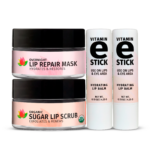
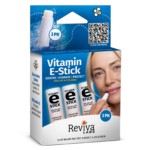
We just released our Overnight Lip Repair Mask, and getting it right took the better part of two years. It began as a companion to our hero Vitamin E Oil E-Stick, the lip balm our customers have leaned on for decades, and it moved through dozens of formulation rounds before it earned its spot in the line. Along the way, dozens of testers tried each version and told us honestly what was working and what was not. Their feedback shaped the texture, the feel, and the finish until the formula finally felt right. We figured the story behind it was worth sharing, because people ask us all the time how a product like this actually comes together.
The honest answer is that we never develop in a bubble. When we spot a gap in our line, we write up a specification and then get to work researching the category to see whether we can genuinely add value and how we might build the best possible formula. From there, real development begins with a rough set of dos and don’ts on ingredients, along with an outline of how the product should perform, how it should feel, and how and when it will be used. We map out the experience we want long before we settle on a final formula. That early groundwork keeps us honest about whether a new product truly earns its place.
And yes, we go shopping. We always look at what is already on the market, and we keep looking throughout development, encouraging our testers to compare our work in progress against other products they already know and trust. What follows is a simplified breakdown of some of the lip masks we looked at while developing our own. We also want to be upfront about something important. Every one of these products is good in its own right, we genuinely like them, and we have no doubt plenty of people love them too, so this is not about picking winners and losers but about showing how we weigh our own products against the field.

Why Lips Demand a Different Kind of Care
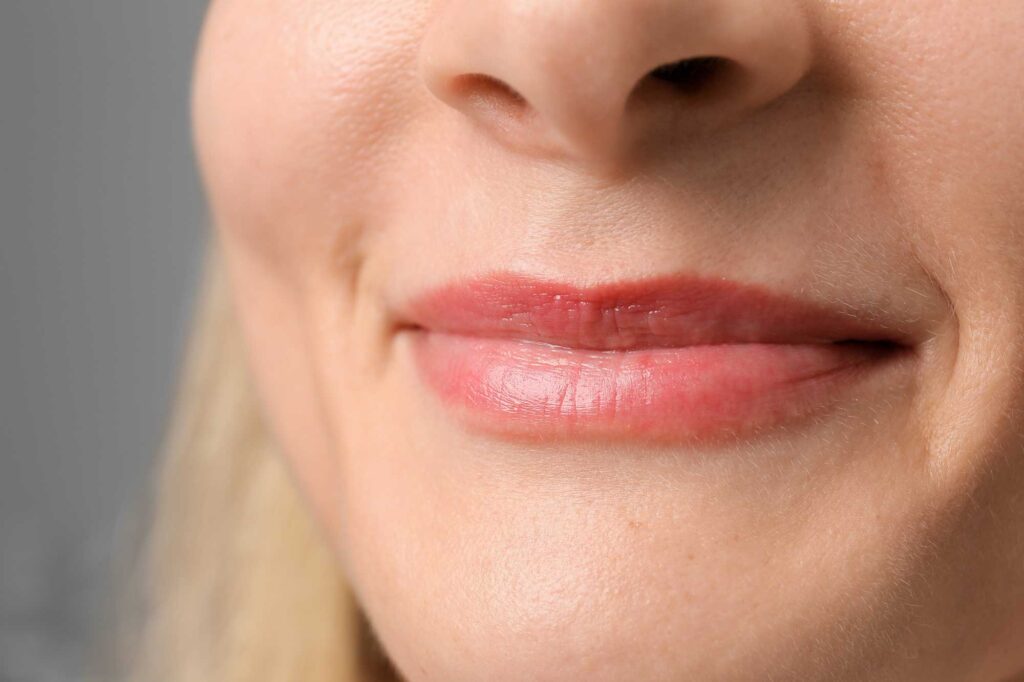
Before comparing formulas, it helps to know what these masks are actually fighting. Research published by Skin Inc. notes that lips lose moisture to the surrounding air, through what is called transepidermal water loss, at roughly three times the rate of the cheek. The outer layer of lip skin, called the stratum corneum, is also far thinner than the same layer on the rest of the face, averaging only about three to five cell layers where ordinary facial skin can stack fifteen to twenty. Lips also have almost none of the oil glands and sweat glands that keep the rest of the face lubricated, which means they cannot self-moisturize the way cheeks and foreheads do. Their total ceramide content runs lower than other areas of the body, and ceramides are a large part of what holds water inside skin. Put those facts together and you get a surface that dries quickly, cracks easily, and depends almost entirely on whatever you choose to apply.
This is the reason the lip mask category exists at all. A daytime balm has to survive talking, eating, and drinking, so its protective layer is constantly being wiped away. Nighttime is different, because the lips sit undisturbed for hours and a richer, heavier layer can stay put and do sustained work. The strongest overnight masks combine occlusive ingredients that slow moisture escape with emollients that soften and smooth the surface. When those two jobs are handled well, you tend to wake up to lips that feel cushioned rather than tight.
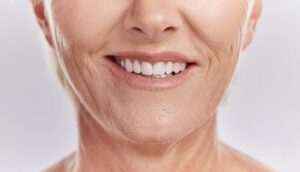
Age changes the math too. As the body produces less collagen and the tissue thins further, lips hold even less water and need more frequent replenishing. The faint vertical lines that appear above and around the mouth become more visible as the surface loses its plumpness over time. A mask cannot reverse that process, but a well-chosen one can keep the surface conditioned, so those lines look softer and the lips feel more comfortable through the day. That is the realistic bar these four products are being measured against, and each one clears it in its own way.
The Established Crowd Favorite
We have a lot of respect for the mask that more or less created this whole category. The LANEIGE Lip Sleeping Mask is the priciest balm in our group at $24, though it also gives you the most to work with at 20 grams, so by weight it lands at about $1.20 per gram, which is honestly a fair deal. When we looked at how it is built, we found a base made mostly of synthetic emollients and waxes like diisostearyl malate, hydrogenated polyisobutene, and microcrystalline wax, all chosen because they are stable, glide on smoothly, and last a long time on the shelf. Sitting on top of that base are the nicer touches, including shea butter, murumuru seed butter, coconut oil, and vitamin C as ascorbic acid. The brand also tells us it is free of parabens and phthalates, which we always like to see.
It is also the most thoroughly tested mask we compared. The brand points to a one-week clinical study on 32 women between 25 and 35 that reported a 135 percent jump in hydration right after applying it, plus hydration lasting eight hours. In the self-reported part of that study, most of the women felt their lips were softer, more hydrated, and healthier looking after a week. If you like seeing some testing before you buy, there is more of it here than almost anywhere else we looked. Our only real notes are about what comes along for the ride.
Those notes are about taste rather than how well it works. The formula has added fragrance, synthetic colorants like Yellow 6 Lake and Red 6, and the preservative antioxidant BHT, and we know some shoppers go out of their way to skip those. The study group is also fairly small at 32 people, and a lot of the weeklong results are self-reported rather than measured by instruments. None of that stopped people from loving it for years, and we completely understand why. It simply leans synthetic and scented, and how much that matters really comes down to you.
The Prestige Jelly Option
Tatcha went a different direction than everyone else, and we found that interesting. The Tatcha Kissu Lip Mask is a light jelly rather than a thick balm, and it is built to wear during the day just as easily as overnight. At $29 for 9 milliliters, it is both the most expensive and the smallest of the group, so the cost per use is the highest by a good margin. The ingredient list leans botanical and is led by squalane, camellia seed oil, peach and rose extracts, the soothing ingredient allantoin, and a peptide called palmitoyl tripeptide one. It is vegan and cruelty free per Tatcha, and it meets the Clean at Sephora standard, meaning no parabens, sulfates, phthalates, or mineral oils, which is a real draw if those are on your list.
It also carries the most consumer testing we saw, an independent study of 40 women with results checked at one night, one week, and two weeks. The women reported softer, more supple lips after a single night, and the numbers for repair, firmness, and overall condition kept climbing the longer they used it. We liked the day or night flexibility too, since a jelly that feels comfortable in daylight earns its keep well beyond bedtime. Our main hesitation is simply the price set against how little you get. It also has added fragrance and the preservative phenoxyethanol, worth a glance if scented products tend to bother you.
The Accessible Everyday Pick
If price is what matters most to you, this is the easy one to reach for. At $8, the e.l.f. Holy Hydration! Lip Mask is the most affordable of the four and the simplest to find on a normal drugstore run. For the money, it brings a solid hydration lineup, including hyaluronic acid as sodium hyaluronate, squalane, castor seed oil, soluble collagen, and vitamin E. It is made to feel light rather than greasy or sticky, so you can layer it under other lip products or wear it on its own overnight without a heavy film. For anyone curious about lip masks who does not want to spend much to try one, we think it is a smart place to start.
The give and take here is about size, scent, and the lack of published testing. At 4.4 grams it is the smallest jar in the group, so that low price does not actually win on cost per gram. The formula has added fragrance plus a few listed fragrance allergens, including linalool, geraniol, limonene, and benzyl benzoate, along with possible synthetic colorants in the may contain line. Unlike the two prestige options, there is no clinical or consumer testing offered, so you are trusting the ingredient list instead of reported results. At $8, we think that is a perfectly reasonable trade for a lot of people.
The Plant Based Contender
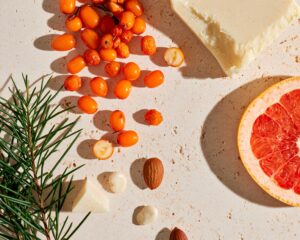
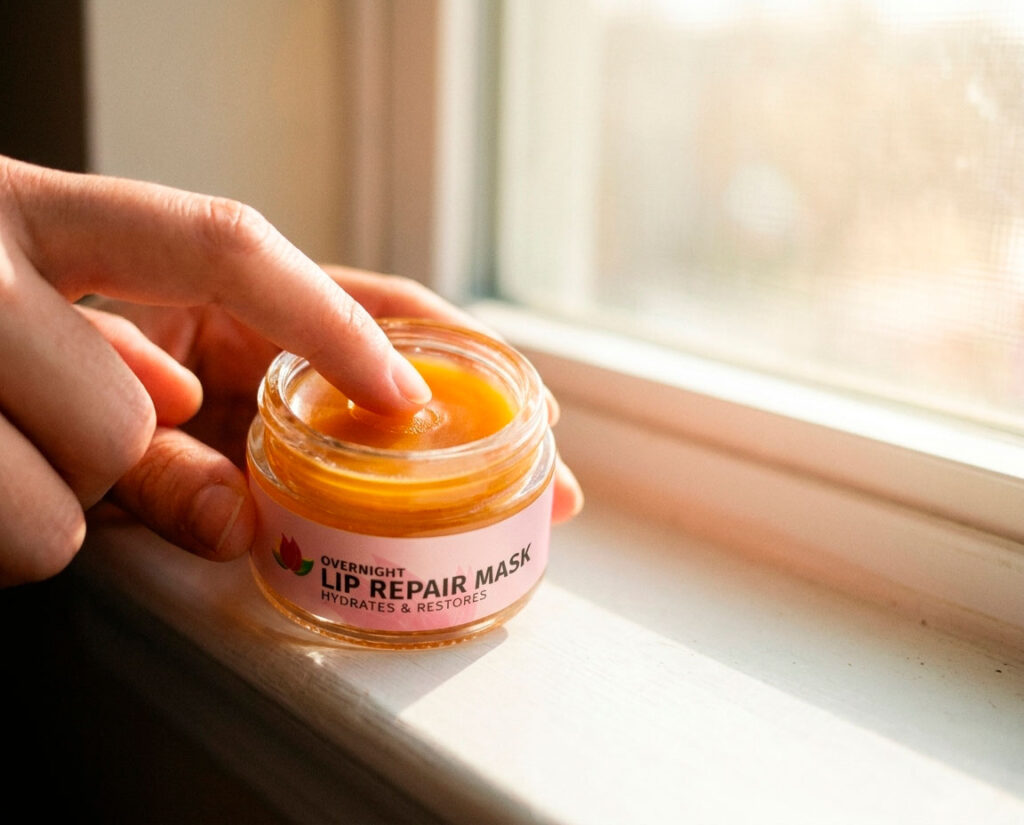
This one is ours, so we will be as straight with you as we were about the others. We took the most pared down route of the group, building the Overnight Lip Repair Mask almost entirely on naturally derived plant oils, butters, and waxes. The list stays short and easy to read, led by organic jojoba, sweet almond, shea, and buriti fruit oils for softening, with candelilla and carnauba waxes forming a flexible seal over the lips. We paired those with Ceramide NP, the barrier supporting lipid that lips naturally run low on, plus sea buckthorn extract and mixed tocopherols for antioxidant support. There is no added synthetic fragrance, the light scent comes from grapefruit and mandarin peel oils, and we left out synthetic colorants, silicones, and petroleum derived waxes. At $18 for 15 grams, it sits in the middle on price while tying for the best value by weight in the set at about $1.20 per gram.
It will speak most to people who read labels and lean toward naturally derived formulas. We built the ceramide and plant oil pairing around what lip skin actually lacks, since the surface is naturally short on both ceramides and its own oils. To be fair about it, we do not publish clinical or consumer study percentages the way the two prestige names do, so our case rests on the formula itself rather than numbers. The citrus peel oils that give it scent are naturally derived, though they are still worth a patch test for the most sensitive lips. We are also newer to this shelf than the established names, but after the better part of two years of work we are proud of where it landed.
Quick Review Comparison
| Product | Price | Size | Format | Standout ingredients | Fragrance | Published testing |
|---|---|---|---|---|---|---|
| LANEIGE Lip Sleeping Mask | $24.00 | 20 g | Balm | Shea, murumuru, coconut oil, vitamin C | Added fragrance plus colorants | Clinical and self-assessment, 32 women |
| Tatcha The Kissu Lip Mask | $29.00 | 9 mL | Jelly | Squalane, camellia oil, peptide, peach and rose | Added fragrance | Consumer study, 40 women |
| e.l.f. Holy Hydration! Lip Mask | $8.00 | 4.4 g | Balm | Hyaluronic acid, squalane, castor oil, collagen | Added fragrance plus allergens | None provided |
| Reviva Labs Overnight Lip Repair Mask | $18.00 | 15 g | Balm | Bis-Diglyceryl Polyacyladipate-2 (Plant-Derived Lanolin Alternative), Ceramide NP, jojoba, almond, buriti, shea | No added synthetic fragrance | None provided |
Prices, sizes, and formulation details above reflect each brand’s published product information as of June 2026 and can change over time, so check the current label before relying on them.
Reading the Real Differences
When we line all four up, the clearest difference is philosophy rather than quality. Two of them, the crowd favorite balm and the budget pick, lean on synthetic emollients and waxes that are stable, dependable, and lovely to apply. One takes a botanical path inside a clean prestige framework, and ours goes furthest toward naturally derived plant sourcing with a deliberately short list. Every one of these can hydrate lips well, so the choice really comes down to which ingredients you want on your skin and what you feel like spending. There is no single winner here, just the best fit for what you care about.
Value also shifts depending on how you measure it, which we think is worth pointing out. By sticker price the $8 option is the obvious bargain, but because the jar is so small it lands in the middle on cost per gram. The two balms at $24 and $18 actually tie for the best value by weight at roughly $1.20 per gram, since both come in generous sizes. The jelly is the priciest no matter how you slice it, though its day and night flexibility and clean formula are part of what you are paying for. If you are counting cost per use, the two larger balms are where we would look first.
Fragrance is the last real dividing line. Three of the four have added fragrance, and two of those list specific fragrance allergens, which matters a lot if your lips tend to react to scented products. Ours skips synthetic fragrance and leans on citrus peel oils for a light natural scent, though we will be honest that even botanical scent can bother the most sensitive among us. If reactivity is your big concern, there is no fully unscented synthetic option in this particular group, so your best bets are the naturally scented plant-based mask or a careful patch test of whatever you choose. Reading the full ingredient list start to finish is still the most reliable guide we can give you.
Matching a Mask to Your Lips
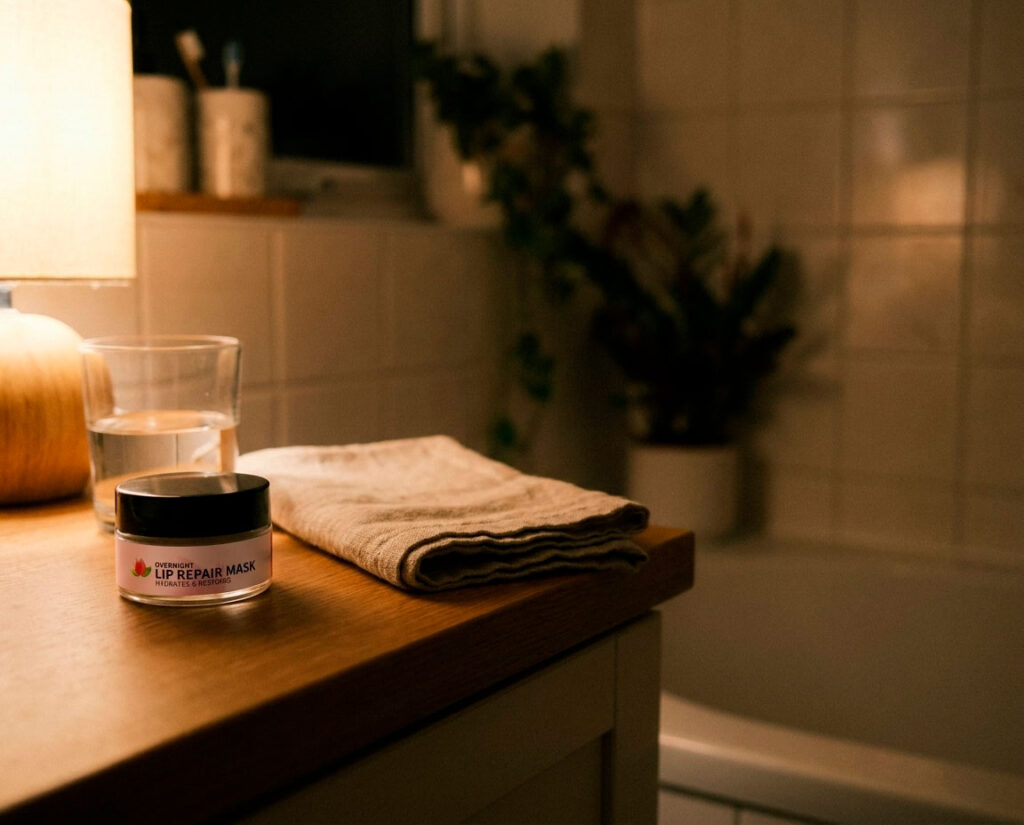
If published testing puts you at ease and you want the name with the most data behind it, the established balm makes a strong case, and its large size softens that $24 price. If you want a clean, vegan formula with peptides and the freedom to wear it in daylight, the prestige jelly is the pick, as long as the small size and the $29 cost sit well with you. If you are brand new to lip masks or just want the lowest way in, the $8 drugstore option lets you try the format with almost nothing on the line. And if you read labels closely and prefer naturally derived plant oils with barrier supporting ceramides and no synthetic fragrance, well, that is exactly the lane we built ours for.
The honest takeaway is that these masks are not interchangeable, even though they share a shelf and a similar promise. The differences in base ingredients, scent, size, price, and testing are all real and worth weighing against your own routine. Lips lose moisture faster than the rest of your face and cannot top it up on their own, so the right overnight mask earns its place by doing the work your skin cannot. Any of these four can do that for the right person, and the best one is simply the one whose tradeoffs you are happiest to live with. Whatever you pick, patch test it on a small spot first, especially if your lips tend to react to new things.
Frequently Asked Questions
How often should I use an overnight lip mask?
Most people use a lip mask nightly, since the lips lose moisture continuously and there is no real downside to consistent overnight conditioning. If your lips are only occasionally dry, a few nights a week may be plenty, and you can scale up during cold or dry weather when lips tend to suffer most. Pay attention to how your own lips respond and adjust from there. There is no fixed schedule that suits everyone.
Can I wear a lip mask during the day?
It depends on the format and how heavy the product feels. A lightweight jelly is often designed for day or night wear, while a dense balm may feel too thick and slip under daytime activity. You can certainly wear any of them during the day if the texture feels comfortable to you, though heavier masks generally do their best work overnight when the lips are undisturbed. Check the label, since some products are positioned specifically for one or the other. One thing we will point out is that Reviva suggests using our Vitamin E Oil E-Stick lip balm during the day to complement the heavier lip mask at night.
Are lip masks really different from regular lip balm?
The line can blur, but the idea behind a mask is a richer, more intensive treatment meant to sit on the lips for an extended stretch rather than constant reapplication. A daytime balm is built to be reapplied often because eating and talking wear it away, whereas an overnight mask aims to stay put and condition the surface for hours. In practice, the best masks combine occlusive ingredients to slow moisture loss with emollients to soften the surface. A simple balm may do less of the second job.
Why do my lips still feel dry even when I use products?
Lips have almost no oil glands of their own and a very thin protective outer layer, so they give up moisture far faster than the rest of the face. If a product only adds water without sealing it in, that moisture can evaporate quickly and leave lips feeling dry again. Habits like lip licking, very dry indoor air, and sun exposure all make the problem worse. Look for a formula that pairs hydrating ingredients with oils, butters, or waxes that help hold moisture in place.
Are synthetic ingredients in lip masks something to worry about?
Not inherently. Synthetic emollients and waxes are widely used because they are stable, smooth, and effective, and many people use them with no issue at all. The choice between synthetic and naturally derived formulas usually comes down to personal preference and label values rather than a clear performance gap. If you prefer to avoid certain ingredients, the most reliable approach is to read the full ingredient list and pick the formula that matches your priorities.
Can a lip mask reduce the look of fine lines on my lips?
A mask cannot change the underlying causes of fine lines, but a well-conditioned, hydrated surface tends to make those lines look softer and less noticeable. As lips lose plumpness with age, keeping them moisturized helps the surface appear smoother and more comfortable. The effect is cosmetic and depends on consistent use rather than a single application. Think of it as maintaining a healthy-looking surface rather than erasing anything permanently.
References and Sources
- Skin Inc., “The Anatomy of Healthy Lips.” Source for lip transepidermal water loss measured at approximately three times that of the cheek, for the lip stratum corneum averaging three to five cell layers versus roughly fifteen to twenty for typical facial skin, for lip ceramide content being lower than in other areas of the body, and for lips lacking sweat glands. https://www.skininc.com/science/physiology/article/22874864/the-anatomy-of-healthy-lips
- Clinical and consumer testing figures cited for individual products (the 135 percent immediate hydration increase and one-week self-assessment results for the LANEIGE mask, and the one night, one week, and two-week consumer study results for the Tatcha mask) are drawn directly from each brand’s own published product information as supplied. These figures reflect each brand’s reported results and have not been independently verified.
- Product prices, sizes, formats, ingredient lists, and formulation callouts are taken from the product descriptions supplied for this comparison.