
Natural, Reviva Labs, Skin Care
How to Keep Skin Hydrated in Summer Without Feeling Greasy

Aug
Hot weather creates a frustrating skincare contradiction. Your face can look shiny by noon while still feeling tight, rough, or uncomfortable after cleansing. Sweat increases, sunscreen adds another layer, and humid air makes every product feel heavier. Many people respond by removing moisturizer from their routine, only to find their skin feels less balanced as the season continues.
Oil and water are not the same thing. A shiny complexion reflects oil, sweat, skincare products, or a mixture of all three. Hydration refers to the water content within the skin’s outer layers. Your skin can produce plenty of oil while still lacking the water it needs to feel soft, smooth, and comfortable.
The solution is not to stop hydrating your skin. It is to change how you deliver and retain moisture. A lighter formula, a smaller amount, better layering, and smarter timing can keep your complexion comfortable without leaving a thick film behind. Summer skincare works best when every layer has a clear purpose.

Summer Changes What Your Skin Needs
Skin loses water through a natural process called transepidermal water loss. The skin barrier slows this movement, helping the outer layer retain enough water to stay flexible and smooth. When the barrier becomes stressed, water escapes faster and the surface can begin to feel tight, rough, flaky, or sensitive.
Heat and humidity do not automatically prevent this problem. The American Academy of Dermatology notes that dry, irritated skin can still develop during hot and humid weather. Sun exposure, swimming, frequent showering, harsh cleansers, and prolonged air conditioning all contribute to summer dryness. Sweat can make the surface feel wet while the skin beneath it still needs support.
Air conditioning creates another challenge. You might spend a hot afternoon outside, then sit for hours in a cool office, car, restaurant, or home where conditioned air removes moisture from the environment. Your skin repeatedly moves between heat, humidity, sweat, wind, chlorine, salt water, and dry indoor air. Those rapid shifts can leave it feeling less comfortable even when your face looks oily.
Summer routines also place more products on the skin. Sunscreen needs a generous, even application. Makeup often sits on top of sunscreen. Reapplication adds more layers throughout the day. A rich moisturizer beneath everything else can become too much, especially around the forehead, nose, and chin.
The goal is not maximum moisture at every step. Your goal is enough water-binding and barrier support to keep your skin comfortable under sunscreen. You want hydration that settles into the skin instead of sitting heavily on top of it.

Oily Skin Can Still Be Dehydrated
Oily skin describes how much sebum your skin produces. Dehydrated skin describes a temporary lack of water. One is a skin type or ongoing tendency, while the other is a condition that can affect dry, normal, combination, or oily complexions.
This difference matters because dehydration can look like oiliness. When the surface feels stripped or uncomfortable, you might notice increased shine, uneven texture, more visible fine lines, or makeup that separates. You might also feel tightness immediately after washing, followed by oiliness a few hours later.
Aggressive cleansing often makes the cycle worse. A strong cleanser can remove more surface oil, but it can also leave skin irritated and uncomfortable. The American Academy of Dermatology recommends a mild, gentle face wash for oily skin rather than a harsh formula designed to make the face feel completely dry.
That squeaky-clean feeling is not a sign of superior cleansing. It often means the cleanser removed too much of the surface material that helps your skin remain comfortable. Your face should feel clean after washing, but it should not feel stretched or stiff when you smile.
You can test your routine by paying attention to the first thirty minutes after cleansing. If your face immediately feels tight, dry, itchy, or sensitive, your cleanser or water temperature might be too aggressive. If it becomes shiny soon afterward, adding more cleansing steps is not always the answer. A gentler cleanse followed by a small amount of lightweight hydration often creates a more balanced finish.
Choose Hydration Without Excess Weight
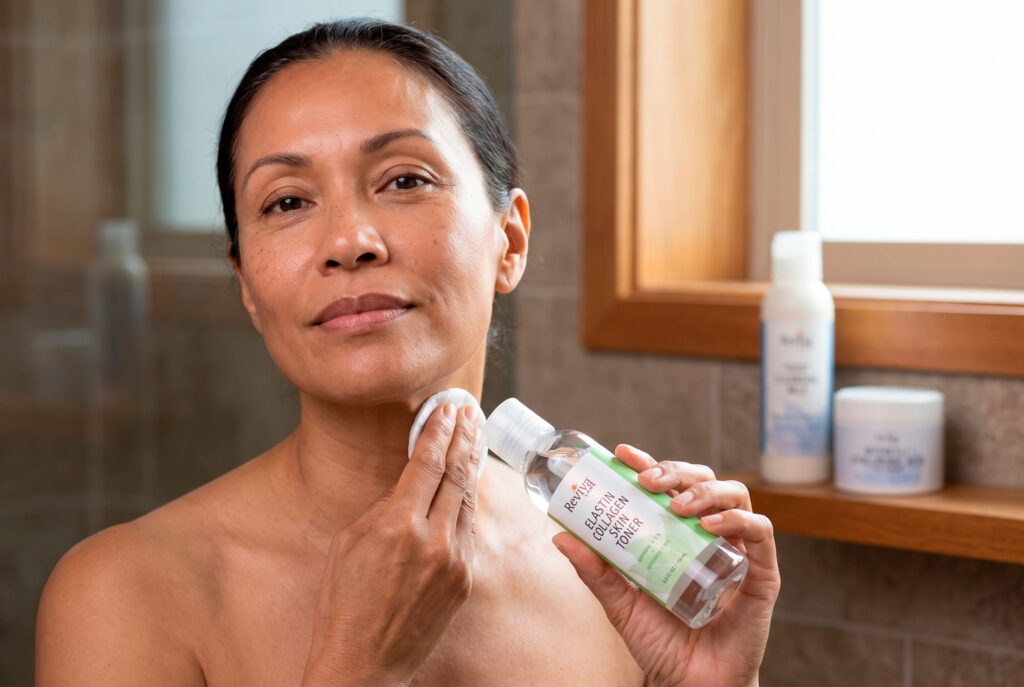
Moisturizers use several types of ingredients to improve skin hydration. Humectants attract and bind water. Emollients smooth the spaces between surface cells. Occlusive ingredients create a barrier that slows evaporation.
Each category plays a useful role, but the ideal balance changes with the weather. A thick cream with a high concentration of oils, waxes, or other barrier-forming ingredients can feel comforting during winter. The same formula can feel heavy under sunscreen during a humid August afternoon.
Gels and lightweight serums often fit summer routines more easily. The American Academy of Dermatology describes gels as water-based options that tend to feel lighter than lotions. A cream contains more oil and feels richer, while an ointment creates the strongest seal. The best choice depends on your skin type, the environment, and the severity of dryness.
Humectants such as glycerin, sodium PCA, hyaluronic acid, sorbitol, aloe, panthenol, and hydroxyethyl urea help increase water content within the outer skin. These ingredients do not all feel the same in a finished formula. The complete product, rather than one ingredient alone, determines whether it dries quickly, feels sticky, pills under sunscreen, or leaves a comfortable finish.
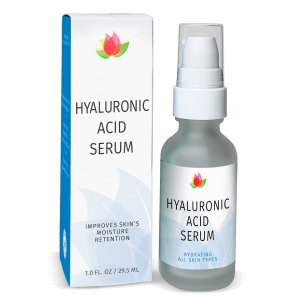
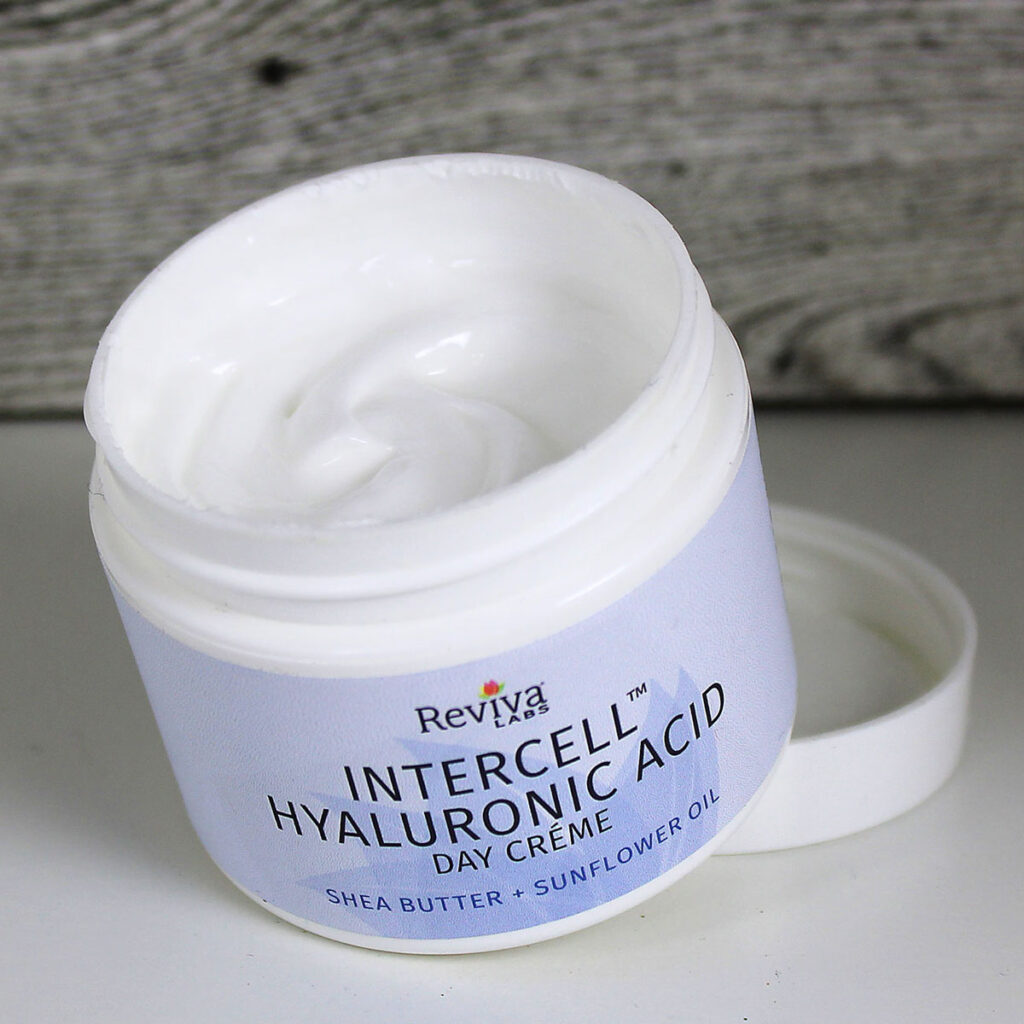
Hyaluronic acid works well in a light summer routine because it binds water without requiring a rich oil base. Reviva Labs’ Hyaluronic Acid Serum uses sodium hyaluronate with aloe vera and green tea extract in a straightforward water-based formula. Apply a thin layer rather than flooding your face with product. More serum does not always produce better hydration, and an excessive amount can create tackiness or interfere with the next layer.
A lightweight hydrating serum does not replace every moisturizer for every person. Dry or mature skin often needs an additional lotion or cream to slow water loss. Oily skin might feel comfortable with serum followed by sunscreen during the day. Combination skin often benefits from different amounts in different areas.
Apply Hydration While Skin Is Slightly Damp
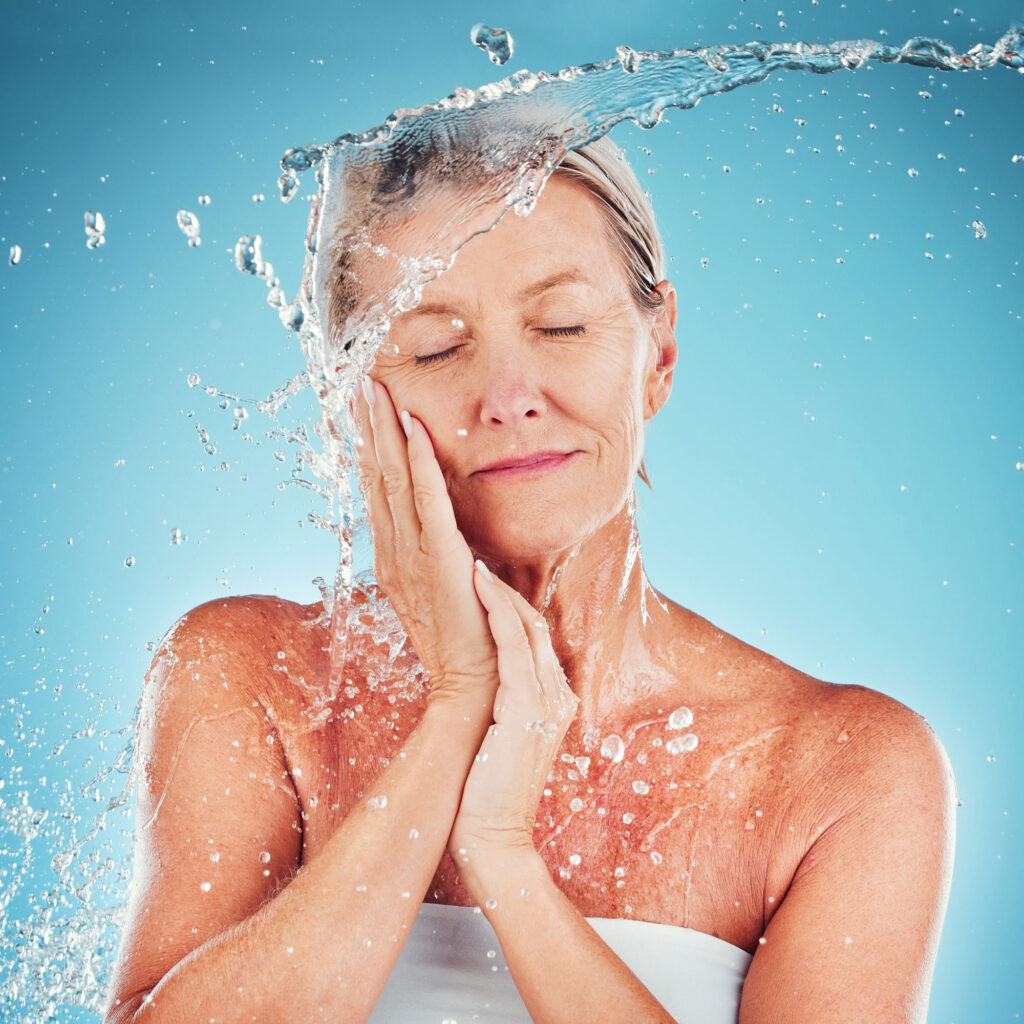
Timing changes how a hydrating product feels and performs. Applying serum or moisturizer to slightly damp skin helps capture some of the water already present on the surface. You do not need a dripping-wet face. A small amount of remaining moisture after cleansing is enough.
The American Academy of Dermatology recommends applying moisturizer soon after bathing because moisturizer helps trap water in the skin. This principle works for facial care too. Waiting until your face feels completely dry and tight makes it harder to restore comfort with a small amount of product.
After cleansing, gently pat away excess water but leave the skin faintly damp. Apply a thin layer of hydrating serum across the face and neck. Give it a brief moment to settle, then follow with a light moisturizer where needed.
Avoid rubbing each product until the skin feels dry. Hard rubbing creates friction and can encourage redness, pilling, and uneven application. Spread the product evenly, then press it in with clean fingertips. A thin, consistent layer works better than a thick layer concentrated in a few areas.
Facial mists can also add surface moisture before a humectant serum, but they do not replace a complete moisturizing step. Water sprayed onto the face eventually evaporates. Pair the mist with a serum, lotion, cream, or sunscreen that helps retain the added moisture.
Use Less Product Rather Than Skipping It
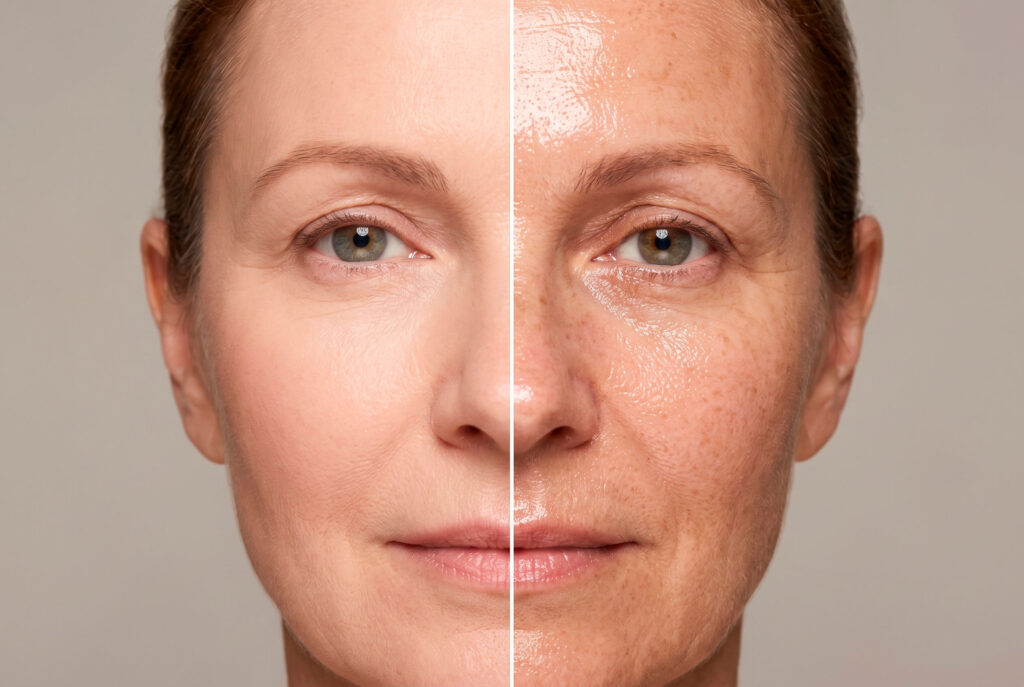
The amount you apply matters almost as much as the formula. Many people use the same quantity of moisturizer year-round even though summer brings more humidity, sweat, and sunscreen. Reducing the amount can solve the greasy feeling without removing hydration from the routine.
Start with less than you think you need. A thin film should cover the face without leaving visible streaks or a slippery surface. You can add a small amount to dry areas after the first layer settles.
Combination skin rarely needs identical treatment across the entire face. The forehead, nose, and chin often produce more oil. The cheeks, temples, jawline, and eye area often feel drier. Apply more moisturizer where your skin feels tight and less where it already feels comfortable.
This targeted method also works throughout the day. You do not need to coat the whole face again because one area feels dry. Add a small amount around the mouth, cheeks, or eye area while leaving the oilier center of the face alone.
The American Academy of Dermatology advises people with combination skin to treat the dry and oily areas differently. This approach feels less uniform, but it responds to what your skin is doing rather than forcing every area into the same routine. A few extra minutes spent matching product to area, rather than repeating the same step everywhere, often produces a more comfortable result by evening.
Keep Your Morning Routine Lean
A summer morning routine should prepare your skin for sunscreen, heat, and the products you plan to wear on top. Too many layers increase the chance of shine, pilling, and makeup separation. Each step needs to earn its place.
Begin with a gentle cleanse. Some people with dry or sensitive skin prefer rinsing with lukewarm water in the morning, especially when they completed a thorough cleanse the night before. Oily skin often benefits from a mild cleanser that removes overnight oil without leaving the face tight.
Follow with one lightweight treatment based on your main concern. This might be a hydrating serum, antioxidant serum, niacinamide product, or another targeted formula. Stacking three or four serums adds more film-forming ingredients and increases the chance of stickiness.
Next, apply a light moisturizer only where needed. People with oily skin often find their sunscreen provides enough daytime emollience when paired with a hydrating serum. Dry or mature skin generally benefits from a separate lotion or cream beneath sunscreen, even during summer.
Finish with a broad-spectrum, water-resistant sunscreen rated SPF 30 or higher. SPF 30 blocks about 97 percent of the sun’s UVB rays when applied in the tested amount. Higher SPF values block slightly more UVB, but no sunscreen blocks 100 percent, and every formula needs proper application and reapplication.
Sunscreen does not need to feel greasy. Gels often suit oily complexions, while creams tend to feel more comfortable on dry skin. The American Academy of Dermatology emphasizes that the best sunscreen is the one you will use consistently. Texture, finish, compatibility with makeup, and comfort all influence whether you apply enough.
Do Not Confuse Sweat With Excess Oil
Sweat and sebum come from different glands. Sweat helps regulate body temperature. Sebum helps lubricate and protect the skin. On a hot day, the two mix with sunscreen, makeup, environmental debris, and skincare residue, creating a shiny or slippery surface.
This mixture does not always require another full cleanse. Washing your face too often can create more irritation, especially when you use a strong cleanser each time. The American Academy of Dermatology recommends cleansing oily skin up to twice daily and after sweating.
After exercise or heavy sweating, rinse or cleanse the skin as soon as practical. Use lukewarm water and a gentle cleanser. Avoid scrubbing with a textured cloth or rubbing your face aggressively with a towel.
During an ordinary day, blotting can remove surface shine without stripping the skin. Press a clean blotting paper or soft tissue against oily areas for several seconds. Do not drag it across the face, since rubbing spreads oil and can disturb sunscreen or makeup.
After blotting, assess how your skin feels. If it feels comfortable, leave it alone. If it feels tight, add a small amount of lightweight hydration to the dry area. Avoid automatically applying another full layer of moisturizer every time you remove shine.
Adjust Your Routine After Swimming
Pool water and salt water can leave skin feeling dry even when the weather is humid. Chlorinated water removes surface oils and can irritate already sensitive skin. Salt water can leave a drying residue as it evaporates.
Rinse with fresh water after swimming rather than allowing chlorine, salt, and sunscreen residue to remain on the skin for hours. Use a mild cleanser if needed, especially when you applied water-resistant sunscreen. Follow with hydration while the skin still holds a little water.
Your post-swim moisturizer can be slightly richer than your daytime facial product. You are no longer building a routine beneath makeup, and your skin has faced more exposure. Apply enough to restore comfort without leaving a heavy coating.
Sun exposure also changes what your skin tolerates. Skip aggressive scrubs, strong exfoliating acids, and harsh masks when your face feels hot, tender, or irritated. Focus on gentle cleansing, hydration, and sun protection until it feels normal again.
A sunburn needs more than a cosmetic fix. Move out of the sun, cool the skin, and avoid products that sting. Seek medical care for severe blistering, significant swelling, fever, chills, dizziness, confusion, or other concerning symptoms.
Save Richer Moisture for Night
Nighttime gives you more freedom to use a nourishing moisturizer because you do not need to layer makeup or sunscreen over it. Even then, summer skin rarely needs the thickest product you own across the entire face. Matching the product to how your skin feels that evening, rather than to habit, keeps the routine from working against you.
Cleanse thoroughly enough to remove sunscreen, makeup, sweat, and daily residue. A second cleanse is useful when one gentle wash does not remove a durable sunscreen or heavy makeup. Avoid repeating the step out of habit when the first cleanse already leaves the skin clean.
Apply your treatment products in thin layers. Follow with a moisturizer based on how your skin feels, not how it behaved in January. A light gel-cream might cover the entire face, while a richer cream can go only on the cheeks, around the mouth, and other dry areas.
This is also the best time to evaluate whether your routine contains too many drying products. Retinoids, exfoliating acids, benzoyl peroxide, clay masks, and strong cleansers can each increase dryness or irritation. Using several of them together can overwhelm the barrier.
Reduce frequency before abandoning hydration. You might use an exfoliant fewer nights per week, alternate treatments, or pause one active while your skin recovers. A simpler routine often produces a smoother, less greasy-looking result because comfortable skin needs less corrective layering.
Hydration Needs Change With Age
Skin often becomes drier with age because it produces less oil and retains moisture less efficiently. A gel that felt sufficient in your twenties might not provide enough comfort later, even in humid weather. Summer does not erase these changes.
Mature skin often benefits from combining a water-binding serum with a lightweight cream. The serum supplies humectants, while the cream adds emollients and a controlled amount of barrier support. This pairing can feel more comfortable than applying one thick layer of cream.
Texture matters here. A well-formulated cream can feel silky and absorb quickly, while a poorly matched gel can feel sticky. Do not choose products based only on words such as gel, lotion, or cream. Pay attention to how the finished formula behaves on your skin and beneath sunscreen.
The American Academy of Dermatology advises adults over 50 and people experiencing perimenopausal changes to consider cream-based moisturizers because the skin holds less moisture with age. During summer, use a smaller amount, apply it strategically, or reserve the richer product for nighttime. Pay attention to how your skin responds through the season rather than assuming one formula will work from June through August.
You do not need to force your skin into an oil-free routine because the weather is hot. You need to balance comfort with wearability. The right routine leaves your face flexible and calm without creating a coating you can feel all day.
Watch for Signs You Are Overdoing It
A greasy finish does not always mean your moisturizer is too rich. It can also result from using too many products, applying each one too generously, or layering formulas that do not sit well together. Before assuming your moisturizer needs to change, look at how many steps you are stacking and how much of each one you are using.
Pilling is a common clue. Small rolls or flakes form when products collect instead of spreading into an even film. This can happen when you apply too much, rub excessively, combine incompatible textures, or move to the next layer before the first has settled.
Reduce your routine to the essentials for several days. Use a gentle cleanser, one hydrating product, moisturizer where needed, and sunscreen. Add targeted products back one at a time.
Also pay attention to irritation. Burning, persistent redness, itching, flaking, or a sudden increase in breakouts can signal a product reaction or an impaired barrier. Continuing to exfoliate through irritation rarely improves the problem.
A board-certified dermatologist can help when dryness, oiliness, acne, or sensitivity persists despite routine changes. Skin conditions such as eczema, rosacea, contact dermatitis, and acne often need more specific care than cosmetic trial and error provides. Persistent symptoms are worth a professional look rather than another round of product swaps.
Frequently Asked Questions
Can oily skin skip moisturizer in summer?
Oily skin still needs adequate hydration. A traditional cream is not always necessary, but removing every moisturizing step can leave the skin tight or uncomfortable. Try a lightweight gel, water-based serum, or a small amount of lotion. Your sunscreen might provide enough emollience during the day when paired with a hydrating serum. Judge the routine by how your skin feels after cleansing and several hours later, not by oil production alone.
Should hyaluronic acid go on wet or dry skin?
Apply hyaluronic acid to clean skin that is slightly damp rather than dripping wet. The remaining surface water helps the product spread easily and supports a comfortable finish. Follow with a moisturizer or sunscreen suited to your skin type. Humectants bind water, but many complexions also benefit from an emollient layer that helps slow evaporation. Use a thin amount to reduce stickiness and pilling.
Why does my face feel dry in humid weather?
Humidity does not protect your skin from every source of water loss or irritation. Sun exposure, chlorine, salt water, air conditioning, hot showers, harsh cleansers, and over-exfoliation can all leave skin dry. Sweat also creates the impression of moisture without replacing water inside the outer skin. A gentle cleanser and lightweight moisturizer applied after washing often restore comfort without adding a greasy coating.
Can I use facial oil instead of moisturizer?
Facial oil mainly supplies emollient and barrier-forming benefits. It does not provide the same water content as a water-based serum or moisturizer. Dry skin might enjoy a drop of oil over a hydrating layer at night. Oily or acne-prone skin often finds facial oils too heavy, especially during hot weather. Choose based on your skin’s response and avoid assuming every natural oil suits facial use.
How long should I wait between moisturizer and sunscreen?
You do not need a long delay. Give moisturizer enough time to settle so the skin no longer feels wet or slippery, then apply sunscreen evenly. Using thin layers usually matters more than watching the clock. When products pill, reduce the amount of moisturizer, press rather than rub, and test whether the formulas work better with a slightly longer settling period.
Does drinking more water hydrate dry facial skin?
Adequate fluid intake supports normal body function and helps prevent systemic dehydration, especially during hot weather. Drinking extra water does not replace topical care when the skin barrier is dry or irritated. Facial hydration depends heavily on gentle cleansing, water-binding ingredients, emollients, and protection from excessive water loss. Drink according to your health needs, then support the skin directly with an appropriate routine.
References and Sources
- American Academy of Dermatology. “How to Control Oily Skin.” Updated September 3, 2024.
https://www.aad.org/public/everyday-care/skin-care-basics/dry/oily-skin - American Academy of Dermatology. “How to Pick the Right Moisturizer for Your Skin.”
https://www.aad.org/public/everyday-care/skin-care-basics/dry/pick-moisturizer - American Academy of Dermatology. “12 Summer Skin Problems You Can Prevent.”
https://www.aad.org/public/everyday-care/skin-care-secrets/routine/prevent-summer-skin-problems - American Academy of Dermatology. “Sunscreen FAQs.”
https://www.aad.org/media/stats-sunscreen - Harwood A, Nassereddin A, Krishnamurthy K. “Moisturizers.” StatPearls, National Center for Biotechnology Information. Updated 2024.
https://www.ncbi.nlm.nih.gov/books/NBK545171/ - Green M, Kashetsky N, Feschuk A, Maibach HI. “Transepidermal Water Loss Environment and Pollution.” Skin Health and Disease, 2022.
https://pmc.ncbi.nlm.nih.gov/articles/PMC9168018/