
Ingredients, Natural, Reviva Labs, Skin Care
Do You Really Need a Toner? Here’s What It’s Actually Doing
Aug
Your skin’s natural surface pH averages below 5, yet washing with water and certain cleansers can temporarily raise it for several hours. That matters because the slightly acidic surface of your skin supports moisture retention, barrier function, and the balance of microorganisms living on your complexion. Toner first earned its place in skincare routines as a way to remove cleanser residue and help return freshly washed skin to a comfortable state. Modern cleansers have improved, but toners have changed too. Today, the word “toner” covers several distinctly different products, from lightweight hydration to daily exfoliation.
This broad definition creates much of the confusion. One person uses toner to remove the last traces of makeup. Another uses one as a liquid exfoliant. Someone else presses a hydrating toner into dry skin before applying serum. All three products carry the same name, yet they serve different purposes and produce different results.
So, do you need a toner? Not necessarily. A basic routine can function well with a gentle cleanser, moisturizer, and daily sunscreen. But the right toner can solve a specific problem, improve how your skin feels after cleansing, and add an active ingredient without the weight of another cream or serum. Its value depends on what is inside the bottle, not the word printed on the front.
Toner Has Moved Beyond Its Astringent Past
For decades, many people associated toner with a strong, alcohol-heavy liquid swept across the face with a cotton ball. The sharp scent, cooling sensation, and visible residue on the cotton pad made the product feel effective. Skin often felt tight afterward, which people interpreted as cleaner pores and better oil control. In reality, tightness frequently signaled dryness or irritation rather than a deeper level of cleansing.
Those traditional astringent formulas targeted oily and blemish-prone complexions by stripping surface oil. The effect was immediate, but it was not always helpful. Removing too much oil can leave skin uncomfortable, increase visible flaking, and weaken the moisture barrier. People with sensitive or mature skin often found those formulas especially difficult to tolerate.
Modern toners take a broader and gentler approach. Many alcohol-free options contain humectants, botanical extracts, soothing ingredients, antioxidants, or mild exfoliating acids. Instead of trying to make skin feel squeaky clean, they help it feel balanced and prepared for the next step. Some still support oil control, but they do so without relying on an aggressively drying finish.
This change means you cannot judge a toner by the category alone. A hydrating toner and a glycolic acid toner have about as much in common as a moisturizing cleanser and an exfoliating cleanser. Both enter the routine after washing, but they act differently on the skin. Reading the ingredient list and product directions tells you far more than the product name.
What Toner Does After Cleansing
A toner sits between cleansing and treatment. After washing and gently drying your face, you apply toner before serums, moisturizers, oils, or sunscreen. This placement allows a lightweight formula to reach clean skin without heavier products blocking direct contact. The exact benefit depends on the formula.
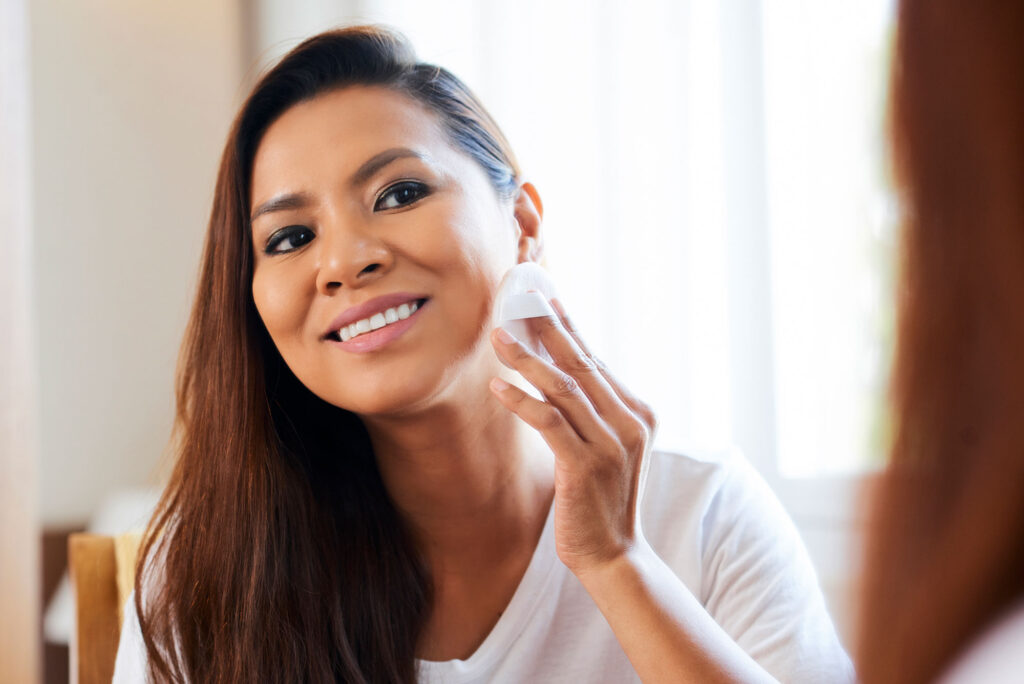
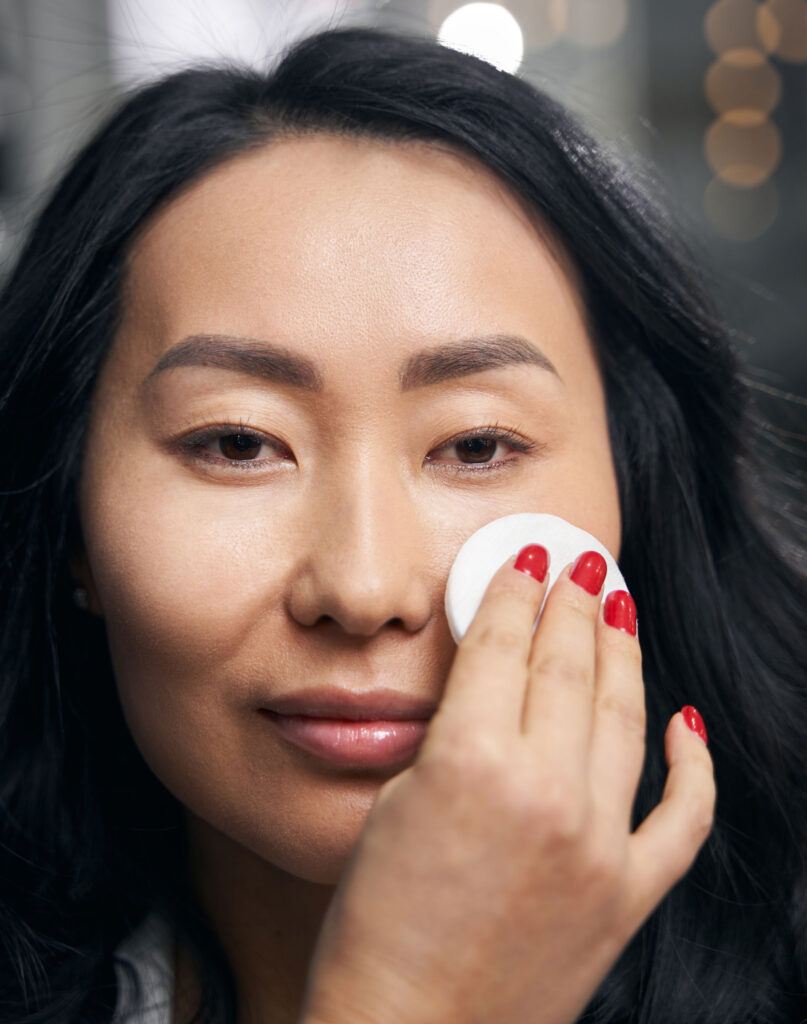
Some toners provide an extra cleansing pass. A cotton pad dampened with toner can lift traces of makeup, sunscreen, oil, cleanser, or debris left near the hairline, jaw, and sides of the nose. This does not mean toner should replace proper cleansing. It serves as a finishing step when your cleanser leaves something behind.
Finding residue on the cotton pad does not automatically prove your cleanser failed. The color can come from makeup, oxidized oil, environmental debris, or the toner interacting with material on the skin’s surface. Scrubbing harder is rarely the answer. A gentle second cleanse or a more suitable cleansing method often works better than repeatedly wiping the face.
Other toners focus on moisture. Ingredients such as glycerin, sodium hyaluronate, sodium PCA, aloe vera, and certain plant extracts attract or help retain water near the skin’s surface. Applying these formulas before moisturizer gives dehydrated skin an extra water-based layer. The moisturizer applied afterward helps reduce moisture loss and keeps the skin feeling comfortable longer.
An exfoliating toner performs another job entirely. Acids such as glycolic acid, lactic acid, or salicylic acid loosen the bonds holding older surface cells together. Regular, measured use can improve the appearance of dullness, uneven texture, clogged pores, and discoloration. This type of toner acts more like a treatment than a simple freshener.
The Truth About pH Balancing
The phrase “pH balancing” appears on countless skincare labels, but it often lacks context. Healthy skin has a naturally acidic surface, sometimes called the acid mantle. Research has found average natural skin surface pH below 5, and skin at lower pH levels showed stronger measurements for barrier function, moisture, and visible scaling than skin with higher pH levels. The same research found tap water alone can temporarily increase surface pH.
Cleansers can influence this balance too. Traditional alkaline soaps tend to raise skin surface pH more than mild synthetic cleansers. Strong surfactants can also remove lipids and disturb proteins within the outer skin layer. Mild, well-formulated facial cleansers reduce this disruption, which means many modern routines do not require toner solely to correct pH.
Your skin also works to restore its own equilibrium. It is not permanently pushed out of balance every time water touches your face. Still, the recovery period can leave some people feeling dry, tight, or uncomfortable. A gentle toner with hydrating and conditioning ingredients can make this transition feel better, even when pH correction is not the only reason.
This is why the old explanation that everyone needs toner to restore pH sounds too absolute. Someone using a mild, pH-appropriate cleanser and a good moisturizer might notice no benefit from adding another step. Someone using hard water, wearing long-wear makeup, or experiencing tightness after washing might appreciate it. Your skin’s response matters more than a universal rule.
Hydrating Toners Support Dehydrated Skin
Dry skin and dehydrated skin are related, but they are not identical. Dry skin produces less oil, while dehydrated skin lacks water. Oily, combination, and dry complexions can all become dehydrated. Common signs include temporary tightness, fine surface lines, rough texture, dullness, or oiliness paired with an uncomfortable feeling beneath the surface.
A hydrating toner gives you a thin layer of water-binding ingredients without the richness of a cream. Glycerin attracts water into the outer skin layer. Hyaluronic acid and sodium hyaluronate help hold water near the surface. Aloe vera can add light hydration while supporting a calmer, more comfortable feel.
Hydrating toner works best when followed by a moisturizer. Applying a water-based product and leaving it exposed does not always provide lasting comfort, especially in a dry climate or an air-conditioned building. A moisturizer adds emollients and barrier-supportive ingredients that help limit evaporation. Think of the toner as adding water and the moisturizer as helping keep it there.
You can apply a hydrating toner with clean hands rather than a cotton pad. Pour a small amount into your palm, spread it between your hands, and gently press it over your face and neck. This method reduces product waste and avoids unnecessary friction. Your skin should feel lightly damp, not saturated.
People with mature skin often appreciate this type of formula because oil production commonly declines with age. The skin can feel less flexible after cleansing and more sensitive to strong astringents. A light hydrating layer helps soften the transition from cleansing to treatment without making the routine heavy. It also pairs easily with serums, creams, and facial oils.
Exfoliating Toners Work Like Treatments
An exfoliating toner deserves more caution than a basic hydrating formula. Acids change how surface cells release from one another, which can smooth texture and brighten the look of dull skin. Glycolic acid, an alpha hydroxy acid, has a long history in cosmetic skincare and professional treatments. Studies support its ability to improve the appearance of uneven pigmentation, surface roughness, and photoaged skin when used appropriately.
Reviva Labs’ 4.2% Glycolic Acid Toner combines glycolic acid with aloe vera, sodium hyaluronate, allantoin, and glycerin. The formula reflects an important principle in exfoliation. An acid product does not need to feel harsh to perform its role. Supporting ingredients can help maintain comfort while the acid addresses surface buildup.
More acid is not always better. Concentration matters, but pH, delivery system, frequency, contact time, and the rest of your routine also influence the result. A lower-concentration product used consistently can fit a routine better than a strong product that causes repeated irritation. Skin does not earn extra benefits from being pushed until it burns.
Start an exfoliating toner slowly. Two or three evenings per week gives you time to assess how your skin responds. Apply it after cleansing and allow it to settle before adding a simple moisturizer. Increase frequency only when your skin stays comfortable, with no persistent stinging, redness, peeling, or unusual tenderness.
Avoid stacking several exfoliating products in the same routine without a clear reason. An acid cleanser, exfoliating toner, resurfacing serum, retinol, and facial scrub can create more irritation than improvement. Each product might work well on its own, yet the combined load can exceed what your skin tolerates. A focused routine usually performs better than an overloaded one.
Daily sunscreen becomes especially important when your routine includes exfoliating acids. Removing older surface cells can leave your complexion more vulnerable to visible effects from ultraviolet exposure. Sunscreen protects the progress you are trying to make and helps reduce the appearance of new uneven tone. Apply it every morning, even when you used the toner the night before.
Toner Does Not Shrink Your Pores
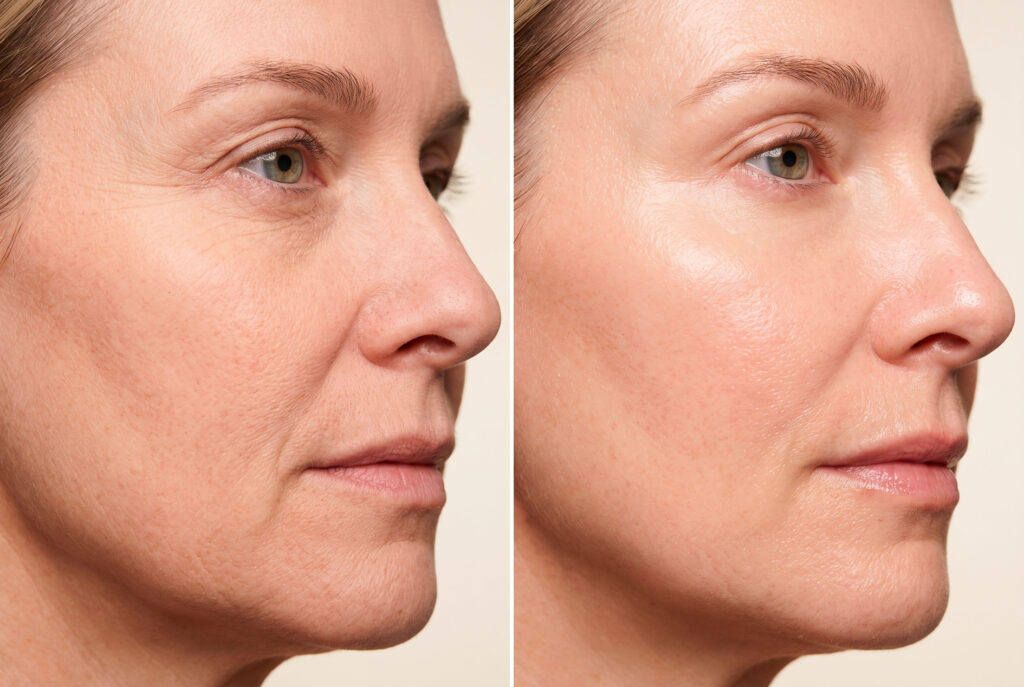
Pores do not open and close like doors. Their visible size relates to genetics, oil production, age, skin structure, sun exposure, and the material collected within them. A toner cannot permanently shrink the physical opening. Products that promise to close pores often rely on temporary tightening or oil removal.
A toner can still make pores look less noticeable. Exfoliating ingredients can clear surface buildup around the pore opening, creating a smoother appearance. Hydrating ingredients can soften fine dehydration lines around pores. Oil-controlling ingredients can reduce shine, which makes uneven texture less visually prominent.
This distinction matters because realistic expectations lead to better product choices. Look for an exfoliating toner when congestion and rough texture make pores stand out. Look for a hydrating formula when dryness exaggerates them. Look for niacinamide in your broader routine when excess oil contributes to visible shine and enlarged-looking pores.
Do not chase an aggressively tight sensation. Tightness does not prove pores have become smaller. It often means the product removed too much oil or caused temporary surface contraction. Comfortable, consistent care generally produces a smoother-looking result than repeated stripping.
Mature Skin Often Benefits From the Right Formula
Mature skin does not automatically need more products. It often needs products selected with greater care. Changes in oil production, moisture retention, cell turnover, and barrier resilience can make harsh formulas harder to tolerate. A toner designed for teenage oiliness might feel uncomfortable on skin experiencing age-related dryness.
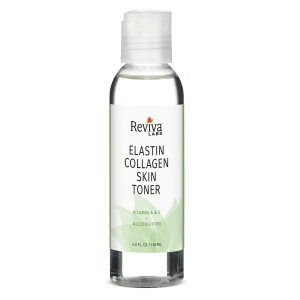
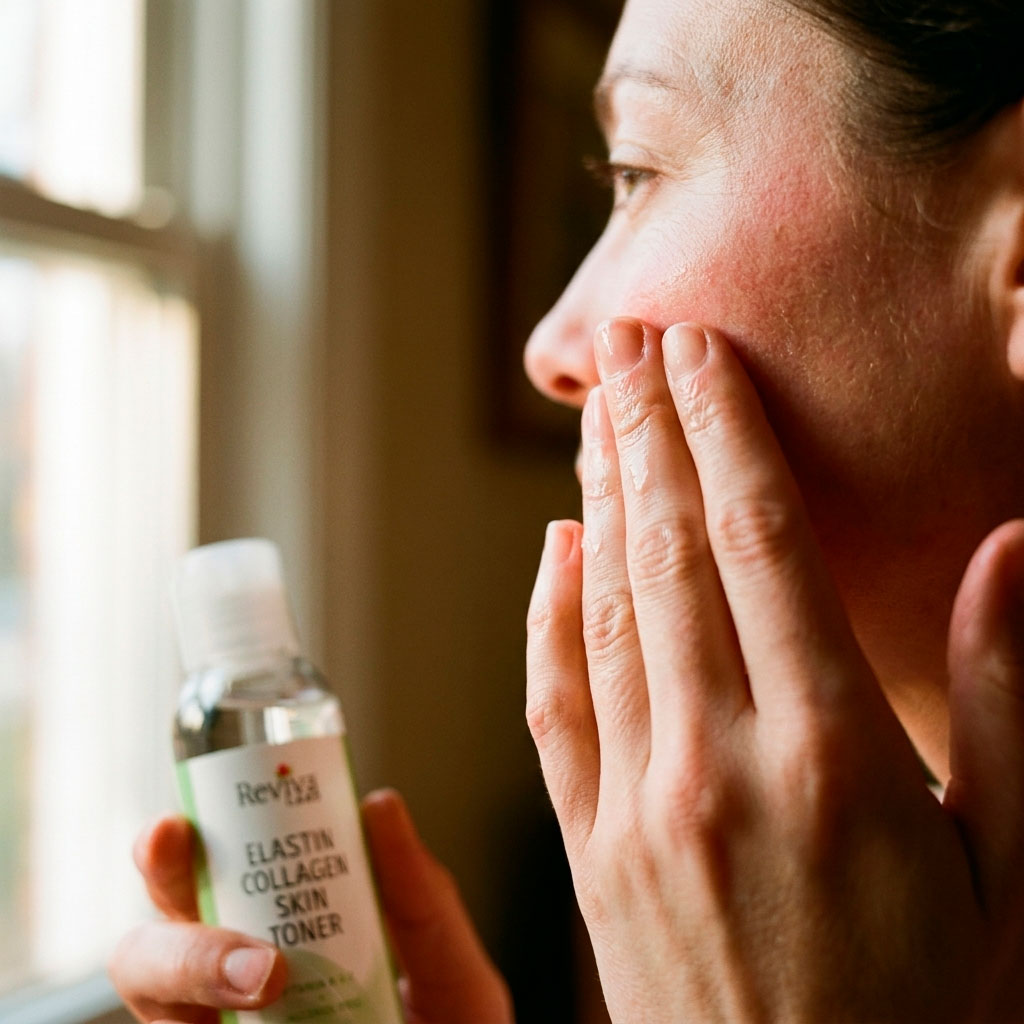
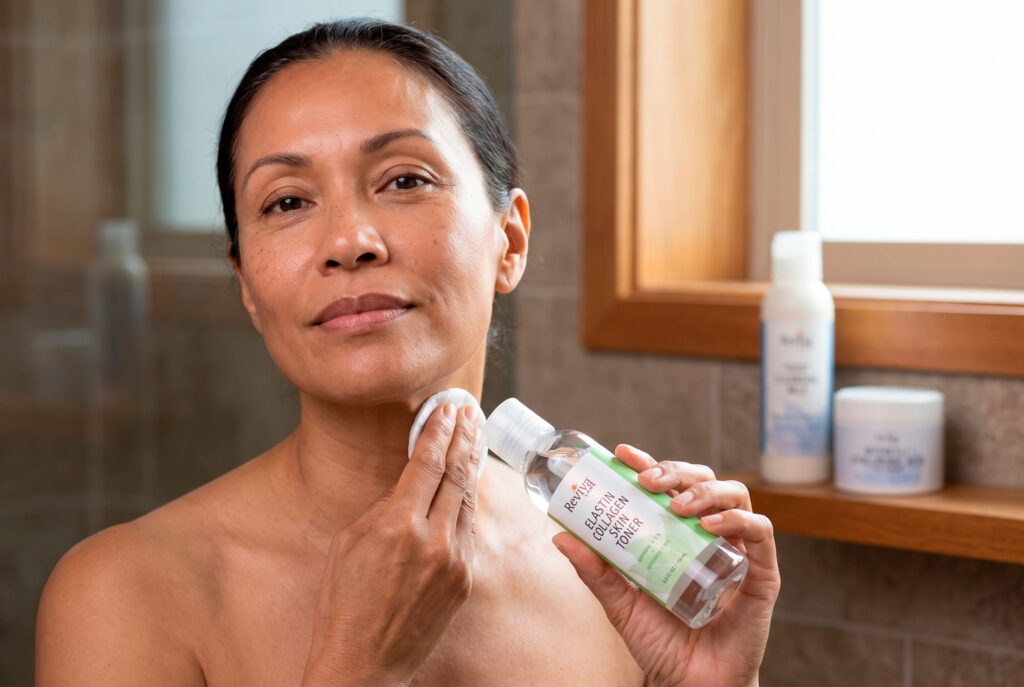
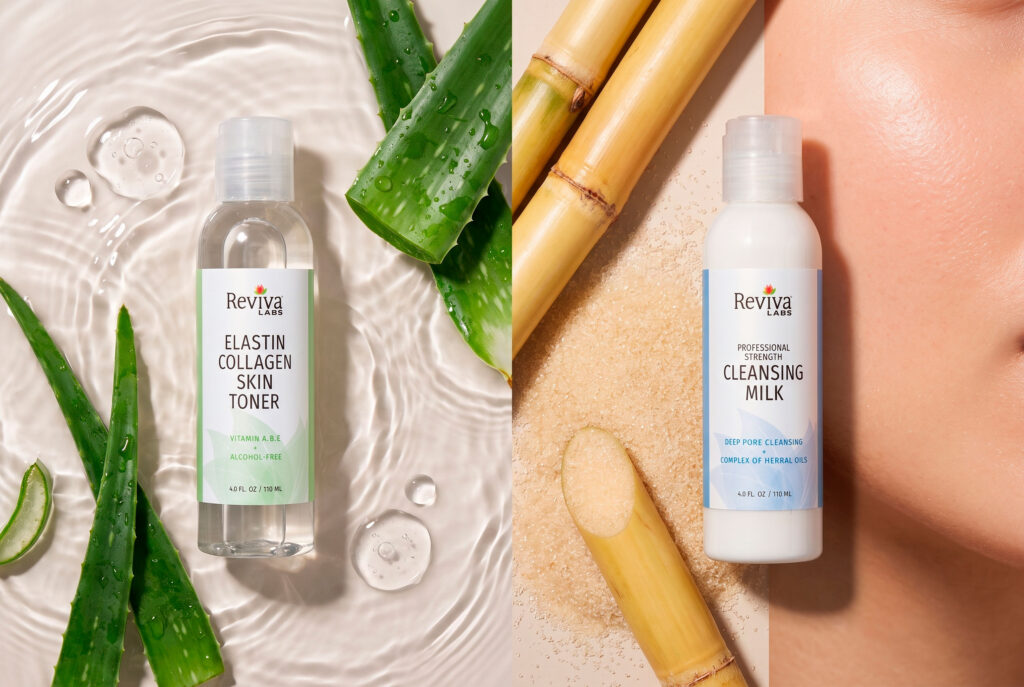
A gentle conditioning toner can add hydration and prepare the face and neck for serum or moisturizer. Reviva Labs’ Elastin Collagen Skin Toner uses glycerin, collagen, hydrolyzed elastin, hyaluronic acid, chamomile extract, and vitamins A and E in an alcohol-free formula. Its purpose differs from an acid toner. It focuses on refreshing and conditioning dry or mature-feeling skin rather than exfoliating it.
No toner pushes a serum deep into the skin or opens a special pathway for every ingredient applied afterward. Still, applying products to clean, lightly hydrated skin can improve spreadability and make layering feel smoother. A small amount of serum often covers damp, conditioned skin more evenly than completely dry skin. This practical benefit can make a routine feel more efficient.
The best toner for mature skin should leave the complexion soft and comfortable. It should not create lasting heat, redness, tightness, or a polished feeling caused by over-exfoliation. Skin that looks calm and feels flexible has a better foundation for the rest of the routine.
Sensitive Skin Needs a More Selective Approach
Sensitive skin does not always respond well to toner. The American Academy of Dermatology advises people with rosacea to avoid astringents and toners because these products can irritate reactive skin. Similar caution applies during periods of barrier damage, active dermatitis, severe dryness, or treatment with medications that increase sensitivity.
The label “alcohol-free” offers a useful starting point, but it does not guarantee a gentle experience. Fragrance, essential oils, acids, witch hazel, menthol, and some botanical extracts can also bother reactive skin. A short ingredient list often makes it easier to identify potential triggers. Fragrance-free formulas usually present a safer choice for someone with recurring sensitivity.
Patch testing helps. Apply a small amount near the jaw or behind the ear for several days before covering the entire face. This does not predict every reaction, but it can reveal obvious incompatibility. Stop using the product when you notice persistent burning, swelling, itching, or worsening redness.
Your skin’s tolerance also changes. A toner that works well during humid summer weather can feel drying in winter. A formula you tolerate under normal conditions can sting after a facial treatment, sun exposure, illness, or an overly aggressive cleansing routine. Treat your routine as adjustable rather than fixed.
Oily Skin Does Not Need to Feel Stripped
Oily skin often drives people toward the strongest toner they can find. The goal makes sense. Excess shine can feel frustrating, makeup can break down quickly, and clogged pores can become more visible. But stripping every trace of oil can leave the skin irritated without addressing the factors behind oil production.
A mild exfoliating toner can support oily skin by removing accumulated surface cells and helping keep pore openings clear. Salicylic acid is oil-soluble, which makes it a common choice for congestion. Glycolic acid focuses more heavily on surface exfoliation and visible texture. Niacinamide can also support a balanced appearance and has been studied for its effect on facial sebum.
Using a toner once daily or several times per week often works better than repeatedly wiping the face whenever shine appears. Frequent cleansing and toning can create dryness around the mouth, nose, and eyes while the center of the face stays oily. A lightweight, non-comedogenic moisturizer still belongs in an oily-skin routine. Hydration and oil are not the same thing.
Pay attention to how your face feels twenty minutes after toning. Clean and comfortable indicates a better fit than tight, hot, itchy, or unusually shiny. Increased shine can sometimes follow a formula that leaves the surface dehydrated. Your skin should not feel as though it needs to recover from the product.
Application Method Changes the Experience
Cotton pads work well when you want an extra cleansing pass or when the product directions call for controlled wiping. Use light pressure and move across the skin once rather than scrubbing back and forth. Repeated friction can irritate the surface, especially when the formula also contains exfoliating ingredients.
Clean hands work well for hydrating and soothing toners. Pressing the liquid into the skin limits friction and allows you to use less product. Avoid pouring toner directly onto your face because it becomes difficult to control and can enter the eyes. A small amount usually covers the face and neck.
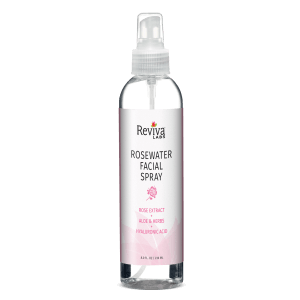
Spray formats work best when the mist distributes evenly. A facial spray can refresh the skin, add a light hydrating layer, or reduce the powdery appearance of makeup. A mist does not replace moisturizer or sunscreen. It also does not need to be reapplied constantly to provide value.
Follow the manufacturer’s directions for acid formulas. Some products are suitable for daily use, while others belong in an occasional routine. Do not assume every watery product is gentle enough for unlimited application. Texture tells you little about strength.
How to Decide Whether Toner Earns a Place
Start with the result you want. Extra cleansing, hydration, exfoliation, oil control, and soothing require different formulas. Buying toner because you think every complete routine needs one often leads to a bottle sitting unused. Buying it to solve a defined concern gives you a fair way to judge whether it works.
Review the rest of your routine before adding another active. Someone already using retinol, glycolic cream, vitamin C, and a weekly peel probably does not need an exfoliating toner. A hydrating toner might fit better. Someone with a minimal cleanser-and-moisturizer routine might gain more from a mild treatment toner.
Give the product enough time, but watch for early signs of irritation. Hydration and comfort can improve quickly. Changes in visible texture and uneven tone take longer because the skin needs repeated, consistent care. Photographing your skin in similar lighting every few weeks offers a more reliable comparison than checking the mirror several times a day.
Remove the toner for two weeks when you cannot tell whether it contributes anything. Keep the rest of your routine stable and observe the difference. When your skin feels drier, rougher, or less comfortable, the toner was probably helping. When nothing changes, you can simplify without losing progress.
A toner should earn its place through function. It does not need to be essential for everyone to be valuable for you. The right formula can complete cleansing, add hydration, support exfoliation, or create a more comfortable base for treatment products. The wrong one adds irritation, redundancy, or expense.
Frequently Asked Questions
Should I use toner every day?
Daily use depends on the formula and your skin. A mild hydrating toner often fits morning and evening routines. An exfoliating toner might work better two or three nights per week, especially when you also use retinol, acids, or other resurfacing products. Follow the directions, begin slowly, and reduce frequency when you notice persistent dryness, stinging, redness, or peeling. Consistent moderate use usually produces better results than aggressive daily application.
Do I use toner before or after serum?
Apply toner after cleansing and before serum. Toner usually has a thinner, more water-like consistency, so it belongs earlier in the routine. Allow an exfoliating toner to settle before applying the next product. Hydrating toner can remain slightly damp when you add a water-based serum. Finish with moisturizer, then apply sunscreen during the daytime.
Can toner replace cleanser?
Most toners should not replace cleanser. Cleanser contains ingredients designed to lift and remove makeup, sunscreen, oil, and debris. Toner can remove small amounts left behind, but it rarely provides a complete cleanse on its own. A gentle toner or facial mist might feel sufficient in the morning for someone with dry skin, yet evening cleansing still matters when you have worn sunscreen, makeup, or long-wear products.
Can toner replace moisturizer?
Toner rarely replaces moisturizer. Hydrating toners add water and humectants, but most do not contain enough emollient or barrier-supportive material to limit moisture loss for long. Oily skin might feel comfortable with a hydrating toner and lightweight gel moisturizer. Dry or mature skin usually benefits from a richer cream applied over toner. Judge the routine by lasting comfort, not how light it feels immediately after application.
Should I apply toner with my hands or a cotton pad?
Use your hands for hydrating, soothing, and conditioning toners. This approach reduces waste and friction. Use a cotton pad when you want to remove minor residue or when the product directions recommend wiping. Keep your pressure light. Avoid scrubbing, especially with exfoliating toners or when your skin already feels sensitive.
Why does my toner sting?
Brief mild tingling can occur with an acid toner, but strong or lasting stinging signals irritation. The formula might be too strong, your barrier might be compromised, or you might have combined too many active products. Rinse the product off when the discomfort feels intense. Pause acids and retinoids, use a gentle cleanser and moisturizer, and resume slowly only after your skin feels normal.
Is toner good for mature skin?
A hydrating or conditioning toner can work well for mature skin, especially when cleansing leaves the face feeling tight. Look for glycerin, hyaluronic acid, aloe vera, sodium PCA, collagen, or soothing extracts. Avoid formulas that rely on high levels of drying alcohol. An exfoliating toner can also improve dullness and rough texture, but frequency should match your tolerance and the other active ingredients in your routine.
Can toner remove dark spots?
Toner does not erase dark spots on its own, but an exfoliating formula can support a brightening routine. Glycolic acid helps remove older surface cells, which can improve the look of uneven texture and pigmentation over time. Consistent sunscreen matters because ultraviolet exposure can deepen discoloration and undo visible progress. For stubborn spots, pair gentle exfoliation with suitable brightening ingredients rather than increasing acid use until the skin becomes irritated.
References and Sources
- Lambers H, Piessens S, Bloem A, Pronk H, Finkel P. “Natural Skin Surface pH Is on Average Below 5, Which Is Beneficial for Its Resident Flora.” International Journal of Cosmetic Science. 2006.
https://pubmed.ncbi.nlm.nih.gov/18489300/ - Blaak J, Staib P. “The Relation of pH and Skin Cleansing.” Current Problems in Dermatology. 2018.
https://pubmed.ncbi.nlm.nih.gov/30130782/ - Draelos ZD. “The Science Behind Skin Care: Cleansers.” Journal of Cosmetic Dermatology. 2018.
https://pubmed.ncbi.nlm.nih.gov/29231284/ - Draelos ZD, Matsubara A, Smiles K. “The Effect of 2% Niacinamide on Facial Sebum Production.” Journal of Cosmetic and Laser Therapy. 2006.
https://pubmed.ncbi.nlm.nih.gov/16766489/ - Houshmand EB, et al. “Effect of Glycolic Acid, Phytic Acid, Soothing Complex, and Sunscreen in the Treatment of Mild to Moderate Facial Dyschromia.” Journal of Cosmetic Dermatology. 2021.
https://pubmed.ncbi.nlm.nih.gov/33458927/ - American Academy of Dermatology. “Acne: Tips for Managing.”
https://www.aad.org/public/diseases/acne/skin-care/tips - American Academy of Dermatology. “Seven Rosacea Skin Care Tips Dermatologists Recommend.”
https://www.aad.org/public/diseases/rosacea/triggers/tips - Cleveland Clinic. “What Does Toner Do for Your Face?”
https://health.clevelandclinic.org/what-does-toner-do - Cleveland Clinic. “Easy Steps for a Simple Skin Care Routine.”
https://health.clevelandclinic.org/what-products-do-i-actually-need-for-a-simple-everyday-skin-care-routine