
Natural, Reviva Labs, Skin Care
The Lightweight Summer Routine That Still Gets the Job Done

Aug
Hot weather has a way of exposing every weakness in a skin care routine. A rich cream that felt comforting in February can feel heavy by June. Multiple serums can begin to pill beneath sunscreen. Makeup slips, sweat collects around the hairline, and the morning routine that once felt relaxing starts to feel like another source of heat. The answer is not to abandon skin care until fall. It is to make every layer earn its place.
A lightweight summer routine should still cleanse effectively, maintain hydration, address your main visible concerns, and protect your skin from daily sun exposure. It should also feel comfortable enough to repeat every morning and evening. Consistency matters more than the number of bottles on your counter. A routine with three or four well-chosen steps often supports your skin better than an ambitious routine you avoid because it feels sticky, complicated, or uncomfortable.
The American Academy of Dermatology recommends a basic routine built around cleansing, moisturizing, and sun protection. That simple framework gives you a reliable starting point during hot and humid weather. Targeted treatments can still fit into the routine, but they should serve a clear purpose rather than add another layer for its own sake. Summer skin care works best when you protect the essentials and remove the excess.

Why Summer Changes How Products Feel
Your skin does not become a completely different organ when the temperature rises, but its daily environment changes. Heat encourages sweating, and humid air can make water-based products evaporate more slowly from the surface. Sunscreen, makeup, sweat, and natural skin oils can accumulate throughout the day. You might notice more shine, a heavier feeling around the nose and forehead, or a stronger urge to wash your face.
Air conditioning adds another factor. You can spend a humid morning outdoors and then sit for hours in cool, dry indoor air. This repeated movement between environments can leave skin feeling oily on the surface while still needing hydration. Mature skin often feels this contrast more strongly because natural oil production tends to decrease with age. Removing every moisturizing step because the weather feels humid can leave skin tight, rough, or uncomfortable by evening.
Summer routines also become less forgiving when products do not layer well. A thick moisturizer beneath a heavy sunscreen can create rolling or pilling. Several active serums can remain tacky, especially when each one contains humectants, film-forming agents, or silicones. Makeup applied on top has little chance of staying smooth. Reducing the number of layers often improves the appearance of the finished routine without forcing you to give up meaningful skin care benefits.
The goal is not to make your face feel completely dry. Skin should feel comfortable, flexible, and protected. A matte finish is not proof of healthy skin, and shine is not automatic evidence of excess oil. Your best summer routine creates balance. It leaves enough moisture behind to prevent tightness while avoiding layers that feel sealed, greasy, or unstable.

Start With a Cleanser That Respects Your Skin
Cleansing becomes especially important during summer because the face collects sunscreen, sweat, makeup, environmental residue, and oil throughout the day. Still, stronger cleansing does not always produce cleaner-looking skin. Harsh cleansers can remove too much surface oil, leaving skin tight and uncomfortable. That dry feeling can encourage you to add more products afterward, defeating the purpose of creating a lighter routine.
A mild cleanser should remove the day without leaving the skin squeaky. The American Academy of Dermatology recommends mild cleansers as part of summer skin care and cautions against harsh soaps that can dry the skin. Lukewarm water also makes more sense than hot water, especially after time outdoors. Hot water can increase the feeling of dryness and redness when skin already feels warm.
Your morning cleanse can be brief. Some people prefer a gentle cleanser, while others with dry or easily irritated skin find a thorough rinse sufficient. Your evening cleanse should do more work because sunscreen and makeup need to come off completely. When one gentle cleanse does not remove everything, cleanse twice with the same mild product rather than reaching immediately for a harsher formula.
Exfoliating cleansers require additional judgment. A cleanser containing glycolic acid can help remove surface buildup and support a smoother appearance, especially when the formula also carries calming ingredients like aloe vera, allantoin, or chamomile to help balance the exfoliation. Even a well-balanced formula still counts as an exfoliating step, not a neutral one. Your skin does not need an exfoliating cleanser, acid toner, peel, scrub, and retinoid on the same summer evening.

Keep Hydration Thin but Meaningful
Humidity does not eliminate the skin’s need for water. It changes the type of hydration that feels comfortable. Lightweight humectant serums often work well because they help attract and retain moisture without adding a thick waxy layer. Hyaluronic acid, glycerin, sodium PCA, aloe vera, and panthenol commonly appear in products designed to support hydration while maintaining a light finish.
Reviva Labs’ Hyaluronic Acid Serum offers a straightforward option for this role. The formula contains sodium hyaluronate, aloe vera, and green tea extract in a light serum base. Apply it to slightly damp skin, then follow with a moisturizer or sunscreen rather than leaving the serum exposed to dry indoor air. A small amount is enough. More product does not force the skin to hold more water, and too much can create tackiness beneath later steps.
You do not need a separate hydrating essence, mist, serum, gel, and cream every morning. Choose one dependable hydration step and observe how your skin responds. People with oilier skin might find their sunscreen provides enough moisturizing support after a hydrating serum. People with mature or dry skin often prefer a light moisturizer between serum and sunscreen. The routine should respond to your skin, not a fixed number of steps.
Facial mists can feel refreshing, but they do not replace a moisturizer or sunscreen. A mist works best as a comfort step, particularly after cleansing or during a dry afternoon indoors. Follow it with something that helps hold the moisture against the skin when dryness is a concern. Repeatedly spraying water onto the face and allowing it to evaporate can leave some skin feeling drier instead of more hydrated.

Choose One Treatment Priority
Summer often tempts people to treat everything at once. Increased sun exposure draws attention to dark spots. Heat and humidity make pores and shine more noticeable. Travel and late nights can leave the complexion looking tired. At the same time, many people still want help with fine lines, texture, firmness, and dryness. Trying to address every concern in every routine usually creates too many layers.
Choose one main daytime treatment goal and one evening goal. Your daytime serum might focus on antioxidants, hydration, or the appearance of uneven tone. Your evening treatment might support gentle exfoliation, peptides, or retinol. This approach gives each product room to function without creating an unstable stack of formulas.
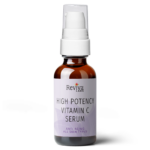
Vitamin C fits well into many morning routines because it offers antioxidant support and can improve the appearance of uneven tone. Reviva Labs’ High Potency Vitamin C Serum combines three forms of Vitamin C with hyaluronic acid and botanical extracts. A thin layer after cleansing can serve as the single treatment step before moisturizer and sunscreen. People new to Vitamin C should begin gradually and watch for dryness, stinging, or persistent redness.
Niacinamide also works well in lightweight routines. It supports the appearance of more even tone, helps reduce the look of excess shine, and pairs easily with many other cosmetic ingredients. You still do not need niacinamide in a cleanser, toner, serum, moisturizer, and sunscreen at the same time. Repetition across several formulas can increase exposure without providing a visible advantage.
Let Moisturizer Match the Day
A summer moisturizer does not need to disappear from your routine. It needs to match your skin and the conditions you expect to face. A person spending the day in an air-conditioned office has different needs from someone gardening, walking, or attending an outdoor event. Your moisturizer can change in amount or texture without changing your entire routine.
Look for formulas that spread easily and absorb without leaving a dense coating. Humectants help draw water toward the surface layers of skin. Emollients soften rough areas and improve flexibility. Occlusive ingredients slow moisture loss. Most effective moisturizers combine these functions, but summer formulas often use lighter proportions and textures.
You can also change how you apply a familiar cream. Use less product in the morning and reserve a fuller application for evening. Concentrate moisturizer on the cheeks, jawline, and other dry areas instead of applying the same amount across the oilier center of the face. Give each layer a minute to settle before adding sunscreen. These small adjustments can turn a product that feels too rich into one that works well through changing weather.
Do not judge a moisturizer by how quickly it vanishes. A formula should leave the skin comfortable, not stripped. If your face feels tight when you smile or begins to look rough beneath makeup, your routine is probably too dry. If products slide, collect in creases, or remain sticky for an hour, you are probably using too much or layering formulas with overlapping textures.

Sunscreen Does the Most Important Work
The most effective lightweight summer routine still needs dependable sun protection. Sunscreen is not a decorative final step. It protects the work performed by the rest of the routine. Brightening products have limited value when ongoing sun exposure continues to deepen the appearance of discoloration. Firming and smoothing products also face a harder job when skin receives repeated ultraviolet exposure without adequate protection.
The American Academy of Dermatology recommends a broad-spectrum, water-resistant sunscreen with an SPF of 30 or higher. Apply it to exposed skin before going outdoors. The Skin Cancer Foundation recommends reapplication every two hours and after swimming or heavy sweating. Clothing, hats, sunglasses, and shade add further protection rather than replacing sunscreen.
Daily sunscreen use also has measurable cosmetic value. In a randomized trial involving 903 adults younger than 55, the group assigned to daily sunscreen use showed 24 percent less skin aging over 4.5 years than the group using sunscreen at their own discretion. The daily-use group showed no detectable increase in skin aging during the study period. This evidence gives sunscreen a stronger claim to routine priority than most optional treatment steps.
Texture matters because a sunscreen you dislike is hard to use consistently. Seek a finish compatible with your skin, climate, and makeup habits. Some people prefer fluid formulas, while others need a more moisturizing cream. Water resistance becomes especially important during outdoor activity, swimming, or heavy perspiration. No sunscreen stays intact indefinitely, and towel drying removes part of the applied film.
Build a Morning Routine You Can Repeat
A practical summer morning can consist of a gentle cleanse, one light serum, a thin moisturizer when needed, and sunscreen. This structure covers the major functions without crowding the skin. It also leaves less room for pilling and gives you a better chance of applying enough sunscreen.
After cleansing, apply your selected serum in a thin, even layer. Allow it to settle rather than immediately adding the next product. Follow with moisturizer only where your skin needs it. Finish with sunscreen, applying it generously to the face, ears, neck, upper chest, and other uncovered areas. Sunscreen should sit above your other skin care and beneath makeup.
You can simplify further on rushed mornings. Cleanse, moisturize, and protect. A treatment serum is optional, even when it provides useful benefits. Skipping a serum for one day does less harm than rushing sunscreen or applying too little because the routine already feels heavy.
The best routine also considers reapplication. Keep sunscreen where you can reach it. A product sitting in a bathroom cabinet does not help during an afternoon walk, lunch outdoors, or the drive home. Choose a reapplication format you can use over your existing routine, but still apply enough to provide meaningful coverage.
Make the Evening Routine Do the Targeted Work
Evening gives you more flexibility because sunscreen and makeup no longer need to sit on top of your products. Begin by removing the day thoroughly. Cleanse without scrubbing, especially after sun, wind, chlorine, or saltwater exposure. Pat the skin dry and give it a moment to cool before applying active products.
This is the better time for treatments that can increase dryness or sensitivity, including retinol and stronger exfoliating acids. Do not introduce several at once. Alternate them across the week and use plain moisturizing nights between treatment nights. Your skin does not receive bonus credit for tolerating discomfort.
A peptide formula can also fit into the evening routine when your goal involves the appearance of lines, firmness, or texture. These products usually layer more comfortably than thick creams and do not require the same adjustment period as retinol or exfoliating acids. Apply the treatment after cleansing, then use enough moisturizer to keep skin comfortable through the night.
Some nights should stay simple. Cleanse, hydrate, moisturize, and stop. This is especially helpful after long outdoor days, swimming, travel, or periods when skin feels warm and reactive. Recovery is productive skin care. A routine that constantly pushes exfoliation can leave the surface looking rougher, redder, and less even.

Avoid the Summer Overcorrection Trap
When skin becomes shiny, the instinct is often to attack oil from every direction. People switch to foaming cleansers, add an astringent toner, increase exfoliation, skip moisturizer, and reach for mattifying products. This can create a surface that feels tight but still becomes shiny later. It also increases the chance of visible flaking around the nose and mouth.
Use one oil-control strategy at a time. A niacinamide serum, a lighter moisturizer, or a more suitable sunscreen might solve the issue without changing every step. Blotting excess shine during the day is gentler than repeatedly washing the face. Powder can also help when used lightly over sunscreen and makeup.
Do not confuse sweat with oil. Sweat is mostly water and salts, while sebum comes from the oil glands. Both can appear together and create shine, but they do not require identical solutions. Washing after intense exercise makes sense, while cleansing every time your face feels warm can create irritation.
Watch for patterns over several days rather than judging a product after one humid afternoon. Weather, activity, hormones, indoor climate, and sunscreen texture can all affect how the face looks. Change one variable, then observe. This gives you useful information instead of turning your routine into a rotating experiment.
Adjust for Travel, Pools, and Outdoor Days
Summer schedules are rarely consistent. A routine for a normal workday will not fit every beach day, flight, cookout, or weekend trip. Keep the core intact and adjust the supporting steps. Cleanse, moisturize, and protect remain useful wherever you go.
For outdoor days, prioritize water-resistant sunscreen, shade, protective clothing, and reapplication. Skip aggressive exfoliation the night before and after prolonged sun exposure. Pack a gentle cleanser and a familiar moisturizer instead of relying on fragranced hotel products. The American Academy of Dermatology recommends bringing your own skin care while traveling, especially when your skin reacts easily.
After swimming, rinse chlorine or saltwater from the skin as soon as practical. Use a mild cleanser rather than scrubbing. Apply moisturizer while the skin still feels slightly damp. Reapply sunscreen before returning outdoors, even when the first application was recent, because swimming and towel drying reduce coverage.
Air travel presents the opposite problem. The cabin environment often feels dry, while window exposure during daytime flights adds another reason to wear sunscreen. A hydrating serum, light moisturizer, lip balm, and sunscreen can cover the essentials. Avoid turning the flight into a prolonged facial treatment with unfamiliar masks, acids, or fragranced products.
A Lightweight Routine Still Requires Patience
A shorter routine does not produce instant results, but it often improves consistency. Skin responds to repeated habits, not occasional bursts of effort. Daily cleansing, dependable hydration, and sun protection create the base. Targeted treatments then address specific visible concerns over time.
Give a new routine several weeks before deciding it has failed, unless it causes irritation. Take photographs in similar lighting rather than relying on memory. Pay attention to comfort, texture, makeup wear, and the appearance of dry patches. These signals often improve before deeper concerns such as uneven tone or fine lines show visible change.
Do not equate sensation with effectiveness. Tingling, tightness, and peeling are not proof a product works. A comfortable serum can still support hydration or improve the appearance of tone. A routine that feels uneventful often has a better chance of surviving the entire season. Summer skin care should fit your life. You should be able to complete it before work, repeat it while traveling, and adjust it around outdoor plans. The routine succeeds when it protects your skin without making you dread the next layer. Lightweight does not mean careless. It means focused.
Frequently Asked Questions
Can I skip moisturizer when it is humid?
Some people find their sunscreen provides enough moisturizing support during humid weather, especially after a hydrating serum. Others still need a separate moisturizer to prevent tightness or roughness. Pay attention to how your skin feels later in the day rather than immediately after application. Apply a small amount to drier areas and use less across the oilier center of the face. Your moisturizer does not need to cover every area with the same thickness.
How many serums should I use during summer?
One well-selected serum is enough for most morning routines. Choose hydration, antioxidants, brightening, or another clear priority. Two serums can work when their textures layer cleanly and your skin tolerates them, but more steps increase the chance of tackiness and pilling. Move additional treatments to evening rather than stacking everything beneath sunscreen.
Should I stop using retinol during summer?
You do not automatically need to stop, but your routine needs careful sun protection and irritation control. Apply retinol at night, begin slowly, and avoid combining it with several exfoliating products. Reduce frequency when skin feels dry, tender, or visibly irritated. Broad-spectrum sunscreen remains essential every morning.
Does oily skin still need hydration?
Yes. Oily skin can still lack water and feel tight after cleansing. Choose light, non-greasy hydration and avoid using harsh products to force a dry finish. A humectant serum or gel moisturizer can support comfort without adding a heavy layer. Adjust the amount rather than removing hydration entirely.
How often should sunscreen be reapplied?
Reapply sunscreen every two hours during outdoor exposure and immediately after swimming, heavy sweating, or towel drying. Apply it more consistently to commonly missed areas, including the ears, neck, chest, hairline, and tops of the feet. Use protective clothing and shade alongside sunscreen for better coverage.
Can I exfoliate more often because summer makes my skin feel congested?
More exfoliation is not always better. Sweat, sunscreen, and oil can make the skin feel coated, but a gentle evening cleanse often removes the buildup. Increase exfoliation slowly and avoid combining several acids, scrubs, and retinoids. Persistent congestion, irritation, or acne deserves guidance from a board-certified dermatologist.
References and Sources
- American Academy of Dermatology Association. “Skin Care on a Budget.” https://www.aad.org/public/everyday-care/skin-care-basics/care/skin-care-budget
- American Academy of Dermatology Association. “12 Summer Skin Problems You Can Prevent.” https://www.aad.org/public/everyday-care/skin-care-secrets/routine/prevent-summer-skin-problems
- American Academy of Dermatology Association. “Skin Care in Your 40s and 50s.” https://www.aad.org/public/everyday-care/skin-care-basics/care/skin-care-in-your-40s-and-50s
- American Academy of Dermatology Association. “7 Travel Skin Care Tips from Dermatologists.” https://www.aad.org/public/everyday-care/skin-care-secrets/prevent-skin-problems/travel-skin-care-tips
- Hughes, Maria Celia B., et al. “Sunscreen and Prevention of Skin Aging: A Randomized Trial.” Annals of Internal Medicine, 2013. https://pubmed.ncbi.nlm.nih.gov/23732711/
- The Skin Cancer Foundation. “Sunscreen.” https://www.skincancer.org/skin-cancer-prevention/sun-protection/sunscreen/
- The Skin Cancer Foundation. “How Much Sunscreen Is Enough?” https://www.skincancer.org/blog/how-much-sunscreen-in-enough/