
Ingredients, Natural, Reviva Labs, Skin Care
Building a Summer Exfoliation Routine Without Irritating Your Skin

Jul
Most irritated summer skin isn’t the result of one bad product decision; it’s the result of several reasonable decisions stacked on top of each other without anyone noticing the total. A gentle exfoliating cleanser here, a toner with a little acid in it there, a weekend at the beach, a few extra minutes in the sun than planned. None of those choices looks like a mistake in isolation, which is exactly why the cumulative effect catches so many people off guard every summer. Building a routine that accounts for that total, rather than judging each step on its own, is really the difference between smooth, refreshed summer skin and skin that ends up tight, red, and reactive by August. The good news is that this kind of routine isn’t complicated once you know which variables actually matter and which ones are mostly noise.
The Perfect, Simple Glycolic Acid Summer Routine

What Exfoliation Covers And Why Summer Adds Stress
Exfoliation isn’t a single category of product; it’s a broad term covering a few genuinely different approaches. Physical exfoliants use texture, whether that’s a scrub, a brush, or a textured cloth, to manually help remove dead surface cells. Chemical exfoliants, including alpha hydroxy acids like glycolic acid and beta hydroxy acids like salicylic acid, work by loosening the bonds between those cells rather than manually scrubbing them away. Enzyme exfoliants take a gentler biochemical approach, breaking down surface proteins in a way many people find less likely to cause visible irritation. All three categories can have a place in a routine, but they don’t stack neatly, and combining several types on the same day is one of the more common ways people accidentally overdo it.
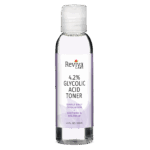
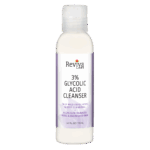
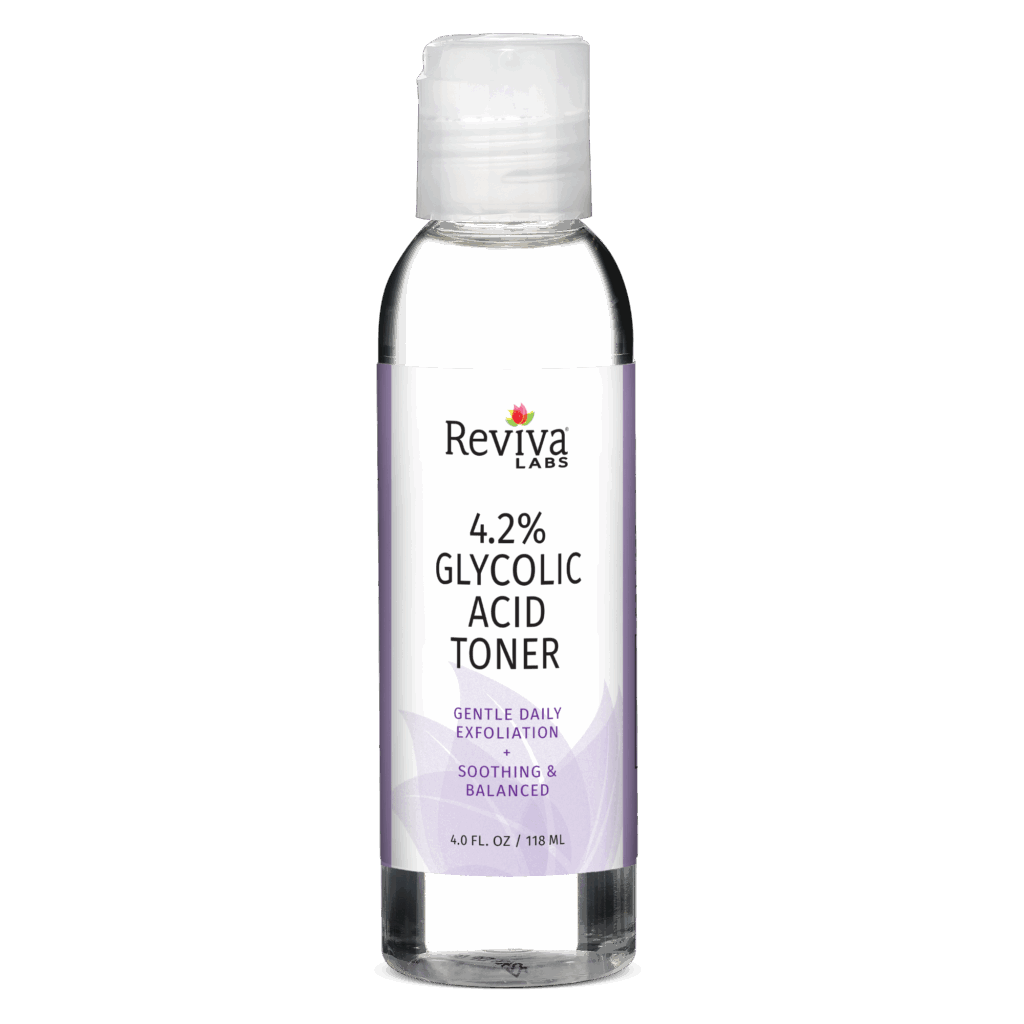
Reviva Labs’ Glycolic Acid Facial Cleanser and Glycolic Acid Facial Toner both fall into the chemical exfoliation category, working together as a two-step prep routine rather than two separate, unrelated products. Knowing which category each of your products falls into is the first real step toward building a routine that doesn’t quietly add up to more exfoliation than your skin can comfortably handle in a given week. It also makes it much easier to spot when a routine has quietly picked up a third or fourth exfoliating step without anyone deciding that on purpose.
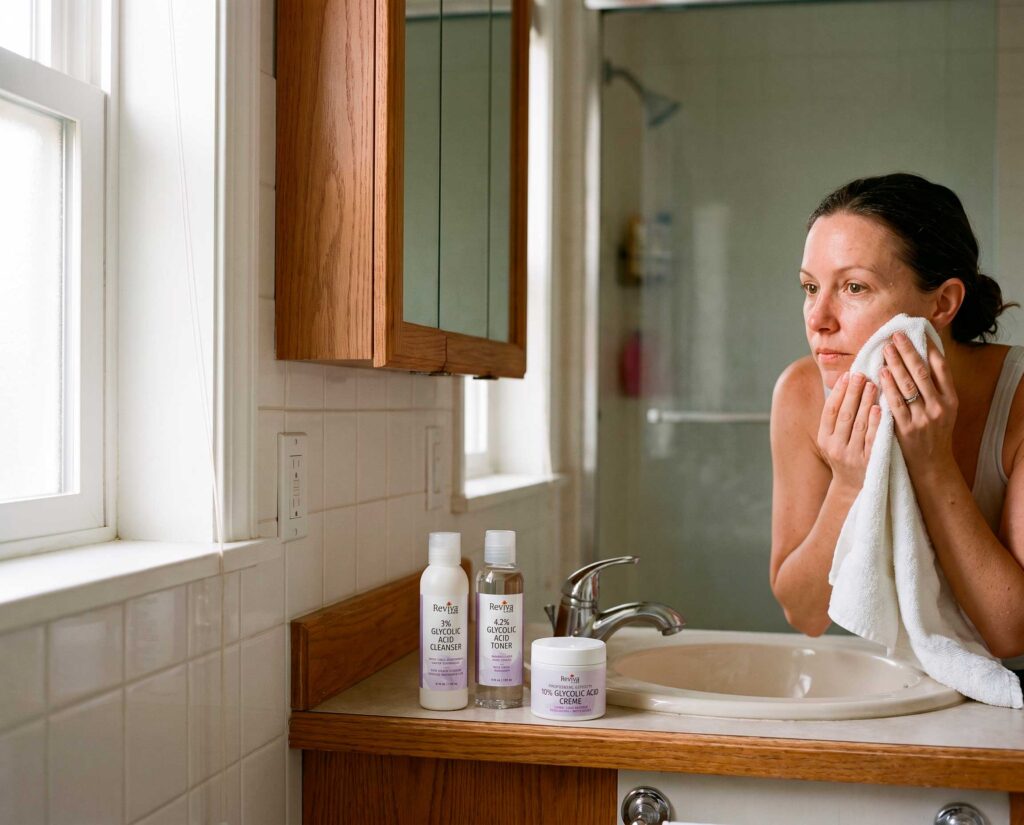
Heat, humidity, and sweat all change how skin behaves at the surface level, and that shift interacts with exfoliation in ways that are easy to overlook. Sweat itself can be mildly irritating when it sits on freshly exfoliated skin, and more frequent washing to deal with heat and humidity means skin is getting more total cleansing contact than it would during cooler months. Sun exposure adds another layer, since UV itself is a stressor on skin independent of anything else in a routine, and stacking that stressor on top of active exfoliation is where a lot of summer irritation actually originates. None of this means summer skin needs less exfoliation across the board, it means the routine needs to account for a higher baseline level of stress the skin is already managing.
Air conditioning indoors combined with heat and humidity outdoors also creates a kind of back and forth that many people don’t associate with skin sensitivity, but it does add up. Skin moving repeatedly between a dry, cool indoor environment and a hot, humid outdoor one is doing more adjusting than it would in a more climate-stable season, and that adjustment can lower its tolerance for additional stress from active ingredients. Building some slack into a summer routine accounts for this reality rather than assuming skin will behave exactly as it did in spring or fall.

Building The Routine And Reading The Signs
Start with frequency rather than product selection, since frequency is the variable, most people get wrong first. A reasonable starting point for most chemical exfoliants is two to three times per week, with room to adjust based on how skin responds over the first couple of weeks. If you’re layering multiple exfoliating steps, such as a glycolic cleanser followed later by a separate treatment product, count that as a single exfoliation event for frequency purposes rather than two unrelated ones. Patch testing any new product on the inner forearm before introducing it to the face remains one of the simplest, most effective ways to catch a poor reaction before it shows up somewhere visible.
Order matters once frequency is settled. Cleanse first, apply any chemical exfoliant on clean, dry skin, allow it several minutes to absorb, then follow with a moisturizer to support the skin barrier while it’s doing the work of releasing surface cells. In the morning, sunscreen always goes last, applied generously enough to actually deliver the protection listed on the label, since freshly exfoliated skin has less of its own natural buffer against UV exposure. According to the U.S. Food and Drug Administration, clinical research found that AHA use increased skin’s sensitivity to UV-induced reddening by 18 percent after four weeks of consistent application, an effect that reversed within about a week of stopping the product, which is exactly why the sunscreen step in this sequence isn’t optional.
Building in rest days matters just as much as building in exfoliation days. Skin that’s exfoliated daily rarely gets the chance to fully complete its own natural surface renewal before the next active step interrupts it, and that constant interruption is where a lot of the tightness, redness, and flaking associated with over-exfoliation actually comes from. Spacing chemical exfoliation across the week, rather than treating it as a daily non-negotiable step, gives skin room to show you how it’s actually responding before you commit to a higher frequency.
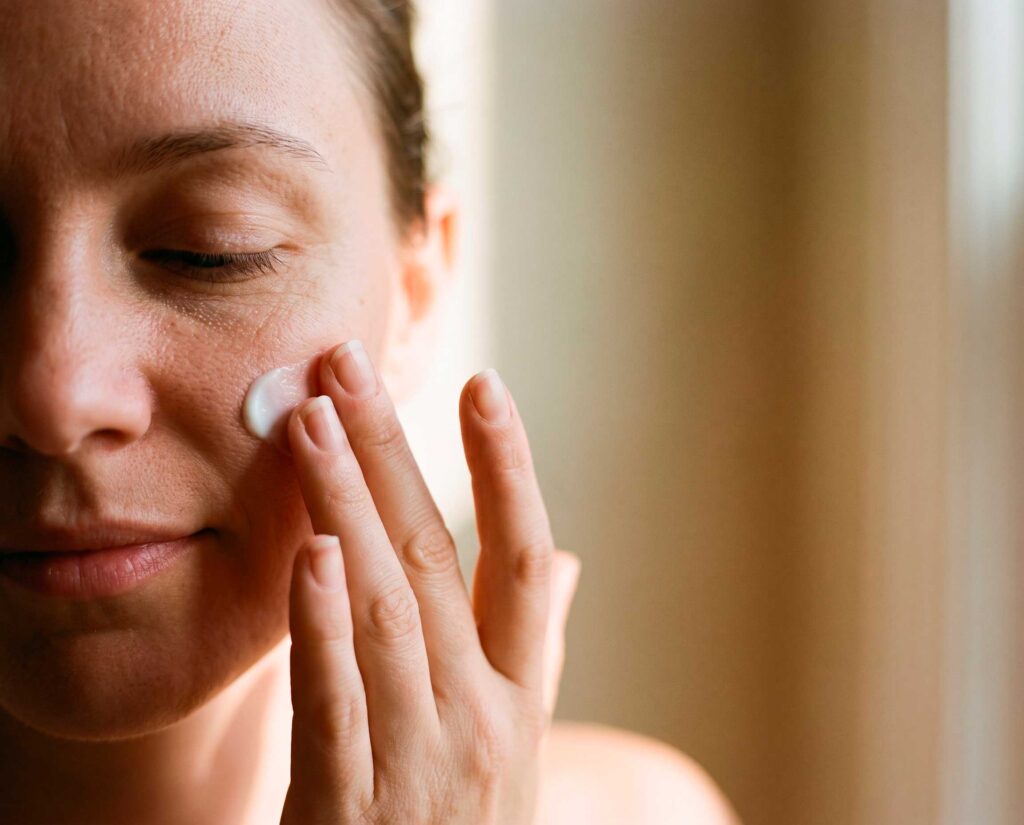
Persistent redness that doesn’t fade within an hour or two of application, a tight or stinging sensation that shows up with products that never bothered your skin before, and visible flaking or peeling beyond what a product’s directions describe are all reasonable signals to pull back. These signs matter more than a fixed schedule, since they reflect what your specific skin is dealing with in real time rather than a generic guideline written for an average skin type that may not match yours. When any of these show up, the right response is almost always to simplify rather than add something new to fix it. A short break from active exfoliation, a simple cleanser, and a barrier-focused moisturizer typically settle things down within a few days.
It’s worth resisting the urge to solve irritation by adding more products. A common instinct is to reach for something soothing or brightening on top of already irritated skin, but that often adds more variables rather than fewer at exactly the moment skin needs the opposite. Once skin has calmed down, chemical exfoliation can generally be reintroduced gradually, starting at a lower frequency than before and building back up only if skin continues to tolerate it well.

Supporting The Barrier And Putting It Together
Hydration plays a bigger role in how well skin tolerates a summer exfoliation routine than most people give it credit for. A well hydrated skin barrier handles the mild, expected disruption of chemical exfoliation more comfortably than a barrier that’s already dealing with dryness from air conditioning, sun, or dehydration from heat. Layering in a lightweight hydrating serum or moisturizer alongside an exfoliation step, rather than skipping hydration on the assumption that summer skin needs less of it, tends to make the whole routine feel more comfortable and less likely to tip into irritation.
Antioxidant serums are worth mentioning here too, though it’s worth being precise about what they actually do. An antioxidant helps defend skin against environmental stress and free radical exposure, and that support complements daily sunscreen rather than replacing it in any way. Used alongside a consistent exfoliation and sun protection routine, an antioxidant step adds one more layer of environmental support without changing anything about how the exfoliation or sunscreen portions of the routine need to work.
A summer exfoliation routine that actually works isn’t defined by which specific product you choose; it’s defined by whether frequency, order, and sun protection are all working together rather than pulling in different directions. Reviva Labs’ Glycolic Acid Facial Cleanser and Facial Toner can serve as a straightforward two-step entry point for anyone building or rebuilding this kind of routine, precisely because they’re designed to work together rather than compete for the same job. Whatever specific products end up in your routine, the underlying principles stay the same regardless of brand or formula. Respect total exposure across all your exfoliating steps, protect the skin barrier with adequate moisture and sun protection, and let your skin’s actual response guide frequency more than any generic weekly schedule ever could.
None of this needs to feel complicated in practice, even though it involves more variables than a single product label usually spells out. Most people land on a workable summer routine within a few weeks of paying closer attention to frequency, order, and how skin actually feels the day after each exfoliating step. The goal isn’t a perfect, rigid system, it’s a routine flexible enough to hold up through a hot, humid, sun-heavy season without asking your skin to absorb more stress than it can comfortably manage at once.

Frequently Asked Questions
How many times a week should I exfoliate in summer?
Two to three times per week is a reasonable starting point for most chemical exfoliants, with room to adjust based on how your skin responds over the first couple of weeks. Skin type, product concentration, and how many exfoliating steps are already in your routine all affect the right number for you specifically, so treat any starting frequency as a baseline rather than a fixed rule.
Can I combine a glycolic acid cleanser and toner on the same day?
Yes, many routines are built specifically around a cleanser and toner working together as a two-step prep sequence, and Reviva Labs’ Glycolic Acid Facial Cleanser and Facial Toner are designed with that pairing in mind. The key is counting that pairing as a single exfoliation event for the week rather than layering additional separate exfoliating treatments on top of it without adjusting overall frequency.
What are the first signs that I’m over-exfoliating?
Persistent redness that doesn’t fade quickly, a tight or stinging feeling with products that never used to bother your skin, and visible flaking or peeling beyond what a product’s directions describe are the most common early signs. These signals are more useful than any fixed schedule, since they reflect how your specific skin is responding in real time.
Should I stop moisturizing if I’m using a chemical exfoliant?
No, moisturizing regularly actually supports skin through the mild disruption that chemical exfoliation causes, and skipping it tends to make irritation more likely rather than less. A barrier-supporting moisturizer applied after an exfoliating step, and again as needed throughout a hot day, helps skin tolerate the routine more comfortably.
Is physical exfoliation safer than chemical exfoliation in summer?
Neither category is inherently safer, and both can cause irritation if overused or combined without adjusting frequency. Physical exfoliation carries its own risk of micro-tears or excess friction if done too aggressively, while chemical exfoliation carries the sun sensitivity considerations discussed throughout this piece. The safer approach in both cases is moderate, consistent use paired with attentive tracking of how skin responds.
How long should I wait after exfoliating before applying sunscreen in the morning?
Giving a leave-on exfoliating product several minutes to fully absorb before layering sunscreen on top helps both products perform as intended. Sunscreen should always be the last step in a morning routine, applied generously enough to deliver meaningful protection, regardless of how much time has passed since the exfoliating step before it.
Do I need to change my exfoliation routine when traveling somewhere hot and humid?
A short adjustment period is reasonable, since skin acclimating to a more intense climate is managing more stress than usual and may tolerate a bit less exfoliation than it does at home. Reducing frequency slightly for the first several days of a trip, then returning to your normal routine once skin has settled into the new environment, is a sensible approach for most people.
References
- U.S. Food and Drug Administration, “Alpha Hydroxy Acids,” FDA.gov, https://www.fda.gov/cosmetics/cosmetic-ingredients/alpha-hydroxy-acids
- American Academy of Dermatology Association, “Stats and Facts: Sunscreen,” AAD.org, https://www.aad.org/media/stats-sunscreen