
Ingredients, Natural, Reviva Labs, Skin Care
How to Use AHAs Safely When the Sun Is Strong

Jul
A dermatologist friend once put it to me plainly. The people who get into trouble with acids and sun aren’t the ones using strong products, they’re the ones using any product without a plan for the sun that follows it. That single sentence reframes most of what gets written about AHAs and summer skincare. The ingredient itself isn’t the variable that determines whether your skin has a good season or a rough one. What you do about sun exposure while you’re using it is. Here’s how to actually build that plan, especially on the days when the sun is at its strongest.

What Strong Sun Actually Means
Strong sun isn’t just a beach day in July, though that certainly qualifies. UV intensity climbs with altitude, drops with cloud cover less than most people assume, and reflects off water, sand, and even pavement in ways that add exposure you don’t necessarily feel happening. Midday hours, roughly ten in the morning to two in the afternoon, carry the most intense UV regardless of temperature, which is why a cool but clear spring afternoon can still deliver a serious dose of sun. Anyone using an AHA regularly should think about strong sun in terms of these conditions rather than the summer season as a single monolithic block of months. That reframing matters because it means the precautions worth taking aren’t really about June through August, they’re about specific days and specific windows of time within any month of the year.
Travel adds another layer worth mentioning. A trip from a cloudy climate to a sunnier one, even briefly, exposes skin to a level of UV it isn’t acclimated to, and that mismatch is often where people notice irritation for the first time. If your regular routine includes an AHA and you’re headed somewhere with notably stronger sun than home, it’s worth treating that trip the way you’d treat any other change in strong sun exposure, with a little extra attention rather than a change in mindset about the ingredient itself.
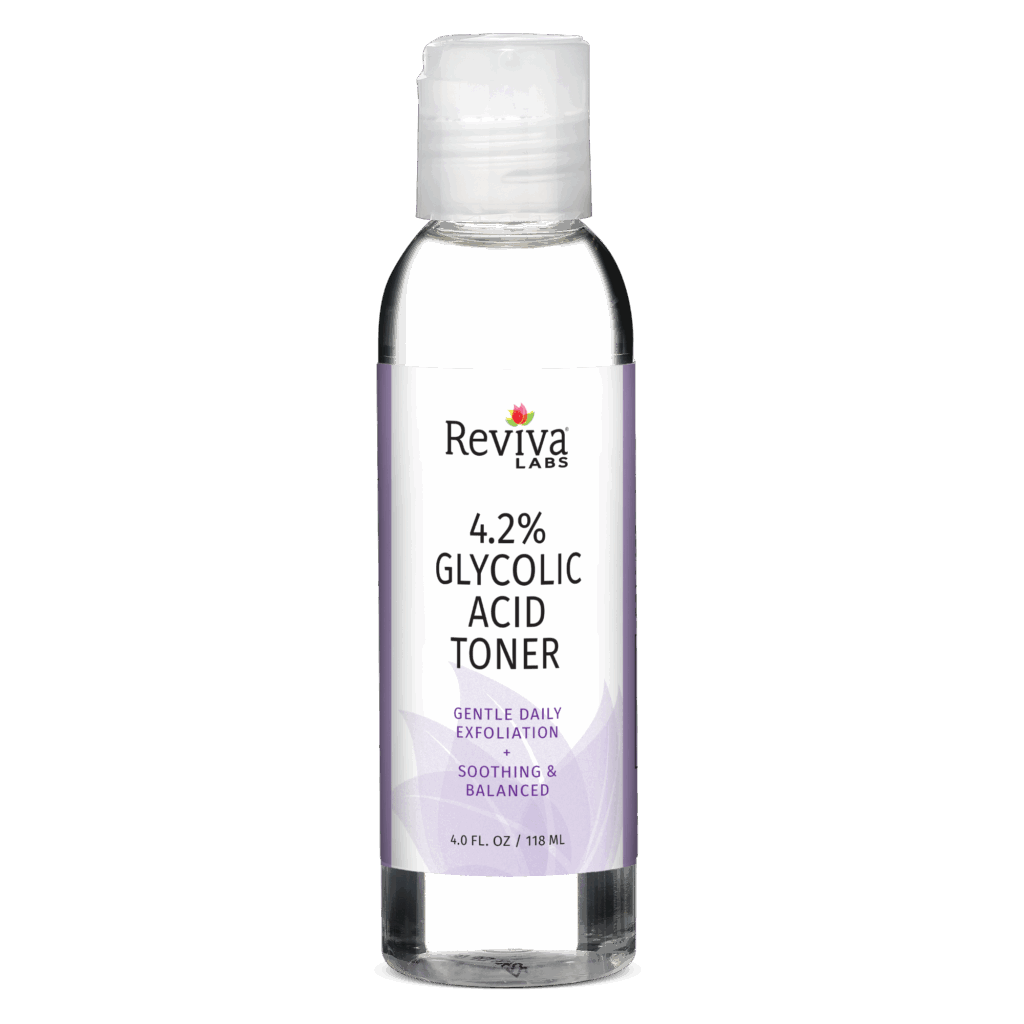
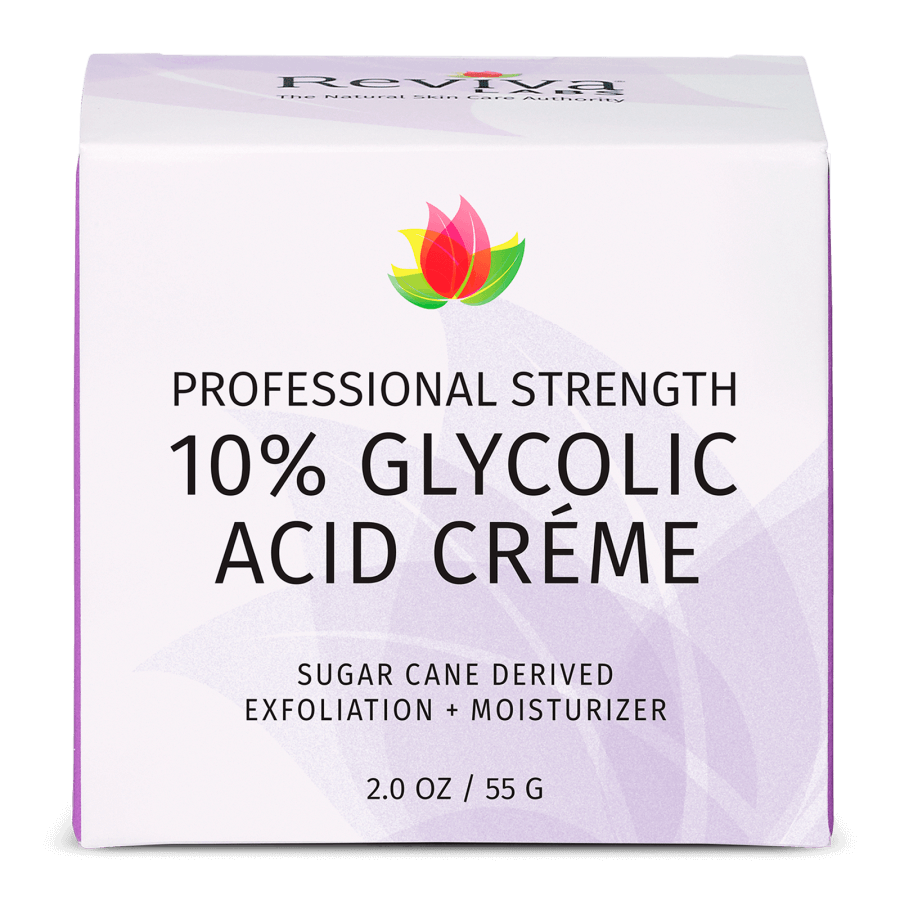
Glycolic Acid Recommended Products

Alpha hydroxy acids work by loosening the connections between cells on the skin’s outer layer, which is exactly the layer that normally acts as a first line of defense against UV. When that layer is a little thinner or a little more freshly turned over, sun has more direct contact with skin that hasn’t built up its usual protective buffer. That’s the mechanism behind the sun sensitivity warning that AHA products are required to carry, and it applies to lactic acid, glycolic acid, and other members of the AHA family, not just one specific ingredient. None of this means the skin underneath is unhealthy or unprotected in a general sense. It means the margin for error around sun exposure narrows while you’re actively using the product.
It’s also worth separating two different ideas that often get blended together. Sun sensitivity from AHA use is about an increased likelihood of sunburn and UV reactivity, not about long-term skin cancer risk specifically tied to the ingredient. Government-funded research looking specifically at glycolic acid did not find it to promote skin cancer development in the study models tested. That distinction doesn’t remove the need for sun protection, since sunburn itself carries its own real risks, but it does help separate a legitimate short-term precaution from a much larger and different concern that isn’t actually supported by the research on this ingredient.

Getting The Sunscreen Math And Timing Right
Here’s where a specific number is genuinely useful. The American Academy of Dermatology reports that sunscreen with an SPF of 30 blocks approximately 97 percent of the sun’s UVB rays, which is a meaningful level of protection for most daily situations. The same source notes that many people apply only 20 to 50 percent of the amount of sunscreen actually needed to achieve the SPF listed on the label. Put those two facts together and you get the real story behind most AHA and sun complaints. It’s rarely that the sunscreen itself failed, it’s that not enough of it made it onto the skin in the first place, which means the effective protection was closer to a fraction of the number on the bottle.
That gap matters more when you’re also using an AHA, since you’ve narrowed your margin for error on the acid side of the equation and can’t afford to also be under-applying sunscreen on the protection side. A generally accepted guideline is about a shot glass worth of product for full body coverage, with a proportional amount for the face alone, applied generously enough that a second thin layer would genuinely improve coverage rather than just add unnecessary product. If you’ve never measured how much sunscreen you actually use against that benchmark, strong sun season is a good time to check, since it may explain more about past irritation than the AHA product itself ever did.
Order matters as much as amount. On days with strong sun exposure, sunscreen goes on last in your morning routine, after any AHA step and after moisturizer, so it sits on top of skin rather than getting diluted or pushed around underneath other products. If your AHA product is a leave-on formula, giving it several minutes to fully absorb before applying sunscreen helps both products do their job without interfering with each other. Reapplication follows the same math as initial application, meaning a thin, quick swipe partway through the day generally isn’t enough to maintain real protection during hours of continuous outdoor exposure.
For many people, the simplest way to reduce complexity on strong sun days is to move AHA use to the evening entirely, separating the two decisions in time rather than trying to layer them perfectly every morning. That approach removes any question about sequencing or absorption time and lets the daytime routine focus entirely on protection. It’s not the only valid approach, but it’s the one that requires the least precision to execute correctly, which matters on the mornings when you’re moving quickly and don’t have time to think carefully about product order.

Adjusting Frequency And Choosing The Right Formula
Even with a solid sunscreen habit in place, there are stretches where dialing back AHA frequency is the more comfortable choice. An unusually intense week of outdoor activity, a trip somewhere sunnier than you’re used to, or skin that’s already showing signs of irritation are all reasonable triggers for a temporary reduction rather than a permanent change. This isn’t about fear; it’s about matching the intensity of your routine to the intensity of what your skin is actually dealing with that week. Once conditions normalize, whether that’s returning from a trip or getting through an unusually sunny stretch at home, frequency can return to whatever baseline worked before.
The larger point is that AHAs and strong sun aren’t incompatible, they’re just two variables that need to be managed together rather than treated as separate concerns. Skin that gets consistent, adequately applied sunscreen tends to handle AHA use through even the sunniest months without much drama. Skin that gets inconsistent or under-applied sunscreen is going to struggle in strong sun whether or not an AHA is involved, which is really the core insight worth taking away from all of this.
Sunscreen also isn’t the only tool worth having on the strongest sun days. A wide brimmed hat, sunglasses, and lightweight long sleeves add real, passive protection that doesn’t depend on remembering to reapply anything and stacking that kind of coverage on top of a solid sunscreen habit gives skin using an AHA an extra buffer on the days it matters most. Seeking shade during the middle of the day, even for short stretches, reduces cumulative exposure in a way that pairs naturally with everything else covered here. None of these additions require changing your AHA routine at all, they simply lower the overall UV load your skin has to manage while that routine continues as usual.
Both mineral and chemical sunscreen formulas can work well alongside AHA use, and the more important variable is almost always how much you apply and how consistently, not which category you choose. Mineral formulas, built around zinc oxide or titanium dioxide, tend to sit on the surface of skin and are generally well tolerated by people whose skin runs sensitive or reactive, which can make them a comfortable pairing for anyone easing into a stronger AHA routine. Chemical formulas often feel lighter and absorb more quickly, which some people find easier to layer over an AHA product without a heavy or greasy finish. Neither category is inherently better suited to strong sun days, so the right choice usually comes down to texture preference and how your particular skin tolerates each type.
Fragrance and added actives inside a sunscreen formula are worth a second look if you’re already managing sensitivity from an AHA. A sunscreen packed with extra exfoliating or brightening ingredients on top of its UV filters adds another layer of potential irritation exactly when your skin can least afford it. On strong sun days especially, a simpler formula focused on broad spectrum protection tends to be the more forgiving choice, leaving the exfoliation work to your AHA step and the protection work to a sunscreen that isn’t trying to do five things at once.
Frequently Asked Questions
Do all AHAs carry the same sun sensitivity effect?
Glycolic acid and lactic acid are the most studied AHAs, and both are associated with increased sun sensitivity during use, since the effect relates to how AHAs work on the skin’s outer layer generally rather than being unique to one specific acid. Concentration and formulation still matter, so a higher percentage leave-on product will generally have a more noticeable effect than a low percentage rinse-off version. Regardless of which AHA you’re using, pairing it with daily sun protection is the consistent recommendation across the category.
How much sunscreen should I actually be applying?
A commonly cited benchmark is about one ounce, roughly a shot glass worth, to cover the entire body, with a proportional amount for the face and neck alone. Since research shows many people apply well under the amount needed to reach the SPF listed on the label, erring toward more generous application is a reasonable habit, especially on days with strong, direct sun exposure.
Is mineral sunscreen better than chemical sunscreen when using an AHA?
Neither category is definitively better for everyone, and both can work well alongside AHA use. Mineral formulas are often gentler for sensitive or reactive skin, while chemical formulas tend to feel lighter and absorb faster. The more important factor in both cases is applying enough product consistently, rather than which type you choose.
Can I use an AHA and retinol on the same strong sun days?
Combining AHAs and retinol on the same day can increase the chance of irritation, and that risk goes up further when skin is also dealing with more intense sun exposure. Many people find it more comfortable to alternate these actives on different days or use one in the morning and the other in the evening, adjusting further if skin shows signs of sensitivity during strong sun stretches.
What should I do if my skin reacts after strong sun exposure while using an AHA?
Pausing the AHA temporarily, keeping the routine simple with a gentle cleanser and a barrier-supporting moisturizer, and staying consistent with sun protection is a reasonable first step. If redness, stinging, or peeling doesn’t settle within a few days, or if it seems severe, checking in with a dermatologist is the more appropriate next step than trying to self-treat further.
Does higher altitude really change how much sun protection I need?
Yes, UV intensity increases with altitude, which means the same midday hour at a mountain elevation can deliver noticeably more UV exposure than the same hour at sea level. This is worth factoring in for anyone traveling to higher elevations while using an AHA, since the effective sun exposure may be greater than what your skin is used to at home.
References
- American Academy of Dermatology Association, “Stats and Facts: Sunscreen,” AAD.org, https://www.aad.org/media/stats-sunscreen
- U.S. Food and Drug Administration, “Sunscreen: How to Help Protect Your Skin from the Sun,” FDA.gov, https://www.fda.gov/drugs/understanding-over-counter-medicines/sunscreen-how-help-protect-your-skin-sun
- U.S. Food and Drug Administration, “Alpha Hydroxy Acids,” FDA.gov, https://www.fda.gov/cosmetics/cosmetic-ingredients/alpha-hydroxy-acids