

Ingredients, Natural, Reviva Labs, Skin Care
How to Reset Your Skin for Spring With 50 Years of Clean Skincare Wisdom

Mar
Skin has a long memory. Every winter of dry air, over-heated rooms, and heavy creams leaves behind a record: dullness, uneven texture, tight patches, and that flat, lifeless look that no amount of concealer really fixes. By the time the calendar flips to spring, most people are ready for a change. The skin needs a reset, and spring is genuinely one of the best times to give it one.
Springtime Skin Renewal Recommended Products
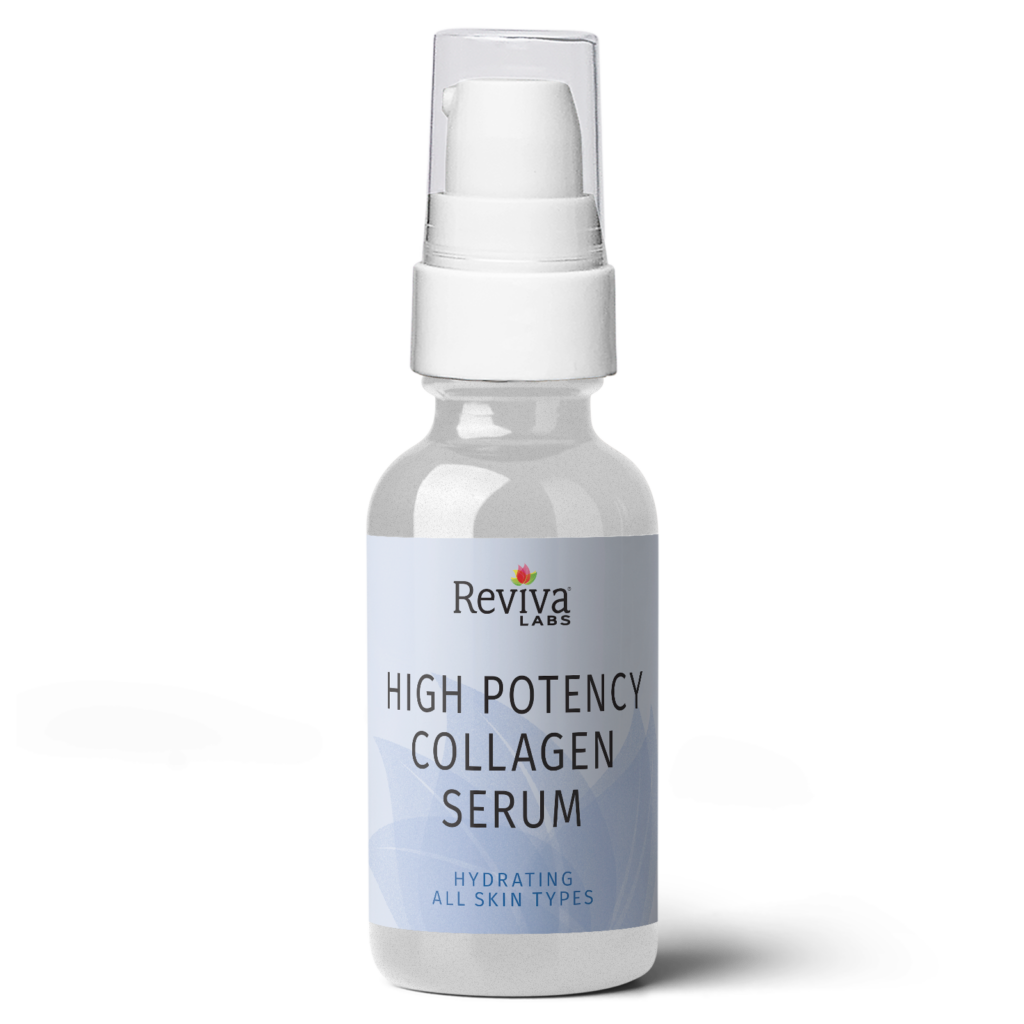
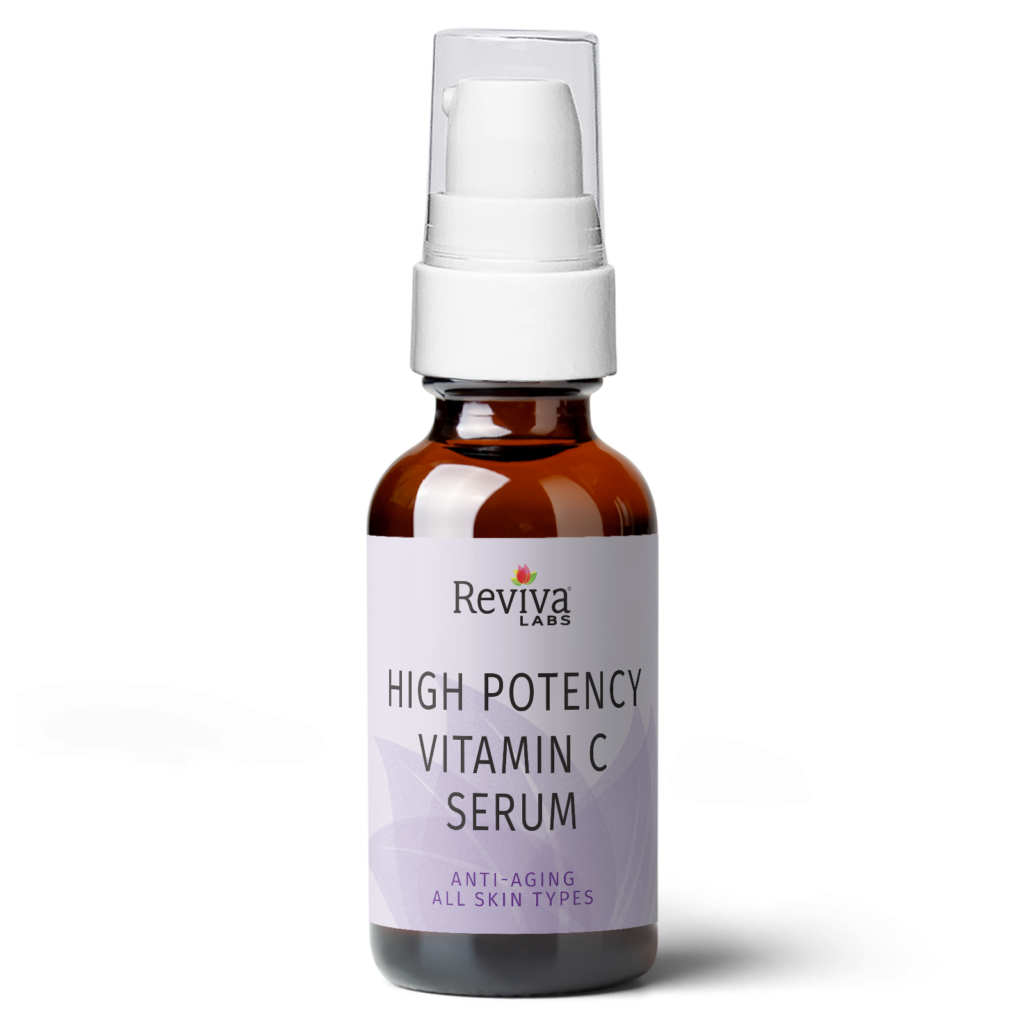
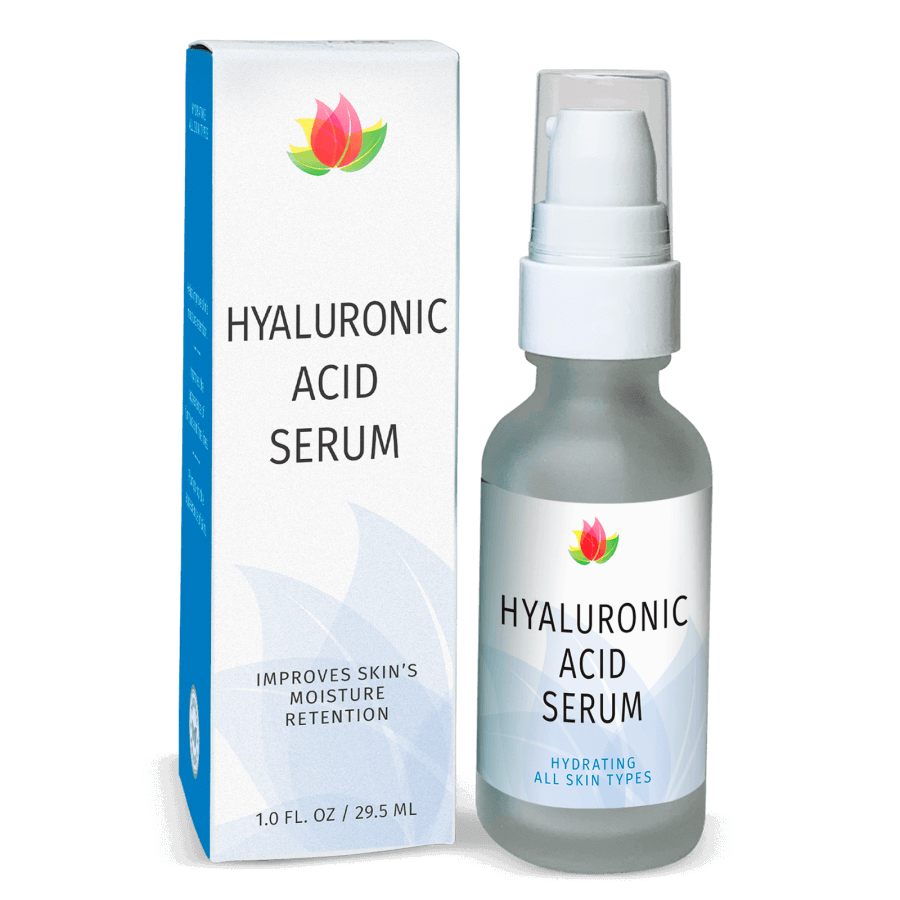

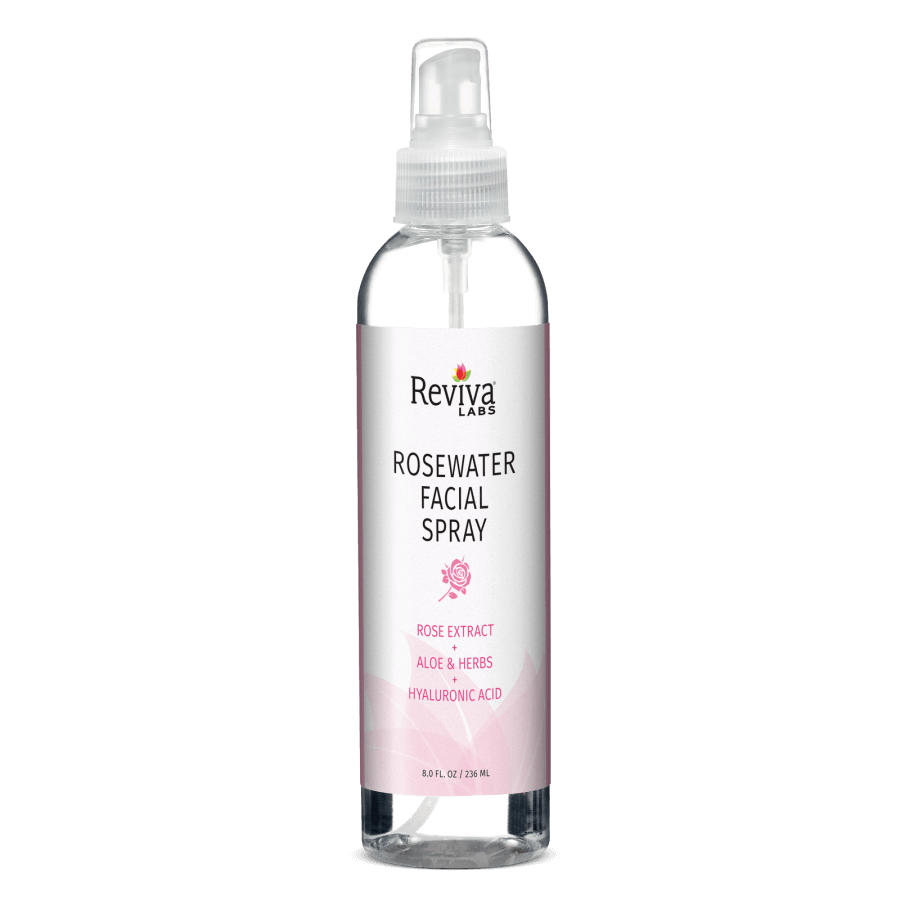

Seasonal skincare transitions are more than a trend. Research published in the Journal of Investigative Dermatology found that the skin’s barrier function, hydration levels, and lipid composition all shift measurably with the seasons, with the skin’s water content and surface lipids declining during winter months and beginning to recover as temperatures and humidity rise. Your skin is literally responding to its environment, which means a routine built for January cold is going to feel out of place by late March. Knowing this makes it easier to shift your habits with intention rather than guesswork.
Spring skincare is not about buying everything new and starting over. It is about making a few targeted, well-reasoned changes that help your skin shed what winter left behind, absorb what it actually needs now, and stay balanced as temperature and humidity climb. Fifty years of natural skincare formulation teaches you one lesson above all others: less manipulation, more support.

What Your Skin Actually Goes Through in Winter
Before you can reset, it helps to know what you are resetting from. During cold months, the skin produces fewer natural lipids, meaning its protective barrier becomes less efficient at retaining moisture. Heaters strip humidity from indoor air, accelerating transepidermal water loss. Most people respond by layering on heavier creams and avoiding anything that might feel drying, like exfoliants or tonics. These are understandable choices in context, but by February and March they tend to create a backlog of dead cells on the skin’s surface that are visibly dulling, clogging pores, and preventing serums and moisturizers from absorbing properly.
Skin also tends to become more reactive in winter. Less-than-ideal air quality, reduced UV exposure, and the constant shift between cold outdoor air and warm indoor air puts the skin’s immune and repair functions under stress. Many people notice their skin becomes more sensitive or blotchy than usual by late winter, even if they do not normally have sensitive skin. This matters when you are choosing how aggressively to approach your spring reset.
The Right Way to Reintroduce Exfoliation
Exfoliation is the single most important step in any seasonal transition routine. It clears the accumulated dead cell layer that winter leaves behind, allows active ingredients to reach living skin cells, improves the visible texture and tone of the complexion, and immediately brightens dullness. None of this is complicated, and the risks are almost entirely manageable as long as you start gently and build from there.
Alpha hydroxy acids, particularly glycolic acid, remain the most researched and consistently effective topical exfoliants available without a prescription. Glycolic acid is derived from sugar cane and is the smallest AHA molecule, which allows it to penetrate the outermost layer of skin efficiently. At concentrations of 3 to 10 percent, it dissolves the bonds between dead cells, encourages cell turnover, and over time helps soften the appearance of fine lines, uneven tone, and rough texture.
The approach for spring is to start at the lower end of the concentration range and use your exfoliant no more than two or three times per week, at least at first. A 3 percent glycolic cleanser used three mornings a week, followed by a 4.2 percent glycolic toner, gives you a consistent but manageable AHA routine that works across most skin types, including oily, combination, and aging skin.
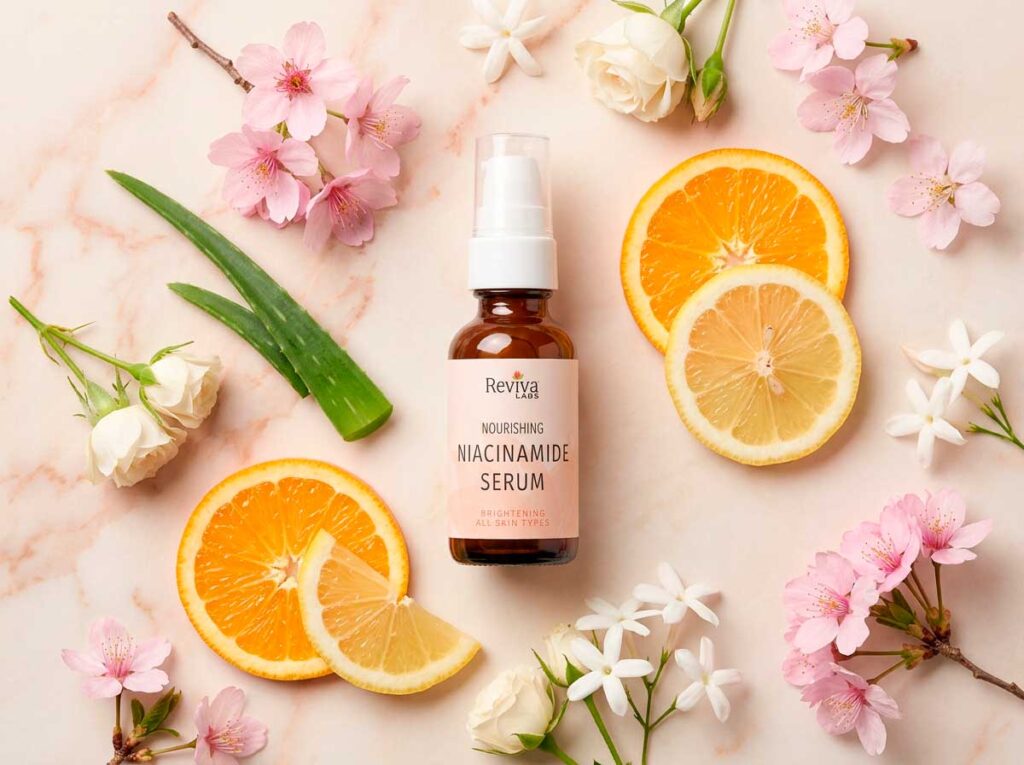
Rethinking Hydration for Warmer Weather
This is where a lot of people make unnecessary mistakes. Spring arrives and they immediately swap their heavy winter moisturizer for something light and thin. For some skin types this makes sense. For others, it strips away protection before the skin has had time to rebuild its own barrier. The better approach is to keep your moisturizer but change the layer beneath it.
Hyaluronic acid serums are ideal for this transition. Hyaluronic acid is a polysaccharide that occurs naturally in the skin and is capable of holding up to 1,000 times its weight in water. As a topical serum ingredient, it works by drawing moisture to the surface of the skin and helping it stay there. In spring, when humidity begins to recover and your skin is starting to produce more of its own natural oils, a lightweight hyaluronic acid serum provides excellent hydration support without any heaviness.
Collagen serums are also worth considering at this time of year. Soluble collagen applied topically forms a soft, film-like layer on the skin’s surface that temporarily reduces the appearance of fine lines while supporting the overall feel of skin plumpness and smoothness. When layered over hyaluronic acid, this combination creates a noticeable difference in how skin looks under light.
Adding Brightness Before the Season Gets Busy
Spring is an active season for most people. More time outdoors, more social obligations, more photographs. It is also when people start thinking about UV exposure again. These two facts together make spring the ideal time to add a Vitamin C serum to your routine if you have not already. Vitamin C, particularly in its more stable forms like Sodium Ascorbyl Phosphate and Aminopropyl Ascorbyl Phosphate, is among the most well-supported antioxidant skincare ingredients in clinical literature.
A triple-source Vitamin C serum, one that combines multiple forms of the vitamin at different molecular sizes, delivers broader activity than single-source formulations because different molecules reach different layers of the skin. Applied in the morning under sunscreen, a Vitamin C serum acts as a biological second layer of defense against sun damage. Brightening ingredients pair well with the exfoliation step described earlier. As the glycolic acid clears the surface layer and accelerates cell turnover, the Vitamin C can reach fresher skin cells more efficiently.
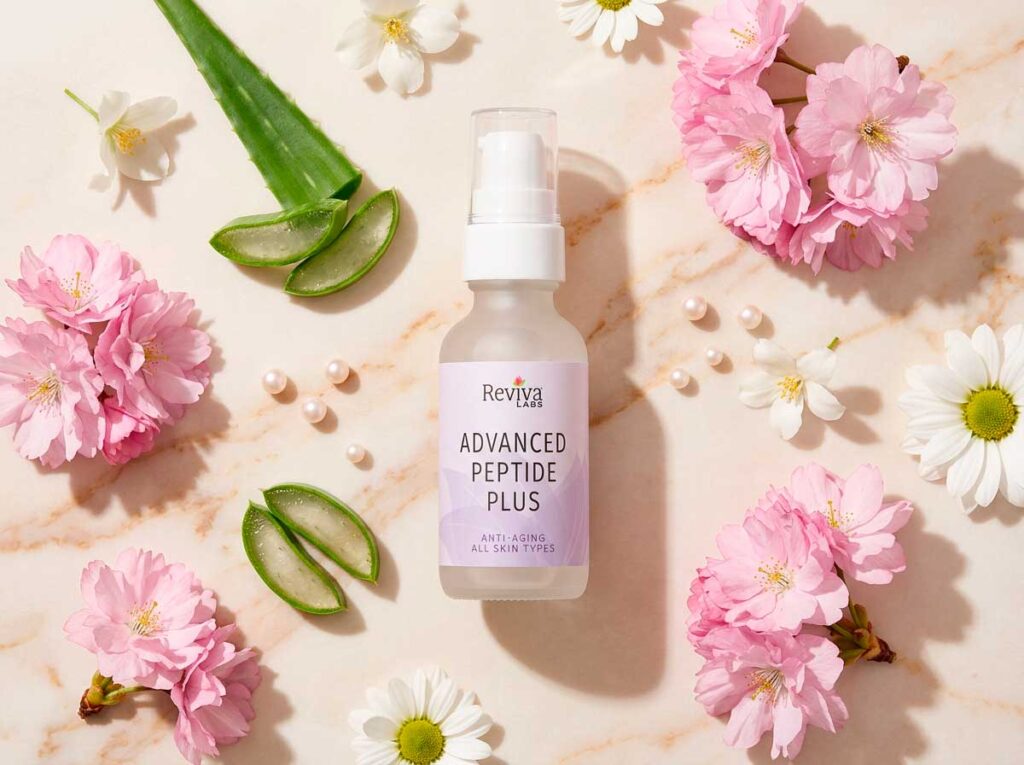
Building a Sustainable Spring Routine
The most common mistake people make during seasonal transitions is adding too many new products at once. Your skin cannot tell you which new product is helping, and which one is causing a reaction if you introduce five things simultaneously. The right approach is sequential. Start with the exfoliation step in week one. Add the hydrating serum in week two. Introduce any new treatment serum in week three or four once you know your skin is tolerating the routine well.
Sunscreen deserves its own mention here, because spring is when most people stop applying it consistently. UVA rays, the wavelengths primarily responsible for collagen breakdown and photodamage, are present at relatively consistent levels year-round and penetrate clouds and glass. If you are investing in a serum routine to improve your skin’s appearance, daily SPF is the only way to protect that investment.
What 50 Years in Natural Skincare Has Taught Us
There is a meaningful difference between formulating natural skincare because it is a marketing category and formulating it because it is genuinely what works best for skin health. Reviva Labs has been in the second category since 1973. More than five decades of working with botanicals, AHAs, peptides, and bioactive compounds has produced a clear and consistent perspective: the skin does not need to be aggressively manipulated to function well. It needs the right ingredients, in the right concentrations, applied with consistency.
Natural does not mean weak. Glycolic acid derived from sugar cane is chemically identical to synthetic glycolic acid, but the surrounding formulation can be structured to reduce irritation while maintaining efficacy. Plant-based emollients like jojoba, grapeseed, and squalane closely mimic the skin’s own lipids and support barrier function in ways that petroleum derivatives do not. Clean formulations that exclude parabens, phthalates, sulfates, mineral oil, and artificial fragrances reduce the cumulative chemical load on the skin and lower the risk of sensitization over time.
Your spring reset does not require an overhaul. It requires a thoughtful, sequenced approach that respects what your skin has been through and gives it the specific tools it needs to function at its best in a new season. Exfoliate strategically, hydrate more intelligently, protect more consistently, and treat with purpose. That is the reset.
Frequently Asked Questions
When is the best time to start a spring skincare reset?
Late March through April is the ideal window for most people. The transition period when temperatures start rising but before summer heat and humidity fully arrive gives your skin time to adapt gradually. Starting your reset a few weeks before your skin typically starts feeling oily or congested is more effective than waiting until the seasonal imbalance is already visible.
Can I use glycolic acid every day?
For most skin types, daily glycolic acid use at concentrations above 2 to 3 percent is not recommended, particularly if you are just reintroducing it after winter. Two to three times per week is enough to achieve meaningful exfoliation and cell turnover without compromising the skin barrier.
Should I stop using my heavy winter moisturizer immediately when spring arrives?
Not necessarily. A better approach is to keep the moisturizer through March and April but reduce the amount you apply and add a hyaluronic acid serum beneath it. As temperatures rise and your skin produces more of its own oil, you will naturally feel the need for less coverage.
Is it worth using Vitamin C in the morning and a glycolic product at night?
Yes, this is an ideal pairing. Vitamin C applied in the morning provides antioxidant protection during daylight hours. Glycolic acid or other AHAs used at night take advantage of the skin’s natural repair and regeneration cycle that occurs during sleep.
How long does it take to see results from a spring skincare reset?
Visible improvements in texture and dullness typically appear within two to three weeks of consistent exfoliation. Improvements in tone take longer, typically six to twelve weeks with consistent Vitamin C use. Hydration improvements are among the fastest to appear, often noticeable within a few days of adding a well-formulated hyaluronic acid serum.
Do natural skincare ingredients work as well as synthetic ones?
For many active ingredients, yes. Glycolic acid is functionally identical regardless of whether it is derived from sugar cane or synthesized in a lab. The real advantage of a naturally focused formulation is in the supporting ingredients: plant-based emollients, botanical extracts, and the absence of irritating synthetic compounds that add unnecessary chemical load to the skin over time.
What should I do if my skin becomes more sensitive during a spring transition?
Scale back the exfoliation immediately. Skip the glycolic step for a week and focus exclusively on gentle cleansing and hydration. Once your skin has calmed, reintroduce exfoliation at a lower frequency, starting with once a week.
References
- Akimoto, N., Sato, T., Sakamoto, K., Iwatsuki, K., & Iwabuchi, T. (2003). Seasonal variation in the sebum excretion rate and the skin surface lipid content. Journal of Investigative Dermatology. doi.org/10.1046/j.1523-1747.2003.12436.x
- American Academy of Dermatology Association. (2022). How to safely exfoliate at home. aad.org/public/skin-hair-nails/skin-care/exfoliating
- Telang, P.S. (2013). Vitamin C in dermatology. Indian Dermatology Online Journal. doi.org/10.4103/2229-5178.110593