
Ingredients, Natural, Reviva Labs, Skin Care
Hyaluronic Acid in Summer Everything You Need to Know
Jun
When the weather turns hot and humid, many people start stripping back their routines. Heavy creams feel sticky. Thick oils sit on the skin. Rich night products feel out of place when the air already feels damp. But summer skin still needs hydration. In fact, heat, sun exposure, air conditioning, sweat, saltwater, pool water, and frequent cleansing can all leave skin feeling tight, dull, or out of balance. This is where hyaluronic acid earns its place.
Hyaluronic acid can hold up to 1,000 times its weight in water, which explains why this ingredient shows up in so many summer skincare routines.
Hyaluronic acid is not an exfoliating acid. It does not peel the skin or create the tingle people often associate with glycolic acid, lactic acid, or salicylic acid. It is a water-binding humectant, which means it helps attract and hold moisture on the skin’s surface. In warm weather, this makes it especially useful for people who want a lighter routine without giving up comfort, softness, and visible plumpness.
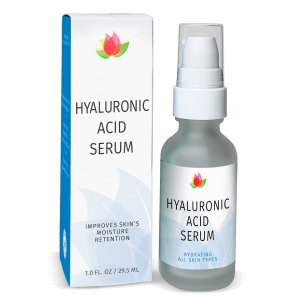
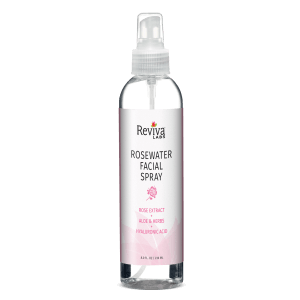
Recommended products
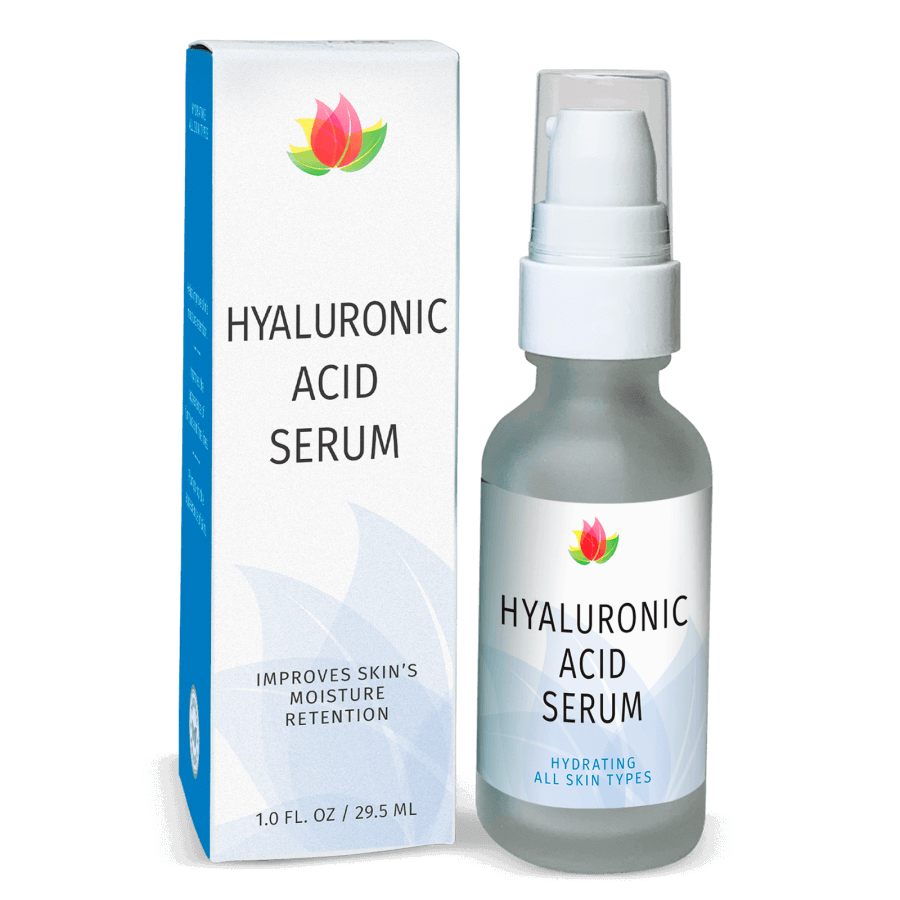

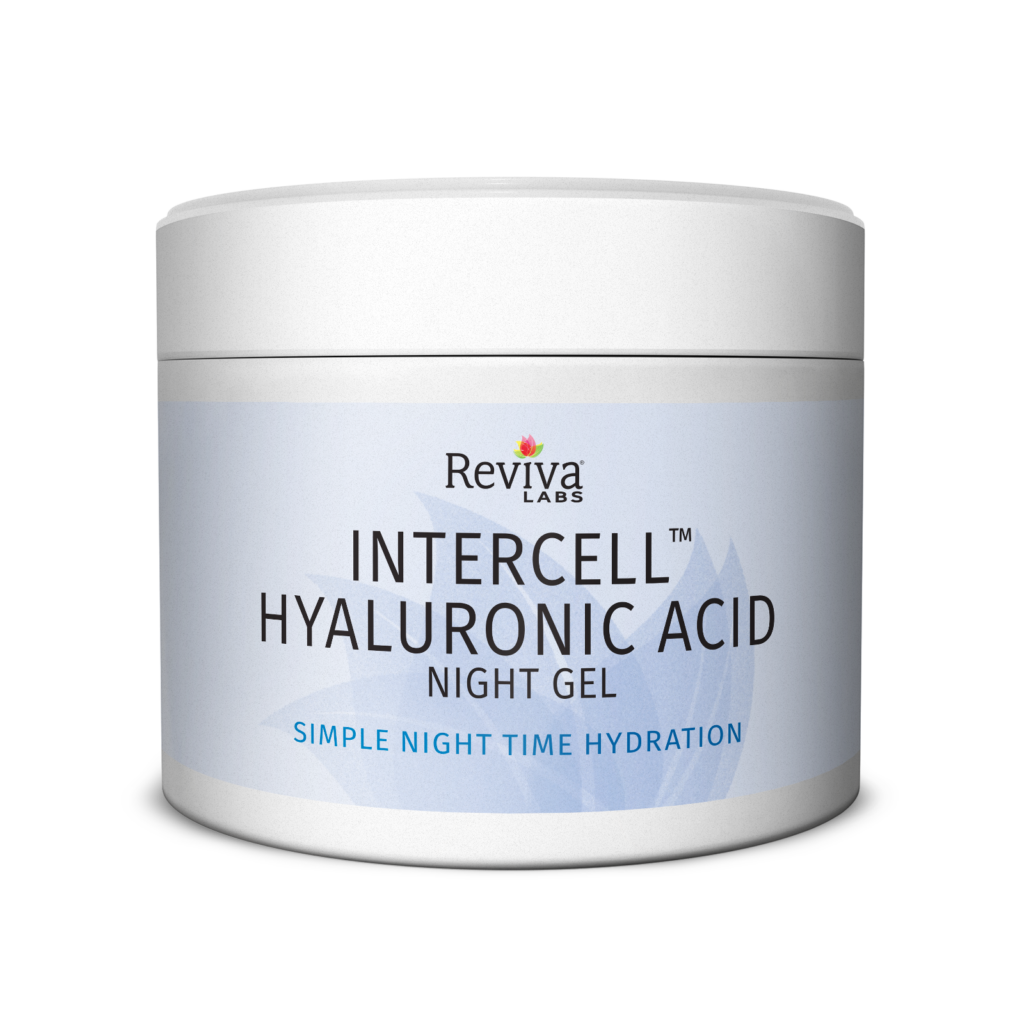
Summer skin care works best when it feels breathable. Hyaluronic acid fits because it layers well, absorbs quickly, and supports hydration without a greasy finish. It can work for dry skin, oily skin, combination skin, and sensitive skin. The key is knowing how to use it, what to pair it with, and what mistakes to avoid when the temperature climbs.
What Hyaluronic Acid Does for Skin
Hyaluronic acid is naturally present in the body, including the skin, eyes, joints, and connective tissue. In skin care, it acts mainly as a moisture magnet. It binds water, helps the skin look smoother, and gives the surface a fresher, more supple appearance. When skin looks tired or flat, dehydration often plays a role. Hyaluronic acid helps address this surface-level dehydration.
Skin can be oily and dehydrated at the same time. This surprises many people in summer. You can have shine across the T-zone, sweat during the day, and still feel tight after cleansing. Oil and water are not the same thing. Sebum is oil. Hydration refers to water content. Hyaluronic acid helps support water content without adding more oil to the skin.
This matters in humid weather because people often over-correct. They skip moisturizer. They cleanse more often. They use stronger toners or exfoliants to chase a cleaner feel. Over time, skin can look shiny but feel uncomfortable. A lightweight hyaluronic acid serum helps bring water back into the routine without making the skin feel coated.
Hyaluronic acid also helps improve the look of fine lines caused by dehydration. These are not the same as deeper expression lines or long-term changes in collagen and elastin. Dehydration lines often look more noticeable after sun, travel, alcohol, salty food, poor sleep, or air conditioning. With consistent hydration, skin often looks smoother and more rested.

Why Summer Skin Still Needs Hydration
Hot weather changes how your skin feels, but it does not erase your need for hydration. Sweat gives the impression of moisture, yet sweat evaporates. When it dries on the skin, it can leave salt behind and make the skin feel tight or irritated. Frequent wiping, blotting, cleansing, and reapplying sunscreen can add more stress.
Air conditioning creates another issue. You spend time outside in humid heat, then move indoors to cool, dry air. This back-and-forth can leave skin confused. The outdoor air makes you feel sticky. The indoor air pulls moisture from the skin’s surface. A routine built only around oil control can leave skin looking dull by the end of the day.
Sun exposure also affects the skin barrier. Even when you avoid burning, UV exposure can contribute to dryness, rough texture, and visible aging over time. Sunscreen protects the skin, but hydration helps keep the skin comfortable and resilient. The two work together. Hyaluronic acid does not replace sunscreen, and sunscreen does not replace hydration.
Summer routines often benefit from lighter layers rather than fewer layers. A gentle cleanser, hydrating serum, lightweight moisturizer, and broad-spectrum sunscreen can do more for skin comfort than a harsh cleanse followed by sunscreen alone. Hyaluronic acid fits into this approach because it gives hydration without heaviness.

How Humidity Changes the Way Hyaluronic Acid Works
Hyaluronic acid attracts water. In humid climates, there is more water in the air, so a humectant can feel especially helpful. It can support a fresh, bouncy finish while letting the skin breathe. This is why many people prefer hyaluronic acid serums during summer instead of heavier creams.
But humidity does not mean every hyaluronic acid product will feel good. Formula matters. A serum with too much tackiness can feel sticky in hot weather. A product with too many rich emollients can feel heavy. A product with a poor finish can pill under sunscreen or makeup. The best summer hyaluronic acid products feel light, spread easily, and layer cleanly.
In dry climates or heavily air-conditioned environments, hyaluronic acid still works, but technique matters more. Applying it to slightly damp skin helps give the ingredient water to bind. Sealing it with a light moisturizer helps reduce moisture loss. Without this step, some people feel tightness later, especially in dry air.
This is one of the biggest hyaluronic acid myths. People hear the ingredient “pulls moisture from the skin” and worry it will dry them out. In a well-designed routine, hyaluronic acid supports hydration. Problems usually come from applying it to bone-dry skin, skipping moisturizer in dry conditions, or using a formula that does not suit your skin.

The Best Way to Use Hyaluronic Acid in Summer
Use hyaluronic acid after cleansing and before moisturizer or sunscreen. Think of it as an early hydration layer. Cleanse first, then apply the serum while your skin is still slightly damp. You do not need your face dripping wet. A little dampness is enough. Press or smooth a small amount over your face and neck. Follow with a lightweight moisturizer. Even oily skin often benefits from this step. Look for gel creams, lotion textures, or breathable creams if heavy moisturizers feel uncomfortable in summer. The moisturizer helps lock in the hydration and gives the skin a smoother base for sunscreen.
In the morning, sunscreen comes last. Hyaluronic acid can make skin feel more comfortable under sunscreen, especially if sunscreen tends to feel drying. Give each layer a short moment to settle. If your sunscreen pills, use less serum, wait a bit longer, or switch to a lighter formula.
At night, hyaluronic acid fits after cleansing and before your moisturizer or treatment cream. It also pairs well with retinol routines because retinol can leave skin feeling dry or sensitive. Apply hyaluronic acid first, then a moisturizer, then retinol if your routine calls for it, or use retinol before moisturizer depending on your skin’s tolerance and product directions.
How Much Hyaluronic Acid Do You Need
More product does not mean more hydration. Most people only need a few drops of serum or a pea-sized amount, depending on the formula. Too much can leave skin tacky, shiny, or prone to pilling. In summer, a thin even layer works best. If your face feels sticky after application, use less. If the serum balls up under sunscreen, use less. If your skin feels tight by midday, apply it to damp skin and follow with a light moisturizer. Small changes often fix the issue.
You can use hyaluronic acid once or twice a day. Morning use helps skin feel fresh under sunscreen. Night use helps restore comfort after heat, sweat, and cleansing. If your routine already includes several hydrating products, once daily can be enough.
Skin does not need a complicated hydration routine to benefit. A simple hyaluronic acid serum plus moisturizer can work well. Some products combine hyaluronic acid with niacinamide, glycerin, aloe, panthenol, or antioxidants. These combinations can support comfort and improve the feel of the formula.
What to Pair With Hyaluronic Acid
Hyaluronic acid plays well with most skincare ingredients. It is one of the easiest ingredients to add because it supports hydration rather than pushing the skin aggressively. In summer, it pairs especially well with antioxidants, niacinamide, aloe, ceramides, and sunscreen.
Vitamin C and other antioxidants work well in morning routines because they help support skin exposed to environmental stress. Hyaluronic acid can sit underneath them or appear in the same formula. The order depends on texture. Apply products from thinnest to thickest. Watery products usually go first. Creamier products go later.
Niacinamide pairs beautifully with hyaluronic acid in humid weather. Niacinamide can help support the look of a more balanced complexion, while hyaluronic acid supports water-based hydration. Together, they can help skin look smoother without feeling oily.
Ceramides and barrier-supporting ingredients also make sense. Hyaluronic acid brings water into the routine, while ceramides help support the skin barrier. This pairing is helpful after sun exposure, over-cleansing, exfoliating, or spending too much time in air conditioning.
Sunscreen is the most important partner. Hyaluronic acid helps skin feel hydrated. Sunscreen helps protect skin from UV damage. They do different jobs. A summer routine without sunscreen leaves skin vulnerable, even if the rest of the routine feels perfect.

What Not to Pair It With
Hyaluronic acid has few conflicts, but the full routine still matters. The issue usually comes from too many active products, not from hyaluronic acid itself. If your summer routine includes exfoliating acids, retinoids, vitamin C, clay masks, and oil-control products, your skin can become stressed. When skin feels hot, flushed, tight, or stingy, simplify. Keep the cleanser gentle. Use hyaluronic acid for hydration. Add a basic moisturizer. Protect with sunscreen during the day. Give your skin a few days before restarting stronger treatments.
Avoid layering hyaluronic acid over harsh toners or astringents if your skin already feels dehydrated. Alcohol-heavy products can leave the skin feeling stripped, especially in summer when sweat and sunscreen already increase the urge to cleanse more often. Be careful with exfoliation. A smooth glow feels good in summer, but over-exfoliation can weaken the skin barrier and make everything sting, including products that normally feel gentle. Hyaluronic acid can support comfort, but it cannot undo an aggressive routine overnight.
Hyaluronic Acid for Oily and Acne-Prone Skin
Oily skin often loves hyaluronic acid in summer because it hydrates without adding weight. The right serum can leave skin feeling fresh rather than greasy. This can reduce the temptation to skip all moisturizing steps.
Acne-prone skin often gets trapped between dryness and oiliness. Many acne routines include exfoliating acids, benzoyl peroxide, retinoids, or frequent cleansing. These steps can dry the skin, which can make makeup sit poorly and leave skin feeling irritated. Hyaluronic acid can help improve comfort while keeping the routine light. Look for non-comedogenic formulas when breakouts are a concern. Hyaluronic acid itself is not an oil, but the full formula matters. A heavy cream with hyaluronic acid might not suit oily skin in July. A lightweight serum or gel usually makes more sense.
Do not expect hyaluronic acid to treat acne directly. It is not an acne medication. Its role is hydration support. Better hydrated skin often tolerates acne-focused routines better, which can help you stay consistent without feeling stripped.
Hyaluronic Acid for Dry and Mature Skin
Dry skin often needs more than hyaluronic acid alone. In summer, you still need a moisture-sealing step, even if you choose a lighter texture than you use in winter. Hyaluronic acid adds water-based hydration. Dry skin also needs emollients and barrier support. Mature skin often benefits from hyaluronic acid because dehydration lines can make texture look more pronounced. A hydrating serum can help skin look smoother and more flexible. It also layers well with creams designed to support firmness, elasticity, or overnight repair.
If your skin feels dry in summer despite humidity, look at your environment. Air conditioning, sun exposure, pool water, and cleansing habits often explain the problem. Add hyaluronic acid after cleansing, then follow with a moisturizer suited to your skin. At night, use a slightly richer cream if your skin feels tight. Neck and chest skin also benefit. Many people apply hyaluronic acid to the face and stop at the jawline. In summer, the neck and chest see more sun, heat, and sweat. Extend the serum down if your skin tolerates it, then follow with moisturizer and sunscreen during the day.
Hyaluronic Acid After Sun Exposure
After a day outside, skin often needs calm hydration. Hyaluronic acid can be part of an after-sun routine, especially when skin feels warm, tight, or dry. Cleanse gently to remove sunscreen, sweat, salt, or chlorine. Apply hyaluronic acid to damp skin. Follow with a soothing moisturizer. Do not use hyaluronic acid as a burn treatment. Sunburn is skin damage. If skin is burned, painful, blistered, or severely inflamed, skip strong actives and focus on gentle care. Aloe, cool compresses, bland moisturizers, and time often matter more than an active serum.
After sun exposure, avoid piling on exfoliating acids or retinoids right away. The skin barrier often needs a break. Hyaluronic acid can help with comfort, but the best move is to keep the routine simple. Cleanse, hydrate, moisturize, and protect. The next morning, sunscreen matters even more. Sun-stressed skin can be more sensitive to further exposure. Hyaluronic acid can help your skin feel better under sunscreen, but it has no SPF value. Use broad-spectrum sunscreen and reapply as directed.
Common Summer Mistakes With Hyaluronic Acid
The first mistake is applying it to dry skin and stopping there. Hyaluronic acid works best in a routine. Apply it to slightly damp skin and follow with moisturizer. This is especially important in dry indoor air. The second mistake is using too much. A thick layer can feel sticky, especially when humidity rises. It can also interfere with sunscreen or makeup. A thin layer works better and feels better. The third mistake is treating hyaluronic acid like a complete moisturizer. For some oily skin types in humid weather, a hydrating serum under sunscreen might feel like enough during the day. But many people still need a light moisturizer. At night, most skin types benefit from a sealing step. The fourth mistake is skipping sunscreen because skin feels hydrated and healthy. Hydration improves comfort and appearance. It does not protect against UV rays. Sunscreen remains the foundation of summer skincare. The fifth mistake is using too many products at once. A hyaluronic acid serum can fit into almost any routine, but every extra layer changes how products feel. In summer, fewer well-chosen products often work better than a crowded routine.

How to Choose a Summer Hyaluronic Acid Product
Texture matters first. For summer, look for a light serum, gel serum, or fluid lotion. It should absorb cleanly and leave skin comfortable. If it feels sticky for more than a few minutes, it might not suit your climate or layering needs. Look at the supporting ingredients. Glycerin, aloe, panthenol, niacinamide, and ceramides can all make a hydrating product feel more complete. A formula does not need every trendy ingredient. It needs to feel good enough for daily use.
Packaging matters too. Pump bottles and droppers both work, but the product should stay clean and easy to dose. You only need a small amount, so controlled dispensing helps reduce waste.
Sensitive skin should avoid heavily fragranced formulas if fragrance tends to bother you. Summer sweat can make fragrance feel stronger on the skin. A gentle formula often works better, especially when sunscreen, heat, and outdoor activity already increase sensitivity.
A Simple Summer Routine With Hyaluronic Acid
In the morning, cleanse with a gentle cleanser or rinse with water if your skin does not need a full cleanse. Apply hyaluronic acid while skin feels slightly damp. Follow with a lightweight moisturizer if needed. Finish with broad-spectrum sunscreen. At night, cleanse more thoroughly to remove sunscreen and sweat. Apply hyaluronic acid to damp skin. Follow with moisturizer. If you use retinol or exfoliating acids, work them in carefully and avoid using too many strong products on the same night.
For beach or pool days, keep the routine practical. Use hyaluronic acid in the morning under sunscreen if it layers well. After swimming, rinse when possible and reapply sunscreen. At night, cleanse gently and focus on hydration and barrier comfort. For travel, hyaluronic acid can help offset dry airplane cabins, hotel air conditioning, and changes in climate. Apply it under moisturizer before flights, and keep the rest of your routine simple. Travel is not the best time to test several new actives.
Frequently Asked Questions
Does hyaluronic acid make skin more sensitive to the sun?
No. Hyaluronic acid does not exfoliate the skin and does not increase sun sensitivity the way some exfoliating acids or retinoids can. You still need sunscreen because UV exposure affects skin every day, especially in summer.
Can I use hyaluronic acid every day in summer?
Yes, most people can use it daily. Once or twice a day works for many skin types. If your skin feels sticky or overloaded, use less product or apply it once daily.
Can oily skin use hyaluronic acid?
Yes. Oily skin often benefits from water-based hydration. Choose a lightweight serum and avoid heavy formulas if they feel greasy or clog-prone.
Should I apply hyaluronic acid before or after vitamin C?
Use texture as your guide. Apply thinner products before thicker products. Many people use vitamin C first, then hyaluronic acid, then moisturizer and sunscreen. If your hyaluronic acid is thinner than your vitamin C product, apply it first.
Can hyaluronic acid replace moisturizer?
Sometimes oily skin in humid weather can use hyaluronic acid under sunscreen and feel comfortable during the day. Most skin still benefits from a light moisturizer, especially at night or in air conditioning.
Why does hyaluronic acid pill under sunscreen?
Pilling often means you used too much product, layered too fast, or paired formulas that do not sit well together. Use a smaller amount, let it settle, and apply sunscreen gently.
Is hyaluronic acid good after the beach?
Yes, it can help restore a hydrated feel after sun, saltwater, wind, or pool exposure. Cleanse gently, apply it to damp skin, and follow with moisturizer. Do not rely on it for sunburn care or UV protection.
Hyaluronic Acid in Summer equals yes!
Hyaluronic acid is one of the easiest ingredients to keep in a summer skincare routine because it solves a common seasonal problem. Your skin still needs hydration when the weather feels hot, humid, and sticky. It simply needs that hydration in a lighter form.
Use hyaluronic acid after cleansing, apply it to slightly damp skin, and follow with a moisturizer or sunscreen depending on the time of day. Keep the layer thin. Pair it with sunscreen in the morning and barrier-supporting products at night. Adjust the texture based on your skin type and climate.
Summer skincare does not need to feel heavy to work well. A good hyaluronic acid product helps skin feel fresh, smooth, and comfortable without the weight of a rich cream. When used correctly, it gives your routine exactly what hot-weather skin often needs most: lightweight hydration that fits your day.