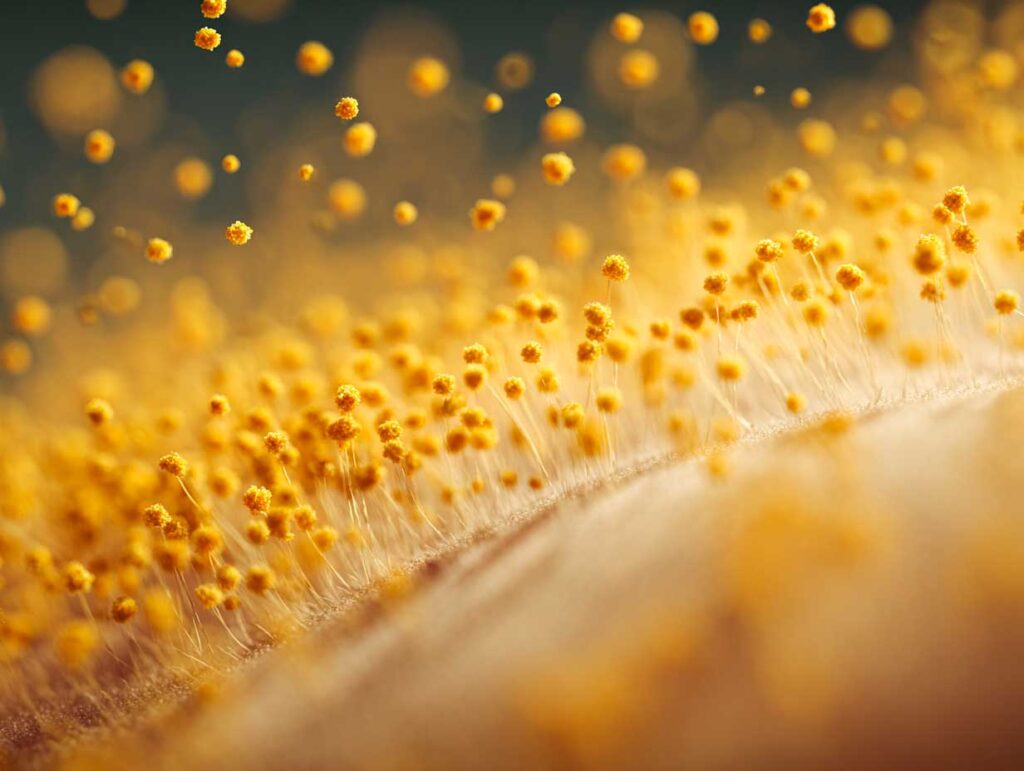
Pollen season now starts 20 days earlier than it did in 1990 and carries 21 percent more pollen into the air. That finding comes from a peer-reviewed study published in the Proceedings of the National Academy of Sciences in 2021, tracking data across 60 pollen stations throughout North America over nearly three decades. Most people hear a statistic like that and think about antihistamines, itchy eyes, and tissue boxes. Almost nobody thinks about their skin. That is a significant oversight, because pollen does not only travel into your airways. It lands on your face all day, every day, throughout spring. And what it does when it gets there is not gentle.
The standard spring skincare conversation has been had a thousand times. Swap the heavy winter cream for something lighter. Add SPF. Exfoliate. These are perfectly reasonable habits. They are also the entire depth at which most skincare content engages with the season, and they completely miss the most scientifically interesting and practically important thing happening to your skin between March and June. Your skin is not just adjusting to warmer weather. It is navigating a genuine environmental threat it was not facing at all in January, one that has measurably gotten worse over the past 30 years and continues to do so.
What follows is not a routine swap guide. It is the actual science of what spring does to your skin at the barrier level, the microbial level, and the immune level, and what that means for anyone who cares about keeping their skin healthy when the world outside is in full bloom.
Pollen Has Enzymes. Your Skin Barrier Does Not Like Them.
Pollen is not inert. This is the part that changes the conversation. When a pollen grain lands on skin, it does not just sit there as a physical irritant. It contains enzymatic proteins, specifically proteases, that actively degrade the structural components of your skin barrier. Research published in Frontiers in Molecular Biosciences in 2022 documented that pollen proteases from Kentucky bluegrass, white birch, and hazel pollen were shown to irreversibly disrupt the integrity and anchorage of epithelial cell layers. The research further confirmed that major pollen allergens are liberated within minutes of contact in quantities sufficient to penetrate below the surface of the epithelium and reach the immune cells underneath.
Your stratum corneum, the outermost layer of your skin, is built from tightly packed dead cells held together by a lipid matrix of ceramides, cholesterol, and fatty acids. This is the structural wall that prevents water loss, keeps pathogens out, and regulates what your skin lets in. Pollen proteases chemically attack this wall. They break down the tight junction proteins that keep the barrier sealed. Research published in the Journal of Investigative Dermatology has confirmed that allergens including several pollens contain proteases that trigger epithelial production of thymic stromal lymphopoietin, a signaling molecule that initiates inflammatory cascades. The skin’s immune system reads this as a threat and responds accordingly, even in people who have no clinical allergy to pollen at all.
For people who do have seasonal allergies, the effect on skin is compounded. The inflammatory immune response triggered by pollen contact elevates cytokines such as IL-31, which research published in PMC has shown actively downregulates the genes responsible for filaggrin processing, a protein essential for barrier structure and integrity. Less filaggrin means a more permeable barrier, which means more allergens can penetrate, which triggers more inflammation. It is a self-perpetuating cycle, and it begins with something as ordinary as walking to your car on a Tuesday morning in April.
Pollen seasons in North America now start 20 days earlier and carry 21% more pollen than they did in 1990.
Anderegg et al., PNAS, 2021
Your Skin’s Microbial Community Is Not the Same in Spring as It Was in Winter
Most people understand that the gut has a microbiome. Fewer realize the skin has one too, and fewer still know that it shifts dramatically with the seasons. A longitudinal study published in Frontiers in Microbiology in 2023 tracked the skin microbiome of participants across all four seasons over a full year. The findings were striking. The bacterial composition of facial skin was significantly different in every season, with 264 out of 390 analyzed metabolic pathways showing statistically significant differences between summer and winter alone. The microbiome does not stay still. It reshuffles itself in response to temperature, humidity, UV exposure, and the environmental organisms it encounters.
The spring transition is particularly unsettled. In winter, a bacterial genus called Cutibacterium dominates, accounting for roughly 64 percent of the facial skin microbiome in the Frontiers in Microbiology study, compared to about 45 percent in summer. As temperatures rise and humidity increases moving into spring, that dominance shifts. Staphylococcus, Corynebacterium, and Streptococcus increase in relative abundance. For most people, this transition happens without incident. But the window during which the microbiome is actively reconfiguring, which corresponds almost exactly to peak pollen season, is when skin is most vulnerable to the kind of microbial imbalance that shows up as unexpected breakouts, redness that was not there in February, or a sensitivity to products that worked perfectly all winter.
Research reviewed in the International Journal of Dermatology in 2022 confirmed that changes in temperature, humidity, UV radiation, and air pollution all negatively affect the skin microbiome, and that these disruptions can influence the epidemiology and severity of conditions including atopic dermatitis, acne, and psoriasis. The commensal bacteria that normally keep opportunistic species in check lose competitive ground during rapid environmental transitions. Spring is the fastest environmental transition of the year. Your skin’s microbial ecosystem is being asked to reorganize itself under the same conditions that pollen is simultaneously attacking the barrier those microbes depend on for their own stability.
Why This Year’s Spring Is Harder on Skin Than 1990’s Spring Was
The PNAS study on pollen trends noted above deserves a closer look, because its implications for skin health go well beyond what its respiratory-health framing suggests. The research, led by William Anderegg at the University of Utah, analyzed data from 60 North American pollen monitoring stations from 1990 to 2018. It found that total pollen concentrations increased by around 21 percent over that period, that pollen seasons now start approximately 20 days earlier in spring, and that human-caused climate change was the dominant driver of season lengthening and a significant contributor to pollen concentration increases. A 2022 follow-up study published in Nature Communications projected that under high carbon emission scenarios, total pollen production in the United States could increase by up to 200 percent by the end of this century, with spring emissions starting up to 40 days earlier than today.
One Atlanta allergist quoted by HHS noted that he used to advise patients to begin allergy management on St. Patrick’s Day. He now recommends starting on Valentine’s Day.
For skin health, what this means practically is that the window of peak pollen exposure to the skin has widened by three weeks compared to 30 years ago, and the concentration of enzymatically active pollen particles in that window has risen by more than a fifth. Skin that our grandmothers managed through a six-week pollen season now navigates a nine-week or longer gauntlet of the same environmental assault. The advice to drink more water and switch to a lighter moisturizer was written for a shorter, less intense spring. It has not kept pace with the season it is supposed to address.
The US Department of Health and Human Services has documented this pattern through National Phenology Network data showing that the start of spring, defined biologically by when heat accumulates sufficiently to trigger plant growth and pollen release, has moved meaningfully earlier across large portions of the country. One Atlanta allergist quoted by HHS noted that he used to advise patients to begin allergy management on St. Patrick’s Day. He now recommends starting on Valentine’s Day. That is a full month’s shift in the timeline of meaningful pollen exposure, including the daily skin exposure that most people have never thought to manage at all.
What a Spring Skin Reset Actually Addresses, Given All of This
If the problem is enzymatic barrier degradation, microbiome disruption, and pollen-triggered inflammation, then the solution is not simply switching to a gel moisturizer. The spring skincare reset that the research actually supports is one built around three distinct priorities: sealing and rebuilding what winter and early pollen exposure have damaged, supporting the microbial diversity that protects the skin from the inside out, and deploying antioxidants strategically to interrupt the reactive oxygen species that pollen NADPH oxidases generate on contact.
The barrier repair piece is where most spring routines do start, and for good reason. Research is consistent that ceramide-containing formulas help replenish the structural lipids that winter transepidermal water loss depleted and that pollen proteases continue to erode. Niacinamide is particularly valuable here because it supports the skin’s own ceramide synthesis rather than simply applying ceramides topically. A review of barrier science published in the Journal of Investigative Dermatology has documented that niacinamide increases ceramide production in keratinocytes, strengthening the very tight junction proteins that pollen enzymes attack. Spring is the season where this ingredient earns its place most clearly.
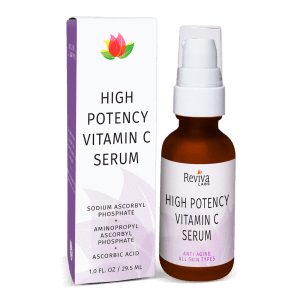
The antioxidant piece is less commonly discussed but equally important in light of the pollen enzyme research. Studies reviewed in PMC on pollen-induced innate immune responses documented that pollen NADPH oxidases generate reactive oxygen species on contact with skin tissue, and that pre-treatment with antioxidants such as ascorbic acid and tocopherol profoundly inhibited pollen-induced inflammatory activation. In practical skincare terms, a well-formulated vitamin C serum applied in the morning before outdoor exposure is doing something more specific than general brightening. It is actively buffering the oxidative stress that airborne pollen initiates within minutes of landing on your skin. That is a meaningful distinction.
The microbiome support piece is the most emerging area of spring skincare. What the Frontiers in Microbiology longitudinal study makes clear is that the skin’s microbial community is in transition during spring, not disorder. Supporting that transition means avoiding aggressive interventions that further destabilize the microbiome, such as daily use of strong exfoliating acids at full concentration, and maintaining the moisture and pH conditions that commensal bacteria need to hold their competitive position. Gentle exfoliation two or three times weekly keeps the surface clear without stripping the ecosystem beneath it.
The Reset Your Skin Actually Needs
A spring skincare reset grounded in the actual science of the season looks different from the standard product-swap routine. It starts not in April, when spring is already in full swing, but in late February or early March, before peak pollen load arrives and while your skin still has the opportunity to shore up its defenses proactively. The first priority at that stage is ceramide and barrier support, running consistently through the transition period. The second priority, beginning as pollen counts rise, is morning antioxidant protection that addresses the specific oxidative mechanism pollen triggers, not just general free-radical defense. The third priority, maintained throughout, is SPF that protects against the intensifying UV that arrives with longer spring days.
The products and ingredients that serve these three priorities well are not complicated. A gentle, low-pH cleanser that preserves the microbiome’s preferred acid mantle environment. A niacinamide serum that supports endogenous ceramide production and calms the inflammatory signals pollen initiates. A vitamin C formulation with sufficient stability to remain active through application and outdoor exposure. A broad-spectrum mineral or chemical SPF used daily without exception. And a moisturizer calibrated not to the old standard of heavy or light, but to what your barrier genuinely needs given how much work it is currently doing against an environment that is more demanding than most skincare advice acknowledges.
The reason this matters beyond product selection is that it changes how you interpret your skin’s behavior in spring. Unexpected sensitivity in April is not just skin being dramatic. It is a measurable biological response to barrier-disrupting enzymes arriving from outside. Breakouts that appeared from nowhere in March may reflect a microbiome in transition under environmental stress, not a change in diet or stress levels. Redness that was not there in December is consistent with documented pollen-triggered immune activation, not with anything wrong with your routine. Once you know what is actually happening, the response becomes clearer and the reset becomes something more meaningful than a seasonal product refresh.
A Note on Seasonal Patience
One of the most useful things that emerges from the research on skin microbiome seasonality is the reminder that skin takes time to stabilize in a new environment. The Frontiers in Microbiology longitudinal study found that microbial community composition differed significantly between spring 2021 and the seasons on either side of it but was not significantly different from summer 2021. Spring and early summer represent a continuous transition period for the skin’s microbial ecosystem. Product changes made in March may not fully resolve until May, not because the products are wrong but because the biology takes that long to settle.
This is particularly relevant for anyone who experiences what appears to be product-triggered sensitivity in spring and responds by cycling through multiple new products trying to find the right one. Each new introduction is another variable in a microbiome that is already reorganizing itself. The evidence supports a more restrained approach: make deliberate changes, give them time, and resist the impulse to react to every fluctuation. The skin is doing something genuinely complex in spring. The best thing you can do for it is understand that complexity and work with it, rather than against it.
Frequently Asked Questions
Does pollen really affect my skin even if I do not have seasonal allergies?
Yes. The barrier-disrupting effects of pollen proteases occur through mechanisms that are separate from allergic sensitization. Research published in Frontiers in Molecular Biosciences and the Journal of Investigative Dermatology has documented that pollen enzymes actively degrade tight junction proteins and trigger inflammatory cytokine production in keratinocytes regardless of whether the individual has a clinical pollen allergy. People without allergies experience a subclinical version of the same process, which often presents as unexplained spring sensitivity, mild redness, or skin that simply feels less resilient than it did in February.
Why does my skin break out in spring when my diet and stress levels have not changed?
The most likely explanation, supported by the Frontiers in Microbiology longitudinal study on seasonal microbiome shifts, is that your skin’s microbial community is undergoing its seasonal transition from winter to summer composition during this exact period. Staphylococcus and other genera increase in relative abundance as temperatures and humidity rise, and this shift can be enough to tip the balance toward congestion in pore environments that were stable all winter. Simultaneously, pollen-driven inflammation can increase sebum production and reduce barrier integrity in ways that create conditions favorable to breakouts. The cause is environmental, not behavioral.
How early in spring should I start adjusting my skincare routine?
Based on the pollen timeline data from HHS and the PNAS research by Anderegg et al., meaningful pollen exposure now begins in many North American regions by mid-February to early March, roughly three to four weeks earlier than it did in 1990. Beginning barrier support and morning antioxidant protection by late February gives your skin a better-prepared foundation before peak pollen concentration arrives. Waiting until you notice sensitivity means you are responding to damage that has already occurred rather than preventing it.
What does antioxidant protection actually do against pollen specifically?
Pollen grains contain NADPH oxidases that generate reactive oxygen species on contact with skin tissue. These reactive oxygen species initiate the first signal in pollen-induced allergic inflammation and create oxidative stress that damages skin cells and amplifies immune cascades. Research reviewed in PMC on innate pollen immune responses found that antioxidants including ascorbic acid and tocopherol administered before pollen exposure significantly inhibited this inflammatory activation. A vitamin C serum applied in the morning is doing something biochemically specific against pollen exposure, not just providing generalized antioxidant protection.
Is there anything I should stop doing in spring that might be making pollen’s effect on my skin worse?
Over-exfoliation is the most common spring skincare mistake in light of the barrier science. If pollen proteases are already enzymatically weakening your stratum corneum and tight junction proteins, applying strong exfoliating acids daily accelerates that barrier thinning rather than counteracting it. Research on barrier disruption consistently shows that a compromised barrier allows deeper allergen penetration, which intensifies inflammatory responses rather than calming them. Reducing exfoliation frequency to two to three times weekly during peak pollen season, and ensuring robust barrier support before and after any exfoliation session, is the adjustment most supported by the research.
References and Sources
Anderegg, W.R.L. et al. (2021). Anthropogenic climate change is worsening North American pollen seasons. Proceedings of the National Academy of Sciences. https://www.pnas.org/doi/10.1073/pnas.2013284118
Zhang, Y. & Steiner, A.L. (2022). Projected climate-driven changes in pollen emission season length and magnitude over the continental United States. Nature Communications. https://www.nature.com/articles/s41467-022-28764-0
Seo, J.Y. et al. (2023). Longitudinal study of the interplay between the skin barrier and facial microbiome over 1 year. Frontiers in Microbiology, 14, 1298632. https://www.frontiersin.org/journals/microbiology/articles/10.3389/fmicb.2023.1298632/full
Grishina, S.V. et al. (2022). How Do Pollen Allergens Sensitize? Frontiers in Molecular Biosciences. https://www.frontiersin.org/journals/molecular-biosciences/articles/10.3389/fmolb.2022.900533/full
Traidl-Hoffmann, C. et al. (2022). The External Exposome and Allergies: From the Perspective of the Epithelial Barrier Hypothesis. Frontiers in Allergy. https://www.frontiersin.org/journals/allergy/articles/10.3389/falgy.2022.887672/full
Castillo, A. et al. (2018). The Skin as a Route of Allergen Exposure: Part I. Immune Components and Mechanisms. PMC. https://pmc.ncbi.nlm.nih.gov/articles/PMC6028939/
Bieber, T. et al. (2022). Skin Barrier in Atopic Dermatitis. Journal of Investigative Dermatology. https://www.jidonline.org/article/S0022-202X(24)00187-8/fulltext
Isler, R. et al. (2022). Climate change, the cutaneous microbiome and skin disease: implications for a warming world. International Journal of Dermatology. https://pubmed.ncbi.nlm.nih.gov/35599301/
Horner, A.A. et al. (2015). Innate responses to pollen allergens. PMC. https://pmc.ncbi.nlm.nih.gov/articles/PMC4361229/
U.S. Department of Health and Human Services. Pollen and Climate Change. https://www.hhs.gov/climate-change-health-equity-environmental-justice/climate-change-health-equity/climate-health-outlook/pollen/index.html
USDA National Institute of Food and Agriculture. Yes, Allergy Seasons Are Getting Worse. https://www.nifa.usda.gov/about-nifa/impacts/yes-allergy-seasons-are-getting-worse-blame-climate-change
As a long time natural skin care fan I discovered Reviva Labs many years ago. After buying and using Reviva products for several years, I started contributing to Reviva Labs' blog in 2015.



 Nourishing Niacinamide Serum
1 × $20.40
Nourishing Niacinamide Serum
1 × $20.40 Bakuchiol Plus Serum
Original price was: $32.00.$24.00Current price is: $24.00.
Bakuchiol Plus Serum
Original price was: $32.00.$24.00Current price is: $24.00. Multi-Factor Brightening Créme
$42.00
Multi-Factor Brightening Créme
$42.00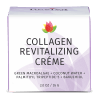 Collagen Revitalizing Créme
$38.50
Collagen Revitalizing Créme
$38.50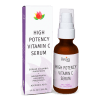 High Potency Vitamin C Serum
$32.00
High Potency Vitamin C Serum
$32.00