
Natural, Reviva Labs, Skin Care
What is Ceramide NP and what are its skin benefits?
Apr
Ceramides are not a trend. They are the backbone of your skin barrier, and they make up nearly 50 percent of its lipid structure according to research published in the Journal of Clinical Investigation. When that structure weakens, the effects show up fast. Skin loses moisture, becomes reactive, and starts to look uneven and aged. Ceramide NP stands out because it directly replaces one of the key components your skin is losing. It does not try to stimulate or force change; it restores what should already be there.
That difference matters more than most people realize. Many skincare ingredients focus on triggering a response from the skin, which can work but often comes with trade-offs like irritation or inconsistency. Ceramide NP takes a different path by reinforcing the skin’s foundation. When the barrier improves, everything else becomes easier to manage, from hydration to texture to sensitivity. This is why it continues to show up in well-formulated products that prioritize results over noise. It fits naturally into a philosophy of functional skincare where ingredients are chosen for performance and reliability rather than novelty.
What Ceramide NP is and how it fits into the skin
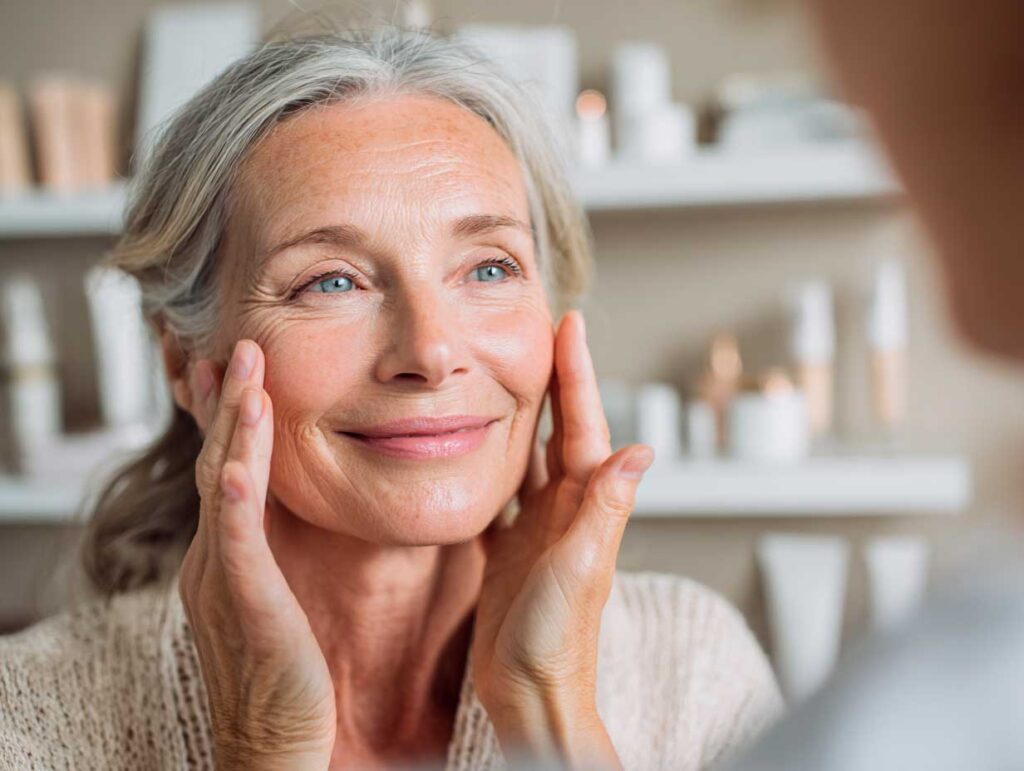
Ceramide NP is a specific type of ceramide, which is a lipid naturally found in the outermost layer of the skin. The “NP” refers to its chemical structure, made from a non-hydroxy fatty acid and phytosphingosine. While that sounds technical, the practical takeaway is clear. It closely resembles the ceramides your skin already produces, which allows it to integrate into the barrier rather than sitting on the surface. This compatibility is what makes it effective in real-world use.
The outer layer of your skin, known as the stratum corneum, functions as a protective barrier. It is often described as a brick-and-mortar system where skin cells act as the bricks and lipids act as the mortar. Ceramides are the largest component of that mortar, supported by cholesterol and fatty acids. When this structure is intact, the skin holds moisture and blocks irritants effectively. When it breaks down, the barrier becomes compromised and the skin starts to show signs of stress.
Ceramide NP works by filling in the gaps created when natural ceramides are depleted. It helps rebuild the lipid matrix so the barrier can function properly again. This aligns with the idea of building skin health through structure rather than chasing surface-level effects. The goal is not to overwhelm the skin with actives but to restore balance so it can perform as intended.
How Ceramide NP strengthens the skin barrier
The strength of your skin barrier determines how well your skin retains moisture and resists external stress. When the barrier is intact, water stays in and irritants stay out. When it is compromised, water escapes through a process known as transepidermal water loss, and the skin becomes more vulnerable to environmental damage.
Ceramide NP plays a direct role in reinforcing this barrier. It integrates into the lipid matrix and helps seal microscopic gaps between skin cells. This reduces water loss and improves the skin’s ability to maintain consistent hydration levels. Unlike ingredients that only provide temporary relief, this approach supports long-term improvement in how the skin functions.
As the barrier becomes stronger, the skin begins to feel more stable. It is less prone to sudden dryness or irritation, and it maintains a more even texture throughout the day. This stability is often what people notice first, even before visible changes appear. Over time, the cumulative effect leads to smoother, healthier-looking skin that is easier to manage.

Why hydration depends on ceramides more than you think
Hydration is often misunderstood as simply adding water to the skin. In reality, hydration depends on both water content and the skin’s ability to retain that water. Without a strong barrier, even the best hydrating ingredients cannot deliver lasting results because moisture escapes too quickly.
Ceramide NP supports hydration by improving retention rather than absorption. It helps lock in moisture so that the skin stays hydrated for longer periods. This is why it is often combined with humectants like glycerin or hyaluronic acid. The humectants draw water into the skin, while ceramides help keep it there.
This combination creates a more complete hydration system. Instead of chasing short-term softness, the skin becomes consistently hydrated and comfortable. This approach reflects a broader understanding of how skincare should work, where ingredients support each other rather than trying to perform in isolation.
What causes ceramide loss in the skin
Ceramide levels do not stay constant throughout life. They begin to decline earlier than many people expect, and the process continues with age. As ceramide levels drop, the skin becomes less efficient at retaining moisture and more prone to dryness and irritation.
Environmental factors accelerate this decline. Sun exposure, pollution, and harsh weather conditions can break down lipids in the skin. Even daily habits like over-cleansing or using strong exfoliants can strip away ceramides faster than the skin can replace them. These factors create a cumulative effect that weakens the barrier over time.
Lifestyle also plays a role. Low humidity environments, frequent hot showers, and certain medications can all contribute to barrier disruption. When these factors combine, the skin enters a cycle of dehydration and sensitivity that becomes harder to reverse without targeted support.
How Ceramide NP helps reduce sensitivity and irritation
Sensitive skin is often the result of a compromised barrier. When the barrier is weak, irritants can penetrate more easily and trigger inflammation. This leads to redness, discomfort, and a general sense that the skin is reactive or unpredictable.
Ceramide NP helps address this issue by restoring the barrier rather than masking symptoms. As the lipid matrix is rebuilt, the skin becomes more resistant to external stressors. Irritants are less likely to penetrate, and the skin can maintain a more balanced state.
Over time, this leads to a noticeable reduction in sensitivity. The skin feels calmer and more comfortable, even when exposed to factors that previously caused irritation. This makes Ceramide NP a valuable ingredient for anyone dealing with reactive skin or recovering from barrier damage.
The connection between ceramides and visible aging
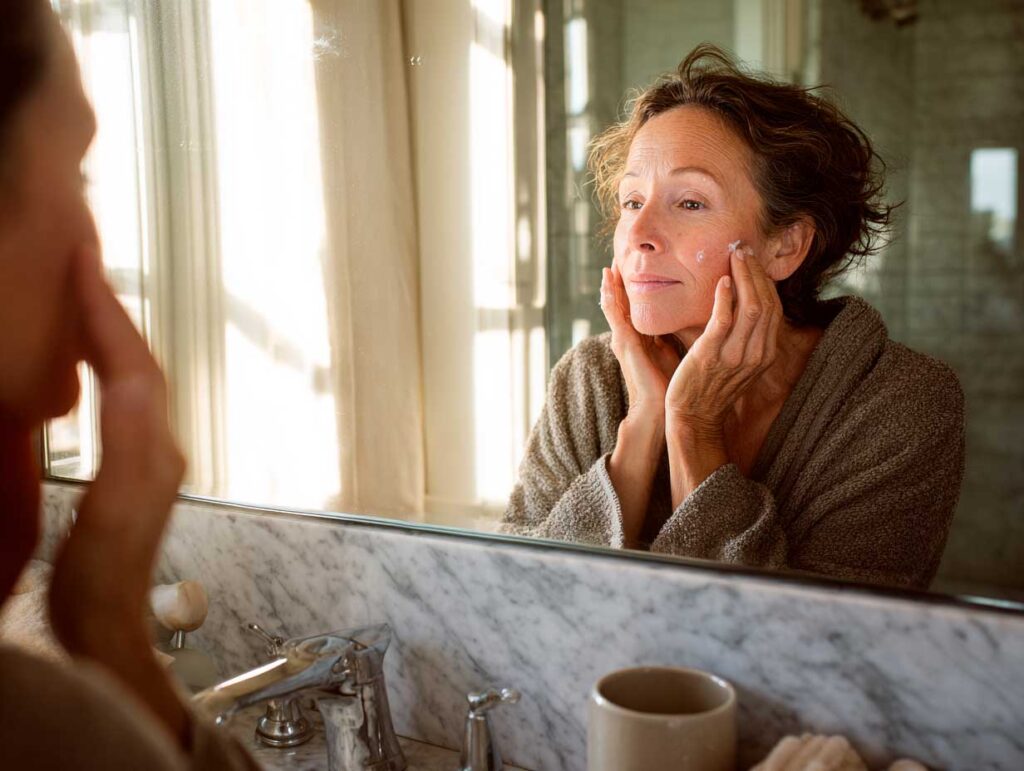
Aging is often associated with collagen loss and reduced elasticity, but barrier health plays an equally important role. When the barrier is compromised, the skin loses moisture more quickly, which can make fine lines and wrinkles more noticeable.
Ceramide NP supports a more youthful appearance by improving hydration and maintaining the integrity of the skin surface. When the skin is properly hydrated, it appears smoother and more even. Fine lines become less pronounced because the skin is not dehydrated or stressed.
There is also a protective effect. A strong barrier helps defend against environmental stressors that contribute to premature aging. By reducing the impact of these factors, Ceramide NP supports the long-term appearance of the skin without relying on aggressive stimulation.
How Ceramide NP works with other skincare ingredients
Ceramide NP is most effective when used as part of a balanced formulation. In the skin, ceramides work alongside cholesterol and fatty acids to create a stable lipid matrix. Replicating this balance in skincare products improves their ability to restore the barrier.
Formulations that include all three components tend to perform better because they more closely mimic the natural structure of the skin. This allows the ingredients to integrate more effectively and deliver more consistent results. The focus is not on a single ingredient but on how the combination supports the skin as a whole.
Ceramide NP also pairs well with humectants and occlusives. Humectants draw moisture into the skin, while occlusives help seal it in. Ceramides reinforce the barrier so that the entire system works together. This layered approach is what allows skincare routines to deliver lasting improvements rather than temporary fixes.
Who benefits most from using Ceramide NP
Ceramide NP is suitable for a wide range of skin types, but some groups see more immediate benefits. Dry skin responds quickly because it lacks sufficient lipids to maintain hydration. Adding ceramides helps restore balance and reduce flakiness.
Sensitive skin also benefits because the ingredient supports barrier repair without causing irritation. This makes it a reliable option for those who struggle with redness or discomfort. Mature skin, which naturally produces fewer ceramides, can also see improvements in texture and hydration.
Even oily skin can benefit from ceramides. When the barrier is compromised, the skin may produce excess oil to compensate for moisture loss. Strengthening the barrier helps regulate this process and leads to a more balanced complexion over time.
How to use Ceramide NP in a daily routine
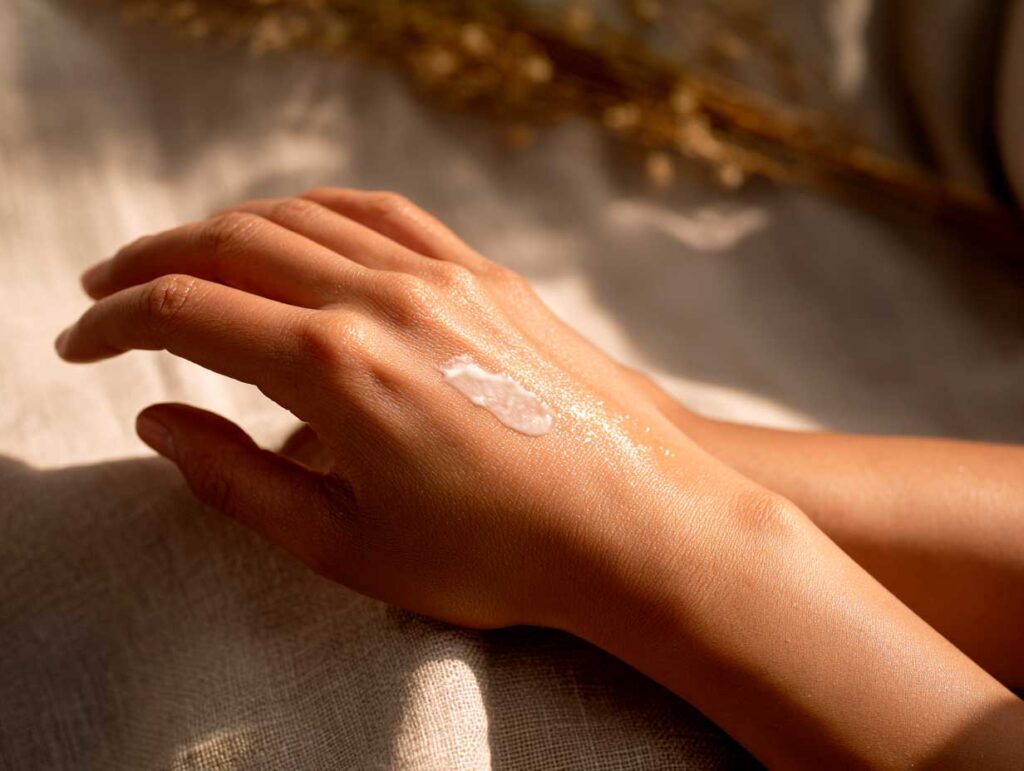
Ceramide NP is most commonly found in moisturizers and creams because these formats allow it to remain on the skin long enough to integrate into the barrier. It can be used both morning and night as part of a consistent routine.
Application order matters. Lighter, water-based products should be applied first, followed by a ceramide-rich moisturizer to seal in hydration. This ensures that moisture is both delivered and retained effectively. Consistency is key because the benefits build over time rather than appearing instantly.
It is also important to avoid overcomplicating the routine. The goal is to support the barrier, not overwhelm it with too many active ingredients. A simple approach that focuses on hydration and barrier repair often delivers better results than a complex routine that introduces unnecessary stress.
Common misconceptions about Ceramide NP
One of the most common misconceptions is that ceramides are interchangeable with general moisturizers. While they contribute to hydration, their primary role is structural. They support the barrier rather than simply adding moisture to the surface.
Another misconception is that higher concentrations always lead to better results. In reality, formulation matters more than concentration. The balance of lipids and supporting ingredients determines how well a product performs.
Some people also believe that ceramides are only necessary for dry or mature skin. In truth, any skin type can experience barrier disruption. This makes Ceramide NP a useful addition to a wide range of routines, not just those focused on dryness.

Frequently Asked Questions
What does Ceramide NP do for your skin?
Ceramide NP helps restore the skin barrier by replenishing essential lipids that hold skin cells together. This reduces moisture loss, improves hydration retention, and leads to smoother, more resilient skin over time. It supports long-term skin health rather than providing only temporary surface benefits.
Is Ceramide NP good for sensitive skin?
Yes, Ceramide NP is well suited for sensitive skin because it focuses on repairing the barrier instead of triggering reactions. By strengthening the skin’s protective layer, it reduces the likelihood of irritation and helps the skin feel calmer and more stable with consistent use.
Can Ceramide NP help with aging skin?
Ceramide NP supports aging skin by improving hydration and maintaining barrier integrity. This helps reduce the appearance of fine lines and creates a smoother surface. It also protects against environmental stress that can accelerate visible aging.
How often should you use products with Ceramide NP?
Daily use is ideal for maintaining barrier health. Applying it once or twice a day helps reinforce the skin’s structure and supports consistent hydration levels. Over time, this leads to more stable and comfortable skin.
Does Ceramide NP clog pores?
Ceramide NP is generally non-comedogenic and works well across different skin types. It helps balance the skin rather than contribute to congestion, making it suitable even for those with oily or acne-prone skin.
References and Sources
- Elias, P. M. (2005). “Stratum corneum defensive functions: an integrated view.”
Journal of Investigative Dermatology
https://www.ncbi.nlm.nih.gov/pmc/articles/PMC2699641/ - Madison, K. C. (2003). “Barrier function of the skin: ‘la raison d’être’ of the epidermis.”
Journal of Investigative Dermatology
https://www.ncbi.nlm.nih.gov/pmc/articles/PMC2739681/ - Imokawa, G. et al. (1991). “Decreased level of ceramides in stratum corneum of atopic dermatitis.”
Journal of Investigative Dermatology
https://pubmed.ncbi.nlm.nih.gov/2007794/ - Holleran, W. M. et al. (2006). “Epidermal lipids and barrier function.”
Skin Pharmacology and Physiology
https://www.karger.com/Article/Abstract/94910 - Rawlings, A. V., & Harding, C. R. (2004). “Moisturization and skin barrier function.”
Dermatologic Therapy
https://pubmed.ncbi.nlm.nih.gov/14728698/ - Di Nardo, A. et al. (1998). “Ceramide deficiency in aged skin.”
Archives of Dermatology
https://pubmed.ncbi.nlm.nih.gov/9645639/ - Proksch, E. et al. (2008). “The skin: an indispensable barrier.”
Experimental Dermatology
https://onlinelibrary.wiley.com/doi/10.1111/j.1600-0625.2008.00786.x - Lodén, M. (2003). “Role of topical emollients and moisturizers in the treatment of dry skin barrier disorders.”
American Journal of Clinical Dermatology
https://pubmed.ncbi.nlm.nih.gov/12688828/