
Clean Beauty, Reviva Labs, Skin Care
What is the Stratum Corneum?
Mar
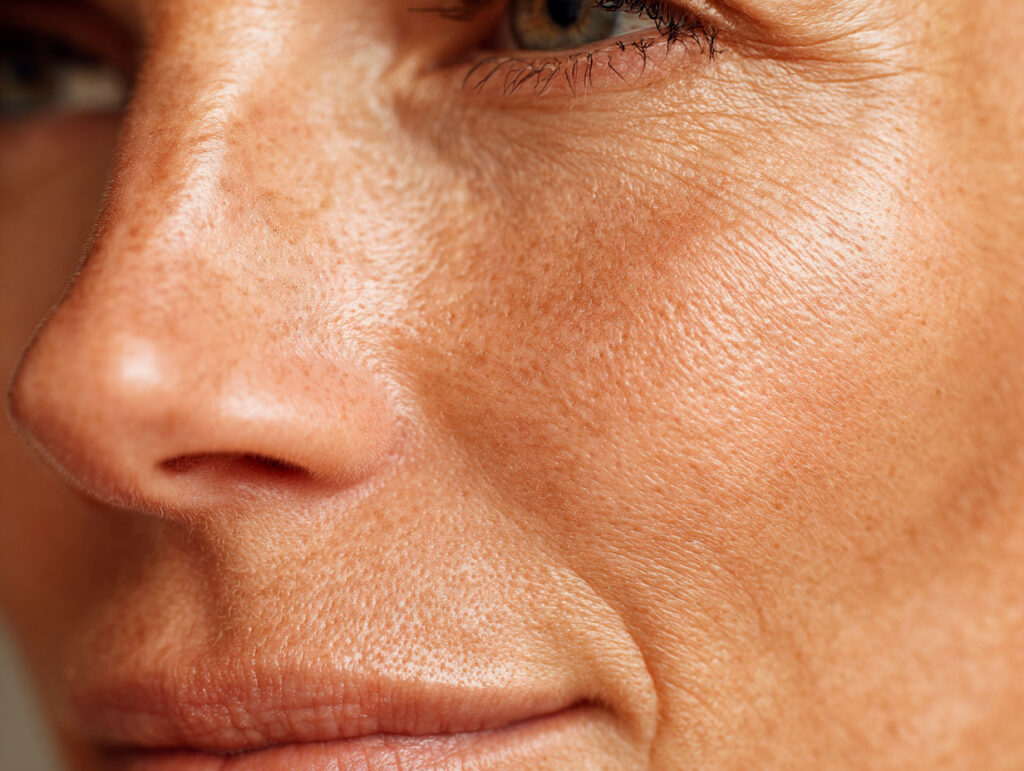
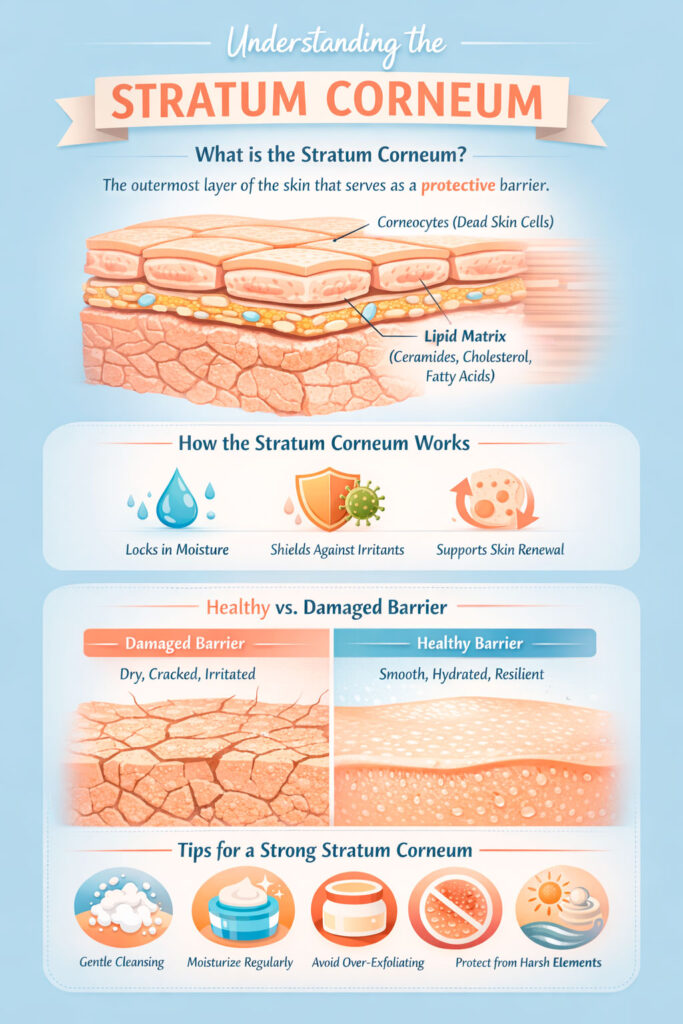
The stratum corneum is the outermost layer of the epidermis, which is the top major layer of the skin. It is made up largely of corneocytes, which are flattened, dead, hardened skin cells formed from keratinocytes that have completed their life cycle. These cells are surrounded by a lipid matrix made largely of ceramides, cholesterol, and free fatty acids, and this organized structure is one reason the stratum corneum works so well as a barrier. Dermatology sources often describe it as a bricks-and-mortar system, with the corneocytes acting like bricks and the lipid matrix acting like mortar. That simple image is still one of the best ways to picture what this layer is and why it matters so much.
Even though the cells in the stratum corneum are no longer living in the ordinary sense, this layer is not passive or useless. It is biologically active in practical ways that affect hydration, surface texture, barrier defense, and how skin responds to the outside world. Healthy stratum corneum helps regulate water movement, supports normal shedding, and acts as a selective shield rather than a solid wall. That distinction matters because skin still needs to interact with its environment while limiting the entry of irritants and slowing the escape of water. In other words, the stratum corneum is less like plastic wrap and more like a smart filter that keeps the system stable.
This layer also helps explain why the phrase skin barrier gets used so often in skincare. In everyday language, people say “barrier” when they really mean the work done largely by the stratum corneum and its lipid network. If that network stays organized, skin tends to feel comfortable and look healthy. If it gets disrupted, the result can be increased transepidermal water loss, which is the movement of water from inside the body through the skin to the outside air. TEWL is widely used in dermatology as an objective measure of barrier integrity, which tells you how central the stratum corneum is to skin health.

How the Stratum Corneum Works
To understand how the stratum corneum works, it helps to start below the surface. New keratinocytes form in the deeper layers of the epidermis and gradually move upward as they change shape, produce structural proteins, and lose their nuclei. By the time they reach the surface, they have become corneocytes, which are tough, flattened cells built to handle stress. These corneocytes stay linked together for a time, then eventually shed through a controlled process called desquamation. Human epidermal turnover is often described as occurring on roughly a 28-day cycle, though the pace varies by age, anatomy, and skin condition.
That controlled shedding is part of why healthy skin looks smooth instead of dull and flaky. If cells shed too slowly, the stratum corneum can become thick, rough, and uneven, a problem often tied to hyperkeratosis or simple surface buildup. If shedding happens too fast, or if the barrier is impaired while cells are turning over, skin can become more reactive and uncomfortable. This balance between cohesion and release is one of the quiet systems that keeps skin functioning normally. You do not notice it when it is going well, but you notice it quickly when it goes off course.
Water control is another major job. The stratum corneum does not hold as much water as deeper skin layers, yet it still needs enough moisture to stay flexible and intact. StatPearls notes that healthy stratum corneum water content ranges around 10 percent to 30 percent, far lower than deeper epidermal layers, and that gradient is part of normal barrier function. Natural moisturizing factors inside corneocytes help bind water, while lipids between cells help slow evaporation. When this system works, skin stays supple rather than brittle, and fine surface cracking is less likely.
The stratum corneum also works in both directions. It helps prevent inside-out water loss, and it also helps limit outside-in penetration by irritants, allergens, pollutants, and microbes. That does not mean nothing can get through, because skin is not a perfect seal. It means healthy stratum corneum greatly reduces unwanted penetration and lowers the odds that ordinary exposures turn into irritation or inflammation. That is one reason barrier disruption often shows up as stinging, burning, or sudden sensitivity to products that once felt fine.

What the Stratum Corneum Does for Your Skin
The first thing it does is physical protection. It helps the body withstand friction, minor abrasions, dry air, temperature swings, and many environmental exposures that would otherwise injure deeper tissue. Because corneocytes are packed with keratin and arranged in tough layers, the surface of the skin can take a fair amount of daily wear. This sounds basic, but it is a huge reason your skin can function as an outer covering at all. Without an intact stratum corneum, normal life would feel a lot harsher on the body.
The second thing it does is moisture management. People often think moisturized skin is only about adding water or applying cream, but the bigger issue is keeping water where it belongs. The stratum corneum is central to that effort because it slows water evaporation and helps maintain the hydration gradient that keeps skin flexible. When the barrier gets damaged, TEWL rises and the skin often starts to feel tight, rough, or itchy. That is why “dry skin” is often less about a lack of product and more about a barrier that is no longer holding moisture efficiently.
The third thing it does is support skin comfort and tolerance. A strong stratum corneum helps skin handle cleansing, weather, and active ingredients with less drama. A weak one does the opposite and makes skin more prone to redness, sting, reactivity, and inflammation. DermNet notes this clearly in discussions of barrier dysfunction, where impaired stratum corneum is linked to increased sensitivity to irritants and allergens. Put plainly, when this outer layer is healthy, your skin is easier to live with.
There is also an appearance issue that matters to anyone who cares about skincare results. A healthy stratum corneum reflects light more evenly, which helps skin look smoother and fresher. A disrupted one often looks dull, ashy, flaky, or rough even when you are using good products underneath. Many people chase brightness, glow, or softness without realizing the surface layer has to be intact for those benefits to show well. The skin can have good ingredients on it, but if the stratum corneum is disorganized, the overall look still suffers.

Why Keeping the Stratum Corneum Healthy Matters
If you damage the stratum corneum, you do not only create dryness. You make it easier for irritants to get in and easier for water to get out, which can start a cycle of tightness, inflammation, overuse of products, and even more barrier stress. This is one reason aggressive routines fail so often. The user thinks the skin needs more exfoliation, more acids, more cleansing, or more treatment steps, when the real problem is that the outer barrier has lost its ability to regulate itself. Once that happens, even a good formula can feel like too much.
Barrier health also matters because many common skin disorders involve stratum corneum dysfunction. Atopic dermatitis is one of the clearest examples, and dermatology literature ties it closely to impaired barrier function and changes in the lipid matrix. Dry skin conditions also track back to barrier abnormalities in the stratum corneum, including reduced water retention and altered surface lipids. Aging affects it too, with older skin often showing poorer barrier recovery, lower hydration, and a greater tendency toward xerosis. The point is simple, this is not a niche detail from a textbook, it is central to real skin behavior across age groups and skin types.
This is also why healthy exfoliation has to be balanced. The stratum corneum is the layer that exfoliating acids and resurfacing routines are designed to act on, because it is where dull, compacted surface cells accumulate. Used properly, exfoliation can improve texture and support more even shedding. Used too often or too harshly, it can strip the very layer that keeps skin calm and hydrated. Even product education from Reviva’s glycolic materials frames glycolic acid as an exfoliant that sloughs off the outermost dead layer of skin, the stratum corneum, to promote renewal and turnover, which is accurate, but it also highlights why restraint matters.
How to Keep the Stratum Corneum Healthy
The best place to start is cleansing. Harsh cleansers, over-cleansing, and frequent use of strong soaps can disrupt surface lipids and leave the stratum corneum less able to do its job. If your skin feels squeaky, stretched, or stripped after washing, that is not a sign of success. It is often a sign you have taken away more than dirt and oil. A gentler cleanse that removes residue without wrecking surface comfort is usually better for long-term barrier health.
Moisturizing matters because it supports the water and lipid balance of the stratum corneum. Humectants help bind water in the upper layers, while emollients smooth the surface and occlusive ingredients reduce evaporation. DermNet points out that humectants such as glycerin and urea help attract and retain water in the stratum corneum, while barrier-focused moisturizers help protect against water loss. This is why the right moisturizer can make skin feel better fast even when it does not “treat” a deeper problem. It is helping the outer system do what it is already built to do.
You also want to watch the pace of your actives. Acids, retinoids, scrubs, peels, and acne treatments all have a place, but they should not be layered in a way that keeps the stratum corneum in a constant state of stress. Skin does not need to feel raw to improve. In fact, better results often come when the barrier stays steady enough to tolerate consistency. A calmer routine done regularly tends to beat a harsh routine done in cycles of damage and recovery.
Environment matters too. Low humidity, cold air, wind, indoor heat, frequent handwashing, long hot showers, and occlusion from sweat or masks can all change how the stratum corneum behaves. The American Academy of Dermatology has noted that excessive moisture and occlusion can soften the stratum corneum and increase permeability, which can set the stage for irritation. At the other extreme, dry environments can increase water loss and leave the barrier brittle. This is one reason skin can act completely different in winter, on airplanes, during illness, or after a week of over-cleansing.
One question people often ask is whether a damaged stratum corneum can recover. In many cases, yes, but it needs fewer insults and better support. That often means simplifying the routine, reducing exfoliation, avoiding fragranced or harsh cleansers for a time, and using moisturizers consistently. Barrier recovery is not glamorous, and it is rarely instant, but skin often improves once you stop forcing it to perform while injured. The outer layer wants to protect you, and when you give it room to rebuild, it usually shows it.
The Bottom Line on the Stratum Corneum
The stratum corneum is the outermost layer of the epidermis but calling it “dead skin” can make it sound unimportant, and that is a mistake. It is a structured, highly functional barrier made of corneocytes and lipids that helps retain water, manage shedding, protect against friction, and limit the entry of outside stressors. It plays a direct role in how your skin feels, how it looks, how well it tolerates products, and how fast it loses moisture. When it is healthy, skin is steadier, smoother, and easier to care for. When it is impaired, the whole routine gets harder.
So, if you want a practical answer to “what is the stratum corneum,” here it is. It is your skin’s frontline barrier, and it does far more than sit there. It helps decide whether your skin stays hydrated or turns flaky, whether products feel soothing or sting, and whether your complexion looks smooth or stressed. Keeping it healthy is not a minor detail in skincare. It is the foundation that makes the rest of skincare work.
Frequently Asked Questions
What exactly is the stratum corneum?
The stratum corneum is the outermost layer of the epidermis, which is the top layer of the skin. It is made of flattened cells called corneocytes that are surrounded by a mixture of lipids such as ceramides, cholesterol, and fatty acids. These components create a protective structure that helps the skin hold moisture and defend against environmental stressors. Even though the cells in this layer are no longer alive, the structure they form remains biologically active and essential for skin health. Without this layer functioning properly, the skin would lose water quickly and become far more vulnerable to irritation and damage.
How thick is the stratum corneum?
The thickness of the stratum corneum varies depending on the part of the body and the amount of friction that area experiences. On most areas of the face, the layer is only about 10 to 20 micrometers thick. On areas like the palms of the hands or soles of the feet, it can be much thicker because those areas endure more pressure and movement. Even though it is extremely thin in many places, it still performs one of the most important protective roles in the entire skin structure. Its compact layers of cells allow the skin to withstand daily stress while maintaining flexibility.
Why is the stratum corneum called the skin barrier?
The stratum corneum is often referred to as the skin barrier because it acts as the primary protective shield between the body and the outside environment. Its structure slows the loss of water from the body while limiting the entry of irritants, pollutants, and microorganisms. Dermatologists often describe the layer using the bricks and mortar analogy, where the corneocytes act as bricks and the surrounding lipids function like mortar holding the system together. When this structure stays intact, skin maintains hydration and resilience. When it becomes disrupted, water escapes more easily and the skin becomes more sensitive.
What happens when the stratum corneum becomes damaged?
When the stratum corneum becomes compromised, the skin barrier loses its ability to regulate moisture and defend against irritants. One of the first changes is an increase in transepidermal water loss, which leads to dryness, tightness, and rough texture. Skin may also begin to sting or burn when products are applied because the protective barrier is no longer as effective. Inflammation and redness can follow if irritants penetrate more easily through the weakened layer. Over time, repeated barrier damage can make skin more reactive and slower to recover from everyday stress.
Does exfoliation remove the stratum corneum?
Exfoliation does not remove the entire stratum corneum, but it does affect the outermost portion of it. Chemical exfoliants such as glycolic acid or lactic acid help dissolve the bonds that hold older surface cells together, which encourages them to shed more easily. Physical exfoliation methods like scrubs also remove loose surface cells through friction. When exfoliation is done carefully, it can improve skin texture and promote healthy cell turnover. When done too frequently or aggressively, it can thin or disrupt the protective barrier and leave the skin feeling irritated or dry.
How long does it take the stratum corneum to renew?
Skin cells begin their life cycle deep within the epidermis and gradually move upward until they become part of the stratum corneum. For many adults, this full cycle takes about four weeks, though the pace slows with age. Younger skin tends to renew itself faster, while mature skin often takes longer to complete the process. Environmental stress, skin conditions, and harsh skincare routines can also affect how efficiently this turnover happens. Maintaining a balanced routine helps support the natural renewal process without disrupting the barrier.
What ingredients support a healthy stratum corneum?
Several types of ingredients help maintain the structure and hydration of the stratum corneum. Humectants such as glycerin and hyaluronic acid attract water into the outer skin layers. Emollients like fatty acids and plant oils smooth the skin surface and fill small gaps between cells. Barrier-supportive lipids such as ceramides help reinforce the natural lipid matrix that keeps the skin sealed and flexible. When these ingredients work together, they help the stratum corneum remain hydrated and resilient.
Can the stratum corneum repair itself?
Yes, the stratum corneum has the ability to recover when it is damaged, although the process takes time and supportive care. Reducing harsh treatments, avoiding over-exfoliation, and using gentle cleansers allows the barrier to stabilize. Consistent use of moisturizers helps restore hydration and reinforces the lipid structure between cells. In many cases, skin begins to feel calmer and less reactive once the barrier has had a chance to rebuild. Patience and a simplified routine often make the biggest difference during this recovery period.
Is the stratum corneum important for anti-aging skincare?
The condition of the stratum corneum strongly influences how youthful or healthy the skin appears. A smooth and well-hydrated barrier reflects light more evenly, which makes the complexion appear brighter and more refined. When the barrier becomes dry or uneven, skin can look dull and textured even if deeper layers remain healthy. Maintaining a strong outer layer also improves how comfortably skin tolerates active ingredients used for aging concerns. In this sense, barrier health supports both comfort and visible skin quality.
Does every skincare product interact with the stratum corneum?
Yes, nearly every topical skincare product interacts with the stratum corneum first because it is the outermost layer of the skin. Products must pass through or work within this layer before affecting deeper areas of the epidermis. This is why the condition of the barrier strongly influences how skincare performs. When the stratum corneum is balanced, products tend to absorb and perform more predictably. When it is disrupted, skin may respond unpredictably or become irritated more easily.
References
- Histology, Stratum Corneum, StatPearls, NCBI Bookshelf. (NCBI)
- Skin barrier function, DermNet. (DermNet®)
- Barrier function in atopic dermatitis, DermNet. (DermNet®)
- Barrier cream, DermNet. (DermNet®)
- Transepidermal water loss and skin integrity review, PMC. (PMC)
- Moisturizers, StatPearls, NCBI Bookshelf. (NCBI)
- Emollients and Moisturisers, DermNet. (DermNet®)
- Principles of dermatological practice, Functions of the skin, DermNet. (DermNet®)
- Dry skin, DermNet. (DermNet®)
- Epidermal Barrier in Atopic Dermatitis, PMC. (PMC)
- Aging and Wound Healing of the Skin, PMC. (PMC)
- The Clinical Relevance of Maintaining the Functional Integrity of the Stratum Corneum in Both Healthy and Disease-Affected Skin, PMC. (PMC)