
Ingredients, Natural, Reviva Labs, Skin Care
Why Glycolic Acid Works So Well for Skin Over 45
Mar
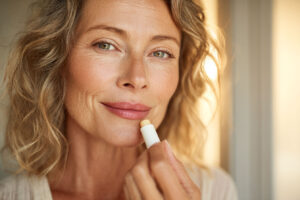
A person can spend decades caring for their skin and still wake up one morning wondering when things began to change. The moisturizer that once delivered a smooth glow suddenly seems less effective. Makeup sits differently. Texture feels rough in places that once felt soft. Many people immediately blame dryness or loss of collagen, and those factors certainly play a role. Yet another shift often sits quietly beneath the surface. The rate at which skin renews itself slows down with age, and that change alters how the entire complexion behaves.
Skin in youth functions like a well-tuned system. Cells form in the deepest layer of the epidermis and gradually move upward. During this journey they flatten and harden, eventually forming the protective outer layer known as the stratum corneum. When the process works efficiently, older cells shed continuously while newer cells replace them. The surface remains smooth, clear, and reflective because dull cells never accumulate for long.
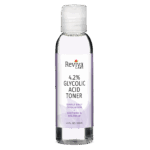
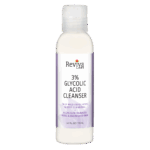
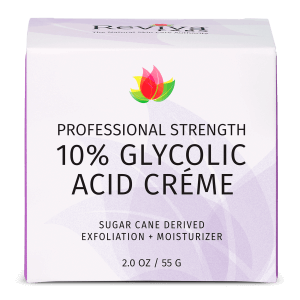
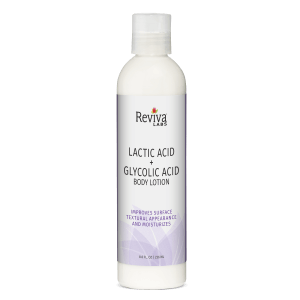
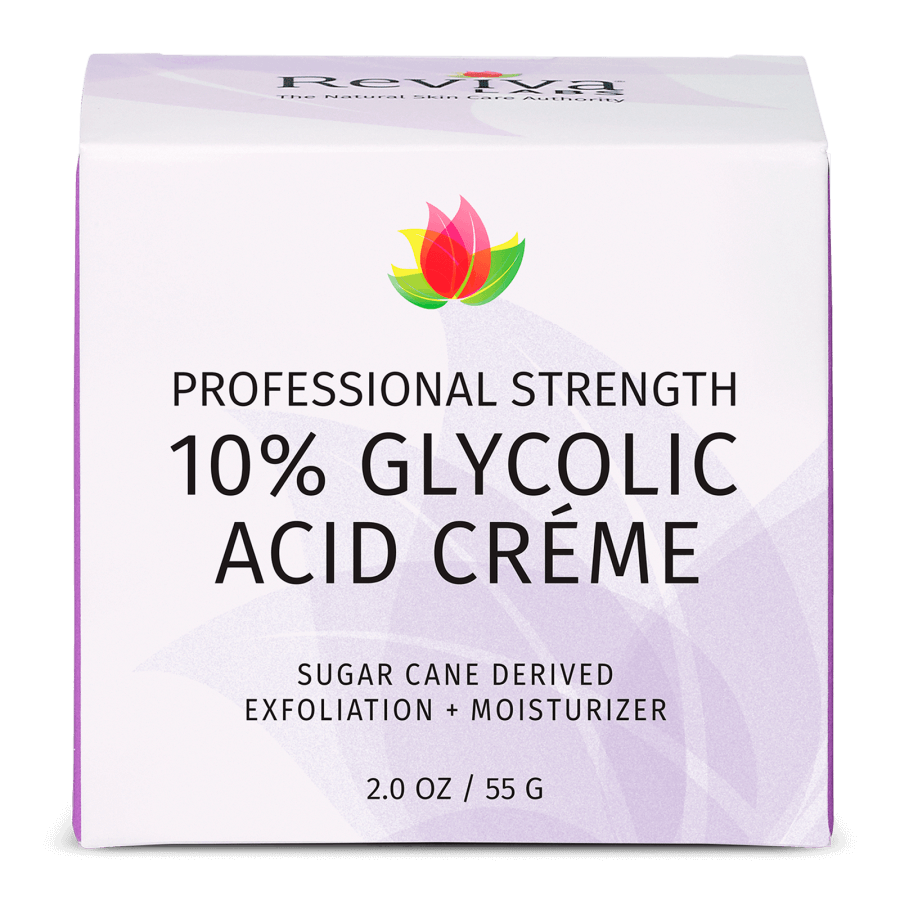
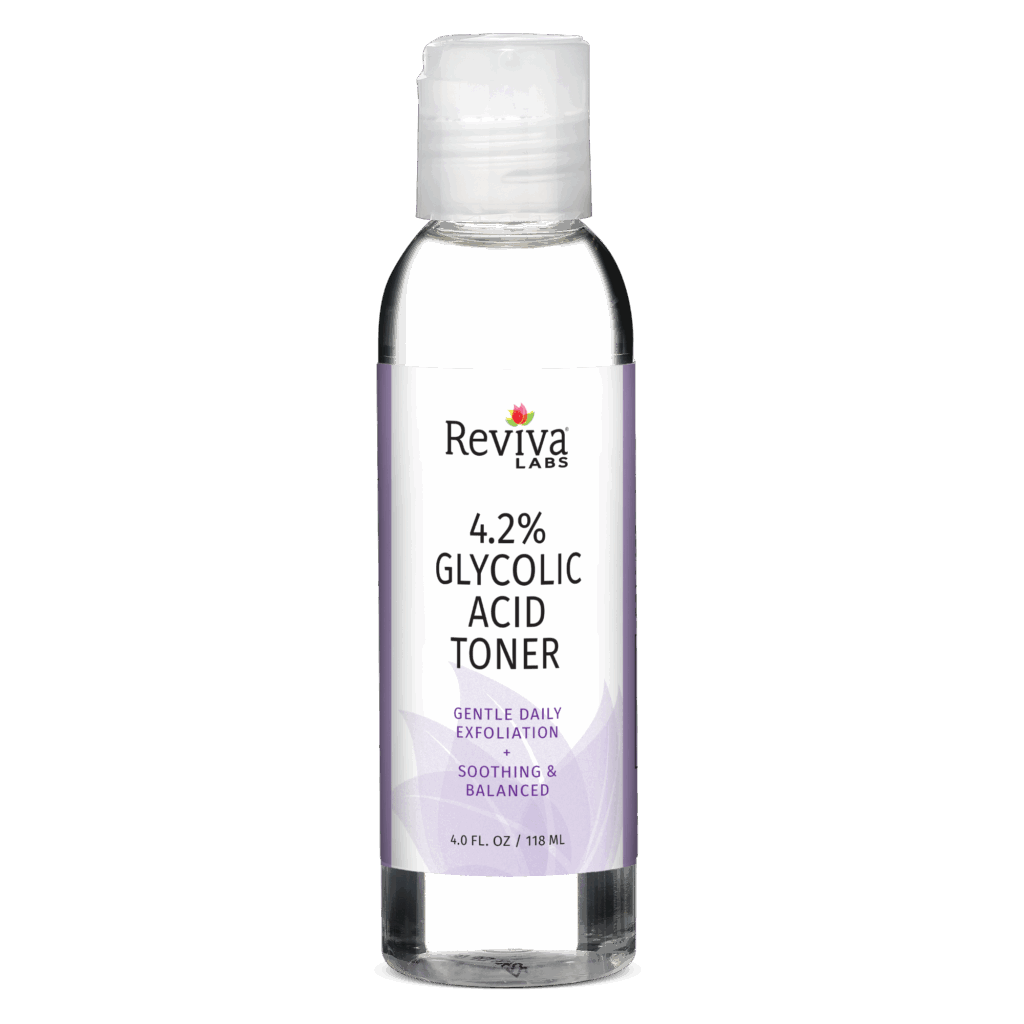
Glycolic Acid Recommended Products

This cycle begins to slow gradually after the mid-thirties. By the time someone reaches their mid-forties or early fifties, the difference becomes noticeable. What once took roughly four weeks may now take six or even eight weeks. That slowdown means dead cells remain on the skin longer than they should. They stack up on the surface and create a dull, uneven layer that interferes with brightness and softness.
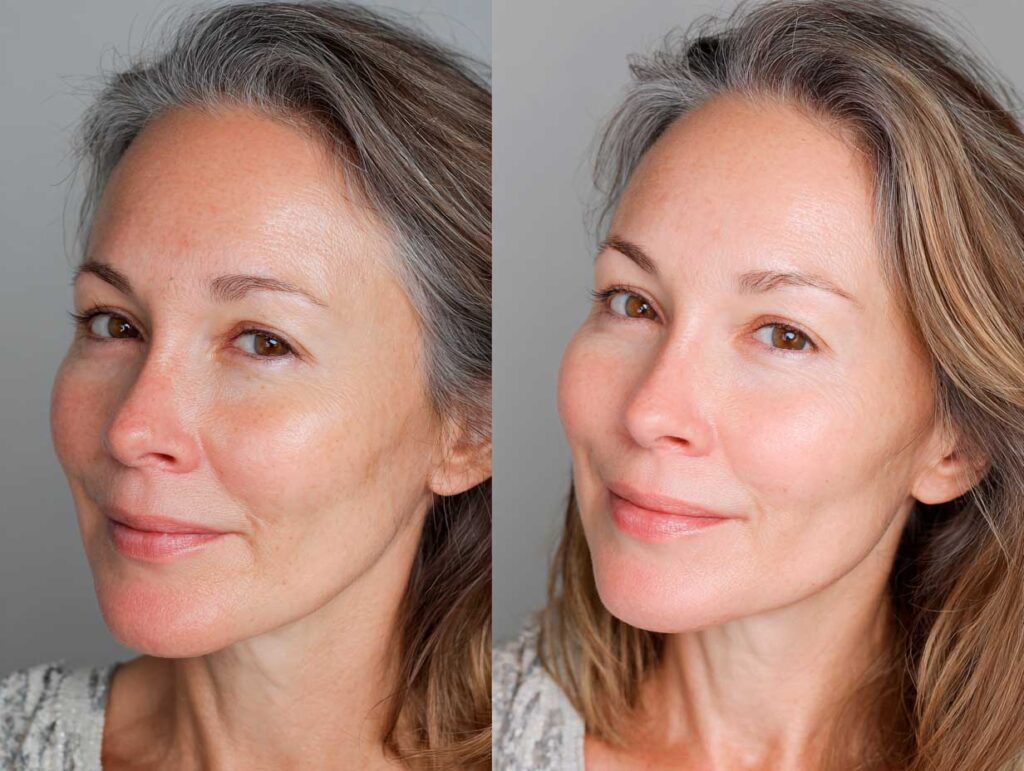
One ingredient consistently stands out when addressing this change in skin behavior. Glycolic acid removes the buildup of old cells, reveals fresher skin beneath, and helps other skincare products work more effectively. For people over forty-five, those benefits align almost perfectly with the biological shifts happening inside the skin.
The Hidden Impact of Slower Skin Renewal
Skin rarely shows its age through a single cause. Instead, multiple small biological changes accumulate until the difference becomes visible. The slowing of cell turnover represents one of the most influential shifts.
Young skin sheds cells naturally through everyday activities. Washing the face, sleeping on a pillow, or even smiling can loosen surface cells. Fresh cells rise quickly from beneath and replace them. This quiet process maintains the bright, smooth appearance associated with youthful skin.
With age the mechanism slows. Cells still rise through the epidermis, yet they do so more slowly. By the time they reach the surface they remain there longer before shedding. These older cells flatten and compress into a thicker outer layer.
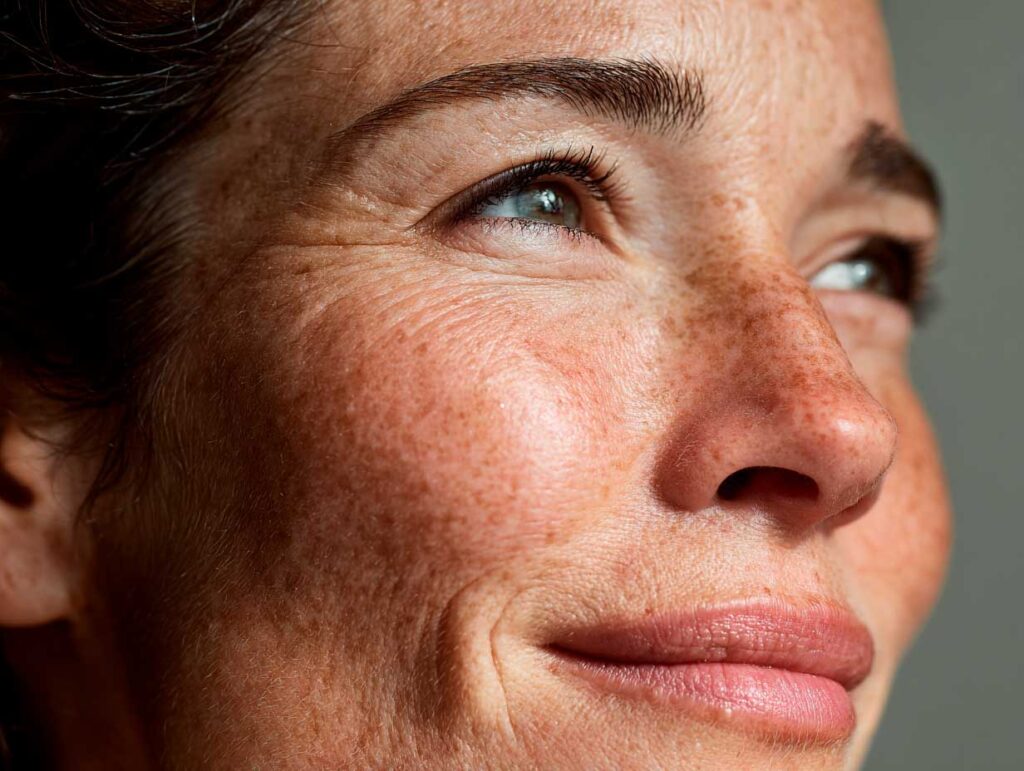
The effect appears subtle at first. Skin begins to look less luminous. Texture grows slightly rougher. Pores appear more noticeable because the surrounding surface looks uneven. Over time the accumulation of dead cells becomes visible enough that many people interpret the change as aging itself. In reality the skin underneath may still function well. The issue lies in the layer of buildup covering it. Removing that buildup allows the healthier skin below to show itself again.
Why Dead Skin Cells Dull the Complexion
The outermost layer of skin exists for protection. It shields the body from environmental stress and prevents excessive water loss. This layer contains flattened cells packed with keratin and surrounded by protective lipids.
When these cells accumulate excessively, the surface becomes thicker and less reflective. Light striking the skin scatters unevenly across the rough surface. Instead of reflecting smoothly, it breaks into tiny shadows that make the complexion appear dull. Texture changes accompany this loss of brightness. Areas of thicker buildup feel rough when touched. Fine lines appear deeper because shadows gather around the uneven surface.
Dead cells also block hydration. Moisturizers applied on top of this layer struggle to reach the living cells beneath. Water and nutrients remain on the surface rather than penetrating the skin where they can support its function.
Many people attempt to solve this problem by adding heavier creams. While moisture helps, the real solution often lies in clearing the surface so hydration can move deeper into the skin. Exfoliation performs that task by removing the outer layer of dead cells and restoring a smoother surface.
How Glycolic Acid Removes Surface Buildup
Exfoliation can occur through two main methods. Mechanical exfoliation uses particles or tools that physically scrub away surface cells. Chemical exfoliation relies on ingredients that loosen the bonds between those cells, so they detach naturally.
Glycolic acid belongs to a group of compounds called alpha hydroxy acids. These acids occur naturally in several plant sources and have been studied extensively for their effects on the skin.
The distinguishing feature of glycolic acid lies in its molecular size. Its molecule is smaller than that of most other alpha hydroxy acids. This small size allows it to penetrate the outer layer of skin more easily.
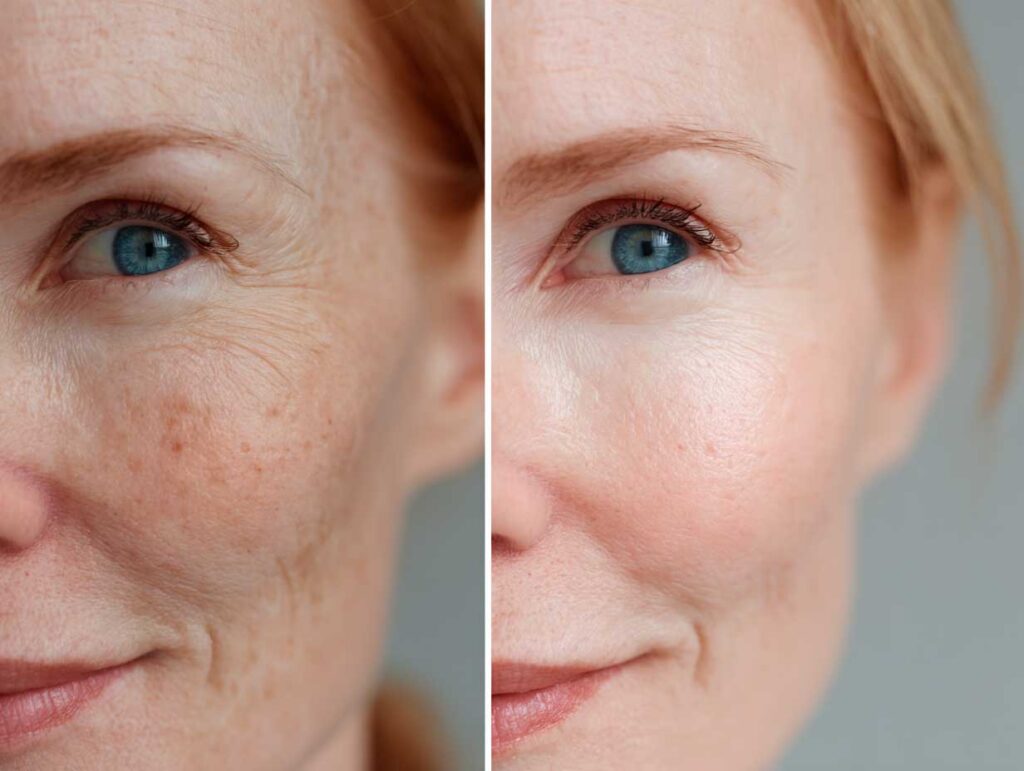
Once applied, glycolic acid weakens the bonds that hold dead cells together. These bonds function like a biological glue within the stratum corneum. When the glue loosens, the cells separate and shed during normal washing or movement. The result appears as smoother skin with improved clarity. The process removes the buildup that dulls the complexion while revealing fresher cells beneath.
Unlike physical scrubs, which can create uneven abrasion, chemical exfoliation works across the surface in a uniform manner. The removal of cells happens gradually and evenly, leading to a more consistent improvement in texture.
Why Glycolic Acid Works Especially Well for Mature Skin
Mature skin faces several challenges at once. Natural exfoliation slows. Moisture retention declines. The outer layer thickens as old cells accumulate. Glycolic acid addresses each of these changes in ways that complement the needs of aging skin.
The first advantage lies in restoring the pace of renewal. By loosening the bonds between dead cells, glycolic acid encourages them to shed sooner. This process helps skin behave more like it did when the natural turnover cycle was faster.
The second advantage involves texture refinement. Mature skin often develops uneven patches where buildup becomes thicker. Glycolic acid smooths these areas by dissolving the cellular glue holding old cells in place.
The third benefit involves brightness. When the surface becomes smoother, light reflects more evenly across the skin. The complexion appears clearer and more radiant even before deeper changes occur.
Another important benefit relates to product absorption. Removing excess surface cells allows serums and moisturizers to interact more directly with living skin tissue. Active ingredients reach the layers where they can produce visible improvements. These combined effects explain why glycolic acid remains one of the most recommended exfoliating ingredients for people over forty-five.
Improving Product Absorption Through Exfoliation
A common frustration among skincare users involves investing in quality products without seeing meaningful results. Often the problem does not lie in the formula itself. Instead, the barrier of accumulated cells prevents those ingredients from reaching the skin. The stratum corneum already serves as a protective shield. When it thickens with dead cells, it becomes even more resistant to penetration.
Exfoliation reduces this barrier. Glycolic acid clears away the outer layer that blocks product absorption. With fewer cells in the way, active ingredients interact more effectively with the skin. Hydrating ingredients bind water more efficiently. Antioxidants reach the areas where environmental stress affects the skin. Treatment serums penetrate more evenly across the surface.
This change transforms the entire routine. Exfoliation becomes the step that prepares skin for everything that follows. Rather than acting as separate products, the routine works together as a coordinated system.
Why Consistent Exfoliation Matters After Forty-Five
Many skincare improvements occur gradually rather than immediately. The benefits of glycolic acid illustrate this principle well. Each application removes a small amount of surface buildup. Over time these small improvements accumulate. The complexion grows smoother because dead cells never build into thick layers. Brightness returns as light reflects evenly from the refined surface. Consistency also prevents the cycle of buildup from returning. Occasional exfoliation may produce temporary improvement, yet dullness quickly returns if the routine stops.
Regular exfoliation maintains a steady rhythm of renewal. Skin continues shedding old cells before they accumulate excessively. The complexion retains the smooth appearance created through consistent care. For mature skin, this gentle ongoing process often proves more beneficial than aggressive treatments used infrequently.
A History of Research Supporting Glycolic Acid
Dermatology research began exploring alpha hydroxy acids in depth during the late twentieth century. Early studies examined how these acids influence exfoliation and skin renewal. Clinical research demonstrated that alpha hydroxy acids improve epidermal thickness, hydration, and overall skin appearance when used regularly. These effects occur because exfoliation stimulates the skin to renew itself more efficiently.
Glycolic acid gained particular attention because of its small molecular structure and ability to penetrate the outer skin layer effectively. Dermatologists began using it in chemical peel treatments designed to improve texture and brightness.
Over time lower concentrations became available in everyday skincare products. These formulations allowed people to experience gradual exfoliation at home without undergoing professional treatments. The ingredient has remained relevant for decades because its mechanism aligns with the natural biology of skin renewal.
Maintaining Healthy Skin Through Balanced Care
While glycolic acid plays a valuable role in skincare routines, balance remains important. Exfoliation works best when paired with hydration and protection. After exfoliation, moisturizing products replenish the skin with water and supportive ingredients. Hydration strengthens the barrier and keeps the newly revealed cells comfortable. Sun protection also becomes essential. Fresh skin cells respond more sensitively to ultraviolet exposure. Daily sunscreen helps maintain the improvements achieved through exfoliation.
Together these steps create a routine that supports healthy skin behavior. Exfoliation clears the surface. Hydration nourishes the skin. Protection preserves the results. When used thoughtfully, glycolic acid becomes a tool that works with the skin rather than forcing dramatic change.
The Real Reason Glycolic Acid Stands Out
Skincare often promotes new ingredients that promise dramatic transformation. Many disappear from the spotlight within a few years. Glycolic acid has remained relevant because its effects rely on simple biological principles. Skin loses brightness when old cells accumulate. Remove those cells and clarity returns. Smooth the surface and light reflects evenly again.
For people over forty-five, this principle becomes especially important. Slower cell turnover allows buildup to form more quickly. Glycolic acid restores the balance by encouraging those cells to shed before they dull the complexion.
The ingredient does not promise miracles. Instead, it removes the barrier preventing skin from looking its best. By clearing away the layer of dull cells, it allows the healthier skin beneath to show through. That straightforward action explains why glycolic acid continues to hold a respected place in skincare routines for mature skin.
Frequently Asked Questions
What does glycolic acid do for aging skin over 45?
Glycolic acid removes the buildup of dead skin cells that accumulates more quickly as skin renewal slows with age. By loosening the bonds between surface cells, it allows those older cells to shed and reveals fresher skin underneath. This process helps improve texture, smooth rough areas, and restore brightness to the complexion. When the surface becomes clearer, light reflects more evenly, which gives skin a healthier appearance. Regular use also allows serums and moisturizers to penetrate more effectively because fewer dead cells block their path.
Why does skin need more exfoliation after age 45?
Skin renewal slows gradually over time. In younger adults the full cycle of cell turnover usually takes around four weeks, yet by the mid-forties it can stretch closer to six or even eight weeks. That slowdown allows dead skin cells to remain on the surface longer. When these cells accumulate, they create a thicker outer layer that makes the complexion appear dull and uneven. Exfoliation helps remove that buildup so newer cells can reach the surface more easily. Maintaining this process keeps skin smoother and helps restore a fresher look.
How often should someone over 45 use glycolic acid?
Frequency depends on the strength of the product and the skin’s tolerance. Many people over forty-five benefit from mild glycolic acid formulas used several times per week or even daily if the concentration remains gentle. Cleansers and toners containing lower percentages often provide gradual exfoliation that works well for regular routines. Stronger treatments such as peels should be used less frequently. The goal involves maintaining steady exfoliation rather than aggressive removal of skin cells.
Does glycolic acid help other skincare products work better?
Yes. Dead skin cells can form a barrier that limits how deeply skincare products penetrate. When glycolic acid removes that buildup, the surface layer becomes thinner and smoother. Active ingredients in serums and moisturizers can interact more directly with the living skin beneath. Hydrating ingredients bind water more efficiently, while treatment ingredients spread more evenly across the surface. This improved absorption often leads to better visible results from the rest of a skincare routine.
Is glycolic acid safe for mature skin that tends to be dry?
Glycolic acid can work well for dry or mature skin when used correctly. Modern formulations often combine the acid with soothing ingredients such as aloe, glycerin, or hyaluronic acid to help maintain comfort during exfoliation. These additions help offset dryness while the glycolic acid removes buildup from the surface. After exfoliation, applying a moisturizer helps restore hydration and support the skin barrier. When balanced with hydration and sun protection, glycolic acid can remain a valuable ingredient even for dry mature skin.
References
- Van Scott EJ, Yu RJ. Alpha hydroxy acids therapeutic potentials. Dermatologic Clinics. https://pubmed.ncbi.nlm.nih.gov/2524185/
- Ditre CM, Griffin TD, Murphy GF, et al. Effects of alpha hydroxy acids on photoaged skin. Journal of the American Academy of Dermatology. https://pubmed.ncbi.nlm.nih.gov/8624657/
- DermNet NZ. Alpha hydroxy acids. https://dermnetnz.org/topics/alpha-hydroxy-acids
- Kligman AM. Exfoliation and the epidermal renewal cycle. Journal of the American Academy of Dermatology. https://pubmed.ncbi.nlm.nih.gov/2948929/