
Clean Beauty, Ingredients, Natural, Reviva Labs, Skin Care
Why Summer Is When Your Vitamin C Serum Works Hardest

Jul
Ultraviolet A radiation makes up as much as ninety five percent of the UV light that reaches your skin every single day, and it does not take a vacation just because you are indoors more in January. That number comes from dermatology research into how UVA and UVB behave differently across seasons, and it explains why summer skin is under a kind of pressure that other months simply do not create. Longer days, higher UV index readings, more time outside, and warmer temperatures all stack on top of each other between June and September. For your skin, that stacking effect means more free radical activity, more oxidative stress, and a noticeably harder job for anything meant to help skin look calm, bright, and even. I have always found it interesting that people reach for heavier products in winter and lighter ones in summer, yet the ingredient doing the most defensive work, vitamin C, tends to get less attention exactly when it matters most.

What Actually Happens To Skin In Summer Light
Skin does not experience summer sun as one single event. It experiences thousands of small exposures throughout the day, from the walk to your car, to the errand you ran at lunch, to the few minutes on a patio in the evening. Each of those exposures generates reactive oxygen species in the skin, which are unstable molecules created when UV energy interacts with skin cells. Left unchecked, these molecules can affect collagen, contribute to an uneven look in skin tone, and accelerate the visible signs many people associate with aging skin. Heat adds another layer, since warmer temperatures increase blood flow to the skin and can heighten the appearance of redness or sensitivity that was already present.
Environmental stress in summer is not limited to sunlight either. Pollution levels often rise in warmer months in many regions, sweat changes the skin barrier temporarily, and chlorine or saltwater exposure from pools and beaches can strip away some of the skin’s natural lipids. Air conditioning indoors and hot, humid air outdoors create a push and pull effect on hydration that skin does not deal with in the same way during cooler seasons. All of this adds up to skin that is simply working harder to maintain its appearance of balance. That is the exact environment where an antioxidant ingredient earns its keep, because its job is to help defend against exactly this kind of cumulative stress.
Vitamin C, in its various stable forms, is one of the most studied topical antioxidants available. Research going back decades has shown that antioxidants like vitamin C can help neutralize free radicals before they cause visible damage to the skin’s surface. A well known study published in the Journal of the American Academy of Dermatology found that combining vitamin C with vitamin E provided meaningfully more protection against UV related skin stress than either ingredient used alone. That single finding is part of why so many modern serums pair vitamin C with other antioxidants rather than using it in isolation. The takeaway for anyone building a summer skincare routine is straightforward: this is the season where that antioxidant support has the most raw material to work against.

Antioxidants Are A Complement To Sun Protection, Not A Substitute
This point deserves its own space because it gets confused so often. Vitamin C does not block UV rays, and it is not a stand in for a broad spectrum sunscreen. What it does is work underneath and alongside sun protection, helping the skin manage oxidative stress that occurs even when sunscreen is doing its job well. Think of sunscreen as the barrier that reduces how much UV energy reaches the skin in the first place, while vitamin C acts more like cleanup crew for the free radical activity that still occurs from daily light exposure, pollution, and general environmental stress. Skipping sunscreen because a product contains vitamin C is a mistake, and any brand or article suggesting otherwise is not describing how these ingredients actually function.
The two work well together because they address different parts of the same problem. Sunscreen is applied last in a morning routine and reapplied throughout the day, while a vitamin C serum is typically applied earlier, directly to clean skin, so it can absorb before other products layer on top. Many people find that applying an antioxidant serum in the morning, followed by moisturizer and then sunscreen, gives their skin a fuller layer of defense against the specific stressors that summer introduces. None of this replaces good sun habits like seeking shade during peak hours or wearing a hat, but it does add a meaningful layer that pure sun avoidance cannot provide on its own. Dermatology researchers have consistently described this relationship as complementary rather than interchangeable, which is worth repeating because the confusion around it is common.

Heat, Humidity, and Why Texture Matters More Than Ever
Summer changes what skin actually wants to feel like, and that matters just as much as which ingredients you choose. A rich, heavy cream that felt comforting in February can feel suffocating in July, especially in humid climates where the skin is already retaining more moisture from the air itself. This is part of why so many vitamin C formulas are built as lightweight serums rather than thick creams, since a thinner, faster absorbing texture tends to sit better under sunscreen and makeup during warmer months. Layering too many heavy products on top of each other in the heat can also trap sweat and oil against the skin, which some people find contributes to congestion or a dull looking complexion.
Formulation stability is another factor that becomes more relevant in summer. Certain forms of vitamin C, particularly pure L-ascorbic acid, can be sensitive to heat, light, and air, which means a bottle left in a hot car or a sunny bathroom windowsill can lose potency faster than expected. Stabilized forms of vitamin C, such as sodium ascorbyl phosphate or aminopropyl ascorbyl phosphate, tend to hold up better under these conditions, which is part of why many serums now combine several forms of vitamin C rather than relying on one alone. Storing any vitamin C product in a cool, dark place, and keeping the cap tightly closed between uses, genuinely extends how well it performs. This is a small habit that a lot of people overlook, yet it directly affects whether the product is delivering what it promises by the time you get to the bottom of the bottle.

Building A Simple Summer Vitamin C Routine
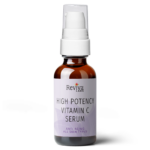
A good summer routine does not need to be complicated, and honestly, simpler routines tend to hold up better in heat and humidity anyway. Cleanse first with a gentle formula that will not strip the skin, since over cleansing in summer can leave skin feeling tight and more reactive to heat later in the day. Apply a vitamin C serum to clean, slightly damp skin, patting it in rather than rubbing, and give it a minute or two to absorb before moving on. Reviva Labs’ High Potency Vitamin C Serum, for example, combines three stabilized forms of vitamin C in a single lightweight formula, which reflects the layered approach many formulators take specifically because no single form of vitamin C behaves identically in every condition.
After the serum has absorbed, a lightweight moisturizer helps lock in hydration without adding the heaviness that can feel uncomfortable in warm weather. Sunscreen comes last, applied generously and reapplied at least every two hours during real sun exposure, which is a step people underestimate constantly regardless of season. In the evening, some people prefer to skip vitamin C and focus on hydration and repair instead, since the ingredient is often associated more with daytime defense given its antioxidant role. There is no single correct answer here, and skin type, climate, and personal preference all play a role in what actually works best for a given person over time.

What To Look For When Choosing A Vitamin C Product
Not all vitamin C products are created with the same intent, and knowing a few basic differences helps avoid disappointment. Packaging matters more than people expect, since vitamin C degrades faster when exposed to light and air, so opaque bottles, airless pumps, or dark glass tend to preserve potency better than clear jars left open to the air. Concentration is another consideration, though higher is not automatically better, since some skin types tolerate lower concentrations more comfortably without irritation. Ingredient lists that show multiple stabilized forms of vitamin C often indicate a formulator trying to balance efficacy with stability, rather than relying on one ingredient that may degrade quickly once opened.
It also helps to notice what vitamin C is paired with in a given formula. Hyaluronic acid alongside vitamin C can help support the skin’s moisture levels while the antioxidant does its work, which is a common and generally well tolerated pairing. Some people like to introduce a new vitamin C product gradually, testing it every other day for the first week or two, especially if they have more reactive or sensitive skin. Patch testing on a small area before applying a new product to the entire face remains one of the simplest ways to avoid an unwanted reaction, and it takes only a day or two to get useful information from that small test.
Common Mistakes People Make With Vitamin C In Warm Weather
One of the most frequent mistakes is treating vitamin C as optional once the weather warms up, when in reality this is the season where oxidative stress is highest and antioxidant support is arguably most useful. Another common error is applying vitamin C and then heading straight into direct, prolonged sun exposure without any sunscreen at all, which misunderstands what the ingredient is designed to do. People also tend to over layer products in summer heat, combining too many actives at once in a way that can overwhelm the skin barrier rather than support it. A simpler routine, applied consistently, tends to outperform a complicated one applied inconsistently, which is a pattern that shows up again and again in how skin actually responds over weeks and months.
Storage mistakes are surprisingly common too, particularly leaving products in hot cars, gym bags, or direct sunlight on a bathroom counter. Vitamin C that has turned a noticeably darker yellow or brown color, compared to when it was first purchased, has usually begun oxidizing and may no longer perform the way it did originally. Discoloration alone does not always mean a product is unsafe to use, but it is a reasonable signal that its antioxidant potency has likely declined. Paying attention to these small details throughout summer helps ensure that the product doing the most work in your routine is actually able to do that work effectively.

Frequently Asked Questions
Does vitamin C replace sunscreen in summer?
No. Vitamin C is an antioxidant that helps the skin manage oxidative stress from UV exposure and pollution, but it does not block UV rays the way a broad spectrum sunscreen does. The two should be used together, not as substitutes for one another.
Can vitamin C make skin more sensitive to the sun?
Vitamin C itself is not known to cause photosensitivity the way some other ingredients do. That said, any new active ingredient can occasionally cause temporary sensitivity in some individuals, so patch testing and consistent sunscreen use are always a good practice.
Should I use vitamin C in the morning or at night during summer?
Most people use vitamin C in the morning because its antioxidant role pairs naturally with daytime environmental exposure, including sun and pollution. Some people also use it at night, and either approach can work depending on individual skin and routine preferences.
Why does my vitamin C serum change color?
A shift toward a darker yellow, orange, or brown color usually indicates oxidation, which can happen from exposure to light, air, or heat. This does not necessarily make the product unsafe, but it typically means the antioxidant potency has declined from when it was fresh.
Is a higher percentage of vitamin C always better?
Not necessarily. Higher concentrations can increase the chance of irritation for some skin types, and stability, formulation, and the specific form of vitamin C used all matter as much as the raw percentage listed on the label.
Can I use vitamin C with other active ingredients in summer?
Many people combine vitamin C with hydrating ingredients like hyaluronic acid successfully. Introducing additional strong actives gradually, and watching how skin responds, is a reasonable approach, especially in warmer months when the skin barrier is already managing more environmental stress.
References
- Lin FH, Lin JY, Gupta RD, et al. Ferulic acid stabilizes a solution of vitamins C and E and doubles its photoprotection of skin. Journal of Investigative Dermatology, and related clinical work summarized in the Journal of Drugs in Dermatology. https://jddonline.com/articles/protective-effects-of-topical-antioxidant-complex-containing-vitamins-c-e-ferulic-acid-against-ultraviolet-irradiation-induced-photodamage-in-chinese-women-s1545961613p0000x/
- Lin JY, Selim MA, Shea CR, et al. UV photoprotection by combination topical antioxidant vitamin C and vitamin E. Journal of the American Academy of Dermatology. https://www.sciencedirect.com/science/article/abs/pii/S0190962203007813
- Oresajo C, et al. A topical antioxidant solution containing vitamins C and E stabilized by ferulic acid provides protection for human skin against damage caused by ultraviolet irradiation. PubMed. https://pubmed.ncbi.nlm.nih.gov/18603326/
- Linus Pauling Institute, Oregon State University. Vitamin C and Skin Health. https://lpi.oregonstate.edu/mic/health-disease/skin-health/vitamin-C