
Clean Beauty, Ingredients, Natural, Reviva Labs, Skin Care
The Best Skincare Ingredients for Sensitive and Redness-Prone Skin

Apr
More than half of women say their skin feels sensitive, yet most routines still treat it like a strength problem instead of a barrier problem. That disconnect explains why redness lingers. You try to fix it with stronger actives, more exfoliation, or trend-driven ingredients, and your skin pushes back harder. Sensitive, redness-prone skin demands a different approach. It needs fewer variables, better ingredients, and formulas that respect how fragile the barrier can become under stress.
You see this pattern often. Someone starts with mild dryness, adds exfoliating acids, layers in retinoids, then suddenly their skin burns with products they used to tolerate. Redness becomes constant. The issue rarely starts with a single ingredient. It builds from cumulative damage to the skin barrier. Once that barrier weakens, even water can sting. That is the moment where ingredient choice matters most.
The goal here is not to chase fast results. It is to restore control. When the barrier recovers and inflammation drops, redness fades on its own timeline. The right ingredients support that process instead of forcing it. The wrong ones keep the cycle going.
Why Sensitive Skin Reacts Faster Than It Should
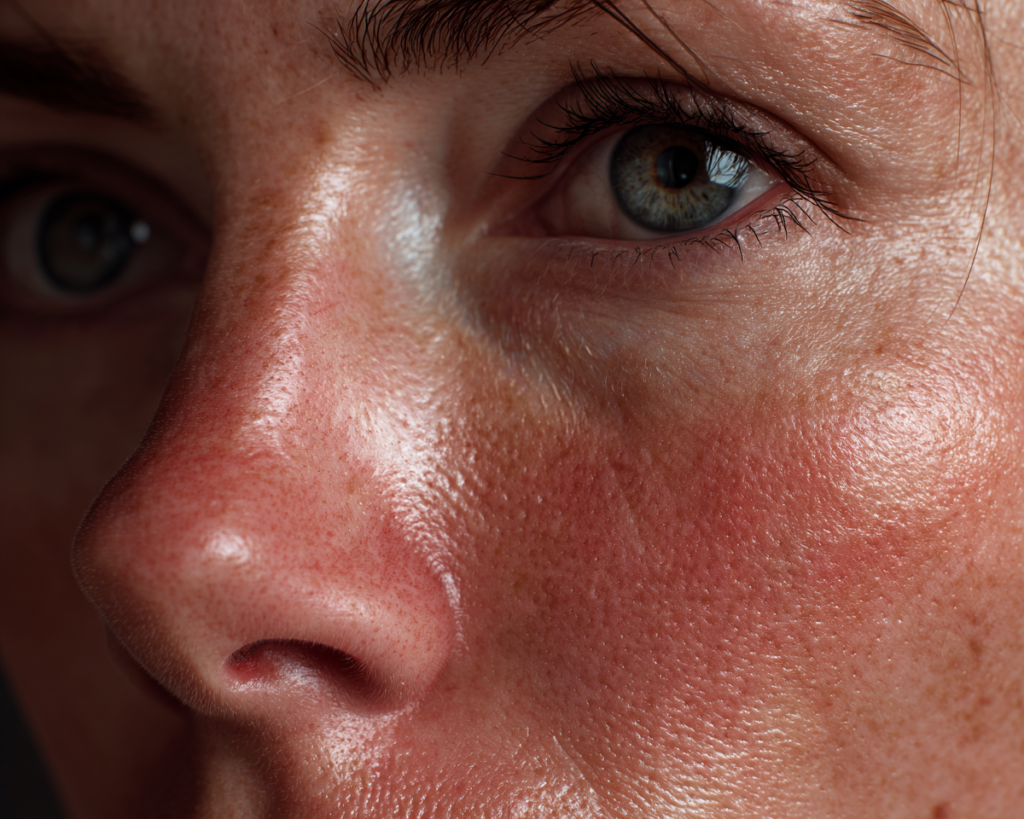
Sensitive skin behaves differently because its outer layer does not function as a reliable shield. The stratum corneum, which acts as your first line of defense, loses integrity when lipids break down. That breakdown creates gaps between skin cells. Water escapes through those gaps, and irritants move in more easily. The result shows up as redness, dryness, and a constant feeling of discomfort.
External factors speed up this breakdown. Weather changes strip moisture. UV exposure triggers inflammation. Pollution introduces oxidative stress that weakens the barrier further. Over-cleansing and over-exfoliating remove protective oils that your skin needs to stay balanced. Each of these factors chips away at resilience until your skin reacts to almost everything.
This is why sensitive skin often feels unpredictable. A product works one week, then causes irritation the next. The barrier has shifted. Once you understand that, the strategy changes. You stop rotating products constantly. You start focusing on consistency and repair.

Barrier Repair Ingredients That Change How Skin Behaves
The most important shift for redness-prone skin starts with rebuilding the barrier. When the barrier improves, everything else becomes easier. Skin holds moisture better, reacts less, and recovers faster from stress.
Ceramides lead this category for a reason. They make up a large portion of the skin’s natural lipid structure. When levels drop, skin becomes vulnerable. Adding ceramides topically helps fill those gaps and restore cohesion between skin cells. Over time, this reduces water loss and improves overall comfort.
Cholesterol and fatty acids work alongside ceramides. These lipids form a balanced system that supports barrier strength. When used together, they mimic the skin’s natural structure more effectively than when used alone. This combination helps reinforce the outer layer without overwhelming it.
Squalane offers another layer of support. It mirrors natural sebum, which makes it highly compatible with most skin types. It absorbs quickly, softens the skin, and reduces moisture loss without feeling heavy. For redness-prone skin, this matters because heavier occlusives can sometimes trap heat and increase flushing.
This approach aligns with the idea of functional skincare, where ingredients are chosen for how they work together to improve real skin outcomes over time . When the barrier improves, sensitivity often decreases without the need for aggressive treatment.

Calming Ingredients That Reduce Visible Redness
Once the barrier begins to stabilize, calming inflammation becomes the next priority. Redness often reflects underlying irritation. Soothing ingredients help interrupt that cycle and give the skin a chance to recover.
Allantoin plays a key role here. It helps calm irritation while supporting skin repair. It also improves texture, making the skin feel smoother and less reactive. This dual benefit makes it a staple in formulas designed for sensitive skin.
Panthenol, also known as vitamin B5, works in a similar way but adds hydration into the equation. It draws moisture into the skin while reducing inflammation. It also supports barrier recovery, which means it works well alongside ceramides and lipids.
Chamomile extract has remained relevant because it consistently reduces visible redness. Compounds like bisabolol help calm irritation at the surface level. When used regularly, it can reduce the frequency and intensity of flare-ups.
Green tea extract adds another layer by addressing oxidative stress. It contains polyphenols that help reduce inflammation triggered by environmental exposure. This makes it useful for people whose redness worsens with sun or pollution.
These ingredients do not force change. They create conditions where the skin can return to balance. That difference matters more than quick results.
Hydration That Softens and Stabilizes the Skin
Hydration does more than improve how skin feels. It directly affects how skin looks and reacts. Dehydrated skin tends to appear more red because light reflects unevenly across the surface. It also becomes more reactive, which leads to frequent irritation.
Hyaluronic acid is one of the most effective hydration ingredients available. It binds water to the skin, helping maintain moisture levels throughout the day. Higher molecular weight forms stay closer to the surface, creating a cushioning effect that reduces tightness and visible redness.
Glycerin deserves equal attention. It is simple, effective, and often overlooked. It pulls water into the skin and helps maintain hydration over time. It also supports the natural moisturizing factor, which plays a role in keeping the barrier stable.
Sodium PCA works in a similar way. It exists naturally in the skin and helps regulate moisture balance. Because it integrates easily, it hydrates without overwhelming sensitive skin.
When hydration improves, redness often becomes less noticeable. The skin appears smoother, calmer, and more even. More importantly, hydrated skin is less likely to react to external triggers.
Anti-Inflammatory Ingredients That Work Over Time
Some ingredients target inflammation more directly. These often take longer to show results, but they help reduce chronic redness when used consistently.
Niacinamide stands out in this category. It helps improve barrier function while reducing inflammation. Studies show it can reduce redness and improve overall skin tone when used regularly. It also supports oil balance, which helps prevent irritation caused by imbalance.
A clinical review published in Dermatologic Surgery found that topical niacinamide improved skin barrier function and reduced inflammation-related redness over time. This supports its role as a long-term ingredient rather than a quick fix.
Licorice root extract offers similar benefits. It helps calm irritation while reducing uneven tone linked to inflammation. It is especially useful for redness that lingers after breakouts or irritation.
Colloidal oatmeal provides both immediate and long-term benefits. It forms a protective layer on the skin while reducing itching and irritation. It is widely used in products designed for compromised skin because it works quickly without causing additional stress.
Azelaic acid, when used at appropriate levels, helps reduce redness and improve skin tone. It works well for people dealing with persistent redness because it addresses inflammation without the intensity of stronger acids.
These ingredients support gradual improvement. They do not create dramatic overnight changes, but they help shift the skin toward stability.
Ingredients That Often Trigger Redness
Avoiding triggers matters as much as choosing the right ingredients. Sensitive skin often reacts to ingredients that work well for other skin types.
Strong exfoliating acids can cause problems when used too frequently. Glycolic acid and salicylic acid both have benefits, but overuse weakens the barrier. This leads to increased redness and sensitivity instead of improvement.
Retinoids can also trigger irritation during the adjustment phase. While they offer long-term benefits, they need to be introduced slowly. Using them too aggressively often leads to redness that outweighs their benefits.
Fragrance remains one of the most common irritants. Even natural fragrance components can trigger reactions. For redness-prone skin, fragrance-free products tend to be a safer option.
High levels of alcohol, especially denatured alcohol, can strip the skin. This leads to dryness and increased sensitivity. While not all alcohols are problematic, formulation context matters.
Recognizing these triggers allows you to avoid setbacks. It also helps you build a routine that supports recovery instead of disruption.

Why Formulation Matters More Than Individual Ingredients
An ingredient list only tells part of the story. How those ingredients are combined determines how they behave on your skin.
Niacinamide provides a good example. At moderate levels in a balanced formula, it reduces redness. At higher levels in a poorly designed product, it can cause flushing. The difference lies in formulation, not the ingredient itself.
The same applies to acids, humectants, and even soothing agents. A well-formulated product balances hydration, barrier support, and active ingredients. This reduces the risk of irritation while improving results.
Texture also plays a role. Lightweight formulas may not provide enough protection for compromised skin. Richer creams help lock in moisture and support barrier repair. Choosing the right texture depends on your skin’s condition at that moment.
This is why chasing single ingredients rarely works. Skin responds to systems, not isolated components.
Building a Routine That Supports Calm, Stable Skin
A simple routine works best for sensitive skin. Complexity often leads to irritation because it introduces too many variables.
Start with a gentle cleanser that removes impurities without stripping the skin. Follow with a hydrating layer that supports moisture balance. Use a serum that focuses on calming or barrier repair. Finish with a moisturizer that locks everything in place. Sunscreen plays a critical role. UV exposure is one of the most common triggers for redness. Daily protection helps prevent inflammation and supports long-term improvement.
Introduce new products slowly. This allows you to identify what works and what does not. It also gives your skin time to adjust without becoming overwhelmed. Consistency matters more than intensity. A steady routine built around the right ingredients produces better results than aggressive treatments.
What Long-Term Improvement Actually Looks Like
Redness does not disappear overnight. It fades as the skin becomes more stable. This process takes time, but the changes are noticeable. Skin begins to feel less reactive. Products that once caused irritation become easier to tolerate. Flare-ups become less frequent. Redness fades more quickly after exposure to triggers.
This is the real measure of progress. Not instant results, but lasting change. When the barrier holds and inflammation stays controlled, your skin behaves differently. That is when you know the routine is working.
Frequently Asked Questions
What ingredients calm redness the fastest?
Allantoin and panthenol tend to provide quick relief. They reduce irritation and improve comfort within a short period. While they do not fix underlying issues on their own, they help stabilize the skin so it can recover more effectively over time.
Is niacinamide safe for sensitive skin?
Yes, when used at moderate levels. Concentrations between two and five percent are usually well tolerated. Higher levels can sometimes cause flushing, especially in compromised skin. Starting low and observing your skin’s response helps avoid irritation.
Can hyaluronic acid make redness worse?
Not in most cases. It helps hydrate the skin and reduce tightness. Problems arise when it is used without a moisturizer in dry conditions, which can lead to moisture loss. Pairing it with a cream improves results and reduces the risk of irritation.
Should sensitive skin avoid exfoliation completely?
No, but it should be limited. Gentle exfoliation helps remove buildup and improve product absorption. Overuse damages the barrier and increases redness. Using mild formulas less frequently works better for sensitive skin.
Are natural ingredients always better for redness?
Not necessarily. Some natural extracts can irritate the skin, especially those with strong fragrance components. The effectiveness of an ingredient depends on formulation and concentration rather than whether it is natural or synthetic.
References
- Proksch E, Brandner JM, Jensen JM. The skin barrier function and its importance. Experimental Dermatology. https://onlinelibrary.wiley.com/doi/10.1111/exd.12180
- Bissett DL et al. Topical niacinamide improves skin barrier and reduces inflammation. Dermatologic Surgery. https://pubmed.ncbi.nlm.nih.gov/17147561
- Draelos ZD. The role of ceramides in skin barrier function. Journal of Clinical and Aesthetic Dermatology. https://www.ncbi.nlm.nih.gov/pmc/articles/PMC2921764
- Kaur S et al. Anti-inflammatory effects of plant extracts in skincare. Journal of Cosmetic Dermatology. https://onlinelibrary.wiley.com/doi/10.1111/jocd.12342
- Fluhr JW et al. Glycerol and the skin: holistic approach to hydration. British Journal of Dermatology. https://pubmed.ncbi.nlm.nih.gov/16882176