
Natural, Reviva Labs, Skin Care
How to Layer Antioxidants in Your Summer Morning Routine

Jun
The strongest argument for a defense minded summer routine comes from the research on how skin actually changes over the years. One widely cited study tracking visible signs of aging concluded that the sun accounts for up to 80 percent of the visible changes we associate with older looking skin. That single number reframes a morning routine from a beauty ritual into something closer to daily maintenance. It also explains why so many people who care about their skin reach for antioxidants once the days get longer and brighter.
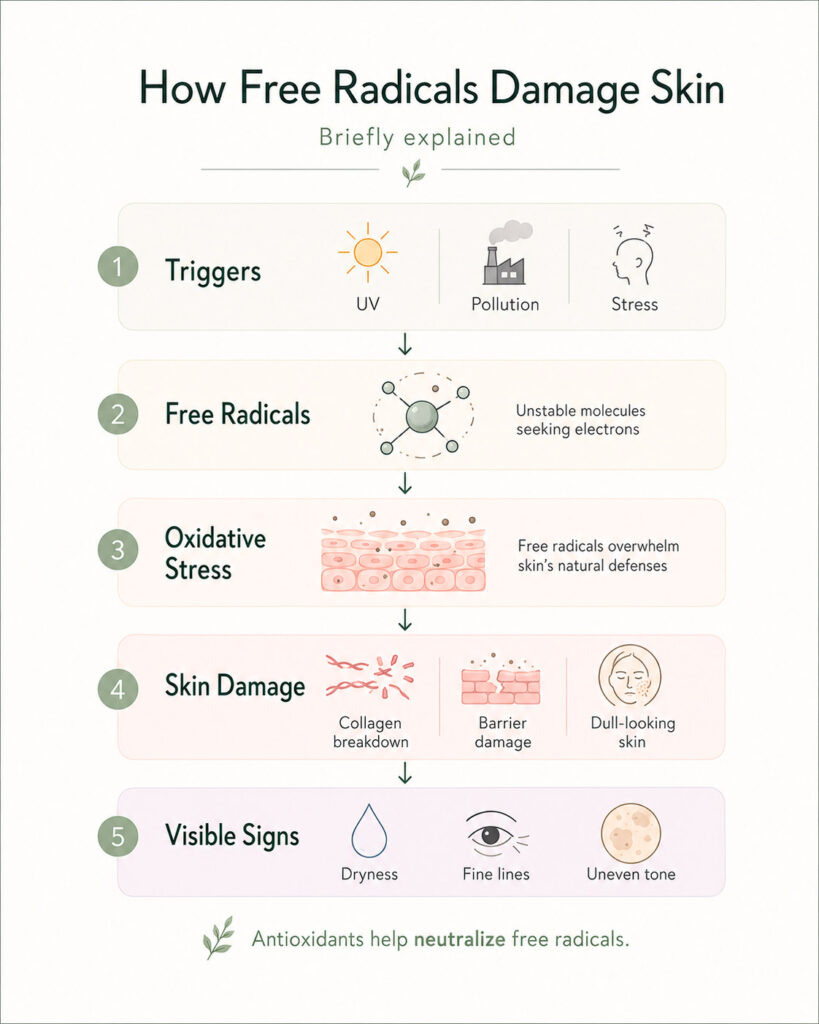
Here is the part that gets lost in most summer skincare advice. Antioxidants are not sunscreen, and they do not block ultraviolet light. What they do is help your skin hold its own against the free radicals that environmental stress, heat, and daily life generate at the surface. Used well, they sit alongside your sunscreen as a quiet partner rather than a replacement for it. The goal of layering them in the morning is to give your skin steady support before the day begins.

Why Mornings and Summer Change the Math
Free radicals are unstable molecules that form constantly as skin meets the outside environment. Pollution, heat, and light all nudge their production higher, and summer simply stacks more of those inputs into a single day. Antioxidants are the counterweight, molecules that help neutralize free radicals, so they cause less disruption at the surface. This is why a morning is the logical time to apply them, since you are supporting the skin right before its busiest stretch of environmental exposure.
The skin carries its own reserve of antioxidants, but that reserve is not unlimited. Long hours outdoors, warm weather, and city air can draw down those natural defenses faster than a cooler, quieter season would. Topping up the supply with a well formulated product is a way of meeting that demand instead of falling behind it. None of this changes the need for sunscreen, but it does give the skin extra backup against the stressors sunscreen alone does not address.
There is a reason professionals talk about antioxidants and sun protection in the same breath without treating them as interchangeable. Sunscreen handles ultraviolet light; the part of sun exposure most directly tied to visible aging and surface damage. Antioxidants handle a different job, supporting the skin against free radicals that come from many directions, including pollution and heat. Think of them as a complement to your sun protection, working on the problems that sit just outside sunscreen’s lane.
Start With a Clean, Calm Canvas
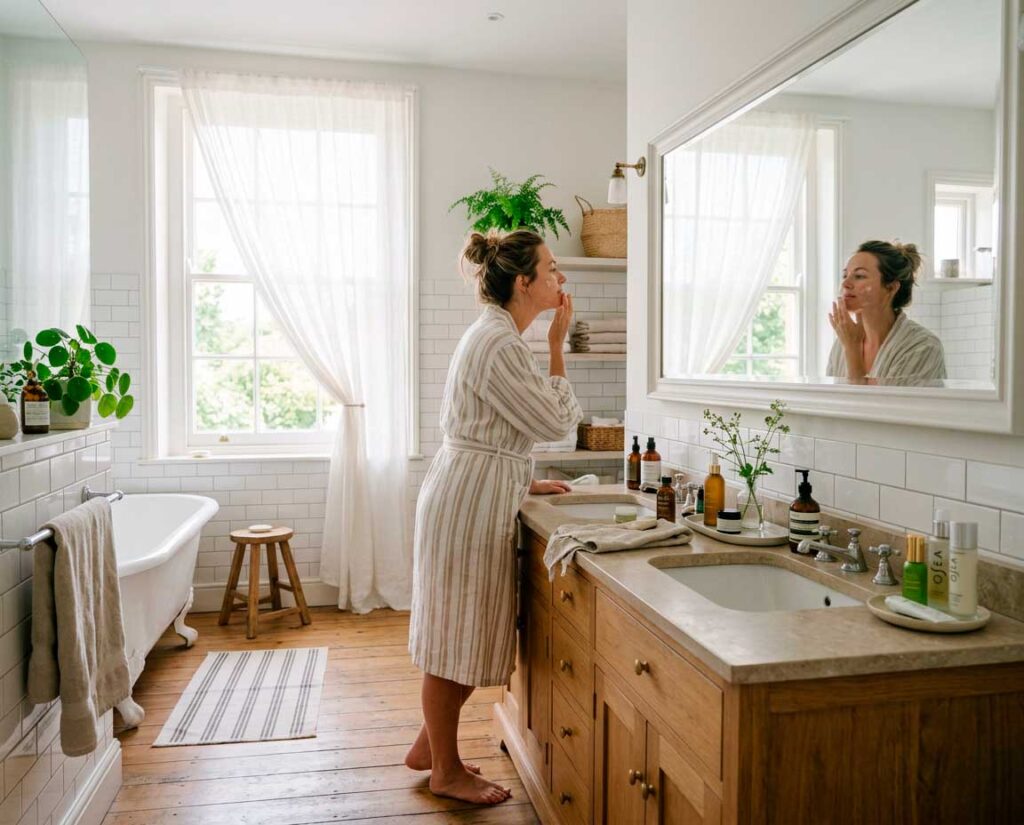
Layering works only when the first layer is skin that is genuinely clean. Overnight, skin sheds cells and collects the residue of whatever it touched, and a gentle morning cleanse clears that away so the next steps can settle evenly. In summer, this matters more because heat and humidity leave a film that can keep active ingredients from making good contact. A mild cleanser that does not strip is the right call, since an over cleansed face often feels tight and reacts poorly to everything that follows.
Resist the urge to scrub hard in the name of a fresh start. Aggressive cleansing can leave the surface irritated, and irritated skin tends to tolerate active ingredients less comfortably. After cleansing, pat the skin until it is just barely damp rather than bone dry. That slight moisture gives water-based products something to glide into, which sets up the layering that comes next.
A calm canvas also means paying attention to temperature. Splashing with lukewarm rather than hot water keeps the skin from flushing and feeling reactive, which is an easy summer adjustment. The few seconds you spend here shape how the rest of the routine performs. Skin that starts the day balanced is far more forgiving of the steps stacked on top of it.
The Order That Lets Antioxidants Work
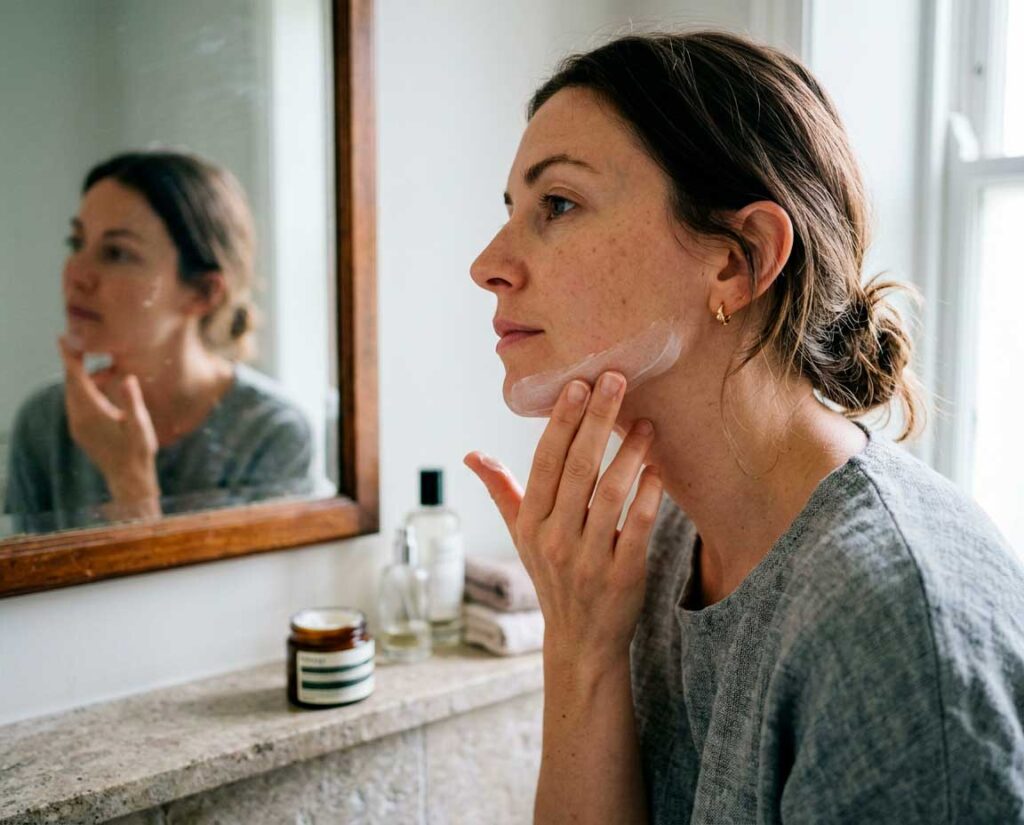
The simplest rule for layering is to move from thinnest to richest, letting water-based formulas go on before anything heavier. Antioxidant serums usually fall early in that order because they are light and meant to sit close to the skin. A vitamin C serum, for example, is a common morning anchor, applied to clean skin so it has a clear path to absorb. Reviva Labs makes a High Potency Vitamin C Serum that fits this early layer role for people building a morning routine around antioxidants.
Give each layer a moment before the next one. A serum needs only a short pause, perhaps the time it takes to brush your teeth, to settle rather than pill under whatever follows. Rushing the layers together is one of the most common reasons a routine feels heavy or looks patchy by midday. Patience here is not fussiness, it is the difference between products that work with each other and products that fight.
Apply with light pressure rather than vigorous rubbing, pressing a serum gently into the skin. Heavy friction can disturb the surface and waste product without improving how it absorbs. A few drops or a single pump is usually plenty, since more does not mean better and excess simply sits on top. The aim is a thin, even film that disappears into the skin rather than a thick coat you can feel.
Pairing Antioxidants Without Crowding the Skin
Certain antioxidants are known to work well together, which is why you often see them combined in a single formula. Vitamin C paired with vitamin E is a classic example, a partnership that researchers have studied for how the two support each other at the surface. When a product already blends compatible antioxidants, you get the benefit of the pairing without the guesswork of mixing them yourself. That makes a thoughtfully built serum or crème an efficient way to layer in summer.
The temptation in any routine is to add more and more, but crowding the skin rarely helps. In hot, humid weather especially, piling on too many actives can leave the surface feeling slick and unsettled. A focused approach, one antioxidant step that does its job well, usually outperforms a stack of competing products. Listen to how your skin feels by late morning and let that feedback guide how much you actually need.
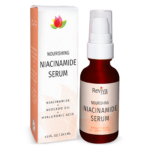
Compatibility also matters when you bring in ingredients like niacinamide, which many people use alongside antioxidants without trouble. The practical test is simple, since skin that stays calm and comfortable is telling you the combination suits it. If a pairing leaves you red, stinging, or unusually shiny, that is a sign to simplify. There is no prize for the longest routine, only for the one your skin actually tolerates day after day.
Lock It In With Lightweight Moisture
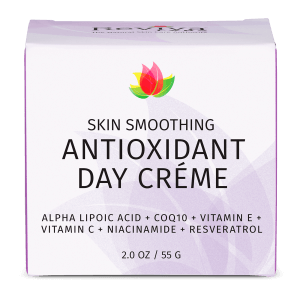
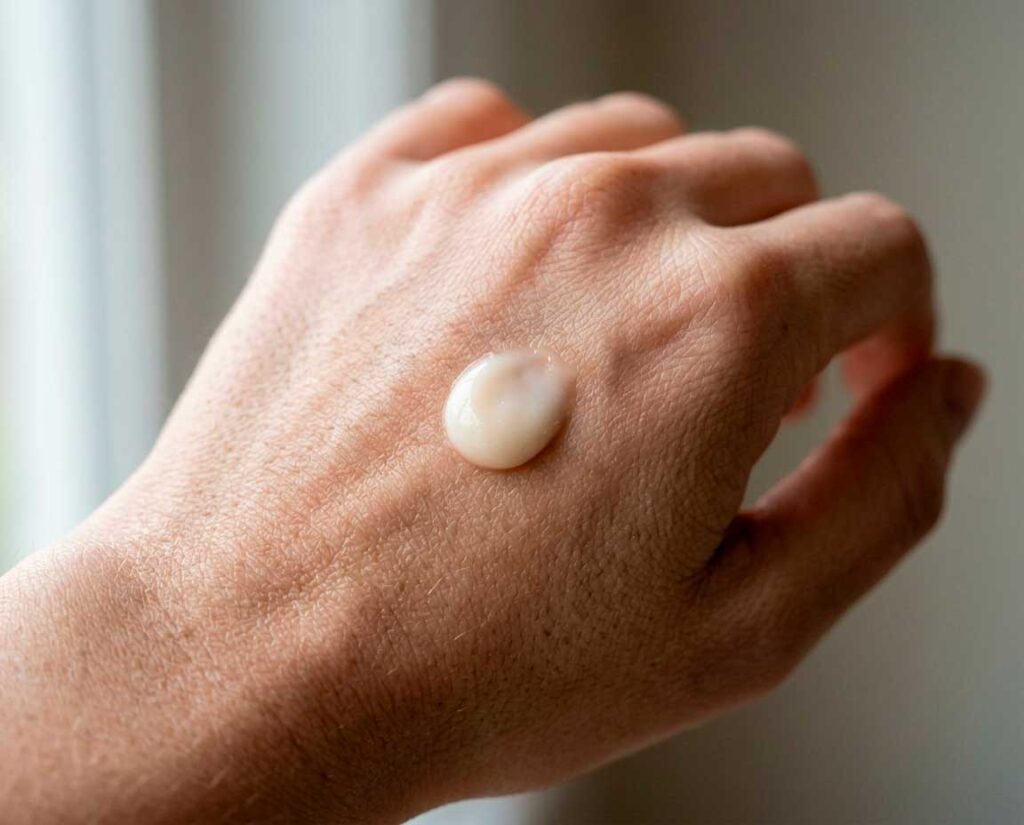
After your antioxidant serum settles, a moisturizer helps seal that layer and keep the skin comfortable through the day. In summer, the instinct is often to skip moisturizer entirely, but a lightweight one still earns its place. A day crème formulated with antioxidants can do double duty, adding surface support while keeping the skin soft. Reviva Labs offers an Antioxidant Day Crème that suits people who want their moisture step to carry that defense theme forward.
Texture is everything in warm weather. A formula that feels rich and welcome in January can feel like too much in July, so matching the product to the season keeps the routine wearable. A crème that absorbs cleanly and does not leave a heavy residue is what most people want under daytime conditions. The right moisturizer should feel like the skin simply drank it in rather than wearing a layer on top.
Apply moisturizer while the skin still holds a trace of the serum beneath it. Working in thin layers rather than one thick application helps everything sit evenly and absorb fully. This step also smooths the way for sunscreen, giving it a comfortable surface to grip. A well moisturized base often makes the final layer feel lighter and easier to spread.

Then, and Only Then, Sunscreen
Sunscreen is the step that actually protects against ultraviolet light, and it belongs last in the morning, after your antioxidants and moisturizer. No antioxidant replaces it, and no amount of layering serums adds up to sun protection. This is the single most important point in any summer routine, and it is worth repeating because so much marketing blurs the line. Antioxidants support your skin against free radicals, while sunscreen guards against the rays themselves, and you want both.
Layering antioxidants underneath sunscreen is a sensible structure because it lets each product do its own job in the right order. Your serum and crème go on first and settle, then sunscreen forms the outermost defense. Applied generously and evenly, sunscreen does the heavy lifting that no serum can. The antioxidants beneath it are the complement, not the shield.
Give sunscreen the same care you gave the layers below it, using enough to cover the face and neck fully rather than a thin smear. Let it set before adding makeup, so it forms an even film. Reapplication through the day matters too, especially when you are outdoors, sweating, or in and out of water. The morning routine sets the foundation, but sun protection is a habit you maintain, not a box you check once at sunrise.
Small Habits That Make the Routine Stick
Consistency beats intensity when it comes to skincare, and a simple routine you follow every morning will serve you better than an elaborate one you abandon by August. Keeping your products visible and within reach makes the habit easier to keep. Storing antioxidant formulas away from heat and direct light helps them stay stable, so a cool, shaded spot is better than a sunny windowsill. These small choices protect the very products you rely on to support your skin.
Patch testing a new product before you fold it into the routine is always worth the extra day. Dab a little on the inner forearm or behind the ear, wait, and watch for any reaction before applying it to your face. This is especially smart when you are layering several products, since it helps you spot the culprit if something does not agree with you. Skin is individual, and what suits a friend may not suit you, so a careful introduction is the kinder approach.
Pay attention to how your routine feels as conditions shift. A formula that felt perfect on a mild morning might feel heavy on a humid one, and adjusting is not failure, it is responsiveness. Some people lighten their layers in peak heat and return to richer textures when the air cools. Treating the routine as something you tune rather than something fixed keeps it working all season.

What to Adjust as the Season Peaks
When summer reaches its hottest stretch, simplicity becomes its own strategy. Sweat and humidity can make heavy layering uncomfortable, so trimming back to the essentials often serves the skin better. Your antioxidant step and your sunscreen are the parts worth protecting most fiercely, since they carry the routine’s core purpose. Everything else can flex around them based on how your skin feels that week.
Hydration deserves a mention because warm weather pulls moisture from the skin even when the air feels sticky. A lightweight, water-based layer can keep the surface comfortable without weighing it down. Drinking enough water supports skin from the inside, though it is no substitute for what you apply on top. The aim is a balance that leaves skin neither tight nor greasy as the day wears on.
Above all, keep sunscreen reapplication front of mind during the season’s peak. The antioxidants you layered at dawn are still doing quiet work, but ultraviolet exposure climbs through midday and your protection needs refreshing. A routine that started strong in the morning stays strong only if you maintain that final layer. Pairing a smart morning structure with diligent reapplication is what carries comfortable, healthy feeling skin through the brightest months.

Building a Routine, You Will Actually Keep
The best summer routine is the one that fits your life and that you return to without thinking. Layering antioxidants in the morning is less about a long list of products and more about a sensible order, a light hand, and the patience to let each step settle. Start clean, build from thin to rich, seal with moisture, and finish with sunscreen every single day. Do that consistently, and you give your skin steady support against the stresses of the season while letting your sun protection do the job only it can do.
Frequently Asked Questions
Do antioxidants protect my skin from the sun?
No. Antioxidants help your skin defend against free radicals generated by environmental stress, heat, and pollution, but they do not block ultraviolet light and are not a form of sun protection. Sunscreen is what guards against the sun’s rays, and it belongs as the final step of your morning routine. Think of antioxidants as a complement that works alongside sunscreen, never as a replacement for it.
When should I apply antioxidants, in the morning or at night?
Many people apply antioxidants in the morning, so the skin has support heading into the day, though some use them at night as well. A morning application pairs naturally with the rest of a daytime routine, sitting under moisturizer and sunscreen. If you prefer evenings, that works too, since the benefit comes from consistent use rather than a single perfect time. The key is choosing a schedule you will actually keep.
Can I layer more than one antioxidant product?
You can, but more is not automatically better, and crowding the skin can leave it feeling heavy or unsettled in hot weather. Often a single well formulated antioxidant step does the job without the need to stack several. Many formulas already combine compatible antioxidants, which gives you a pairing without mixing products yourself. Let your skin’s comfort by late morning guide how much you really need.
What order should my summer morning products go in?
A reliable order moves from thinnest to richest, so cleanse first, then apply a light antioxidant serum, follow with moisturizer, and finish with sunscreen. Letting each layer settle for a moment before the next prevents pilling and patchiness. Water based products generally go on before heavier ones. This sequence lets every product do its job without competing for the same space.
Does summer change how I should store my products?
It can. Heat and direct light are hard on many skincare formulas, so storing them in a cool, shaded place rather than a sunny bathroom windowsill helps them stay stable. A drawer or cabinet away from a hot shower’s steam is a sensible spot. Keeping your products in good condition protects the work they are meant to do for your skin.
Is it normal for my routine to feel different on humid days?
Yes, and it is a sign to adjust rather than push through. A formula that felt perfect on a mild morning can feel heavy when the air is thick, so lightening your layers in peak humidity is reasonable. Many people simplify during the hottest stretches and return to richer textures as the season cools. Treating the routine as flexible keeps it comfortable all summer.
References
- Flament F, Bazin R, Laquieze S, Rubert V, Simonpietri E, Piot B. Effect of the sun on visible clinical signs of aging in Caucasian skin. Clin Cosmet Investig Dermatol. 2013;6:221-232 – https://doi.org/10.2147/CCID.S44686