
Natural, Reviva Labs, Skin Care
Summer Skin Care for the Spots You Forget

Jun
Each year, about one-third of U.S. adults get at least one sunburn, according to the CDC. That number feels high until you think about how summer actually works. People remember sunscreen on shoulders, arms, and legs when they head to the beach. They remember sunglasses when the glare gets intense. But they often forget the small, exposed areas that face sun, heat, sweat, wind, salt, and air conditioning every single day. Lips, cheeks, and nose sit right in the center of summer exposure, yet they rarely get the same care as the rest of the face.
These areas need more attention because summer stress lands there first. The nose catches direct light. The cheeks flush, dry out, and show uneven tone fast. The lips lose moisture quickly because they do not behave like the rest of your facial skin. Add long daylight hours, hotter car interiors, weekend travel, patio meals, pool days, gardening, walking, outdoor workouts, and regular errands, and those small areas take a constant beating. The result often looks like dullness, rough texture, tightness, visible dryness, flaking, uneven tone, or a tired-looking complexion.
A smarter summer routine does not need to become complicated. It needs to become more precise. Think less about adding many steps and more about treating the forgotten zones with the same respect you give your full face. Antioxidants, moisture support, gentle exfoliation, and daily sun protection all matter. This is where Reviva Labs’ weekly antioxidant focus fits naturally, especially Vitamin C Serum, Antioxidant Day Crème, and Vitamin E-Stick 3 Pack. And with the new Overnight Lip Repair Mask and Organic Sugar Lip Scrub, lip care no longer needs to be an afterthought.

Why Small Areas Show Summer Stress First
Lips, cheeks, and nose face different summer problems. The nose gets high exposure because it projects forward and catches direct light throughout the day. The cheeks cover a broad area and often show visible redness, uneven tone, and dehydration when heat and sun stack up. The lips dry out because they have a thinner, more delicate surface and need frequent replenishment. Treating these areas the same way makes little sense because each one reacts in its own way. A better plan gives each spot the kind of care it needs.
The nose often looks oily and dry at the same time in summer. Heat and humidity can make the surface feel slick, while sun and cleansing can leave the surrounding skin tight or flaky. Sunscreen can collect around the nostrils. Sunglasses can rub the bridge. If you wear makeup, foundation can separate there before it breaks down anywhere else. When this happens, many people respond by scrubbing harder, which tends to make the surface look rougher. Gentle cleansing and light hydration work better than aggressive stripping.
The cheeks often tell the story of your summer. They show when your skin has been outside too long, when you skipped reapplication, when your barrier feels depleted, or when your routine feels too heavy for hot weather. Cheeks also tend to show uneven tone because they receive plenty of light exposure. This does not mean every mark needs a harsh brightening routine. It means the area benefits from steady antioxidant care, daily sunscreen, and a moisturizer that supports comfort without feeling greasy. When cheeks stay balanced, the whole face looks fresher.
The lips need special mention because most people remember lip balm only after dryness appears. Summer lip care should start before lips feel cracked. Wind, sun, air conditioning, salt water, pool water, and repeated licking all pull lips into a dry cycle. A lip routine should include hydration plus sun protection during the day, comfort care throughout the day, and richer replenishment at night. That rhythm keeps lips softer and smoother without turning lip care into a project.
Antioxidants Belong in a Summer Routine
Antioxidants matter in summer because skin faces daily environmental stress. UV exposure, heat, pollution, and outdoor activity can all contribute to visible stress on the complexion. Sunscreen should stay the primary daytime defense, since cosmetic antioxidants do not replace SPF. Still, antioxidants make sense as part of a broader summer routine because they support a healthier-looking, more resilient-looking complexion. This is especially useful on the cheeks and nose, where light exposure tends to be most visible. The goal is not to chase perfection. The goal is to help skin look calm, bright, and cared for.
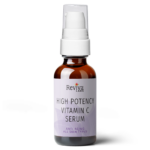
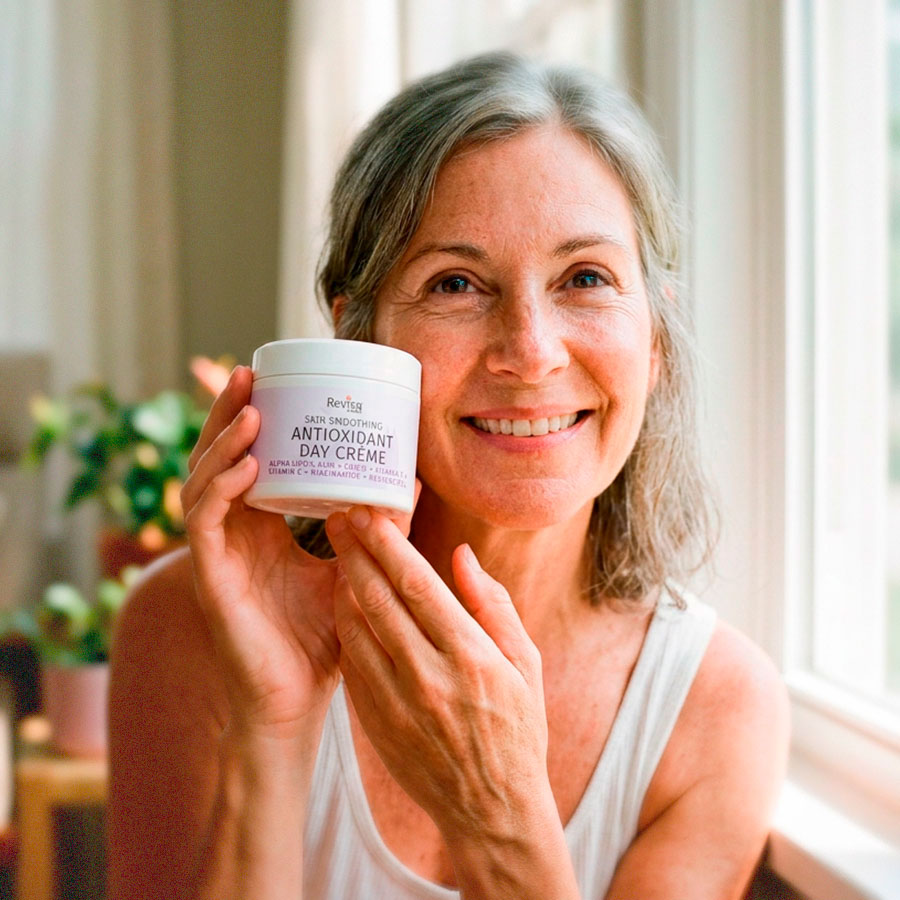
Vitamin C is one of the most familiar antioxidant ingredients in skin care, and it fits especially well into a summer morning routine. Reviva Labs High Potency Vitamin C Serum blends Aminopropyl Ascorbyl Phosphate, Ascorbic Acid, and Sodium Ascorbyl Phosphate. This gives the formula a triple Vitamin C approach designed to help brighten the look of uneven tone and support a smoother-looking complexion. For cheeks and nose, that matters because those areas often show the visible signs of summer faster than less exposed skin. Used consistently, a Vitamin C serum can help your skin look more radiant and more even.
The best way to use a Vitamin C serum in summer is to apply it after cleansing and before moisturizer. Keep the layer thin, especially around the nose where too much product can feel tacky in humid weather. Give it a moment to settle before applying your cream or sunscreen. On cheeks, smooth it across the broad areas where dullness or uneven tone tends to show. Avoid pushing active products into the corners of the nose or too close to the lips if your skin feels sensitive. Precision gives you better comfort and better consistency.
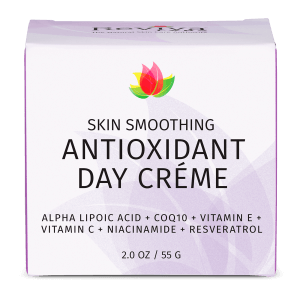
Reviva Labs Antioxidant Day Crème adds a broader antioxidant blend to the routine. Its formula includes Alpha Lipoic Acid, CoQ10, Niacinamide, Resveratrol, Vitamins C and E, and Green Tea, along with nourishing oils and moisture-supporting ingredients. That makes it especially useful for summer skin that feels exposed, dry in spots, or uneven in texture. Apply it where skin needs comfort, not as a heavy blanket. For many people, cheeks enjoy the extra cushion while the nose needs a lighter touch. This is one of those small adjustments that makes a routine feel smarter.
How to Care for Summer Cheeks
Cheeks need steady care because they cover so much visible facial real estate. When they look hydrated, calm, and even, your whole complexion looks better. When they look tight, ruddy, or patchy, your face can look tired even if the rest of your routine works. Summer cheeks often need a balance of light layers rather than one rich product doing all the work. Cleansing should remove sweat, sunscreen, and makeup without leaving the skin feeling squeaky. Then antioxidants, moisture, and SPF can do their jobs more comfortably.
Start your morning cheek care with a gentle cleanse. After cleansing, apply Vitamin C Serum across the cheeks, where discoloration and dullness often show. Follow with Antioxidant Day Crème in a light layer, pressing rather than rubbing if the skin feels warm or reactive. Then apply a broad-spectrum sunscreen, making sure you cover the cheekbones fully. Cheekbones catch light directly, and people often miss the outer cheek area near the hairline. Sunscreen belongs there too, not only in the center of the face.
If your cheeks feel warm after time outside, resist the urge to overcorrect with harsh scrubs or strong actives. Warm-weather skin often needs less friction, not more. Cleanse gently, replenish moisture, and let the complexion settle. You can use antioxidant-rich products consistently, but avoid piling on too many strong treatments after a long sun day. Summer routines work best when they respect the skin barrier. A calm-looking cheek area usually comes from consistency, not intensity.
Evening care gives your cheeks a chance to reset. Cleanse away sunscreen and sweat, then use a comfortable moisturizer or treatment suited to your skin type. If your skin feels dry, you can give the cheeks more cream than the nose or forehead. This targeted approach keeps oily areas from feeling overloaded while giving exposed areas the support they need. It also helps your routine feel more wearable in hot weather. Summer skin care should feel like relief, not a layer you want to wash off.
How to Care for the Nose
The nose is easy to forget until it becomes a problem. It gets shiny, flaky, red-looking, or rough, and then it becomes the only thing you notice in the mirror. The bridge of the nose also gets strong exposure, especially during driving, walking, gardening, or sitting near bright windows. Sunglasses can rub product away from the bridge, while sweat can move sunscreen off the sides. That means the nose needs careful application and more frequent attention during the day. A quick morning pass rarely covers it well enough.
Apply serum lightly over the nose, but do not overload the area. The nose has curves and creases where product can collect. When too much serum or cream gathers around the nostrils, skin can feel sticky or irritated. Smooth a small amount over the bridge and sides, then blend outward. Follow with sunscreen, paying special attention to the bridge and the rounded tip. These are the spots people often burn or tan first. If you wear sunglasses, reapply sunscreen where the frames sit.
The nose also needs proper cleansing at night. Sunscreen, sweat, oil, and environmental residue can build up around the nostrils and sides of the nose. Use gentle pressure and enough cleanser contact time, not harsh scrubbing. If texture appears rough, a mild exfoliating step on a schedule can help, but summer is not the time to attack the skin. Over-exfoliating the nose can make it look shinier, redder, and more uneven. Keep the focus on clean, comfortable, balanced skin.
Antioxidant Day Crème can be used on the nose, but lighter application often works best. If your nose gets oily, apply a thin amount or reserve more of the cream for the cheeks and drier zones. This is not cheating the routine. It is tailoring it. Your face does not have one climate across every inch. Summer makes those differences more obvious, so your routine should adapt.
How to Care for Summer Lips
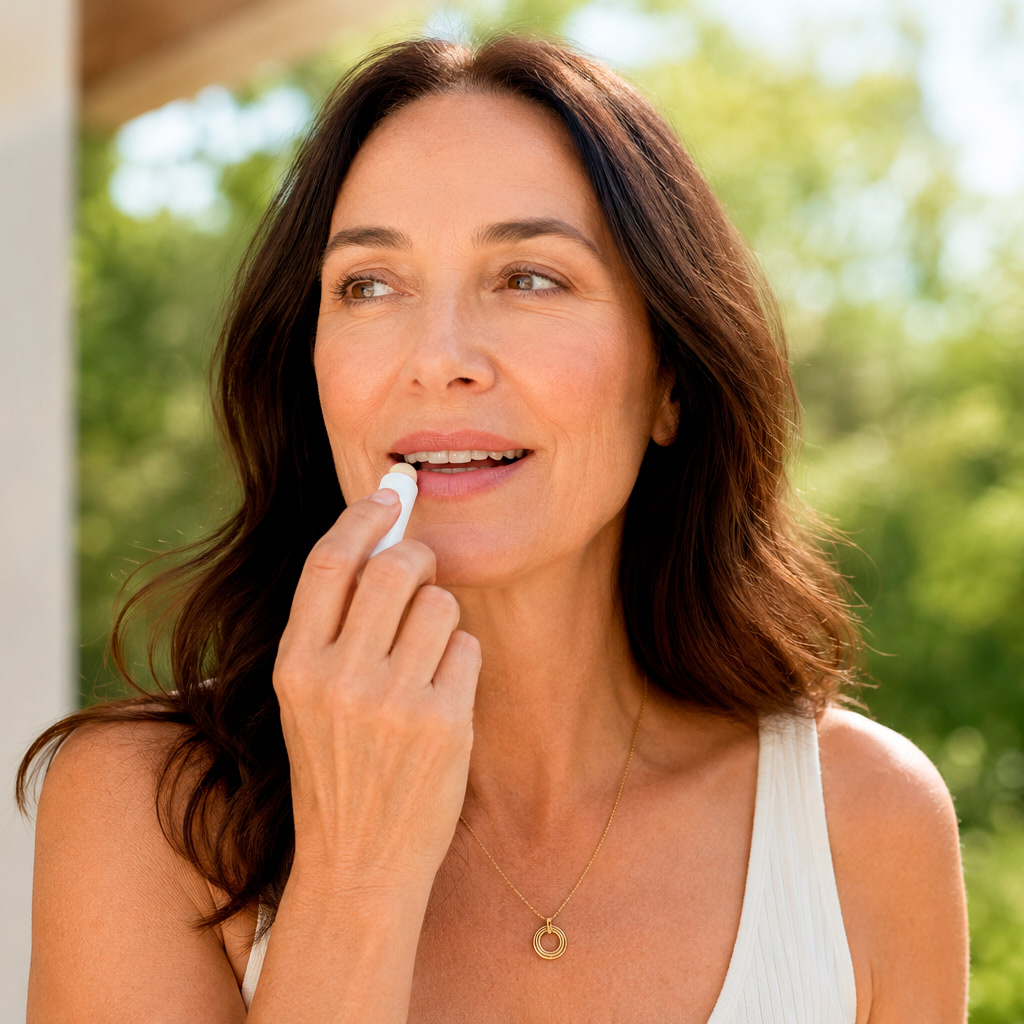
Lips need a different summer strategy because they dry out fast and often get overlooked. The first rule is simple. Use a lip product with SPF during daytime outdoor exposure. This matters because lips receive UV exposure too, and general facial sunscreen often gets skipped over the mouth area. Reapply lip SPF often, especially after eating, drinking, swimming, or wiping your mouth. Reviva’s Vitamin E-Stick is not positioned as an SPF product, so it should not replace sun-protective lip care outdoors. It fits beautifully as comfort care for dryness, roughness, and exposed-feeling spots.
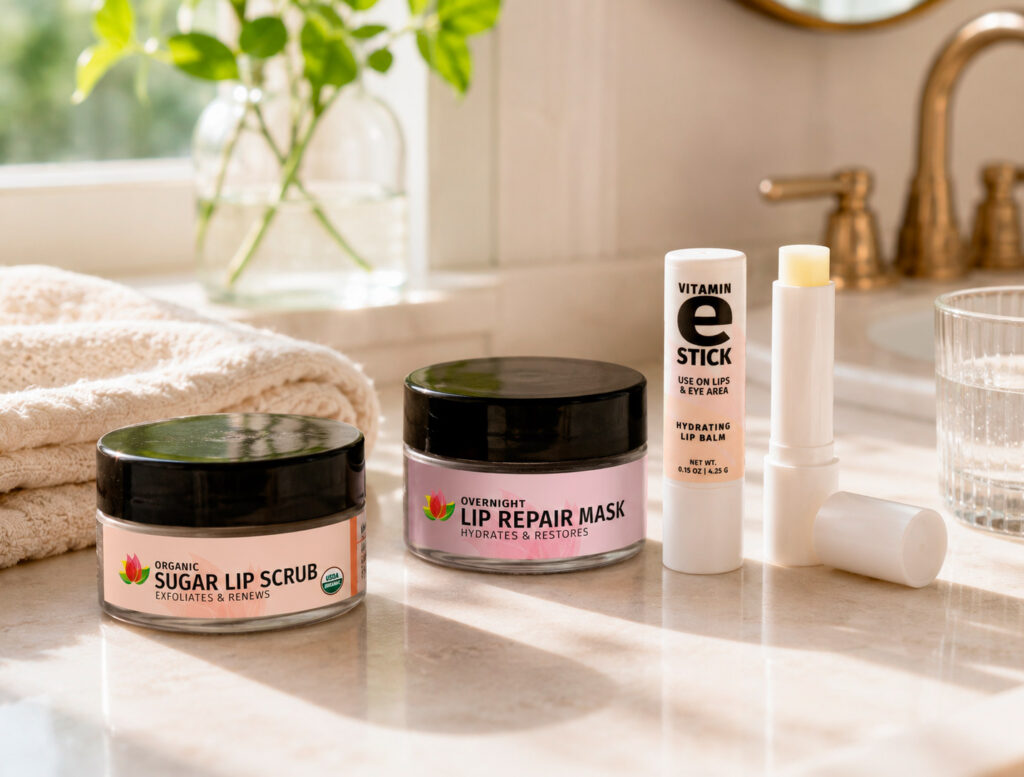
Reviva Labs Vitamin E-Stick 3 Pack makes sense for summer because one stick never seems to stay where you need it. Keep one near your morning routine, one in your bag, and one near your desk or nightstand. The formula features a beeswax base with Vitamin E, allantoin, shea butter, castor oil, candelilla wax, mango butter, lanolin, soybean oil, olive oil, canola oil, and rosemary leaf extract. It helps soften and condition lips, and the catalog notes it can also be used on under eyes, cheeks, or any spot exposed to drying air. That versatility matters in summer when air conditioning and heat keep trading places.
For lips, use Vitamin E-Stick when they feel dry, tight, or uncomfortable. Use it after SPF lip balm has had time to settle if you are outdoors. Use it after cleansing at night if lips feel dry before bed. Use it around the edges of the lips when the border feels rough from heat, wind, or repeated wiping. Avoid applying it over irritated skin if a product has already stung or caused discomfort. The point is simple comfort and conditioning.
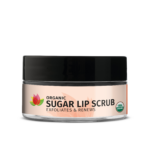
Our new Organic Sugar Lip Scrub gives lips a gentle polishing step when they look flaky or feel uneven. Use it at night rather than right before sun exposure. Massage lightly, then rinse or wipe away as directed. Do not scrub cracked or tender lips, and do not treat exfoliation as a daily requirement. Once or twice weekly is plenty for many people. The goal is to smooth away dull surface flakes so replenishing lip products feel better and sit more evenly.
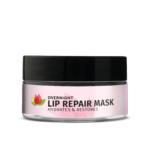
Our new Overnight Lip Repair Mask fits the nighttime part of the lip routine. Night is the right time for richer lip care because you are not eating, drinking, talking, or reapplying sunscreen. After cleansing and after any gentle lip exfoliation, apply the mask as the final lip step. Let it coat the lips while you sleep. In the morning, lips should feel softer and more comfortable. This creates a simple rhythm: protect lips outdoors, condition them during the day, exfoliate lightly when needed, and replenish overnight.

The Simple Summer Routine for Forgotten Spots
A practical summer routine should be easy enough to repeat. In the morning, cleanse gently, then apply Vitamin C Serum to cheeks and nose. Follow with Antioxidant Day Crème where your skin needs moisture and antioxidant support. Apply broad-spectrum sunscreen to your full face, including the nose, cheekbones, upper lip area, and the edges near the hairline. Add SPF lip balm before heading outside. Keep the Vitamin E-Stick close for dry-feeling lips or small dry spots, but keep SPF in the daytime plan when sun exposure is involved.
During the day, reapplication matters. The FDA notes that sunscreen should be reapplied about every two hours, or more often after swimming or sweating. This is where the forgotten spots often lose protection first. Reapply to the nose after wearing sunglasses. Reapply to cheekbones after sweating or wiping your face. Reapply lip SPF after meals, drinks, and time outside. Then use comfort products as needed. Think of daytime as protection first, comfort second.
At night, remove the day thoroughly but gently. Pay attention to the sides of the nose, the cheek area near the hairline, and the skin around the mouth. If lips feel flaky, use Organic Sugar Lip Scrub with a light hand. Follow with Overnight Lip Repair Mask as the final lip step. Use Vitamin E-Stick when lips or small dry areas need extra comfort. Keep the rest of the routine simple. Summer skin often improves when you stop fighting it and start supporting it.
A weekly reset also helps. Choose one or two evenings to check in with your skin instead of applying products on autopilot. Are cheeks feeling dry or flushed? Use lighter actives and more moisture. Is the nose rough or congested-looking? Cleanse carefully and avoid heavy layers in the creases. Are lips flaky? Use the scrub gently and follow with the overnight mask. Are lips tender? Skip exfoliation and focus on comfort. This kind of routine listening prevents many small issues from becoming bigger frustrations.
Common Summer Mistakes Around Lips Cheeks and Nose
One common mistake is treating shine as the enemy. In summer, shine can come from sweat, oil, sunscreen, humidity, or product buildup. Stripping the skin usually creates more imbalance. The cheeks can become tight, while the nose turns shiny again within an hour. A gentle cleanse and lighter product placement work better. Let the cheeks receive more support, while the nose gets thinner layers. This keeps the face comfortable without forcing every area into the same routine.
Another mistake is skipping the lip area when applying sun protection. People carefully cover the forehead and cheeks, then leave the lips, upper lip, and corners of the mouth exposed. That area is expressive, mobile, and easy to wipe clean without noticing. Use a dedicated SPF lip product outdoors and cover the upper lip area with facial sunscreen. Then reapply through the day. Lip comfort products play an important role, but SPF still has its own job.
A third mistake is exfoliating right before a long day outdoors. Freshly exfoliated skin can feel smoother, but it also needs thoughtful care. Use exfoliating lip care in the evening, not right before a pool day or long walk. Keep facial exfoliation moderate during high-sun months. If you use exfoliating products, pair them with daily sunscreen and avoid overuse. Smooth skin should not come at the cost of comfort.
The final mistake is saving antioxidants for fall. Summer is exactly when antioxidant support makes sense as part of a daily cosmetic routine. Vitamin C Serum in the morning, Antioxidant Day Crème as a light moisturizing layer, and Vitamin E-Stick for lip and dry-spot comfort create an easy seasonal theme. Add the new lip scrub and overnight mask, and the forgotten areas get a complete care plan. Your skin does not need more chaos in summer. It needs better attention in the right places.

Frequently Asked Questions
Do lips need a separate summer routine?
Yes, lips benefit from their own routine because they dry out quickly and often get skipped during sun care. Use an SPF lip balm during daytime outdoor exposure and reapply it often. For comfort, Reviva Labs Vitamin E-Stick can help condition dry-feeling lips during the day or at night. When lips feel flaky, use Organic Sugar Lip Scrub gently in the evening. Follow with Overnight Lip Repair Mask before bed to help lips feel smoother and more replenished by morning.
Can I use Vitamin C Serum in summer?
Yes, Vitamin C Serum fits well into a summer morning routine when used with sunscreen. Apply it after cleansing and before moisturizer. Reviva Labs High Potency Vitamin C Serum uses three forms of Vitamin C and helps brighten the look of uneven tone while supporting a fresher-looking complexion. Keep the layer thin, especially around the nose. Follow with Antioxidant Day Crème if your skin needs moisture, then apply broad-spectrum sunscreen as your daytime protective step.
Should I put Antioxidant Day Crème on my nose?
Yes, but use a light touch if your nose gets oily in summer. The nose often needs antioxidant support and moisture, but it usually needs less product than the cheeks. Apply a thin layer over the bridge and sides, then blend well so product does not collect around the nostrils. Follow with sunscreen during the day. If your nose feels slick, use more cream on your cheeks and less on the center of your face.
How often should I exfoliate my lips in summer?
Most people do best with gentle lip exfoliation once or twice per week. Use Organic Sugar Lip Scrub in the evening, not right before extended sun exposure. Massage lightly and avoid scrubbing lips that feel cracked, raw, or tender. After exfoliating, apply Overnight Lip Repair Mask to help lips feel smoother and more comfortable. On other nights, skip the scrub and use the mask or Vitamin E-Stick as needed for comfort.
Is Vitamin E-Stick a sunscreen?
No, Reviva Labs Vitamin E-Stick should not be treated as a sunscreen. It is a conditioning lip and dry-spot balm with Vitamin E, allantoin, beeswax, shea butter, candelilla wax, and other emollients. Use a lip product with SPF for daytime outdoor protection. Vitamin E-Stick works well for comfort, moisture support, and dry-feeling spots, especially when lips feel tight from air conditioning, wind, or heat. Outdoors, use SPF first and reapply often.
References and Sources
- CDC, Prevalence and Context of Sunburn Among U.S. Adults https://www.cdc.gov/mmwr/volumes/75/wr/mm7519a2.htm
- CDC, Sun Safety Facts https://www.cdc.gov/skin-cancer/sun-safety/index.html
- FDA, Questions and Answers on OTC Sunscreen Products https://www.fda.gov/drugs/understanding-over-counter-medicines/questions-and-answers-fda-announces-new-requirements-over-counter-otc-sunscreen-products-marketed-us
- Skin Cancer Foundation, Skin Cancer Facts and Statistics https://www.skincancer.org/skin-cancer-information/skin-cancer-facts/
- Skin Cancer Foundation, Sun Protection https://www.skincancer.org/skin-cancer-prevention/sun-protection/
- Prevent Cancer Foundation, Skin Cancer Prevention and Screening https://preventcancer.org/preventable-cancer/skin-cancer/