
Ingredients, Natural, Reviva Labs, Skin Care
How Weekly Exfoliation Fits Into a Smart Anti-Aging Routine
Aug
Somewhere around the time we turn forty, most of us start noticing that our skin does not bounce back quite the way it used to. A late night shows up on our face the next morning instead of disappearing by lunch. A small blemish lingers for what feels like weeks instead of days. Researchers who study skin aging have documented a biological reason behind that shift, epidermal cell turnover, the process by which fresh new cells rise to the surface and old ones shed away, measurably slows as we get older, according to a review of cellular senescence in human skin published through the National Institutes of Health archive. That slowdown is not a flaw or a failure on your part; it is simply biology doing what biology does. But it does mean that the habits that worked fine at twenty-five may need a small update by fifty, and that update does not have to be complicated or expensive to be effective.
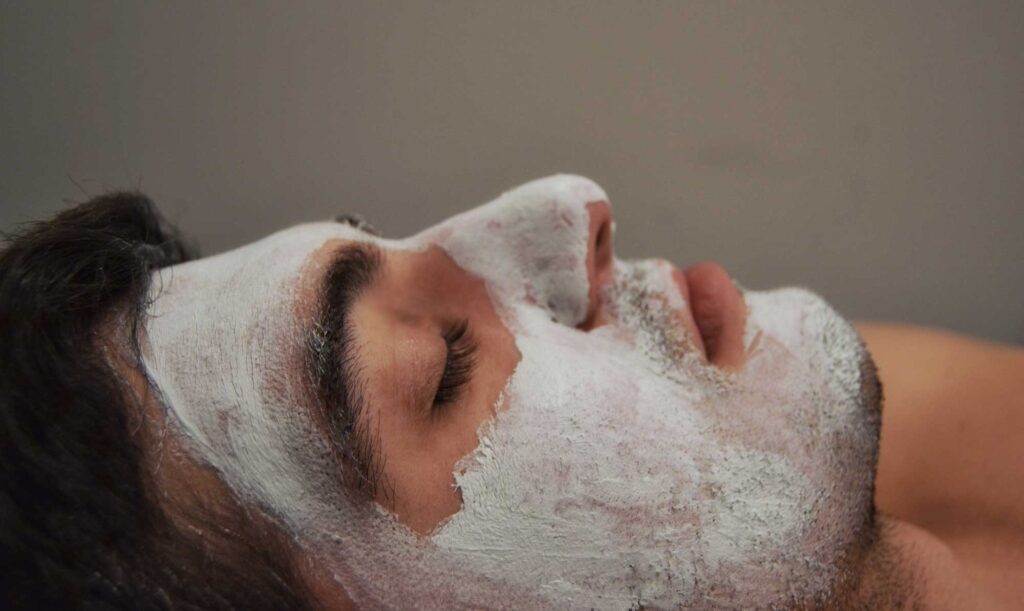
This is where exfoliation earns its place in an anti-aging routine, not as a dramatic fix but as a quiet, consistent nudge to a process that is naturally losing momentum. When cell turnover slows, dead cells sit on the surface longer than they used to. They dull the complexion, rough up the texture, and can even make fine lines look more pronounced because light does not reflect evenly off a rough surface the way it does off a smooth one. Weekly exfoliation will not stop the clock, nothing does, but it can help the surface of your skin behave a little more like it did before turnover started slowing down. That is a modest, honest claim, and it happens to be a useful one.
Why the skin’s timeline changes with age
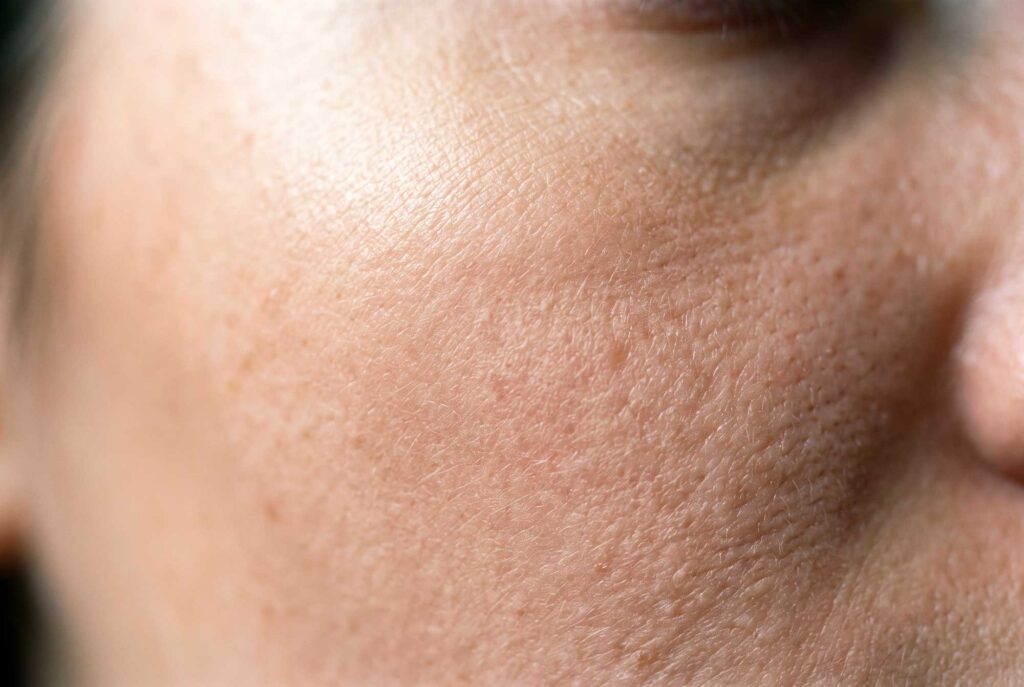
It helps to know what is actually happening underneath the surface. Skin is made in layers, and new cells are born at the base of the epidermis before slowly migrating upward, flattening and hardening as they travel, until they reach the top and eventually flake away. In younger skin, this entire trip happens on a fairly brisk schedule. As the years go by, cell production in that base layer slows, migration takes longer, and the whole cycle stretches out. The practical result is a buildup of cells that have overstayed their welcome on the surface, cells that are drier, flatter, and less reflective than the fresh ones underneath.
This buildup is part of why mature skin can look duller even when nothing else has changed. It is also part of why moisturizers and serums sometimes feel like they are not sinking in the way they once did, a layer of spent cells can act like a barrier between your favorite products and the living skin underneath. None of this means your skin is broken. It means the maintenance schedule has changed, the same way a car needs different care at ten years old than it did at two.
Knowing this timeline is useful because it reframes exfoliation from a trend to a tool. You are not exfoliating because a magazine told you to, you are exfoliating because your skin’s own natural clearing process needs a little backup now that it runs on a longer cycle. That distinction matters, because it also tells you how often to do it. This is not a daily habit for most people, especially not for mature or sensitive skin, it is a once or twice weekly one.
Choosing a gentle approach over an aggressive one
There is a temptation, especially once you notice texture or dullness creeping in, to reach for something strong. More is not always better here, and for skin that is already thinner and less resilient than it was two decades ago, aggressive scrubbing or high strength acids can do more harm than good. Physical exfoliants with large, jagged granules can create tiny tears you cannot see but will feel later as irritation. Overly frequent chemical exfoliation can compromise the skin’s barrier, leading to redness, sensitivity, and ironically, an even duller look as inflammation takes hold.
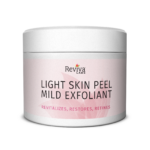
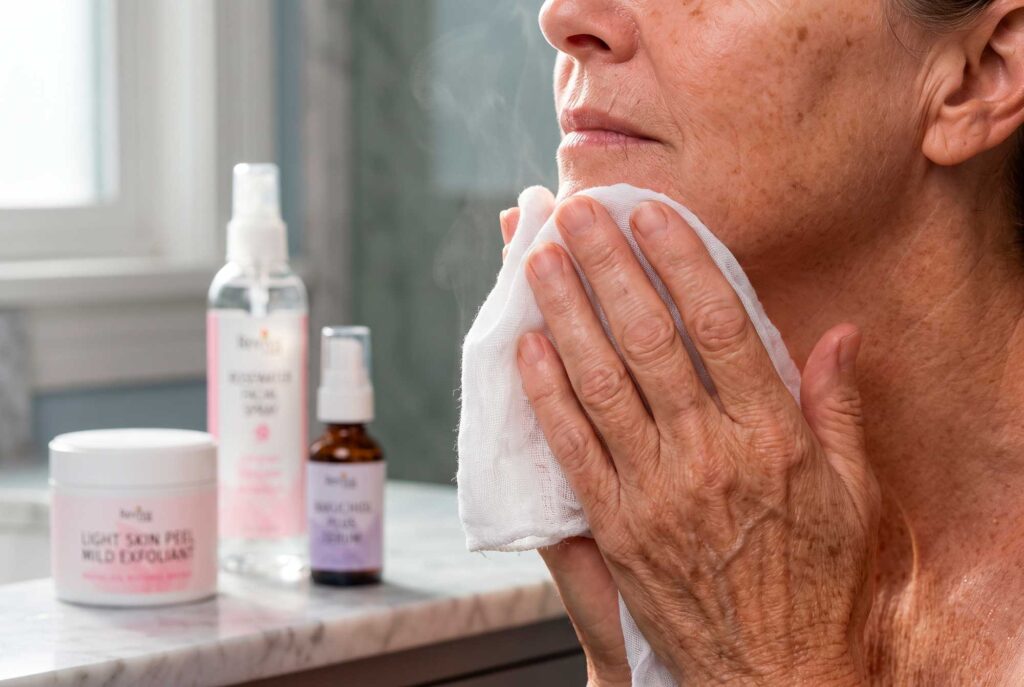
A milder approach, used consistently, tends to outperform an aggressive one used sporadically. Enzyme based exfoliants, like the kind found in our Light Skin Peel Mild Exfoliant, work by gently breaking down the protein bonds holding dead cells together rather than physically scraping them off or relying purely on acid strength. That gentler mechanism tends to suit mature skin especially well, since it clears away buildup without the friction or the surface level irritation that harsher methods can cause. The goal is not to strip the skin, it is to help it do what it is already trying to do, just a little more efficiently.
Consistency also matters more than intensity. A gentle exfoliation used twice a week, every week, will generally do more for your skin’s long-term appearance than an intense peel used once a month in a burst of enthusiasm followed by weeks of nothing. Skin, like most things, responds to rhythm, and a predictable weekly rhythm is easier to sustain over the long run than an intense but irregular one.
How exfoliation supports the rest of your routine
One of the most underrated benefits of regular exfoliation has nothing to do with texture or brightness directly, it has to do with everything you put on afterward. When dead cells accumulate on the surface, they can interfere with how well serums, creams, and treatments actually absorb. Clearing that buildup, even gently, gives your other products a better chance to do their job. This is particularly relevant if you are using targeted treatments for fine lines, uneven tone, or firmness, since those formulas are working hardest at the surface layer where buildup tends to collect.
Think of it as preparing the canvas before you paint. You could skip that step, but the paint will not go on as evenly, and the finished result will not look quite as intended. Exfoliation plays a similar supporting role in a routine, it is rarely the star of the show, but it makes everything else perform better. This is especially true heading into a season change, when skin often needs a reset before layering on richer products.
It is also worth remembering that exfoliation supports appearance, not a medical outcome. Nothing here should be read as a promise to reverse aging or treat any skin condition, the goal is simply a smoother, brighter looking complexion that reflects light more evenly. That is a realistic, achievable target, and it is one that tends to compound nicely over weeks and months of steady care.

A few common misconceptions worth clearing up
A lot of confusion around exfoliation comes from treating it like one single practice rather than a category with real variation inside it. Physical scrubs, chemical acids, and enzyme-based masks all fall under the same umbrella term, but they work through different mechanisms and suit different skin types. Assuming that all exfoliation behaves the same way, or carries the same risk of irritation, leads a lot of people to either avoid it entirely out of caution or overdo it because a friend’s routine worked well for her different skin type. Neither extreme serves you particularly well.
Another common misconception is that visible flaking or peeling during a treatment is a sign it is working harder. In most cases, visible peeling is simply a sign of irritation, not effectiveness, and it usually means the product or the frequency is too aggressive for your skin at that moment. Gentle, well formulated exfoliants should leave your skin feeling smoother and looking a little brighter, not raw or flaky in the days that follow. If you notice ongoing flaking days after a session, that is useful feedback, not a badge of progress.
There is also a persistent idea that exfoliation is something you either need or do not need based on age alone, when in reality skin type, climate, and even the products already in your routine all play a role. Someone with naturally oily, resilient skin living in a humid climate may tolerate more frequent exfoliation than someone with thinner, drier skin in a cold, dry environment, regardless of how their birthdays compare. Pay attention to your own skin’s signals rather than a one size fits all timeline and adjust the frequency to match what you observe rather than what a general guideline suggests.
Building a routine that actually fits your life
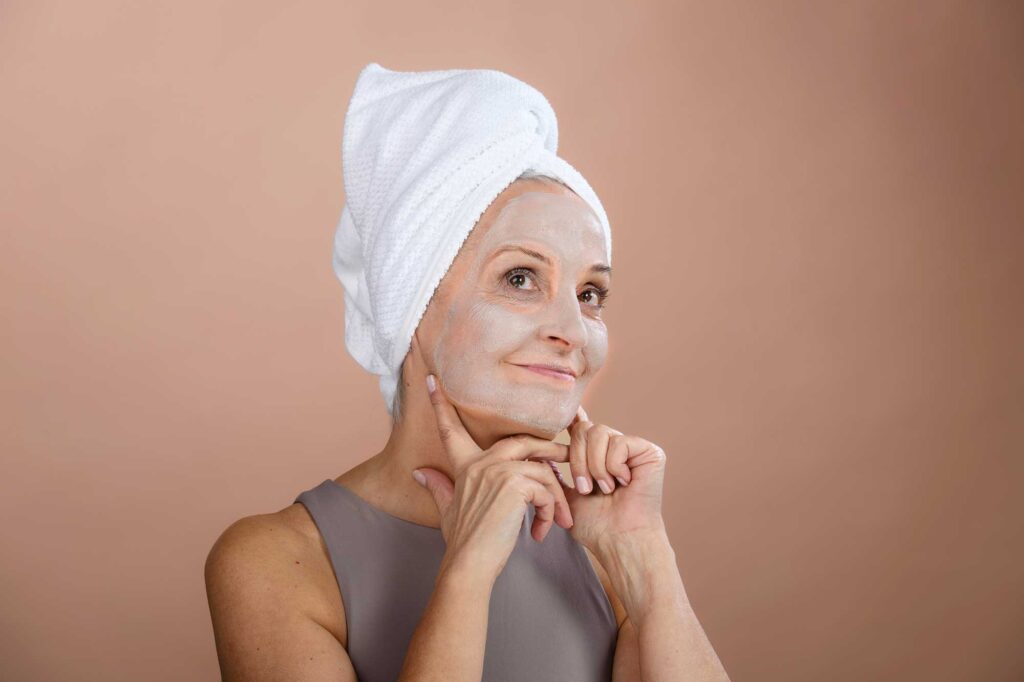
The best anti-aging routine is the one you will actually follow, not the twelve step regimen you saw online and abandoned by week two. If you are new to weekly exfoliation, start with once a week and watch how your skin responds before considering twice. Apply on skin that is clean and dry, follow the product’s specific timing, and always finish with a hydrating step afterward, since freshly exfoliated skin tends to be more receptive to moisture. Morning or evening both work, choose whichever slot you are least likely to skip.
Pay attention to how your skin feels the next day, not just the same evening. Mild, temporary pinkness immediately after is common and usually settles within an hour, but if your skin feels tight, raw, or unusually sensitive the following morning, that is a sign to space out your sessions or scale back. Your skin will tell you what it needs if you are willing to listen, and that feedback is more reliable than any fixed schedule a magazine or a routine chart can hand you. Small, sustainable habits, repeated patiently, tend to outperform dramatic short-lived efforts every single time.
Frequently Asked Questions
How often should I exfoliate if I am over forty-five?
Most people in this age range do well with exfoliating once or twice a week. Twice weekly works for many, but if your skin feels tight, red, or sensitive afterward, scale back to once a week and let your skin’s reaction guide the pace.
Can exfoliation actually reduce the appearance of fine lines?
Exfoliation cannot change the structure of a wrinkle, but it can improve how light reflects off the skin’s surface by clearing away dull, uneven buildup. Smoother texture often makes fine lines look softer, even though the lines themselves have not physically changed.
Is enzyme exfoliation gentler than acid-based exfoliation?
Enzyme exfoliants work by breaking down the protein bonds that hold dead skin cells together, which tends to be a gentler mechanism than acid based exfoliants that rely on adjusting the skin’s surface pH. Many people with mature or reactive skin find enzymes more comfortable for regular use.
Should I exfoliate before or after cleansing?
Exfoliate after cleansing, on skin that is clean and free of makeup or debris. This allows the exfoliant to work directly on the skin’s surface rather than through a layer of residue.
What should I apply after exfoliating?
Follow up with a hydrating toner or mist and then a moisturizer or serum suited to your skin’s needs. Freshly exfoliated skin tends to absorb the following products more readily, so this is a good moment to layer on whatever your routine calls for next.
Can I exfoliate if I have sensitive skin?
Yes, but choose a gentle, enzyme-based formula and start with once a week rather than twice. Watch how your skin responds over the first few weeks and adjust frequency based on comfort rather than a fixed rule and stop if you notice ongoing redness or tightness that lasts more than a few hours.
Does exfoliation help other anti-aging products work better?
It can. Clearing away the buildup of dead cells on the surface gives serums and creams a smoother, more receptive surface to absorb into, so many people notice their other products seem to perform a little better once regular exfoliation becomes part of the routine. This is less about the exfoliant itself and more about removing the barrier that was standing between your skin and everything else you apply.