
Ingredients, Reviva Labs, Skin Care
The Real Reason Your Skin Feels Wrecked After a Long Flight
Jul
I used to think it was just me. Every long flight, I would land feeling like my face had been left out in the wind for six hours, tight around the cheeks, flaky at the jawline, lips already peeling before I even reached baggage claim. It turns out this reaction is not a personal skin failing, it is basic physics. The air moving through a pressurized cabin at cruise altitude is some of the driest air a human body will ever sit inside for hours at a stretch, and your skin, lips, and eyes all feel it before your brain even registers thirst. Once I understood what was actually happening up there, the fix stopped feeling complicated and started feeling like a short, repeatable routine. None of it requires an elaborate ritual or a suitcase full of products, just a clear picture of what a flight actually does to skin and a handful of steps timed to match it. That is the part most travel advice skips, focusing on what to pack instead of when and why to use it.
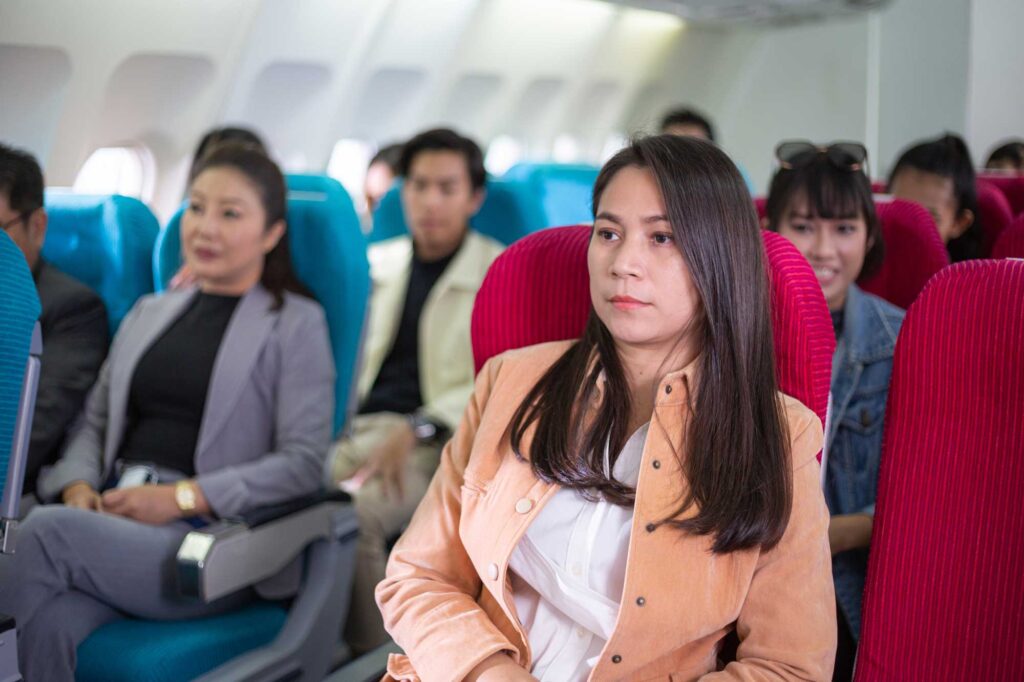
The Air Up There Is Drier Than You Think
A review of aircraft cabin environments compiled for the National Academies found that the outside air pumped into a pressurized cabin at cruise altitude carries almost no moisture, and the constant flow needed to keep the cabin fresh typically holds relative humidity between 10 and 20 percent. For comparison, most home comfort guidelines aim for something closer to 30 to 50 percent. That gap is not small, and it is not something a window seat or a good pair of headphones can fix.
The reason cabins run this dry has nothing to do with passenger comfort and everything to do with where the air comes from. At cruising altitude the outside air is pulled in, compressed, and cooled before it circulates through the cabin, and that process strips out nearly all of its natural moisture. Airlines could humidify that air further, but doing so raises concerns about corrosion inside older aircraft frames, so most carriers hold humidity low by design rather than by accident.
For your body, that low humidity means water is leaving your skin and your respiratory tract faster than it normally would on the ground. Your skin barrier, the outermost layer that normally holds moisture in, starts losing water to the surrounding air through a process dermatologists call transepidermal water loss. On a six or eight hour flight, that steady pull adds up, and it explains why so many travelers land looking noticeably more tired than when they boarded. Shorter regional flights are not immune either, since even a two hour hop at cruise altitude puts skin in the same low humidity environment, just for less time. The difference between a short flight and a long one is really a difference in degree rather than kind, which is why even frequent short haul travelers notice their skin reacting over time.
What Dry Cabin Air Does to Your Skin, Lips, and Eyes
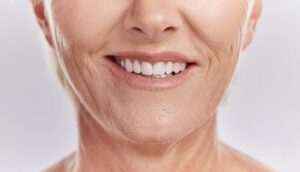
Skin is not the only casualty of a dry cabin, but it is often the most visible one. As moisture leaves the outer layer of skin, the barrier becomes less flexible and less able to defend itself against friction from a seatback or a scratchy blanket. Fine lines around the eyes and mouth can look more pronounced simply because the skin has lost some of its natural plumpness, not because anything has actually changed structurally in a few hours. This is a temporary, moisture related effect, and it tends to bounce back once hydration is restored.
Lips are especially exposed because they have no oil glands of their own and a much thinner outer layer than the rest of the face. Without a protective layer of natural oil, lips lose water to dry cabin air faster than almost any other part of the body, which is why so many people reach for lip balm within the first hour of a flight without even thinking about it. Left unaddressed, that dryness can progress from mild tightness to visible flaking and cracking by the time the plane starts its descent. Licking dry lips instinctively during a flight tends to make the problem worse rather than better, since saliva evaporates quickly and leaves lips even drier than before, which is why a proper balm or treatment works so much better than the habit most people reach for without thinking.
The eye area tells a similar story. The skin around the eyes is thinner than skin almost anywhere else on the face, so it shows dehydration and fatigue earlier and more obviously than a cheek or forehead would. Combined with hours of sitting upright, minimal blinking while staring at a screen, and cabin pressure changes, the under eye area often looks the most visibly tired part of the face by the time a long flight ends.

Prepping Before You Even Reach the Gate
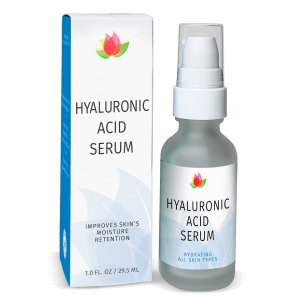
The most effective hydration strategy for flying starts well before boarding, not somewhere over the ocean. Applying a hydrating serum in the hour or two before you leave for the airport gives your skin a head start, since a well formulated hyaluronic acid serum can draw and hold water in the skin before cabin air ever gets a chance to pull it back out. Reviva Labs’ Hyaluronic Acid Serum is designed to do exactly that, delivering hydration through a simple pump application rather than a messy dropper, which makes it easy to use quickly in an airport bathroom or hotel room before an early flight.
Pre-flight prep is also the smartest time to give tired eyes a boost, since it is much easier to sit still with a treatment on for fifteen minutes in a lounge chair than it is in a middle seat. Reviva’s Collagen-Fibre Eye Pads work well in this window, applied while you are still on the ground and finishing a coffee or waiting to board, giving the under eye area a concentrated dose of hydration before the cabin air even becomes a factor. Treat it the way you would treat stretching before a run, a small investment of time that pays off for the next several hours.
Skipping this step is the single most common mistake I see people make when they travel. Most travelers wait until they already feel dry mid flight to reach for anything, and by that point they are trying to rehydrate skin that has already been losing moisture for an hour or more. Building even a five minute pre-flight skin routine into your airport arrival habits, right alongside charging your phone and grabbing water, makes the rest of the flight noticeably easier on your skin.
What to Pack in Your Skin Carry-On
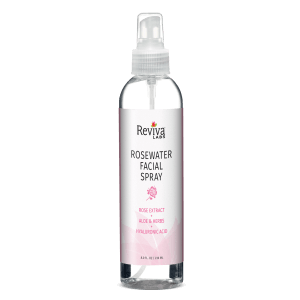
Once you are in the air, the goal shifts from prevention to maintenance, and that calls for a different kind of product than what you used before boarding. A facial mist is one of the easiest ways to reintroduce moisture to the skin’s surface without disrupting makeup or requiring a trip to the lavatory. Reviva’s Rosewater Facial Spray fits easily in a carry-on bag within the standard liquid limits, and a few light mists over the face every couple of hours can meaningfully offset the steady water loss happening in the background.
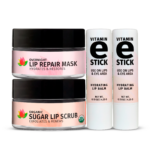
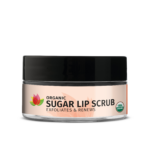
Lips need attention throughout the flight as well, not just once. A layered approach tends to work better than a single balm application, which is where a lip kit built around preparation, treatment, and protection earns its place in a travel bag. Reviva’s Renew and Repair Lip Care Kit (208) covers that full sequence, from gentle exfoliation to an intensive overnight style repair treatment, and packing the full kit rather than a single balm means lips are getting real care rather than a quick temporary fix.
The key to making any of this work mid-flight is keeping the routine small enough that you will actually follow through with it. Nobody wants to unpack a full skincare regimen in a coach seat, so the goal is two or three products, applied quickly, on a schedule you can remember without setting an alarm. A light mist after the drink service, a lip treatment before you try to sleep, and a reapplication before landing covers most of what a long flight throws at your skin.

Building a Habit You Will Actually Keep at 35000 Feet
Consistency matters more than intensity when it comes to in-flight skin care. Misting your face once at takeoff and forgetting about it for the next six hours will do far less than smaller, more frequent applications spaced throughout the flight. Setting a mental cue, such as reapplying every time a meal or beverage service comes through the cabin, keeps the habit realistic without requiring you to watch the clock.
Layering also matters more than people expect. A hydrating mist works best when it has something to seal moisture into, so applying it over a serum rather than on bare, already dry skin tends to produce better results by the time you land. This is part of why starting with a hydrating serum before boarding pays off hours later, since it gives later mist applications something to actually hold onto.
It also helps to accept that no single product is going to undo hours of cabin air entirely on its own, and that is fine. The goal of an in-flight routine is not perfect skin at cruising altitude, it is arriving in noticeably better condition than you would have without any routine at all, and that is a realistic bar that a few well chosen products can clear. Travelers who fly frequently for work often find it helpful to keep a dedicated small bag packed with these items at all times, rather than assembling one before every trip, since decision fatigue at the airport is real and a pre-packed kit removes one more thing to think about before a flight. Even seasoned flyers who think they have their routine down tend to skip steps when they are rushing through security, so removing friction wherever possible makes the habit more likely to stick.
Landing, Layover, and the First Hour Off the Plane
What you do in the first hour after landing matters almost as much as what you did during the flight itself. Skin that has spent hours losing water needs a real replenishing step once you are off the plane, not just a splash of water in an airport bathroom. Reapplying a hydrating serum shortly after landing, followed by a richer moisturizer if your destination climate calls for it, helps restore the barrier function that dry cabin air spent the flight wearing down.
Drinking water matters here too, though it works differently than topical hydration. Water you drink supports overall hydration and organ function, but it does not directly resupply moisture to the outer layer of skin the way a topical product does, so the two approaches work best together rather than as substitutes for one another. If you have a layover before a connecting flight, that window is a good time to repeat your pre-flight routine rather than waiting until the very last minute before your next boarding call.
For anyone flying multiple long legs back to back, treating each takeoff like a fresh start for your skin routine tends to produce the best results by the time you reach your final destination. The cumulative effect of dry cabin air across two or three flights is real, and resetting your hydration habits at each gate rather than assuming yesterday’s routine still holds gives your skin the best chance of arriving looking like itself. It is worth remembering that jet lag, disrupted sleep, and changes in climate at your destination all compound with the effects of cabin air, so skin that looks a little rough after a long travel day is responding to several factors at once, not just the flight itself. Giving your routine a day or two to catch up once you have landed is often more realistic than expecting an immediate bounce back the moment you step off the plane.
Frequently Asked Questions
Why does my skin feel so much drier on a plane than anywhere else?
Cabin air at cruise altitude typically sits between 10 and 20 percent relative humidity, well below what most homes and offices maintain, and that dry air pulls moisture out of skin faster than normal.
Does drinking water on a flight actually help my skin?
Drinking water supports your body’s overall hydration, but it does not replace topical hydration for your skin’s outer layer, so pairing water intake with a hydrating serum or mist gives better results than either approach alone.
How often should I reapply a facial mist during a long flight?
Reapplying every one to two hours, or timing it around meal and beverage service, tends to work better than one heavy application at takeoff followed by nothing for the rest of the flight.
Can I bring skincare products through airport security?
Most facial mists, serums, and lip treatments in travel sizes fall within standard carry-on liquid limits, so packing a small hydrating kit is generally straightforward as long as containers meet your departure country’s size restrictions.
Why do my lips crack more on flights than on a normal dry day?
Lips lack oil glands and have a much thinner outer layer than facial skin, so they lose moisture to dry air faster, and cabin humidity levels are often lower than even a dry winter day at ground level.
Is it better to do a full skincare routine before boarding or during the flight?
A short routine before boarding gives your skin a head start, since hydrating products need a little time to absorb, and then lighter maintenance during the flight helps sustain that hydration rather than trying to build it from nothing mid-flight.
References and Sources
- National Academies Press, “The Airliner Cabin Environment and the Health of Passengers and Crew,” Environmental Control chapter, National Academies Bookshelf. https://www.ncbi.nlm.nih.gov/books/NBK207472/