By the time most people reach their mid-thirties, they have already lost roughly one percent of their skin’s collagen supply every year since their mid-twenties. That steady decline quietly reshapes the face, softening its contours, deepening lines around the mouth, and making the skin feel less resilient to the touch. The good news is that decades of dermatological research have given us a clear picture of which ingredients actually slow, and in some cases visibly reverse, these changes. The challenge is sorting through the noise to find the ones that genuinely perform.
At Reviva Labs, a natural skincare brand with over 50+ years of formulating experience, ingredient selection is never taken lightly. The team has spent more than five decades studying what works, eliminating what does not, and building formulas around ingredients with proven, real-world efficacy. What follows is a straight-talking guide to seven of the most powerful anti-aging ingredients available today, explained through the lens of the experts who have used them longest.
Why Ingredient Knowledge Changes Everything
Walking into a health food store or browsing an online skincare retailer can feel like navigating a foreign language. Labels are crowded with Latin plant names, chemical compounds, and marketing claims that promise the moon. Without a working knowledge of what those ingredients actually do, it is nearly impossible to make a smart purchasing decision. The person who understands even the basics of active ingredient science is immediately at an advantage, and that knowledge translates directly into better skin outcomes over time.
Natural skincare, in particular, has matured significantly over the past two decades. The early assumption that natural ingredients were milder and therefore less effective has been thoroughly dismantled by clinical research. Ingredients derived from plants, fermentation, and marine organisms are now routinely outperforming their synthetic counterparts in peer-reviewed studies. Reviva Labs has built its entire philosophy around this principle, combining nature-sourced ingredients with formulation science to create products that produce visible, measurable results without parabens, phthalates, sulfates, mineral oil, or petroleum.
The seven ingredients below are not trends. They are the workhorses of serious anti-aging skincare, each one backed by research and decades of real-world use. Some you will recognize immediately. Others may be new to you. All of them deserve a spot in your routine.
1. Peptides: The Skin’s Internal Messaging System
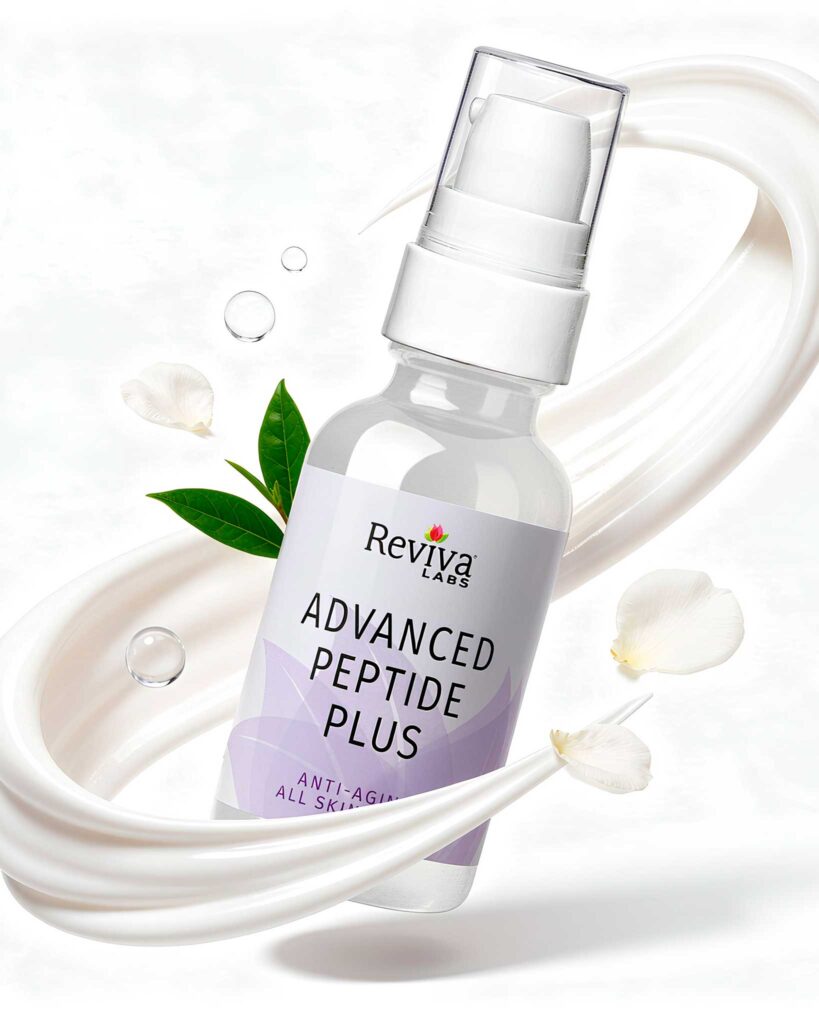
Peptides are short chains of amino acids, and they function as signaling molecules that tell your skin cells to behave in specific, beneficial ways. When applied topically, certain peptides instruct the skin to produce more collagen, while others relax facial muscle contractions that cause expression lines. This dual action makes them uniquely versatile in anti-aging skincare. Unlike ingredients that simply sit on the surface of the skin, high-quality peptides have been shown to penetrate the epidermis and initiate changes at the cellular level.
Argireline, also known as Acetyl Hexapeptide-3, is one of the most studied peptides in cosmetic science. It works by inhibiting the neurotransmitter signals that cause facial muscles to contract repeatedly, which is the same mechanism responsible for dynamic wrinkles. Matrixyl, or Palmitoyl Pentapeptide-4, takes a different approach by stimulating collagen synthesis directly in the dermis. Syn-Ake, a peptide inspired by temple viper venom, relaxes muscle tension in a targeted way. When these peptides are combined in a single formula, as Reviva Labs does in its Multi-Peptide Complex, the effect is significantly more powerful than any single peptide working alone.
A study published in the International Journal of Cosmetic Science confirmed that palmitoyl pentapeptide-4 significantly increased collagen synthesis and improved skin texture after consistent application, with measurable results appearing within four to eight weeks of regular use. Peptides require patience, but they reward it. Their cumulative effect on fine lines, firmness, and overall skin quality is among the most reliable in anti-aging science.
2. Hyaluronic Acid: Nature’s Most Effective Hydrator
Hyaluronic acid is a molecule that occurs naturally in the human body, particularly in connective tissue and the extracellular matrix of the skin. Its extraordinary ability to hold up to 1,000 times its own weight in water makes it the most potent hydrating ingredient available in skincare today. As we age, natural hyaluronic acid levels in the skin decline, which is one reason mature skin appears thinner, drier, and more prone to fine lines. Replenishing that moisture reservoir topically produces an immediate plumping effect and supports the skin’s long-term structural integrity.
What many people do not realize is that hyaluronic acid molecules come in different sizes, and molecular weight determines how deep each fraction penetrates. High-molecular-weight hyaluronic acid creates a moisture film on the skin’s surface, reducing transepidermal water loss. Low-molecular-weight fragments are small enough to reach deeper layers, where they interact with tissue proteins and provide structural hydration from within. The most effective formulations use both fractions together to address hydration at every depth.
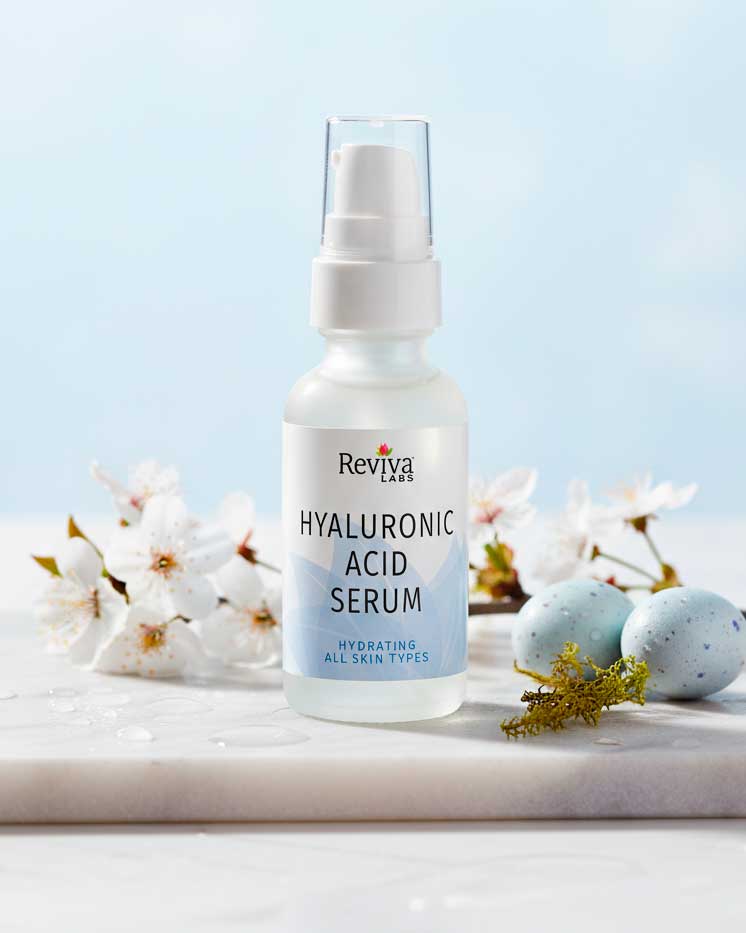
Reviva Labs’ Hyaluronic Acid Serum delivers this ingredient in a clean, straightforward formula alongside aloe vera and green tea extract. Applied consistently, hyaluronic acid reduces the appearance of fine lines associated with dehydration, improves skin elasticity, and gives the complexion a noticeably more supple, plump quality. It works well on its own and enhances the efficacy of every other active ingredient applied on top of it, making it a foundational step in any anti-aging routine.
3. DMAE: The Firming Ingredient Dermatologists Trust
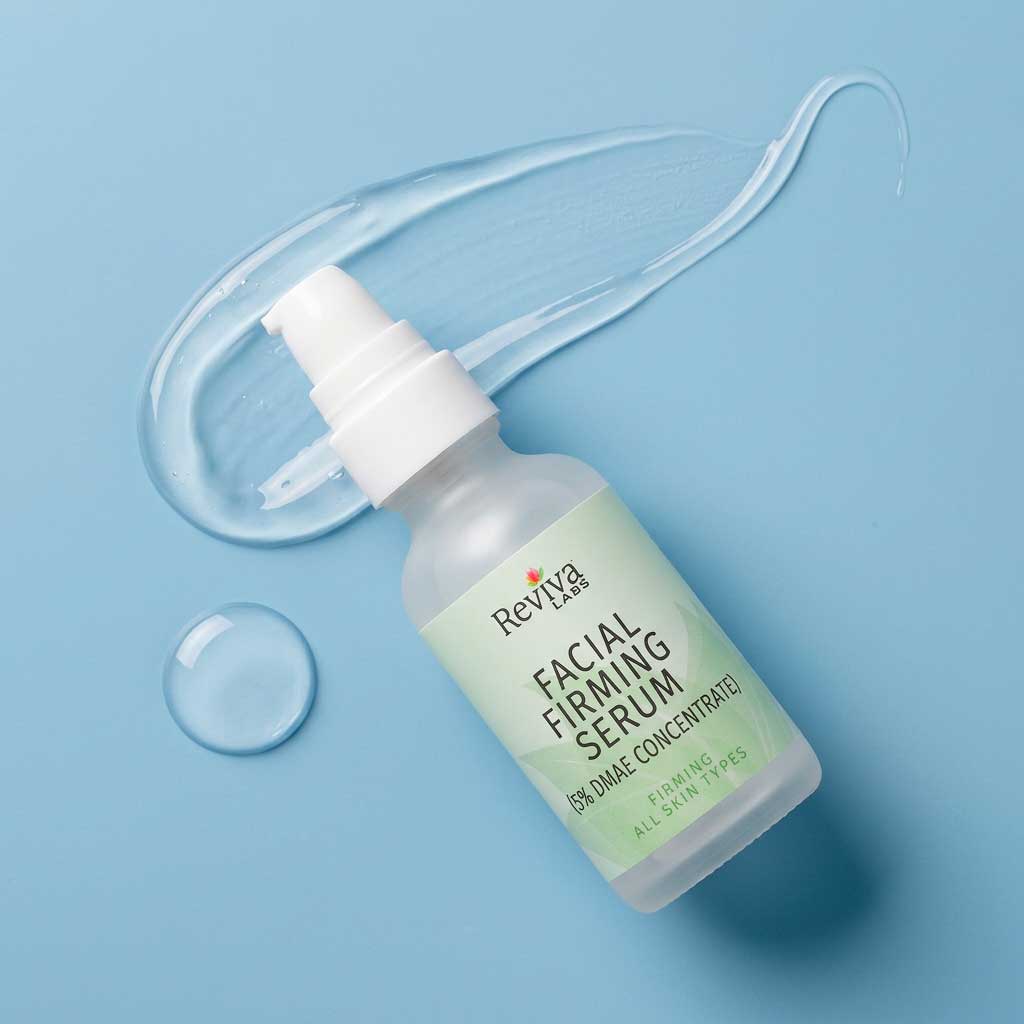
DMAE, or dimethylaminoethanol, is a compound that occurs naturally in small amounts in the human brain and in fatty fish such as wild salmon. In skincare, it has earned a reputation as one of the most effective topical firming agents available without a prescription. Its primary mechanism involves strengthening the acetylcholine signaling pathway, which improves muscle tone and supports the structural scaffold that keeps skin looking lifted and firm. For people dealing with visible laxity in the jaw, throat, and cheek areas, DMAE delivers results that are difficult to match with most other ingredients.
Reviva Labs has worked with DMAE for decades and offers it in notably higher concentrations than most brands dare to. The 5% DMAE Serum Concentrate is formulated specifically for areas prone to slackening, including the throat and jawline. Many topical products marketed as firming contain just 0.5% to 1% DMAE, making Reviva’s concentration a genuinely significant formulation choice. The difference in visible lift and tone at higher concentrations is notable, particularly for skin that has started to lose its natural tension.
DMAE pairs particularly well with alpha lipoic acid and vitamin C ester, a combination that Reviva Labs has used to great effect in several of its firming formulas. The alpha lipoic acid provides antioxidant protection and enhances cellular energy production, while the vitamin C ester supports collagen synthesis and brightens the complexion simultaneously. Together, they form a triple-action anti-aging complex that addresses firmness, oxidative damage, and uneven tone in a single application.
4. Glycolic Acid: The Gold Standard in Chemical Exfoliation
Glycolic acid is the smallest of the alpha hydroxy acids, a property that allows it to penetrate the skin more deeply and more efficiently than other AHAs. It works by breaking the bonds that hold dead skin cells together on the surface, accelerating natural cell turnover and revealing fresher, more radiant skin underneath. This exfoliation effect is responsible for its well-documented ability to improve skin texture, fade discoloration, reduce the appearance of fine lines, and even stimulate collagen production in the dermis with consistent long-term use.
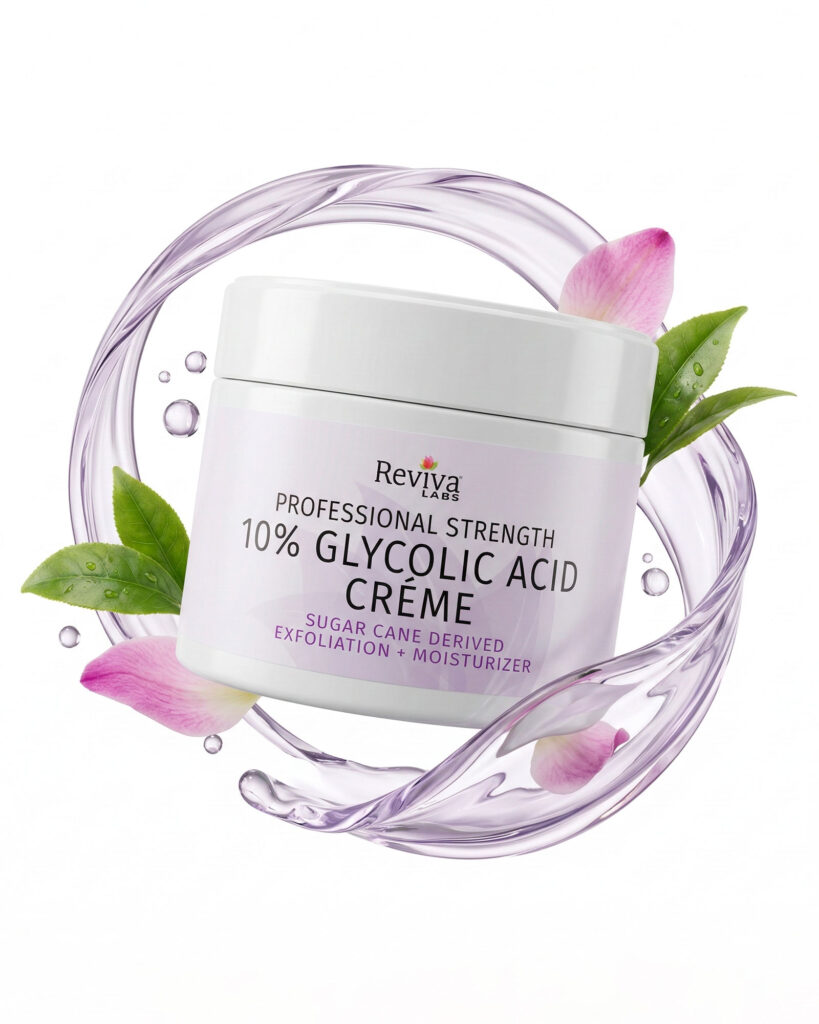
Concentration matters enormously with glycolic acid. At lower concentrations, around five to ten percent, it is effective for daily use and appropriate for most skin types. At higher concentrations, it is the basis for professional chemical peels. Reviva Labs’ 10% Glycolic Acid Cream sits at the sweet spot for consistent home use, providing meaningful exfoliation and hydration benefits without the irritation associated with higher-strength formulations. It also improves the absorption of other active ingredients, making it a smart first step in a layered anti-aging regimen.
For people new to glycolic acid, starting every other day and building up to daily use is a sensible approach. The skin typically adjusts within two to four weeks, at which point the benefits become clearly visible in the form of a more even tone, smoother texture, and reduced appearance of fine lines. Sunscreen use during the day is essential when using any AHA, as the exfoliation process makes skin temporarily more sensitive to UV exposure.
5. Vitamin C: The Antioxidant Powerhouse That Does It All
Vitamin C has been one of the most studied active ingredients in skincare for good reason. It functions simultaneously as a potent antioxidant, a collagen synthesis cofactor, and a melanin production inhibitor, which means it addresses three of the most visible signs of aging in a single ingredient. Free radicals generated by sun exposure, air pollution, and normal metabolic processes are a primary driver of collagen breakdown. Vitamin C neutralizes those free radicals before they can damage skin proteins and DNA, acting as a shield against the cumulative environmental damage that accelerates visible aging.
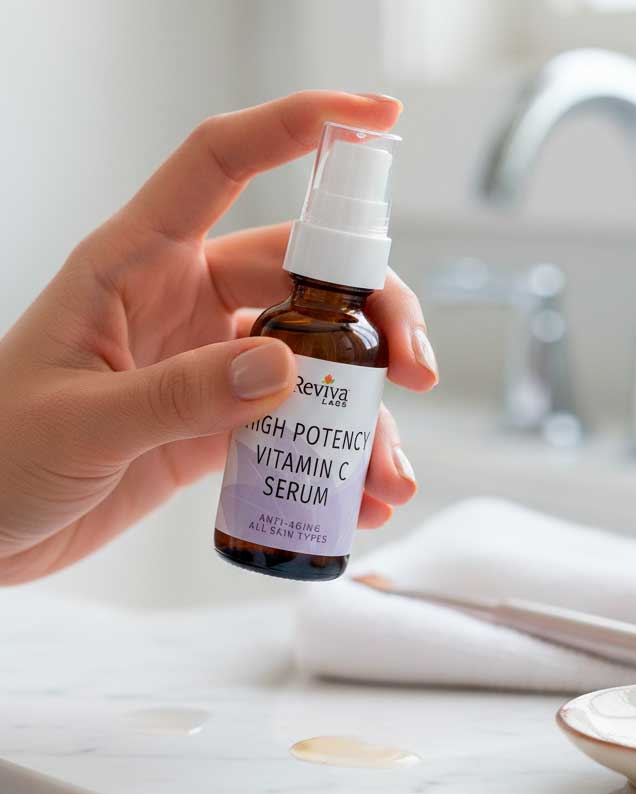
Not all forms of vitamin C are equally effective or equally stable in a formula. Pure ascorbic acid is highly potent but oxidizes quickly upon exposure to air and light, which causes it to lose efficacy and turn products yellow or brown. Stabilized derivatives such as Magnesium Ascorbyl Phosphate and Aminopropyl Ascorbyl Phosphate remain active far longer without degrading, making them the preferred choice in professionally formulated products. Reviva Labs uses these stable forms across multiple products, including the High Potency Vitamin C Serum, which blends three different vitamin C forms for a layered brightening and protective effect.
Clinical research consistently shows that topical vitamin C improves the appearance of photoaged skin, reduces hyperpigmentation, and brightens overall complexion tone with continued use. A randomized, double-blind, vehicle-controlled study published in Experimental Dermatology found that topical vitamin C application significantly improved photoaged skin appearance and collagen density over a 12-week period. Applied in the morning under sunscreen, vitamin C provides meaningful protection against daily environmental stressors while simultaneously working to correct existing damage.
6. Niacinamide: The Multi-Tasker That Works for Every Skin Type
Niacinamide, a form of vitamin B3, has earned serious scientific credibility for its remarkably broad range of benefits. It strengthens the skin’s natural barrier by increasing ceramide and fatty acid production, reduces the appearance of enlarged pores, diminishes the look of uneven skin tone, and has been shown to reduce the transfer of melanin to skin cells, making it an effective ingredient for fading dark spots and post-inflammatory discoloration. For maturing skin specifically, niacinamide also supports collagen synthesis, making it both a corrective and preventive ingredient.
One of niacinamide’s most underappreciated qualities is its tolerability. It is well-suited to sensitive and reactive skin types that cannot tolerate stronger actives like retinol or high-concentration acids. It does not photosensitize the skin, which means it can be used safely morning and night. It also layers well with virtually every other active ingredient, and in several cases enhances their efficacy when used together. For people managing both aging concerns and skin sensitivity, niacinamide is often the most practical, all-around effective choice available.
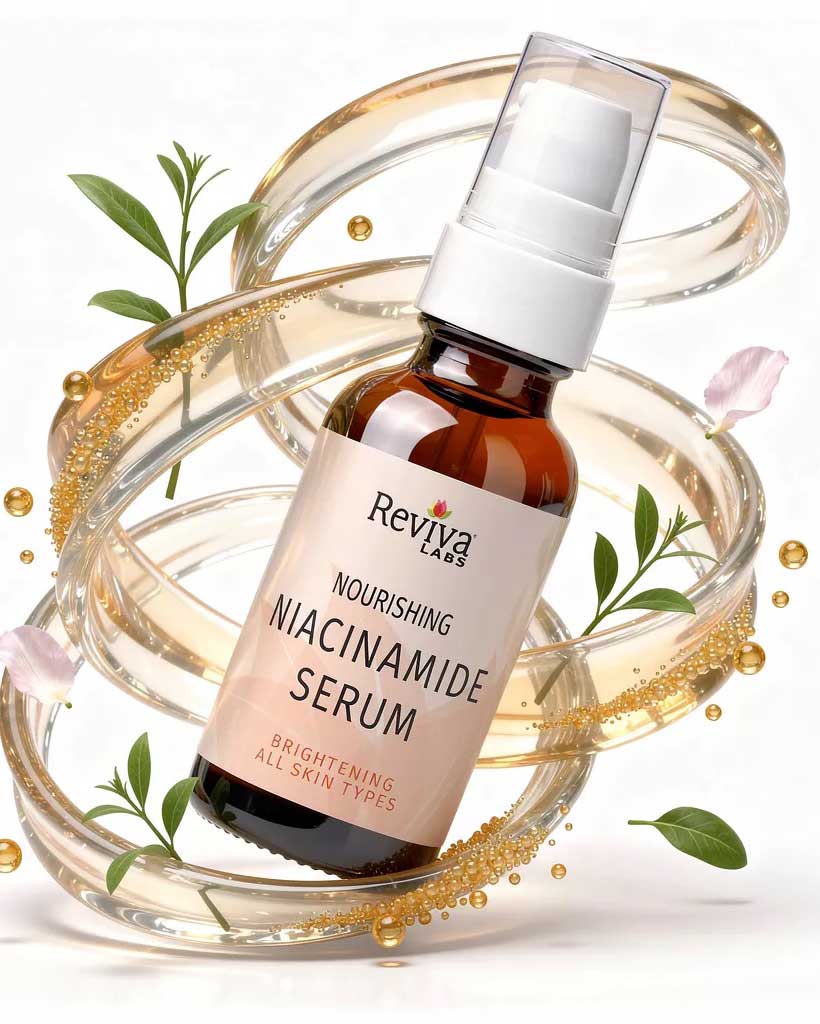
Reviva Labs’ Nourishing Niacinamide Serum combines this ingredient with avocado oil, aloe vera, hyaluronic acid, and neem seed oil for a formula designed to balance, hydrate, and refine the skin simultaneously. Within three to four weeks of consistent use, most users report visibly reduced pore size, more even skin tone, and a softer, more luminous complexion. It is one of the most versatile additions a person can make to their anti-aging routine.
7. Bakuchiol: The Natural Retinol Alternative That Delivers Results Without the Drawbacks
Retinol has long been considered the gold standard in anti-aging skincare, but it comes with significant limitations. It causes photosensitivity, making daytime use inadvisable without strict sun protection. It frequently causes irritation, dryness, and peeling during the adaptation phase, particularly on sensitive skin. And it is not suitable for use during pregnancy, which eliminates it as an option for a significant portion of the population. Bakuchiol, a natural compound derived from the seeds and leaves of the Babchi plant, has emerged as a genuine, plant-based alternative that addresses all of these limitations while delivering comparable results.
A landmark double-blind, randomized study published in the British Journal of Dermatology in 2018 compared bakuchiol directly to retinol in a controlled clinical setting. The study found that bakuchiol produced statistically equivalent improvements in fine lines, wrinkles, pigmentation, elasticity, and overall skin firmness, with significantly less skin irritation. That kind of clinical head-to-head data is rare in cosmetic ingredient science, and it gave bakuchiol immediate credibility among formulators and dermatologists.
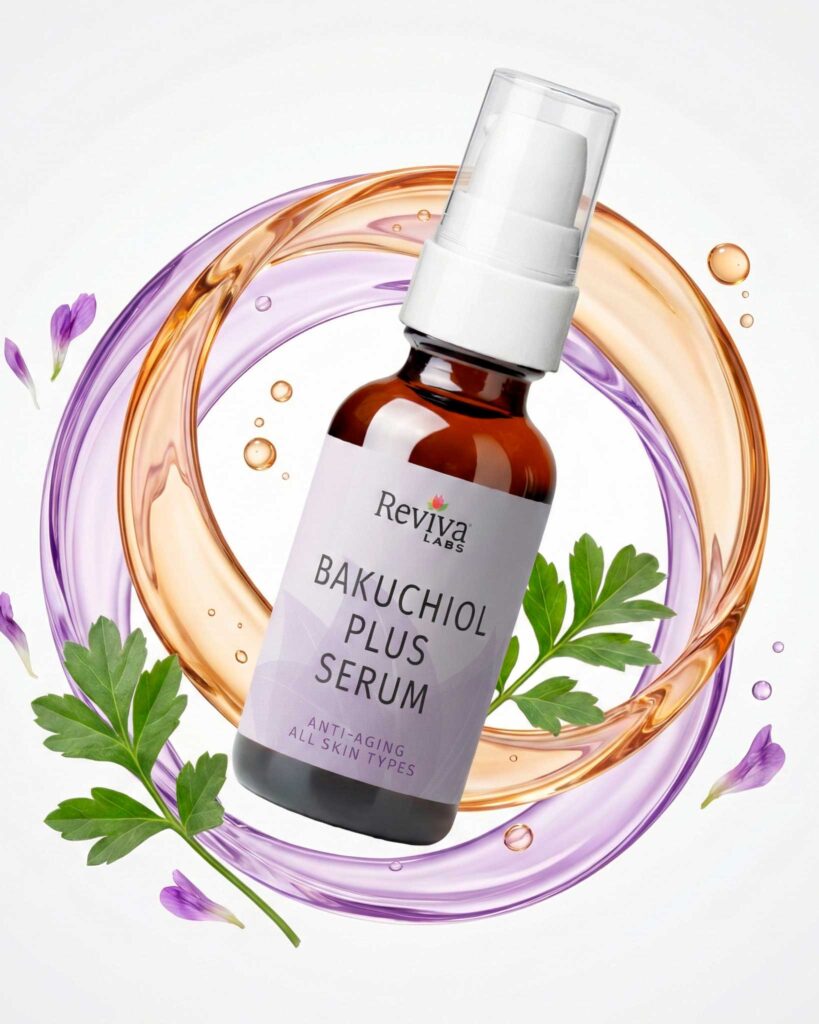
Unlike retinol, bakuchiol is stable in the presence of light and heat, which means it can be used in both morning and evening routines without concern. It does not cause photosensitivity, does not require an adaptation period, and is tolerated well by even reactive skin types. Reviva Labs’ Bakuchiol Plus Serum combines this plant-based retinol alternative with alfalfa leaf extract and artichoke leaf extract, creating a multi-pronged anti-aging serum that addresses fine lines, skin elasticity, and overall complexion quality in every use.
Building a Routine That Actually Works
Knowing which ingredients are effective is only half the equation. How they are layered, sequenced, and paired is what separates a good routine from a genuinely transformative one. As a general principle, products should be applied from thinnest to thickest consistency, starting with water-based serums and finishing with creams or moisturizers that lock in what came before. Active ingredients like glycolic acid and vitamin C are most effective when applied to clean skin before heavier emollients.
Consistency is the most important variable of all. Every ingredient on this list requires regular, sustained use to produce its best results. Peptides build collagen reserves over weeks and months. Hyaluronic acid maintains its plumping effect only as long as it is applied regularly. Glycolic acid’s cell-turnover benefits accumulate over time, improving the skin’s overall quality in ways that are not immediately visible but become unmistakable after several months of use. A focused routine using three to five well-chosen products will consistently outperform a complicated regimen of fifteen products used inconsistently.
Reviva Labs has spent over 50+ years formulating around exactly this philosophy. Every product in the lineup is built to work as a standalone treatment and as part of a layered regimen, with ingredients chosen for documented efficacy rather than marketing appeal. The brand’s commitment to clean formulation, without the harmful fillers and synthetic preservatives common in mainstream skincare, means that every active ingredient in the formula has room to do its job effectively.
Frequently Asked Questions
What is the most important anti-aging ingredient for beginners to start with?
Hyaluronic acid is generally the most approachable starting point for someone new to anti-aging skincare. It is universally well-tolerated, produces noticeable results quickly in the form of improved hydration and a plumper appearance, and works synergistically with almost every other active ingredient. Once hyaluronic acid is established in a routine, adding peptides or a stabilized vitamin C product is a logical next step.
Can I use multiple anti-aging ingredients in the same routine?
Yes, but sequencing and concentration matter. Most of the ingredients on this list layer well together. Hyaluronic acid pairs beautifully with peptides, vitamin C, and niacinamide. Glycolic acid should be used at a separate time of day from other strong actives, or on alternating days, to prevent over-exfoliation. Bakuchiol is one of the most compatible anti-aging ingredients available and can be used alongside virtually every other active without risk of interaction or irritation.
How long does it take to see results from anti-aging skincare ingredients?
The timeline varies by ingredient and individual skin type. Hyaluronic acid produces visible plumping effects within hours of application. Vitamin C’s brightening benefits typically become noticeable within four to six weeks. Peptides and glycolic acid require the most patience, with meaningful collagen and texture improvements often appearing after eight to twelve weeks of consistent daily use. Bakuchiol, in the clinical studies available, showed measurable improvements in fine lines and pigmentation within twelve weeks.
Is DMAE safe for long-term use?
DMAE has been used in skincare formulations for decades and has a strong safety record at cosmetically relevant concentrations. It is generally well tolerated, though people with very reactive skin may want to introduce it gradually. Some studies have raised questions about high-dose oral DMAE supplementation, but topical application at concentrations used in skincare formulas does not carry the same concerns. As with any active ingredient, consulting a dermatologist is advisable if you have pre-existing skin conditions.
Can people with sensitive skin use glycolic acid?
Sensitive skin types can use glycolic acid, but the approach requires care. Starting at a lower concentration, around five percent, and applying every other evening rather than daily allows the skin to acclimate without becoming irritated. Using a gentle, non-stripping cleanser and a hydrating moisturizer after application helps offset any dryness. People with rosacea or very reactive skin may find that lactic acid, a gentler AHA with a larger molecular size, is a more comfortable alternative that delivers similar cell-turnover benefits.
Is bakuchiol truly as effective as retinol?
Based on the clinical evidence currently available, bakuchiol produces results that are statistically comparable to retinol for key anti-aging endpoints including fine lines, wrinkles, pigmentation, and skin elasticity. The 2018 British Journal of Dermatology study comparing the two directly found equivalent outcomes with significantly better tolerability for bakuchiol. For people who cannot use retinol due to sensitivity, pregnancy, or a preference for plant-based formulations, bakuchiol represents the most credible alternative that science has yet produced.
Do natural skincare products with these ingredients work as well as prescription options?
For most people seeking visible improvements in skin quality, a well-formulated natural skincare regimen using clinically supported ingredients like peptides, bakuchiol, hyaluronic acid, and niacinamide delivers meaningful, measurable results. Prescription-strength treatments like tretinoin remain the most potent option for accelerating cell turnover, but they also carry the highest risk of side effects. Natural alternatives, particularly at the concentrations used in professional-grade formulations, offer a compelling balance of efficacy and tolerability that suits a wide range of skin types and lifestyles.
References and Sources
Robinson LR, et al. “Topical palmitoyl pentapeptide provides improvement in photoaged human facial skin.” International Journal of Cosmetic Science. 2005;27(3):155-160.
Dhaliwal S, et al. “Prospective, randomized, double-blind assessment of topical bakuchiol and retinol for facial photoageing.” British Journal of Dermatology. 2019;180(2):289-296. https://doi.org/10.1111/bjd.16918
Bissett DL, et al. “Niacinamide: A B vitamin that improves aging facial skin appearance.” Dermatologic Surgery. 2005;31(S1):860-866.
Pavicic T, et al. “Efficacy of cream-based novel formulations of hyaluronic acid of different molecular weights in anti-wrinkle treatment.” Journal of Drugs in Dermatology. 2011;10(9):990-1000.
Green BA, Yu RJ, Van Scott EJ. “Clinical and cosmeceutical uses of hydroxyacids.” Clinics in Dermatology. 2009;27(5):495-501.
Dorothy MacMasterson is a Reviva Labs contributor who shares a thoughtful, experience-driven perspective on skincare. Drawing from real life, she values ingredient clarity, consistency, and products that fit naturally into everyday routines without hype or complication.


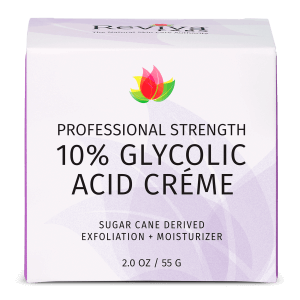 10% Glycolic Acid Créme
1 × $31.90
10% Glycolic Acid Créme
1 × $31.90 INTERCELL™ Hyaluronic Acid Night Gel
Original price was: $18.00.$15.30Current price is: $15.30.
INTERCELL™ Hyaluronic Acid Night Gel
Original price was: $18.00.$15.30Current price is: $15.30. High Potency Vitamin C Serum
$32.00
High Potency Vitamin C Serum
$32.00 3% Glycolic Acid Cleanser
$18.00
3% Glycolic Acid Cleanser
$18.00 4.2% Glycolic Acid Toner
$18.00
4.2% Glycolic Acid Toner
$18.00