
Clean Beauty, Ingredients, Natural, Reviva Labs, Skin Care
Why Organic Sugar Is the Best Ingredient for Lip Exfoliation

Jun
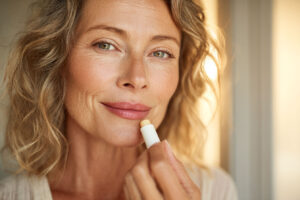
Your lips are wearing the thinnest armor on your entire body. The outer protective layer of the lip, called the stratum corneum, measures only about three to five cell layers deep, while the same layer on your cheeks can stack up to roughly sixteen cells. That single difference explains almost everything about why lips chap, flake, and feel rough so much faster than the skin around them. It also explains why so many people reach for an exfoliant that is simply too aggressive for the job. When the surface you are treating is that delicate, the material doing the work matters more than the act of exfoliating itself, and this is exactly where organic sugar earns its place as the smartest choice for the task.
I have watched plenty of people scrub their lips with whatever happens to be nearby, from coarse salt mixtures to stiff-bristled brushes, and the results are almost always the same. They strip away the flaky surface, sure, but they also leave the lip feeling raw, tight, and somehow drier than before they started. The goal of lip exfoliation is never to sand the surface down to nothing. The goal is to lift away dead, dull buildup gently enough that the living skin underneath stays calm and protected. Organic sugar does this with a grace that few other natural materials can match, and the reasons go well beyond simple tradition or marketing preference.

What Makes Lip Skin So Different
Before any ingredient can be called the best for a job, it helps to know what that job actually demands. Lip skin is structurally unlike the rest of your face in several important ways. It has no oil glands and no sweat glands, which means it cannot produce its own protective film the way cheek or forehead skin can. It also contains far less of the ceramide content that helps skin hold onto water, so moisture escapes more readily and the surface dries out faster. Research published in cosmetic science literature has long described the lip border as having notably poor barrier function and a low natural hydration state compared to neighboring facial skin.
This combination creates a kind of paradox for anyone trying to care for their lips. The area that most needs gentle treatment is also the area most prone to visible roughness and flaking, which tempts people toward harsher fixes. A surface this fragile cannot tolerate jagged or oversized particles dragging across it. Anything with sharp edges risks creating tiny tears in skin that already struggles to defend itself. The right exfoliant has to be firm enough to lift away dead cells yet soft enough that it never damages the vulnerable layer it is meant to refresh. That balance is harder to achieve than it sounds, and most physical exfoliants fail it in one direction or the other.
When you understand how little margin for error lip skin gives you, the choice of exfoliating material stops being a minor detail. It becomes the entire decision. A scrub is only as kind as its grit, and lips punish a poor choice quickly and visibly. This is the lens through which organic sugar should be judged, because it was practically designed by nature for surfaces that demand both effectiveness and restraint.
The Shape of a Sugar Crystal Tells the Story
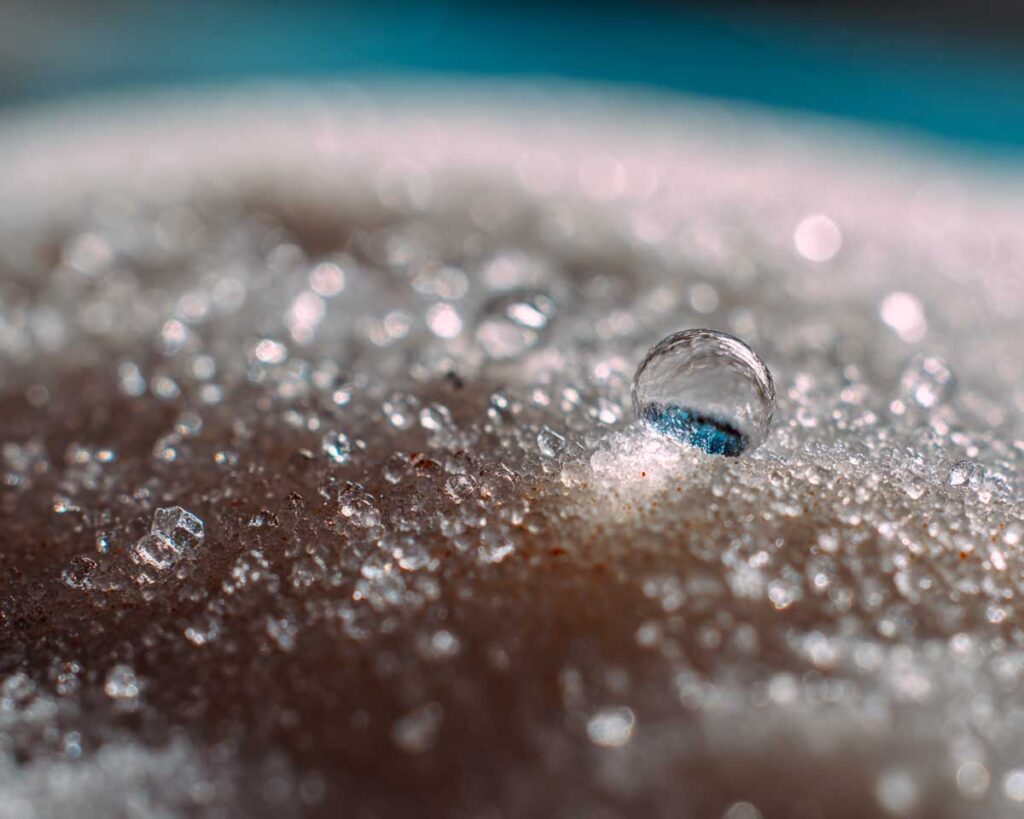
The single most important quality of sugar as an exfoliant is the shape of its crystals. Sugar granules are naturally rounded, with edges that have been softened rather than left sharp. When you compare them to salt, which is the other common natural scrubbing agent, the difference is striking under magnification. Salt crystals tend to be angular and jagged, more like tiny shards, while sugar presents smoother, more uniform surfaces. On thicker body skin, salt can be appropriate, but on the paper-thin surface of the lip, those rounded sugar edges polish away buildup without scraping or tearing. This is the physical foundation of why sugar feels gentle even when it is clearly doing its work.
There is a second structural advantage that sugar carries, and it has to do with how the crystals behave once they touch skin. Sugar is water-soluble, which means it begins to dissolve the moment it meets the moisture on your lips or the warmth of your fingertip. As you massage a sugar scrub across the surface, the crystals gradually break down and shrink. The exfoliation starts at full strength and then naturally tapers off, so the action softens as you continue. Salt does not dissolve nearly as readily, so it keeps its full abrasive force throughout the entire process. With sugar, the experience is self-limiting in the best possible way, and this built-in fade is a quiet safety feature that protects delicate lip skin from overworking.
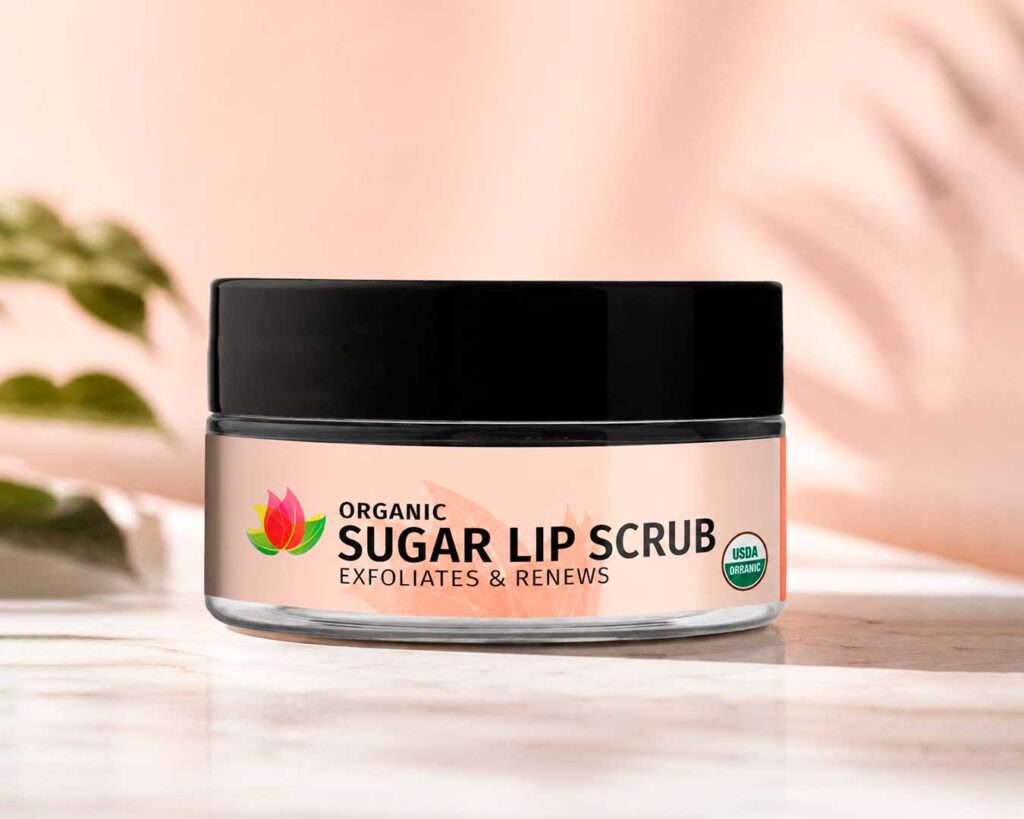
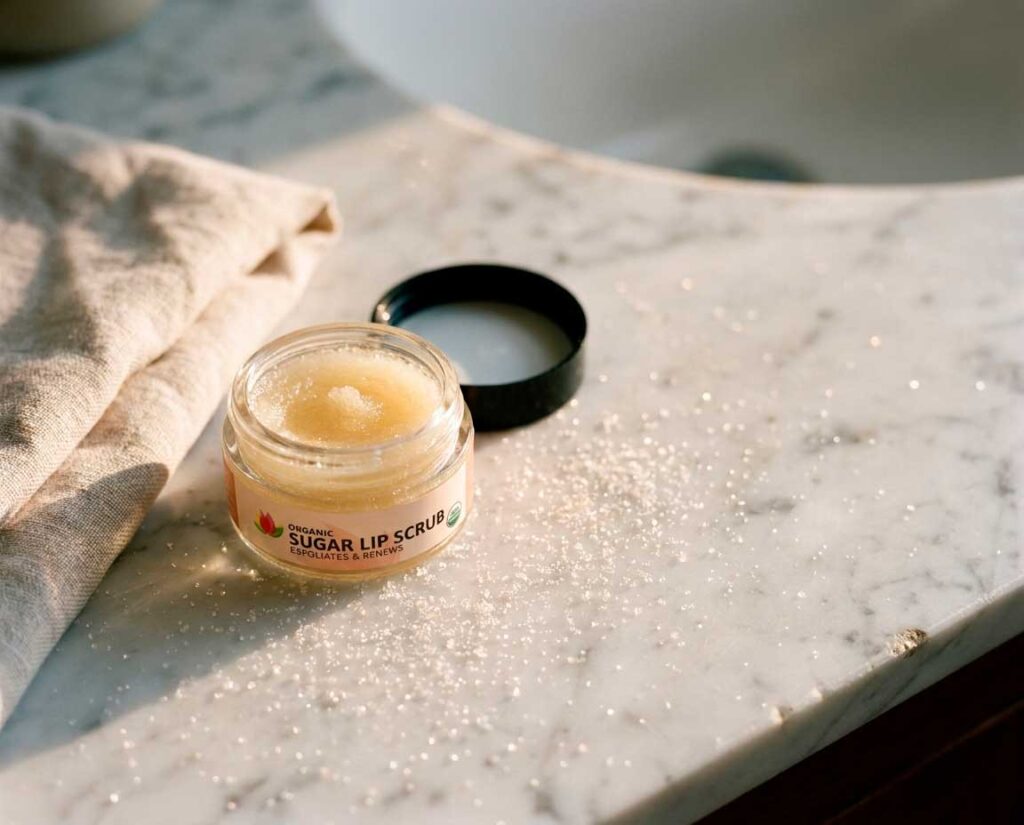
Fineness matters too, and this is where formulation craft comes into play. Coarse, unrefined sugar can still feel rough on lips even with rounded edges, simply because the particles are large. A well-made lip scrub uses finely milled sugar, so the granules are small enough to treat a tiny, sensitive area with precision. The Reviva Labs Organic Sugar Lip Scrub, for example, pairs fine organic sugar with apricot seed powder to polish away dryness while organic oils and beeswax condition and protect, which shows how particle size and supporting ingredients work together rather than relying on the sugar alone. The result is a treatment that smooths and renews lips without the irritation that coarser blends so often cause.
Hydration Built Into the Exfoliation
What truly separates sugar from other physical exfoliants is that it does not stop being useful once the scrubbing is done. Sugar is a natural humectant, meaning it attracts and binds water. While most scrubbing agents are inert and simply provide friction, sugar is actively pulling moisture toward the surface it is treating. For lips that cannot produce their own oils and lose water far too easily, this dual function is genuinely valuable. You are not just removing dead skin and then racing to rehydrate afterward. The exfoliation and the moisture support are happening in the same gentle motion.
This matters because exfoliation always carries a small risk of leaving skin feeling stripped, and that risk is highest on areas with weak barriers. When a scrubbing agent offers nothing back, the freshly exposed skin can feel tight and exposed immediately after use. Sugar softens that transition. Its humectant nature means the surface stays more comfortable through the process, and the new skin revealed underneath is met with hydration rather than dryness. Dermatology-minded skincare guidance increasingly favors gentle sugar-based exfoliation precisely because it combines mechanical smoothing with this natural hydration benefit, which makes it one of the more forgiving options when it is used correctly.
The supporting cast in a quality sugar scrub amplifies this effect even further. Organic plant oils such as jojoba, coconut, and olive cushion the crystals and prevent them from feeling dry or scratchy against the lip. Beeswax helps the skin retain its own moisture and forms a soft, comfortable layer that lingers after rinsing. Vitamin E contributes antioxidant support and additional conditioning. When sugar sits at the center of a formula like this, the exfoliation never feels like an assault. It feels like a treatment, and the lips are left soft, comfortable, and genuinely prepared for whatever comes next in your routine.
Why Gentleness Wins Over Power
There is a stubborn myth in skincare that more aggressive treatment produces better results and nowhere is that idea more dangerous than on the lips. Over-exfoliating lip skin does not make it smoother in any lasting way. It damages the already-thin barrier, triggers irritation, and can actually drive the cycle of dryness and flaking that you were trying to fix in the first place. The skin responds to repeated trauma by becoming more reactive, not more resilient. Power, in this context, is the enemy of the outcome you actually want.
Gentle exfoliation works precisely because it respects the skin’s own renewal process rather than forcing it. Your lips naturally shed dead cells over time, and a soft scrub simply assists that process by clearing away the buildup that has accumulated on the surface. It does not try to peel or strip or accelerate things beyond what the skin can handle. This is why most skincare guidance points toward exfoliating lips only one to two times per week, using a fine, gentle product, rather than scrubbing daily with something harsh. Sugar fits this philosophy perfectly. It is effective enough to make a visible, immediate difference in smoothness, yet mild enough that the recommended gentle cadence is easy to maintain without ever crossing into damage.
The honest truth is that the best exfoliant for a fragile surface is the one that does its job and then gets out of the way without leaving a trace of irritation behind. Sugar earns that description in a way that coarser, sharper, less soluble materials simply cannot. It removes what needs removing, supports moisture while it works, and dissolves cleanly when the job is finished. For lips specifically, where the consequences of harshness show up so quickly, this restraint is not a limitation. It is the entire point.

How to Exfoliate Lips the Right Way
Knowing that sugar is the ideal material is only half the equation. Technique still matters, and a few simple habits make a real difference in the results you see and feel. Start by making sure your lips are slightly damp, since a little moisture helps the sugar glide and begin dissolving on contact. Apply a small amount of the scrub and massage it across the lips using light, circular motions with your fingertip. There is no need to press hard or work for a long time, because the gentle action of fine sugar does the work for you within a short, comfortable window.
After you have buffed the surface for thirty seconds or so, rinse the scrub away or wipe it off with a soft, damp cloth. This is the moment when good lip care really comes together, because freshly exfoliated lips are exceptionally receptive to whatever you apply next. A nourishing balm, an overnight lip treatment, or even your usual lip color will all perform noticeably better on a smooth, prepared surface than on dry, flaky skin. Exfoliation is the preparation step that makes everything that follows more effective, and that sequencing is the difference between products that sit on top of buildup and products that actually reach the skin. Keep the routine to once or twice a week, and let the gentleness of sugar do its quiet, consistent work overtime.
Frequently Asked Questions
How often should I exfoliate my lips with a sugar scrub?
For most people, exfoliating lips one to two times per week is enough to keep the surface smooth without overdoing it. Lip skin is thin and delicate, so daily scrubbing can lead to irritation and dryness rather than improvement. Pay attention to how your lips feel and reduce frequency if they ever seem tender or tight. Consistency at a gentle pace produces far better long-term comfort than aggressive, frequent treatment.
Is sugar really gentler than salt for lip exfoliation?
Yes, and the reason comes down to crystal shape and solubility. Sugar granules have naturally rounded edges, while salt crystals tend to be sharp and angular, which makes salt more likely to cause tiny tears on fragile lip skin. Sugar also dissolves in water as you massage it, so the exfoliating action gradually softens during use. Salt stays abrasive throughout, which is why sugar is the preferred choice for delicate areas like the lips.
Can a sugar lip scrub help with chapped or flaky lips?
A gentle sugar scrub can lift away the dry, flaky buildup that accumulates on the lip surface, leaving lips feeling smoother and more comfortable. It works best as a preparation step, since exfoliating first allows balms and treatments to perform better afterward. If your lips are severely cracked, painful, or broken, it is wise to let them heal before exfoliating. For ordinary dryness and roughness, a fine sugar scrub used gently is well suited to the job.
Does sugar add any benefit beyond exfoliation?
It does. Sugar is a natural humectant, which means it attracts and holds moisture, so it supports hydration even as it polishes away dead skin. This is especially useful for lips, which lack the oil glands that help other areas of the face stay moisturized. The combination of gentle physical exfoliation and natural moisture support is what makes sugar particularly well suited to such a delicate area. Quality formulas pair it with conditioning oils and waxes to enhance that effect.
What should I do right after exfoliating my lips?
Follow exfoliation with a nourishing balm or lip treatment while the surface is freshly smoothed and most receptive. Freshly exfoliated lips absorb and benefit from conditioning ingredients more effectively than dry, built-up skin. This is also the ideal time to apply an overnight lip mask if you use one, since the smooth surface lets the treatment work without flaky buildup in the way. Think of exfoliation as the step that sets up everything else in your lip care routine for success.
References
- Skin Inc. “The Anatomy of Healthy Lips.” https://www.skininc.com/science/physiology/article/22874864/the-anatomy-of-healthy-lips
- Kobayashi H, Tagami H. “Functional properties of the surface of the vermilion border of the lips are distinct from those of the facial skin.” British Journal of Dermatology, 2004. https://pubmed.ncbi.nlm.nih.gov/15030342/
- Tagami H. “Location-related differences in structure and function of the stratum corneum with special emphasis on those of the facial skin.” International Journal of Cosmetic Science, 2008. https://onlinelibrary.wiley.com/doi/10.1111/j.1468-2494.2008.00459.x