Every few months, a new ingredient arrives with the promise of transforming troubled skin. Niacinamide, bakuchiol, peptides, acids – the list is long and the marketing is loud. For people with reactive skin, that noise is more than just overwhelming. It is genuinely dangerous. Adding new actives to an already distressed skin barrier is a bit like renovating a house that is actively on fire. The structure cannot absorb improvements when it is in a state of emergency.
The numbers tell a striking story. A systematic review and meta-analysis published in the Journal of the European Academy of Dermatology and Venereology, analyzing 26 studies across 18 countries and 51,783 individuals, found that 71% of adults self-report having some degree of sensitive skin. That is not a niche concern. It is a near-universal experience, and yet the skincare industry continues to respond to it primarily by offering more products rather than fewer. Reactive skin does not need more to work with. It needs less, and it needs that less to be consistent.
Journal of the European Academy of Dermatology and Venereology, analyzing 26 studies across 18 countries and 51,783 individuals, found that 71% of adults self-report having some degree of sensitive skin.
What Is Happening Inside Reactive Skin
Reactive skin is not simply a personality trait or a preference for gentle products. It has a physiological basis rooted in the skin barrier, specifically in the outermost layer of skin called the stratum corneum. This layer is composed of dead skin cells embedded in a lipid matrix made up of ceramides, cholesterol, and fatty acids. When this structure is intact, it does its job beautifully, keeping moisture in and irritants out. When it is compromised, everything changes.
Research published in Frontiers in Medicine confirms that barrier disruption leads directly to increased susceptibility to infections and dermatological reactions. A compromised barrier loses water faster through a process called transepidermal water loss, or TEWL, which can be measured and quantified. When TEWL increases, skin becomes drier, tighter, and more prone to redness and stinging. The barrier essentially loses its ability to screen what gets in, so both irritants and allergens penetrate more easily, triggering inflammatory responses that feel very much like an allergic reaction even when nothing technically allergenic is present.
The immune system plays a role here too. Studies have shown that inflammation within the skin can directly worsen barrier integrity, creating a feedback loop where a weakened barrier generates more inflammation, and more inflammation further weakens the barrier. Breaking that cycle requires calming the skin down, not adding new variables.
The New Ingredient Trap
Skincare enthusiasts with reactive skin are among the most motivated product researchers out there. They read labels, follow ingredient science, and genuinely want to improve their skin. That motivation, while admirable, often leads them to cycle through products quickly, abandoning one formula after a negative reaction and immediately reaching for something new.
The problem with this pattern is that it prevents the skin from establishing any kind of equilibrium. Every time a new active ingredient is introduced, the skin must process it. For a healthy, intact barrier, that is manageable. For reactive skin, each new introduction is a potential trigger, and even ingredients considered universally gentle can cause problems when the barrier is already compromised. Acids, retinoids, vitamin C derivatives, and certain botanical extracts can all cause stinging, peeling, or redness in reactive skin not because the ingredient is bad but because the skin simply is not ready to receive it.
There is also the issue of ingredient interactions. Most people with reactive skin are using more than one product, and layering multiple actives multiplies the risk of irritation exponentially. Two individually tolerable ingredients can combine on the skin’s surface to create an environment that is too acidic, too occlusive, or too stimulating for a reactive barrier to handle. The skin sends distress signals in the form of flushing, itching, or breakouts, and the person interprets this as a product failure rather than a system failure.
Consistency Is the Active Ingredient
There is a reason dermatologists consistently recommend returning to basics when reactive skin flares. Gentle cleansers, barrier-supporting moisturizers, and sun protection are not exciting. They do not get TikTok engagement. But they are what the skin actually needs when it is in a reactive state, and the research supports it.
A review published in Skin Research and Technology explored the relationships between skin function, barrier properties, and body-dependent factors. The findings reinforce that maintaining the skin’s ability to regulate water loss and resist penetration is foundational to every other aspect of skin health. You cannot treat hyperpigmentation effectively, or build collagen, or reduce pore size, if the barrier is actively struggling. Those treatments become noise to a system that is just trying to survive.
The principle of a calm routine centers on choosing a small number of well-tolerated products and using them consistently for long enough to see results. Most people abandon a routine before the skin has had time to stabilize. The stratum corneum has a natural renewal cycle of roughly 28 days in younger skin, though this slows with age. Real change in barrier function typically requires at least that much time with a consistent, stable approach before anything meaningful can be assessed.
A calm routine also means resisting the urge to address every skin concern at once. Reactive skin rarely has only one issue. There may be redness alongside dryness alongside occasional breakouts alongside uneven tone. Attempting to address all of these simultaneously with targeted actives is a setup for failure. Prioritizing barrier repair first creates the conditions under which every other concern becomes more treatable.
Building a Routine That Reactive Skin Can Actually Tolerate
The architecture of a calm routine for reactive skin follows a simple logic: protect the barrier, reduce inflammation, and maintain hydration. Every product choice should serve one or more of these three goals, and anything that does not should be eliminated until the skin is stable.
Cleansing is where many reactive skin routines go wrong. Harsh surfactants strip the lipid matrix from the stratum corneum, removing the very lipids that hold the barrier together. A gentle cleansing formula that rinses clean without leaving a tight or dry sensation is a non-negotiable starting point. Over-cleansing is also a significant contributor to reactive skin flares, and many people with sensitive skin benefit from washing their face only once a day rather than twice, using only water in the morning.
Moisturization is the cornerstone of barrier repair. Research published in the journal Skin Research and Technology confirms that humectants draw water into the skin, emollients fill gaps in the lipid barrier, and occlusives slow water loss at the surface. The most effective moisturizers for reactive skin contain combinations of these three functional types. Ingredients like fatty acids and plant-based oils that mimic the skin’s own lipid structure are particularly well-suited to reactive skin because they support barrier repair without introducing foreign chemicals that require processing.
Sun protection is the final and often skipped element. UV radiation damages the skin barrier directly, degrades lipids in the stratum corneum, and triggers inflammatory responses that can persist for hours after exposure ends. For reactive skin, daily SPF is not a cosmetic choice. It is a therapeutic one. Mineral-based formulations using zinc oxide are generally better tolerated by reactive skin because they sit on top of the skin rather than being absorbed, which means less potential for sensitization.
When to Introduce Something New
A calm routine does not mean a routine that never changes. Once the skin has been stable for several weeks, meaning no unexpected redness, stinging, flaking, or breakouts, it may be ready to tolerate a carefully introduced active. The key word is “carefully.” One new product at a time, introduced every two to four weeks, allows the skin to reveal its tolerance without creating a situation where identifying the offending ingredient becomes impossible.
Patch testing remains an underused tool for reactive skin. Applying a small amount of a new product to the inner arm or behind the ear for several days before using it on the face gives the skin an opportunity to signal a problem in a low-stakes location. It will not catch every reaction, since facial skin is more sensitive than arm skin for many people, but it eliminates clear incompatibilities before they become full-face emergencies.
There is also a category of ingredients that tend to be genuinely well-tolerated by reactive skin. Niacinamide at lower concentrations is one of them. It supports barrier function, reduces redness, and is compatible with most other ingredients. Plant-based squalane closely resembles the skin’s own sebum and integrates into the lipid barrier without causing congestion. Colloidal oat extracts have significant published research behind their anti-inflammatory and barrier-supportive properties. These are not flashy, but they work.
The Mindset Shift That Changes Everything
Reactive skin management ultimately requires a different relationship with skincare than most people have been taught to have. The beauty industry trains consumers to see skincare as additive, that more products mean better results. For reactive skin, the opposite is often true. The most meaningful thing many people with reactive skin can do is remove products from their routine rather than add them.
This is not a permanent state. It is a strategy. Once the barrier is functioning well, more options become available and tolerable. The goal is not to maintain a sparse routine forever but to give the skin the stability it needs to actually benefit from the products it receives. Reactive skin is not weak skin or broken skin. It is skin that communicates clearly and loudly when it is stressed. Learning to listen to that communication, and responding with consistency rather than novelty, is what transforms a chronic reactive cycle into a stable, manageable baseline. Calm is not a compromise. For reactive skin, it is the strategy.
Frequently Asked Questions
What exactly is reactive skin, and how is it different from sensitive skin?
Reactive skin refers to skin that responds with visible or sensory symptoms, such as redness, stinging, burning, or breakouts, when exposed to products, environmental factors, or physical stimuli that would not typically cause a reaction in less reactive skin. Sensitive skin is a broader term that encompasses reactive skin but also includes skin that experiences discomfort without visible signs. The underlying mechanism in both cases typically involves a compromised or easily overwhelmed skin barrier, though the degree and type of reaction can vary significantly from person to person. Many dermatologists use the terms interchangeably, but reactive skin specifically implies a visible or measurable response.
How long does it take for a calm routine to show results?
Most people begin to notice a reduction in reactivity within two to four weeks of maintaining a consistent, simplified routine. This aligns with the natural renewal cycle of the stratum corneum, which takes approximately 28 days in adults, though this process slows with age. During this period, it is important to avoid introducing any new products, even ones intended to be calming, as the goal is stability and consistency. Meaningful improvement in barrier function, reflected in reduced redness, less stinging, and better tolerance of the routine itself, typically becomes apparent within four to eight weeks.
Can reactive skin ever become less reactive over time?
Yes. The skin barrier is dynamic, not fixed. When consistently supported with appropriate products and protected from both UV damage and over-exfoliation, the barrier can repair and strengthen over time. People who have experienced years of chronic reactivity frequently report significant improvement once they stabilize their routine and stop cycling through new products. That said, some people do have a genetic predisposition to sensitive skin, which means the goal is not to eliminate all reactivity but to reduce its frequency and intensity through good barrier maintenance.
Is it possible to be using products labeled for sensitive skin and still experience reactions?
Absolutely. “Sensitive skin” is a marketing designation, not a clinical certification, and there is no regulatory standard that defines what it means for a product to qualify. Many products marketed for sensitive skin contain fragrances, essential oils, or preservatives that are well-documented triggers for reactive skin. Even naturally derived ingredients marketed as gentle can cause reactions in certain individuals. Reading ingredient labels carefully and patch testing new products, regardless of how they are marketed, remains the most reliable approach for reactive skin consumers.
What role does stress play in reactive skin?
Stress has a direct physiological impact on the skin. The stress hormone cortisol disrupts the skin barrier by impairing the production of ceramides and other lipids essential to barrier structure. It also triggers inflammatory signaling pathways that can amplify skin sensitivity. People with reactive skin frequently notice that their skin behaves differently during high-stress periods, flaring with products or environmental factors that are otherwise tolerated. Managing stress is not a substitute for a good skincare routine, but it is a genuine contributing variable to skin reactivity that is often underestimated.
Should reactive skin ever be exfoliated?
Exfoliation is not off-limits for reactive skin, but it requires a more cautious and infrequent approach than is often recommended. Both physical scrubs and chemical exfoliants can compromise the barrier when used too frequently or at too high a concentration, which directly worsens reactivity. If exfoliation is introduced, it should be done no more than once a week, with a mild formulation, and only when the skin has been stable for several weeks. Any sign of increased redness, stinging, or peeling following exfoliation is a signal to reduce frequency or discontinue entirely until the barrier recovers.
References and Sources
Chen W, Dai R, Li L. The prevalence of self-declared sensitive skin: a systematic review and meta-analysis. Journal of the European Academy of Dermatology and Venereology. 2020;34(8):1779-1788. https://pubmed.ncbi.nlm.nih.gov/31869523/
Barthe M, Clerbaux LA, Thénot JP, Braud VM, Osman-Ponchet H. Systematic characterization of the barrier function of diverse ex vivo models of damaged human skin. Frontiers in Medicine. 2024;11:1481645. https://pmc.ncbi.nlm.nih.gov/articles/PMC11664247/
Dąbrowska AK, Spano F, Derler S, Adlhart C, Spencer ND, Rossi RM. The relationship between skin function, barrier properties, and body-dependent factors. Skin Research and Technology. 2018;24(2):165-174. https://onlinelibrary.wiley.com/doi/10.1111/srt.12424
Lynde CW, Kraft JN, Lynde CB. The Skin Barrier and Moisturization: Function, Disruption, and Mechanisms of Repair. Journal of the American Academy of Dermatology (via PubMed). 2023. https://pubmed.ncbi.nlm.nih.gov/37717558/
Dorothy MacMasterson is a Reviva Labs contributor who shares a thoughtful, experience-driven perspective on skincare. Drawing from real life, she values ingredient clarity, consistency, and products that fit naturally into everyday routines without hype or complication.


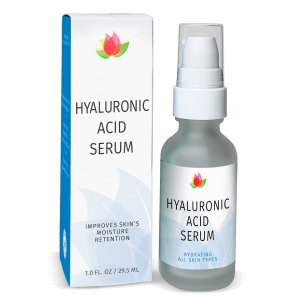 Hyaluronic Acid Serum
1 × $24.20
Hyaluronic Acid Serum
1 × $24.20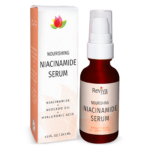 Nourishing Niacinamide Serum
1 × $20.40
Nourishing Niacinamide Serum
1 × $20.40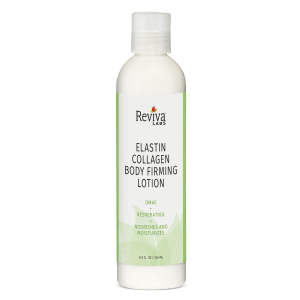 Elastin & Collagen Body Firming Lotion
1 × $24.00
Elastin & Collagen Body Firming Lotion
1 × $24.00 Firming Facial Créme with Alpha Lipoic Acid + Vitamin C Ester + DMAE
1 × $28.00
Firming Facial Créme with Alpha Lipoic Acid + Vitamin C Ester + DMAE
1 × $28.00 Bakuchiol Plus Serum
Original price was: $32.00.$24.00Current price is: $24.00.
Bakuchiol Plus Serum
Original price was: $32.00.$24.00Current price is: $24.00. Multi-Factor Brightening Créme
$42.00
Multi-Factor Brightening Créme
$42.00 Collagen Fibre Eye Pads with Myoxinol
$30.00
Collagen Fibre Eye Pads with Myoxinol
$30.00 INTERCELL™ Hyaluronic Acid Night Gel
$18.00
INTERCELL™ Hyaluronic Acid Night Gel
$18.00 INTERCELL™ Hyaluronic Acid Day Créme
$18.00
INTERCELL™ Hyaluronic Acid Day Créme
$18.00