

Clean Beauty, Ingredients, Natural, Reviva Labs, Skin Care
Building a Barrier First Routine When Your Skin Is Constantly Upset

Apr
Your skin does not whisper when the barrier breaks. It reacts fast, and it reacts loudly. Redness that lingers, dryness that returns within hours, stinging from products you used for years, all of it points to the same issue. The structure that protects your skin has weakened. And once that happens, almost every step in a typical routine can make things worse instead of better.
The skin barrier is not a trend or a buzzword. It is the outermost layer of your skin, and it controls how your skin interacts with the world. It keeps water in, keeps irritants out, and maintains stability across everything you apply. When that system breaks down, your skin becomes unpredictable. Products that promise improvement start to trigger reactions, and routines built for performance begin to fail.
A barrier-first routine changes the goal. Instead of chasing brightness, firmness, or texture, it focuses on restoring structure. This aligns with the long-standing philosophy of functional skincare, where ingredients earn their place through real results and practical use, not hype or novelty . When your skin is constantly upset, this shift is not optional. It is the only path back to balance.
What Is Actually Happening When Your Skin Is “Upset”
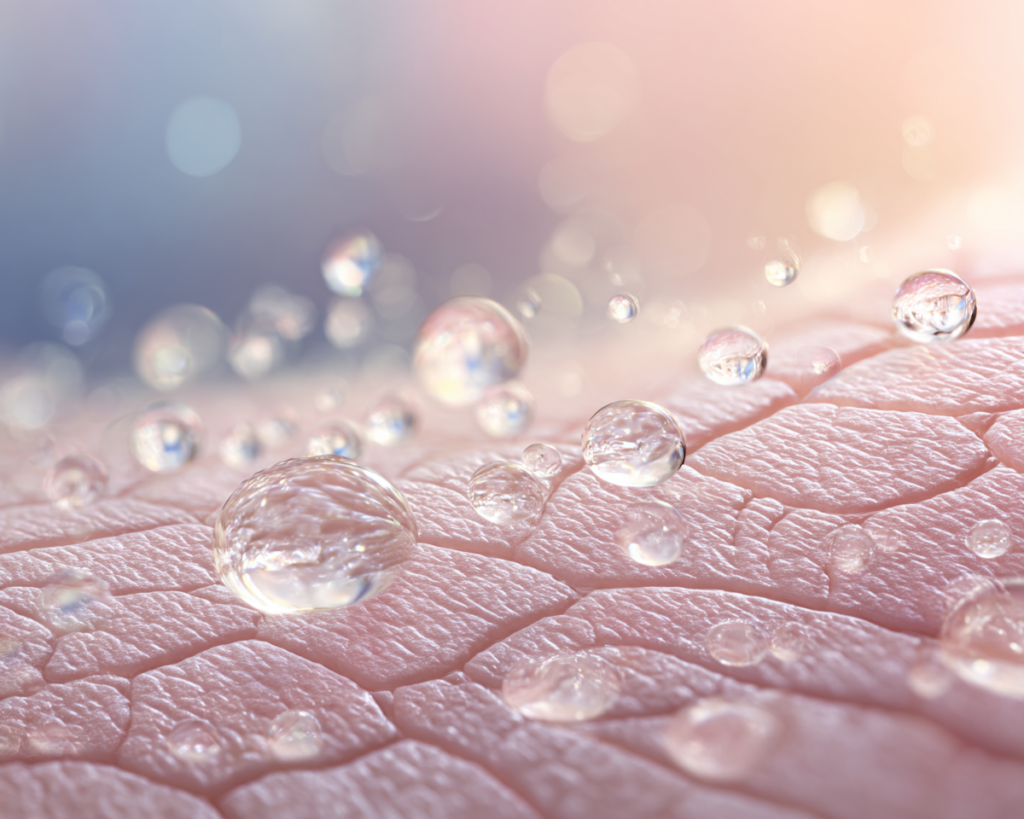
Most people describe their skin as sensitive without fully knowing what that means. Sensitivity is not a fixed skin type. It is a condition, and in many cases, it is temporary. It often begins with small disruptions that build over time. Overuse of exfoliating acids, aggressive cleansing, environmental exposure, and even stress all contribute to weakening the barrier.
At a structural level, the barrier works like a brick wall. Skin cells form the bricks, and lipids act as the mortar that holds everything together. When those lipids break down, gaps form. Water escapes more easily, and external irritants penetrate deeper. This process is known as transepidermal water loss, and it is one of the clearest signs of barrier damage.
Once the barrier is compromised, the skin becomes reactive. Nerve endings are more exposed, which increases sensitivity. Inflammatory signals rise, leading to redness and irritation. Even water can cause discomfort in severe cases. This is why adding more products rarely solves the problem. The issue is not a lack of treatment. It is a lack of protection.

Why Most Skincare Routines Make This Worse
A typical skincare routine is built around improvement. Smoother texture, brighter tone, fewer wrinkles. Many of these outcomes rely on active ingredients that increase cell turnover or penetration. These mechanisms work well on stable skin. On compromised skin, they can cause further damage.
Exfoliating acids remove dead skin cells, but they also remove lipids. Retinoids speed up renewal, but they can disrupt barrier formation during adjustment. Even vitamin C, often seen as gentle, can irritate weakened skin. Layering these ingredients creates a cumulative effect that the barrier cannot handle.
Cleansing habits also play a role. Foaming cleansers often strip oils too aggressively. Hot water increases evaporation and weakens the skin’s natural defenses. Washing too frequently compounds the issue. Each step may seem minor, but together they create constant stress.
The result is a cycle. Skin becomes irritated, so more products are added to fix it. Those products increase irritation, which leads to more changes. Breaking this cycle requires stepping back, not adding more.
The Shift to a Barrier First Mindset
A barrier-first routine starts with restraint. It removes anything that stresses the skin and focuses on rebuilding what has been lost. This approach is simple, but it requires discipline. It means pausing ingredients that promise fast results in favor of those that support recovery.
The goal is not to stop all skincare. It is to prioritize structure over correction. Hydration, lipid restoration, and calming become the foundation. Once the barrier is stable, other concerns can be addressed more effectively.
This reflects a broader principle in skincare. Real improvement comes from consistency and balance, not intensity. Functional skincare has always focused on this idea, using straightforward formulas designed to support the skin rather than overwhelm it . When your skin is reactive, this philosophy becomes essential.
Rebuilding the Barrier From the Ground Up
Repairing the barrier involves three key elements working together. Lipids, hydration, and inflammation control. Each one supports the others, and none can fully compensate for the absence of another.
Lipids restore structure. Ceramides, cholesterol, and fatty acids fill the gaps between skin cells and rebuild cohesion. Without them, the barrier remains weak, no matter how much hydration you add. These lipids are not optional. They are fundamental to barrier repair.
Hydration supports flexibility. Humectants like glycerin draw water into the skin, helping it feel plump and comfortable. Hyaluronic acid also contributes, especially in forms that stay closer to the surface and attract moisture without penetrating too deeply. But hydration alone is temporary without a structure to hold it in place.
Calming ingredients reduce inflammation. Panthenol, allantoin, and certain plant extracts help lower irritation and create a stable environment for repair. When inflammation drops, the skin can focus on rebuilding rather than reacting.
These elements form a system. When balanced correctly, they move the skin out of a reactive state and into recovery.
Cleansing Without Stripping the Skin
Cleansing is often overlooked, but it has a direct impact on barrier health. When skin is compromised, even mild cleansers can feel harsh. The goal shifts from deep cleaning to gentle removal of surface buildup.
Cream and milk cleansers work well in this context. They clean without removing essential lipids and often leave a light protective layer on the skin. This reduces the tight, dry feeling that signals barrier disruption. The experience should feel comfortable, not squeaky clean.
Water temperature matters more than most people think. Hot water increases transepidermal water loss and weakens the barrier. Lukewarm water preserves more of the skin’s natural lipids and supports recovery. This small adjustment can have a noticeable effect over time.
Frequency should also be reconsidered. Cleansing twice a day is not always necessary for compromised skin. A gentle cleanse at night and a simple rinse in the morning can be enough. The goal is balance, not excess.
Hydration That Stays Where It Belongs
Hydration is often misunderstood as a quick fix. Many products deliver immediate moisture, but the effect fades quickly. A barrier-first routine focuses on retention as much as delivery.
Glycerin remains one of the most reliable humectants. It draws water into the skin and helps maintain hydration over time. Studies show that glycerin improves skin hydration and supports barrier function when used consistently. Hyaluronic acid also contributes, particularly in higher molecular weights that sit on the surface and attract moisture.
Retention comes from sealing that hydration in place. Moisturizers create a barrier that reduces evaporation and helps the skin hold onto water longer. Without this step, hydration escapes, and the cycle of dryness continues.
Application technique matters. Applying hydrating products on slightly damp skin improves absorption. Following with a cream locks in that moisture. This simple sequence can transform how your skin feels throughout the day.
Restoring Lipids With Precision
Lipids are the backbone of the barrier. Replenishing them is not about adding heavy oils randomly. It is about restoring balance in a way that mirrors the skin’s natural composition.
Ceramides play a central role. They make up a significant portion of the skin’s lipid matrix and are essential for maintaining structure. Products that combine ceramides with cholesterol and fatty acids tend to be more effective because they reflect the natural ratio found in healthy skin.
Plant oils can support this process when chosen carefully. Oils rich in linoleic acid integrate well with the skin and help repair the barrier without feeling overly heavy. The goal is support, not suffocation.
Consistency is key. Lipid restoration takes time, and results build gradually. Overloading the skin with heavy products can backfire, leading to congestion or discomfort. A balanced approach works best.
What Needs to Be Removed From Your Routine
Repairing the barrier requires removing certain stressors. Some ingredients and practices are simply too aggressive for compromised skin. Exfoliating acids should be paused. Glycolic acid, salicylic acid, and enzyme exfoliants all increase turnover, which can disrupt recovery. Even gentle exfoliation can delay repair when the barrier is already weakened.
Retinoids should also be used cautiously. While effective for long-term improvement, they can cause irritation during adjustment. Pausing them allows the skin to stabilize before reintroduction. Fragrance can be another trigger. While not inherently harmful, it increases the risk of irritation in sensitive skin. Simplifying your routine reduces variables and makes it easier to identify what works.
Physical scrubs should be avoided. Abrasive particles can create micro-damage and worsen barrier issues. Gentle care supports recovery more effectively than aggressive treatments.

Patience Is Part of the Process
Barrier repair is not immediate. The skin renews itself over time, and rebuilding structure takes several weeks. Early improvements often appear within days, but full recovery requires consistency.
This period can feel slow, especially if you are used to active treatments. The focus shifts from visible transformation to comfort and stability. Redness decreases, dryness becomes manageable, and the skin feels less reactive.
Managing expectations is important. A barrier-first routine is not about quick fixes. It is about creating conditions for long-term improvement. Once the barrier is stable, other goals become easier to achieve.
Reintroducing Actives Without Starting Over
After the barrier has recovered, actives can be reintroduced carefully. The process should be gradual and controlled. Starting with one product at a time helps isolate reactions and prevents overload.
Frequency should be low at first. Using an active once or twice a week allows the skin to adjust. If no irritation occurs, usage can increase slowly. This approach reduces the risk of triggering another cycle of sensitivity.
Pairing actives with barrier-supporting products helps maintain balance. Applying a moisturizer before or after an active can reduce irritation and support the skin during adjustment. Listening to your skin remains essential throughout this process.
Why This Approach Works Long Term
A barrier-first routine does more than fix temporary issues. It builds resilience. Skin that retains moisture and resists irritation performs better across all concerns. Fine lines appear less noticeable when the skin is hydrated. Redness becomes less frequent. Texture improves as the barrier supports even renewal. These changes develop over time and tend to last.
This approach also reduces dependence on aggressive treatments. When the barrier is strong, fewer interventions are needed. The skin functions more efficiently, and results become more consistent. In the end, this method aligns with how skin naturally works. Supporting its structure leads to more stable and predictable outcomes than forcing change through intensity.
Frequently Asked Questions
How do I know if my skin barrier is damaged?
Signs include persistent dryness, redness, stinging, and increased sensitivity to products you previously tolerated. Your skin may feel tight after washing and become easily irritated. These symptoms often indicate increased water loss and a weakened barrier. Focusing on hydration and lipid repair can help restore balance over time.
Can oily skin have a damaged barrier?
Yes, oily skin can still experience barrier damage. In some cases, the skin produces more oil to compensate for dehydration. This can create a mix of oiliness and sensitivity. A barrier-first routine helps regulate this imbalance by restoring hydration and reducing the need for excess oil production.
When can I start using exfoliants again?
You can reintroduce exfoliants once your skin feels stable, with minimal redness or irritation. Start slowly, using them once a week and increasing frequency based on tolerance. Pairing exfoliants with barrier-supporting products helps reduce the risk of irritation.
Are natural ingredients better for sensitive skin?
Not always. Some natural ingredients can still cause irritation, especially essential oils and certain plant extracts. What matters more is how the formula interacts with your skin. Simple, well-balanced formulations tend to work better than complex ones.
Does diet affect the skin barrier?
Yes, diet can influence skin health. Essential fatty acids support lipid production, while hydration levels affect moisture balance. A balanced diet with adequate fats and water intake can support barrier function alongside topical care.
References
- Proksch E, Brandner JM, Jensen JM. The skin barrier and its function. Experimental Dermatology. 2008. https://pubmed.ncbi.nlm.nih.gov/18086382/
- Rawlings AV, Harding CR. Moisturization and skin barrier function. Dermatologic Therapy. 2004. https://pubmed.ncbi.nlm.nih.gov/14728698/
- Fluhr JW, Darlenski R, Surber C. Glycerol and the skin. British Journal of Dermatology. 2008. https://pubmed.ncbi.nlm.nih.gov/18341624/