
Clean Beauty, Ingredients, Natural, Reviva Labs, Skin Care
Clogged Pores Don’t Discriminate By Age – Here’s the Science-Backed Plan to Clear Them
Mar
Adults are not supposed to have breakouts. That is what popular culture tells us, and it is one of the more persistent myths in skincare. The reality? Nearly 85% of people between the ages of 12 and 24 experience acne, but a significant number of adults well past their twenties continue to struggle with blocked, enlarged, and congested pores – many for the first time. Dermatologists increasingly see patients in their 30s, 40s, and even 50s who are stunned to discover that the blemishes and rough texture they are experiencing are rooted in exactly the same biological process they thought they had outgrown. The good news is that modern skincare has produced an impressive set of tools specifically designed to address this problem, and four of them – glycolic acid, salicylic acid, papain, and bromelain – work together in ways that are worth taking seriously.
Before reaching for any product, it helps to know what is actually happening inside your skin. A pore is not simply a hole. It is the opening of a hair follicle surrounded by sebaceous glands that produce oil, or sebum. When sebum combines with dead skin cells, environmental pollutants, and residual product buildup, the mixture can form a soft plug inside the follicle. Exposed to air, this plug oxidizes and darkens, forming what is commonly called a blackhead. When the plug stays sealed beneath the surface, it becomes a whitehead. Both are forms of comedones – the medical term for non-inflammatory clogged pores – and both are frustrating, especially when they persist despite a consistent skincare routine.

Why Clogged Pores Become an Adult Problem
The causes of adult pore congestion are layered and often interconnected. Hormonal fluctuations are among the most common drivers. Testosterone, which both men and women carry in varying amounts, directly stimulates the sebaceous glands. As hormones shift through life stages – pregnancy, perimenopause, periods of high stress – sebum production can swing in unpredictable directions. More oil means a higher likelihood that follicles become congested. This is why someone who sailed through adolescence with clear skin may suddenly find their pores visibly enlarged and clogged in their late thirties or forties.
Slower cellular turnover compounds the problem. When we are young, the skin renews itself roughly every 28 days. By the time we reach our 40s, that cycle can stretch to 45 days or longer. Dead skin cells that once shed efficiently begin to linger on the surface, stacking up in the upper layers of the epidermis and inside follicle openings. This accumulation does not just cause dullness – it directly contributes to pore blockage by physically trapping sebum below the surface. The skin that looks tired and thick is also the skin that is most prone to congestion.
Lifestyle and environmental factors accelerate things further. Heavy makeup, sunscreen formulations with occlusive ingredients, air pollution, and high-glycemic diets have all been linked to increased comedone formation in adults. Research published in the Journal of the Academy of Nutrition and Dietetics demonstrated a meaningful association between high-glycemic-load diets and acne severity, pointing to insulin and insulin-like growth factor-1 (IGF-1) as key hormonal mediators. The practical message here is that what goes into the body influences what comes out of your pores. Stress adds another layer, raising cortisol levels that stimulate the adrenal glands to produce androgens, which in turn push sebaceous glands into overdrive.
The Chemistry Behind the Clear-Up
Addressing clogged pores effectively requires working on two fronts simultaneously: clearing out what is already there and preventing new blockages from forming. That is precisely where glycolic acid and salicylic acid become indispensable allies. They are both classified as exfoliating acids, but they operate through different mechanisms and reach different layers of the skin. Understanding the distinction matters because using one without the other leaves half the job undone.
Glycolic acid belongs to the alpha-hydroxy acid (AHA) family. It is derived primarily from sugarcane and carries the smallest molecular size of any AHA, which allows it to penetrate the skin with unusual efficiency. At the surface level, glycolic acid works by loosening the bonds between dead skin cells – a process called corneodesmolysis – so that dull, built-up layers can slough away more readily. This speeds up the cellular renewal cycle that slows with age and reduces the dead-cell accumulation that feeds comedone formation. Glycolic acid also stimulates collagen synthesis over time, which means regular use contributes to firmer, more even-textured skin beyond its pore-clearing benefits. Products like a glycolic acid toner or cleanser can introduce this acid at concentrations appropriate for daily or near-daily use, making consistent exfoliation accessible without requiring professional treatments.
Salicylic acid is a beta-hydroxy acid (BHA), and it behaves quite differently. Where glycolic acid is water-soluble and acts primarily on the skin’s surface, salicylic acid is oil soluble. That single difference is enormously significant. Because it can dissolve in oil, salicylic acid is able to penetrate directly into the sebum-filled follicle and work from the inside out. It breaks down the fatty bonds that hold the comedone plug together, which is why it appears in virtually every dermatologist’s toolkit for blackheads and congestion. It also carries mild anti-inflammatory properties, which help calm the redness and sensitivity that often accompany blemish-prone skin. Together with glycolic acid, it forms a dual-acid approach that covers both the surface and the deeper follicular environment where the real problems originate.

Nature’s Exfoliating Enzymes – Papain and Bromelain
Not everyone’s skin tolerates acids gracefully. Sensitive skin types, those prone to redness, and anyone new to exfoliation may find that a purely acid-based approach is too aggressive, particularly at the start. This is where two plant-derived enzymes earn their place in a corrective plan: papain and bromelain. These are proteolytic enzymes, meaning they work by breaking down proteins. In the context of skincare, the proteins they target are primarily those found in dead skin cells – specifically keratin, the structural protein that makes up the outermost skin layer.
Papain comes from papaya and has been used medicinally for centuries. Applied topically, it selectively breaks down damaged, keratinized tissue while leaving healthy, living cells largely intact. This selectivity makes it an exceptionally gentle exfoliant. It loosens the cellular “glue” holding dead cells in place without the potential irritation that stronger chemical acids can produce. Bromelain, derived from pineapple, works through a similar enzymatic mechanism and is thought to carry additional anti-inflammatory benefits. Research into bromelain’s anti-edema and tissue-soothing properties has been published in peer-reviewed literature for decades, suggesting its value extends beyond simple surface exfoliation.
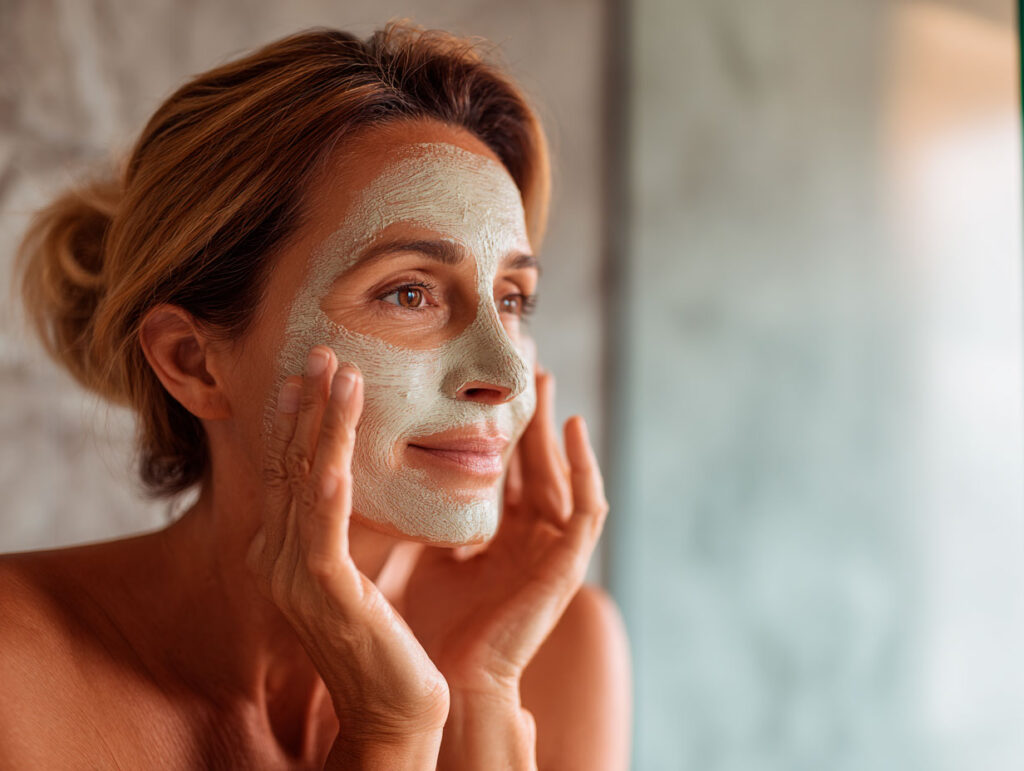
When bromelain and papain are combined in a mask format – especially alongside kaolin clay, which physically draws out impurities and absorbs excess sebum – the effect is a multi-action treatment that addresses congestion through gentle biological activity rather than chemical aggression. The Reviva Labs Gently Exfoliating Fruit Enzyme Mask brings together papain, bromelain, and a pumpkin ferment extract with kaolin and bentonite clays, creating a formula that exfoliates enzymatically while simultaneously purifying the follicle opening. It is the kind of product that earns a weekly or biweekly spot in a corrective routine for good reason.
Building a Corrective Routine That Actually Works
Strategy matters as much as ingredient selection. The most common mistake adults make when treating clogged pores is overloading their routine in a rush to see results. Using too many exfoliating actives at once disrupts the skin barrier, which leads to redness, sensitivity, and paradoxically more oil production as the skin attempts to compensate for being stripped. A measured, layered approach produces faster and more sustainable results than any aggressive overhaul.
Start with the cleanser. A glycolic acid facial cleanser used once daily – or twice if your skin is oily – introduces mild exfoliation into the first step of your routine without requiring any additional effort. It removes surface debris, lifts residual buildup, and begins the process of accelerating cell turnover before any actives are applied. This sets the stage for everything that follows and prevents new congestion from forming at the most basic level. In the evening, a glycolic acid toner after cleansing helps reset the skin’s pH, removes any remaining impurities, and delivers a second pass of exfoliation to the surface and upper follicle.
Two to three times per week, salicylic acid should enter the picture. This can take the form of a targeted serum, a leave-on treatment, or a product that stays on the skin long enough to penetrate the follicle meaningfully. This is the ingredient doing the deep work – clearing out the oil-based plugs that neither cleansing nor surface exfoliation can fully address. Consistency is more important than frequency here. Using salicylic acid twice a week for a month produces significantly better results than using it every day for two weeks and then stopping because the skin became irritated.
Once a week, the enzyme mask earns its place. On an evening when the skin has been cleansed and is free of other actives, applying a papain and bromelain enzyme mask for 10 to 15 minutes allows the enzymes to work on the remaining protein buildup and gives the kaolin clay time to draw out follicular debris. This step provides a visible reset – skin tends to look noticeably clearer and more luminous the morning after a well-formulated enzyme mask. Over time, the compounding effect of weekly enzymatic exfoliation alongside daily acid use produces a meaningful reduction in visible pore size and congestion.
What to Expect and When
Managing expectations is part of any honest corrective plan. Clogged pores did not develop overnight, and they will not disappear in a weekend. Most adults who follow a consistent routine using glycolic acid, salicylic acid, and enzymatic exfoliation begin to notice improvement within three to four weeks – smoother texture first, followed by a reduction in blackhead visibility and a gradual minimizing of enlarged pore appearance. Full results, including improved skin tone and significant reduction in congestion, typically require six to eight weeks of consistent use.
It is also worth noting that some skin types require an adjustment period during the first two weeks of introducing acids. A slight increase in skin sensitivity or temporary dryness is not unusual. This is a sign that cell turnover is accelerating and dead layers are shedding. Keeping skin well hydrated with a non-comedogenic moisturizer during this phase helps support the skin barrier and prevents the overcompensation response that can lead to more oil production. Applying an SPF moisturizer in the morning is non-negotiable during any exfoliation-focused routine, as freshly exfoliated skin is significantly more vulnerable to UV-induced damage and hyperpigmentation.
The Long View on Healthy Pores
Clogged pores in adults are neither inevitable nor permanent. They are the logical outcome of specific biological processes – slower cell turnover, hormonal fluctuation, environmental exposure, and follicular oil accumulation – all of which are addressable with the right approach. The four-ingredient corrective plan built around glycolic acid, salicylic acid, papain, and bromelain covers every layer of the problem: surface exfoliation, deep-follicle cleansing, enzymatic protein breakdown, and ongoing cellular renewal. These ingredients are not trends. Glycolic acid has decades of clinical study behind it. Salicylic acid has been a cornerstone of dermatological treatment for over a century. Papain and bromelain have histories in traditional medicine that stretch back even further.
What makes the combination compelling is not that any single ingredient is magical – it is that each one addresses a specific mechanism in the congestion cycle that the others do not. Surface dead cells need to be shed. Follicle plugs need to be dissolved from the inside. Keratinized buildup needs to be broken down enzymatically. Cellular renewal needs to be accelerated. When a routine is designed to accomplish all four of these things with appropriate frequency and in the right sequence, the results speak clearly. Adults with consistently clear pores are not genetically lucky. They are just working with their skin’s biology rather than against it.

Frequently Asked Questions
Why do I suddenly have clogged pores as an adult if I never had them as a teenager?
Adult-onset pore congestion is more common than most people realize, and it tends to catch people off guard precisely because the teen years were clear. The most frequent culprits are hormonal shifts – particularly those tied to pregnancy, perimenopause, stress, or changes in birth control – combined with the natural slowing of cellular turnover that begins in the late 20s. As dead skin cells shed more slowly, they accumulate inside the follicle opening alongside sebum, creating the conditions for comedones to form. Environmental factors like pollution, heavy skincare or cosmetic formulas, and dietary changes can compound the issue. The biological mechanisms are identical to those in teenage acne; what changes is the trigger.
Can I use glycolic acid and salicylic acid together in the same routine?
Yes, but sequencing and frequency matter. Using both acids in the same application can increase the risk of irritation, particularly on skin that is not yet accustomed to regular exfoliation. A practical approach is to use a glycolic acid cleanser or toner as part of your daily routine and introduce a salicylic acid treatment two to three evenings per week, rather than layering both on the skin simultaneously. Once your skin has built tolerance over four to six weeks, some people do layer them with no issue – but it is always better to start conservatively and work up. If your skin becomes red, tight, or flaky, reduce frequency rather than abandoning the routine altogether.
How long does it take for glycolic acid, salicylic acid, papain, and bromelain to visibly clear clogged pores?
Most people begin to notice texture improvements within three to four weeks of consistent use. Visible reduction in blackheads, enlarged pores, and congestion typically follows by weeks six to eight. Enzyme masks with papain and bromelain often produce a noticeable glow and clarity the morning after use, which can be encouraging early on. The key word throughout is consistent – sporadic use of these ingredients produces minimal results because the benefits accumulate through repeated cellular turnover cycles rather than single applications. Patience and regularity deliver far better outcomes than aggressive, inconsistent treatment.
Are these ingredients safe for sensitive skin types?
Glycolic acid and salicylic acid do require some caution on very sensitive or compromised skin, particularly at higher concentrations. Starting with low-percentage formulas – a glycolic acid cleanser or toner, for example, rather than a high-strength peel – significantly reduces the risk of irritation while still delivering exfoliation benefits. Papain and bromelain are generally very well tolerated because their enzymatic action is selective and gentler than direct acid application. That said, anyone with a known papaya or pineapple allergy should patch test enzyme-containing products before full-face use. When in doubt, introduce one new active at a time and give the skin two weeks to adjust before adding another.
Do I need to use SPF when using these exfoliating ingredients?
Absolutely, and this is non-negotiable. Exfoliating acids and enzymes accelerate the shedding of the skin’s outermost protective layers, which leaves the fresh skin underneath more vulnerable to UV-induced damage and post-inflammatory hyperpigmentation. Skipping SPF while using glycolic acid or salicylic acid regularly is one of the fastest ways to create new skin concerns while trying to address existing ones. A broad-spectrum SPF 30 or higher applied every morning is the protective foundation that makes an exfoliation-focused routine safe and effective long-term. This applies year-round, not just during summer months.
Will exfoliating make my pores permanently smaller?
Pore size is largely determined by genetics and the structural integrity of the surrounding skin tissue, so no topical product permanently changes your pore diameter. What consistent exfoliation does do – meaningfully and measurably – is reduce the appearance of enlarged pores by keeping them clear of the debris and sebum that stretch them open, and by stimulating the collagen production that supports the skin structure around each follicle. Skin that is regularly exfoliated, well-hydrated, and protected from UV damage tends to have pores that appear noticeably smaller because the follicles are clean and the surrounding tissue is firmer. Managing expectations realistically helps – the goal is visibly clearer, smoother skin, not a structural transformation.
What is the difference between papain and bromelain, and do I need both?
Both are proteolytic enzymes that break down keratin proteins in dead skin cells, but they come from different sources and have slightly different activity profiles. Papain is derived from papaya and has a long history in both traditional medicine and professional skincare for its ability to dissolve damaged skin tissue selectively. Bromelain comes from pineapple and shares similar exfoliating properties while also being studied for its anti-inflammatory and anti-edema effects. Using both together, as in a well-formulated enzyme mask, provides broader enzymatic coverage than either alone. You do not strictly need both to see results, but formulas that combine them tend to be more effective because the two enzymes work in a complementary rather than redundant fashion.
References and Sources
- Bhate, K., & Williams, H. C. (2013). Epidemiology of acne vulgaris. British Journal of Dermatology, 168(3), 474–485. https://doi.org/10.1111/bjd.12149
- Smith, R. N., Mann, N. J., Braue, A., Mäkeläinen, H., & Varigos, G. A. (2007). A low-glycemic-load diet improves symptoms in acne vulgaris patients: A randomized controlled trial. American Journal of Clinical Nutrition, 86(1), 107–115. https://doi.org/10.1093/ajcn/86.1.107
- Tassman, G. C., Zafran, J. N., & Zayon, G. M. (1964). Evaluation of a plant proteolytic enzyme for the control of inflammation and pain. Journal of Dental Medicine, 19(2), 73–77.
- Grover, J. K., Yadav, S., & Vats, V. (2002). Medicinal plants of India with anti-diabetic potential. Journal of Ethnopharmacology, 81(1), 81–100. https://doi.org/10.1016/s0378-8741(02)00059-4
- Decker, A., & Graber, E. M. (2012). Over-the-counter acne treatments: A review. Journal of Clinical and Aesthetic Dermatology, 5(5), 32–40. https://www.ncbi.nlm.nih.gov/pmc/articles/PMC3366450/
- Van Scott, E. J., & Yu, R. J. (1984). Hyperkeratinization, corneocyte cohesion, and alpha hydroxy acids. Journal of the American Academy of Dermatology, 11(5), 867–879. https://doi.org/10.1016/s0190-9622(84)80466-3