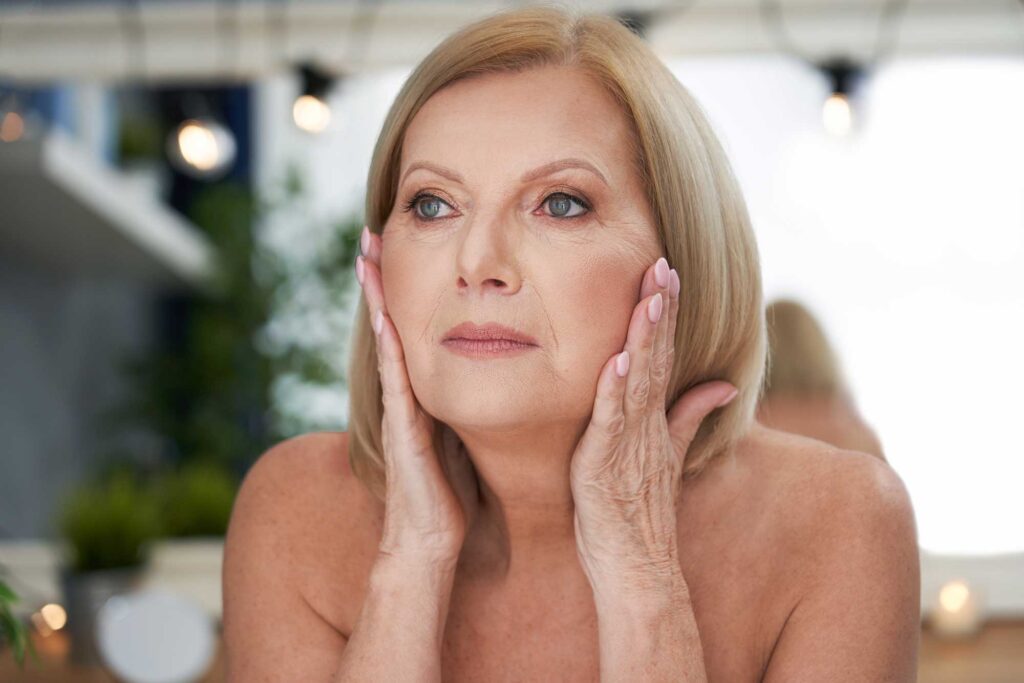
Healthy stratum corneumwater content ranges from 10% to 30%, according to NCBI Bookshelf, while deeper skin layers hold far more water. In plain terms, the outermost surface of your skin has less water to work with, yet it has the job of keeping your complexion smooth, flexible, and comfortable. Summer makes this harder in a strange way. Your skin can feel sweaty, shiny, and oily, while still lacking the water it needs. So, the goal is not more cream, more oil, or more layers. The goal is smarter hydration with lighter textures, better timing, and fewer habits working against your skin.
Summer skin often fools people. A dewy forehead after walking outside does not mean your skin is hydrated. A shiny nose after lunch does not mean your moisturizer did its job. Sweat is water leaving the body, not water settling into the skin where it supports softness and comfort. Oil is not hydration either. Oil can soften and reduce moisture loss, but it cannot replace water inside the outer layers of the skin. When you learn the difference, summer skincare gets simpler, lighter, and far less greasy.
The best warm weather routine supports water, comfort, and barrier strength without smothering the face. It favors humectants, thin creams, breathable lotions, and steady protection. It also avoids the cycle of over-cleansing, skipping moisturizer, and then wondering why skin feels tight and slick by afternoon. Summer hydration should feel clean, quick, and flexible. You should be able to apply your routine in the morning, go outside, reapply sunscreen, and still feel like your face belongs to you.
Why Summer Skin Gets Confusing
Summer changes the way skin feels because heat, humidity, sunscreen, sweat, and air conditioning all pull your routine in different directions. Outside, your skin gets warm and damp. Inside, cold dry air can leave it tight, flat, or rough. Add sunscreen, makeup, saltwater, chlorine, and more frequent cleansing, and the skin barrier gets a lot to manage. This is why summer dryness does not always look like classic winter dryness. It can show up as tightness under shine, fine lines around the eyes, makeup separating, stinging after cleansing, or an oily T-zone paired with dry cheeks.
Many people respond by cutting moisturizer out completely. This feels logical for a day or two, especially when every cream seems too heavy. But skin often reacts poorly when water-binding ingredients disappear. The surface can start to feel less flexible, which can trigger more visible texture and a duller finish. Oily skin can also look oilier when dehydration throws the balance off. This does not mean skin is “overproducing oil” in every case, but it does mean a stripped routine often makes shine harder to manage.
A second mistake is switching to harsh cleansing. Hot weather makes people want a squeaky-clean feel, especially after sunscreen or a sweaty walk. The problem is simple. If your cleanser leaves your face tight, your barrier has already paid the price. A tight face after washing is not a clean face. It is a sign your cleanser removed more than surface residue. Summer cleansing should remove sunscreen, sweat, and daily grime while leaving skin calm enough for a light hydrating layer afterward.
This is where texture matters. Heavy creams have a place, especially at night or for dry skin, but daytime summer hydration often works better in layers. A water-based serum can provide the first hydration step. A thin lotion or light cream can soften and reduce water loss. Sunscreen then becomes the daytime protective layer. Done well, this routine feels like skin care, not a coating.
Hydration Is Not the Same as Oil
Hydration means water content in the skin’s upper layers. Moisturization describes the wider process of helping skin stay soft, flexible, and less prone to water loss. That includes water-binding ingredients, skin-smoothing ingredients, and barrier-supporting ingredients. In daily language, people use hydration and moisture as if they mean the same thing. For skincare, the difference helps you choose better summer products.
Humectants attract and hold water in the outer skin layers. Glycerin, hyaluronic acid, sodium PCA, aloe, panthenol, and some forms of urea fit this role. They are often the best first move in summer because they hydrate without the weight of richer oils. A good humectant step can make skin feel fresher and plumper without adding a slick finish. This is why a serum or hydrating toner can feel more comfortable than reaching for a richer cream during the day.
Emollients soften the skin and improve the feel of the surface. They help smooth roughness and support comfort. Ingredients like squalane, lightweight plant oils, fatty alcohols, and triglycerides can do this well when formulated in balanced amounts. Emollients are not the enemy in summer. The issue is texture, amount, and placement in the routine. A small amount in a light cream can help skin feel cushioned without feeling coated.
Occlusives help reduce water loss by forming a protective layer. Waxes, petrolatum, dimethicone, richer butters, and some oils can serve this purpose. Occlusives are useful, but they can feel heavy in heat when used across the whole face during the day. Instead of avoiding them completely, apply them strategically. Use a lighter occlusive effect in your daytime moisturizer, then save richer sealing products for dry patches, lips, or nighttime recovery.
Cleanse Without Stripping
A summer hydration routine starts with cleansing because everything afterward depends on the skin surface you create. If you strip the skin in step one, your serum and moisturizer have to repair a problem you made two minutes earlier. A good cleanser should leave the face clean, not tight. It should remove sweat, sunscreen, and oil without making the skin feel squeaky. That squeak sounds satisfying, but it often means too much has been removed.
Morning cleansing can be lighter than evening cleansing for many people. If your skin feels balanced when you wake up, a rinse with cool or lukewarm water can be enough. If you sleep in a richer night cream, sweat overnight, or wake with noticeable oil, use a gentle cleanser. Avoid hot water, especially in summer, when the face is already dealing with heat. Lukewarm water helps remove residue without adding extra stress.
Evening cleansing matters more because sunscreen and outdoor residue need removal. If you wear water-resistant sunscreen or makeup, you need a cleanser strong enough to break it down. Some people benefit from a two-step cleanse, using a cleansing balm or oil first, then a mild gel or milk cleanser. Others do fine with one gentle cleanser. The test is how your skin feels after five minutes. If it feels soft and calm, you chose well. If it feels tight or looks flushed, the routine needs less aggression.
Exfoliation also needs restraint in summer. Sweat, sunscreen, and heat can make skin feel congested, so exfoliation feels tempting. But too much exfoliation increases dryness, sensitivity, and uneven texture. Use exfoliating acids sparingly and pay attention to your skin’s response. If your face stings when you apply a simple hydrating serum, take a break from exfoliation and focus on barrier comfort.
Layer Lightly and Let Each Step Work
The best summer hydration routine often uses fewer products than a winter routine, but each product has a clear job. The first hydrating step should be thin and water friendly. Think serum, essence, or light gel. Apply it after cleansing while skin feels slightly damp, not dripping. Damp skin gives humectants water to bind and helps the product spread evenly. You do not need a lot. A thin, even layer usually works better than flooding the face.
Hyaluronic acid fits well here because it can help skin feel hydrated without heaviness. Reviva Labs Hyaluronic Acid Serum is one example of a straightforward humectant-focused step. It pairs sodium hyaluronate with aloe and green tea in a simple water-based format. This type of product works best when followed by a light moisturizer or sunscreen rather than left alone in dry indoor air. Humectants attract water, but skin still benefits from a softening layer over them.
Next comes a lightweight moisturizer. This can be a lotion, gel cream, or light cream depending on your skin type. Oily skin often does best with a small amount of light moisturizer concentrated on dry areas rather than spread thickly everywhere. Combination skin can use less on the T-zone and more on the cheeks. Dry skin can use a richer layer at night, while keeping daytime texture lighter. Summer skincare works best when you stop treating your whole face as one identical surface.
Give each layer a moment to settle. This does not mean waiting around for ages. It means applying a thin amount, spreading it evenly, and letting it stop feeling wet before the next step. Product pilling often comes from too much product, incompatible textures, or rushing layers. If sunscreen pills, reduce the serum amount first. If makeup slides, use less moisturizer in the T-zone. The answer is rarely more powder or more primer. It is usually better spacing and lighter layers.
Sunscreen Changes the Hydration Equation
Sunscreen is not optional in a summer skincare article, because UV exposure works against healthy-looking skin in every season and feels stronger during warm months. The American Academy of Dermatology recommends broad-spectrum, water-resistant SPF 30 or higher, with reapplication every two hours or after swimming or sweating. This matters for hydration because sun exposure weakens the look and feel of skin over time. A face can look shiny after sun exposure and still become tight, rough, and uncomfortable later.
Sunscreen also affects how your moisturizer feels. Some sunscreens have moisturizing bases, while others feel drier, more matte, or more film-forming. If your sunscreen feels rich, you might need less moisturizer underneath. If your sunscreen feels dry or powdery, you might need a better humectant layer first. The best routine accounts for the sunscreen finish instead of treating it as a separate step. Your face only knows the total layers sitting on top of it.
Water-resistant sunscreens can feel heavier, but they serve a purpose during sweat, beach days, sports, and outdoor events. On those days, keep the skincare underneath minimal. A light hydrating serum, a thin moisturizer only where needed, and sunscreen can be enough. After swimming or sweating, blot before reapplying. Rubbing more product onto wet, salty, or sweaty skin can create irritation and uneven coverage. Blotting helps reset the surface without stripping it.
At night, remove sunscreen well. Do not sleep in it, even if you feel tired. Sunscreen, sweat, pollen, pollution, and oil can create a film skin does not need overnight. Evening is the time to cleanse gently, restore water, and support the barrier. Nighttime hydration can be slightly richer because you do not need to layer sunscreen or makeup over it. That is where summer skin can get the comfort it missed during the day.
Choose Ingredients by Feel and Function
Summer-friendly hydration usually starts with glycerin. It is simple, proven, common, and effective. It works across skin types when formulated well. Glycerin draws water into the outer layers of skin and supports a softer feel without requiring a heavy finish. If your skin feels tight but looks oily, glycerin is often a useful ingredient to look for. It can sit in cleansers, toners, serums, and moisturizers.
Hyaluronic acid and sodium hyaluronate also make sense in summer. They support a hydrated, smoother look and can help skin feel more comfortable under sunscreen. The key is using them in a full routine. A hyaluronic serum alone does not replace moisturizer for most people. Pair it with a light emulsion, gel cream, or sunscreen with moisturizing ingredients. This gives skin water-binding support plus a surface layer to reduce evaporation.
Aloe is another strong summer ingredient because it feels fresh and calming. It can help soften the experience of heat-stressed skin and works well in water-based formulas. Panthenol, also known as Vitamin B5, can support comfort and help skin feel more resilient. Allantoin can soothe and condition the surface. Green tea brings antioxidant support and pairs nicely with hydration products, especially for skin exposed to outdoor stress.
Lightweight emollients round out the routine. Squalane, sunflower oil, safflower oil, jojoba oil, and caprylic capric triglyceride can soften skin without always feeling heavy. The formula matters more than the ingredient alone. A small amount of oil in a light cream can feel elegant. The same oil in a richer balm can feel too much for daytime heat. Look at the full texture, not only the ingredient list.
Avoid the Overcorrecting Trap
Summer skin routines often fail because people overcorrect. They feel greasy, so they strip the skin. Then skin feels tight, so they add a heavy cream. Then the heavy cream feels greasy, so they strip again. The cycle keeps repeating. The fix is not extreme. It is a steadier routine with gentle cleansing, water-binding ingredients, and thin layers.
Another overcorrection is using mattifying products all over the face. Oil-control products can help in the T-zone, but they can make cheeks look dry or textured. If shine bothers you, treat shine only where it appears. Use a lighter moisturizer on the nose and forehead. Use a slightly richer amount on the cheeks or around the mouth. Blotting papers can help without adding makeup buildup. A breathable powder can help too, but use it lightly.
Skipping nighttime care is another common mistake. People think summer skin needs less because the day feels hot. But nighttime is when your routine can restore balance without sunscreen, sweat, or outdoor exposure getting in the way. A good night routine does not have to be heavy. Cleanse, apply a hydrating serum, then use a moisturizer suited to your skin. If you have dry patches, treat those spots only. There is no rule requiring the same amount everywhere.
Do not confuse cooling sensation with hydration. Menthol, alcohol-heavy formulas, and astringent toners can feel refreshing at first. The feeling can fade, leaving skin drier or more reactive. A summer product should feel fresh without making your face sting. If a product gives a sharp cooling hit but leaves tightness behind, it is not solving hydration.
Adapt by Skin Type
Oily skin still needs hydration. The best approach is light, consistent, and minimal. Use a gentle cleanser, then a humectant serum or gel, then sunscreen. Add a thin moisturizer only where your skin feels tight or where sunscreen alone does not feel comfortable. Look for gel creams, light lotions, and water-based serums. Avoid piling on rich night creams across the T-zone unless your skin truly needs them.
Dry skin needs more support, but not necessarily heavier daytime layers. Use a hydrating serum under a comfortable moisturizer. If the day includes heat, sunscreen, and makeup, keep the cream thinner in the morning and use richer textures at night. Dry skin often needs emollients, not only humectants. Plant oils, squalane, fatty alcohols, and butters can help, but they feel best when balanced in a well-made formula rather than applied in thick layers.
Combination skin needs zone care. Use less where you shine and more where you feel tight. The cheeks, corners of the nose, eye area, and around the mouth often need more comfort than the forehead. This sounds small, but it changes everything. A one-size application can make half the face greasy and the other half thirsty. Treat your face like it has different neighborhoods.
Sensitive skin needs fewer switches. Summer invites experimentation, but heat already raises the chance of stinging and redness. Keep your routine predictable. Choose gentle cleansing, fragrance-light or fragrance-free hydration when needed, and sunscreen your skin tolerates. If your skin starts burning with products it normally likes, pause exfoliation and retinoids for a few nights. Focus on hydration and barrier comfort until the skin settles.
Use Water Wisely Inside and Out
Drinking water supports the body, and it matters more during hot weather, exercise, travel, and outdoor events. But drinking more water is not a substitute for topical hydration. Skin sits at the edge of the body, where wind, cleansing, UV exposure, and indoor air affect water loss. Internal hydration and topical hydration work together. One does not replace the other.
A 2015 study on dietary water and skin physiology found higher water intake had a positive impact on normal skin physiology, especially among people who started with lower daily water intake. That is useful, but it does not mean a water bottle alone fixes summer skin. If your barrier is stressed and your cleanser is harsh, no amount of water drinking will make your face feel balanced by dinner. Keep the inside and outside approach practical.
Food matters too. Water-rich fruits and vegetables can support fluid intake, while balanced meals help your skin get nutrients it needs. Summer often disrupts routines. Travel, late nights, extra alcohol, salty snacks, and more sun exposure can all show up on the skin. You do not need a perfect diet. You need consistency. Good hydration habits and a stable skincare routine can reduce the visible swings.
Your environment also counts. Air conditioning can dry the surface, especially overnight. If you wake up tight, your bedroom air might be part of the problem. A lighter summer night cream or gel cream can help. Some people benefit from a humidifier when indoor air feels dry, even in summer. This is especially true for anyone sleeping near strong air vents.
A Simple Summer Routine
In the morning, keep the routine clean and light. Rinse or cleanse gently, depending on your skin. Apply a hydrating serum while the skin feels slightly damp. Use a thin moisturizer where needed. Apply broad-spectrum SPF 30 or higher as the final skincare step. Let it set before makeup. If shine appears later, blot rather than washing your face again.
During the day, think refresh, do not reset. Reapply sunscreen as directed, especially after sweat or swimming. Use a mist only if it adds comfort, and follow with sunscreen when required. A mist alone can feel good for a moment, but it does not replace moisturizer or sunscreen. If you work indoors under air conditioning, a small amount of light moisturizer pressed onto dry spots can help without restarting the whole routine.
At night, cleanse thoroughly but gently. Remove sunscreen and sweat. Apply a hydrating serum, then a moisturizer suited to your skin. This is the right time for a richer cream if your skin needs more comfort. It is also the right time to skip aggressive exfoliation if your skin feels warm, reactive, or tight. Your skin does not need a complicated routine every night. It needs the right balance repeated often enough to work.
For body care, apply lotion after showering while skin still feels slightly damp. Summer body skin loses moisture too, especially after swimming, shaving, sun exposure, and frequent showers. Lightweight body lotions with glycerin, aloe, and emollients can keep arms and legs smooth without a sticky finish. Use richer products only on rough areas like elbows, heels, knees, and hands.
When Greasy Means Too Much or the Wrong Product
A product can feel greasy for several reasons. You might be using too much. You might be layering incompatible textures. Your sunscreen might already contain enough emollient support. Your moisturizer might be too rich for daytime heat. Or your cleanser might be stripping your skin, creating a cycle where you keep adding heavier products to fix tightness.
Start with the easiest fix, use less. Most people use too much serum and too much moisturizer, then blame the formula. A pea-sized amount of moisturizer can cover the face for many skin types. Serums need only a thin layer. More product does not mean more hydration. Skin has a limit to what it can accept before the rest sits on top.
Next, change the order or spacing. Apply water-based products first, creams next, sunscreen last. Let each layer settle. If pilling happens, reduce the number of layers. If shine happens, use moisturizer only on dry zones. If sunscreen feels greasy no matter what, switch sunscreen texture before changing the whole routine. Sunscreen finish plays a huge role in summer comfort.
Finally, match your routine to the day. A beach day, office day, outdoor workout day, and wedding day do not need the same skincare. On high-sweat days, keep layers minimal. On air-conditioned office days, add more humectant and light moisturizer. On makeup days, focus on thin layers and texture control. Flexible routines feel better because skin faces different conditions each day.
Frequently Asked Questions
Can oily skin be dehydrated in summer?
Yes. Oily skin can lack water while still producing plenty of oil. This often shows up as shine with tightness, dullness, fine surface lines, or makeup breaking apart. The fix is not a heavy cream, and it is not harsh cleansing either. Use a gentle cleanser, add a lightweight humectant serum, then finish with sunscreen. If moisturizer feels like too much, apply a light layer only on tight areas. Oily skin often responds best to steady water-based hydration and less stripping.
Should I skip moisturizer when it is hot outside?
Skipping moisturizer can work for some people only when sunscreen provides enough comfort. Most skin still benefits from a light hydrating step or thin moisturizer, especially if you cleanse, use actives, spend time in air conditioning, or wear sunscreen daily. Try reducing the amount before cutting moisturizer out completely. Use a hydrating serum first, then apply moisturizer only where needed. Summer skincare should feel lighter, not empty.
Is hyaluronic acid good for summer?
Hyaluronic acid works well in summer because it hydrates without a heavy feel. It helps bind water in the surface layers of skin and can make the complexion look smoother and fresher. For best results, apply it to slightly damp skin and follow with a light moisturizer or sunscreen. If you apply hyaluronic acid alone in dry indoor air, your skin might still feel tight. It works best as part of a routine, not as the only step.
Why does my skin feel dry after swimming?
Chlorine, saltwater, sun exposure, and repeated towel drying can leave skin feeling tight and rough. Swimming also leads many people to cleanse more often, which can add to dryness. Rinse after swimming, use a gentle cleanser when needed, and apply a light moisturizer while skin still feels slightly damp. Reapply sunscreen during the day as directed. At night, use a hydrating serum and a comfortable moisturizer to help skin recover.
How can I reapply sunscreen without feeling greasy?
Start with fewer skincare layers in the morning. Use a light serum, minimal moisturizer, and a sunscreen texture your skin tolerates. When it is time to reapply, blot sweat or oil first instead of rubbing over a damp face. Use the same sunscreen or a compatible format for your day, such as a lotion, stick, or powder sunscreen for touch-ups. Do not rely on powder alone for full protection unless you apply enough to meet label directions.
Purnamawati S, Indrastuti N, Danarti R, Saefudin T, The Role of Moisturizers in Addressing Various Kinds of Dermatitis, Clinical Medicine and Research, 2017. https://pmc.ncbi.nlm.nih.gov/articles/PMC5849435/
Palma L, Marques LT, Bujan J, Rodrigues LM, Dietary water affects human skin hydration and biomechanics, Clinical, Cosmetic and Investigational Dermatology, 2015. https://pmc.ncbi.nlm.nih.gov/articles/PMC4529263/
Alexander H, Brown S, Danby S, Flohr C, Research Techniques Made Simple, Transepidermal Water Loss Measurement as a Research Tool, Journal of Investigative Dermatology, 2018. https://pubmed.ncbi.nlm.nih.gov/30348333/
Elaine Levins is a vital leader at Reviva Labs, shaping the brand’s 51-year legacy of quality skincare. With a passion for innovation and natural solutions, she ensures the company remains at the forefront of the beauty industry. Elaine collaborates with her team to create science-backed products that address diverse skin concerns while maintaining Reviva Labs' commitment to quality and integrity. Her dedication drives the brand’s mission to deliver effective, natural skincare for healthier, radiant skin.



 High Potency Collagen Serum
1 × $28.00
High Potency Collagen Serum
1 × $28.00 Collagen Fibre Eye Pads with Myoxinol
$30.00
Collagen Fibre Eye Pads with Myoxinol
$30.00 Collagen Night Créme
$20.00
Collagen Night Créme
$20.00 Collagen Revitalizing Créme
$38.50
Collagen Revitalizing Créme
$38.50