
Clean Beauty, Ingredients, Natural, Reviva Labs, Skin Care
What Your Skin Is Really Dealing With By Late August
Aug
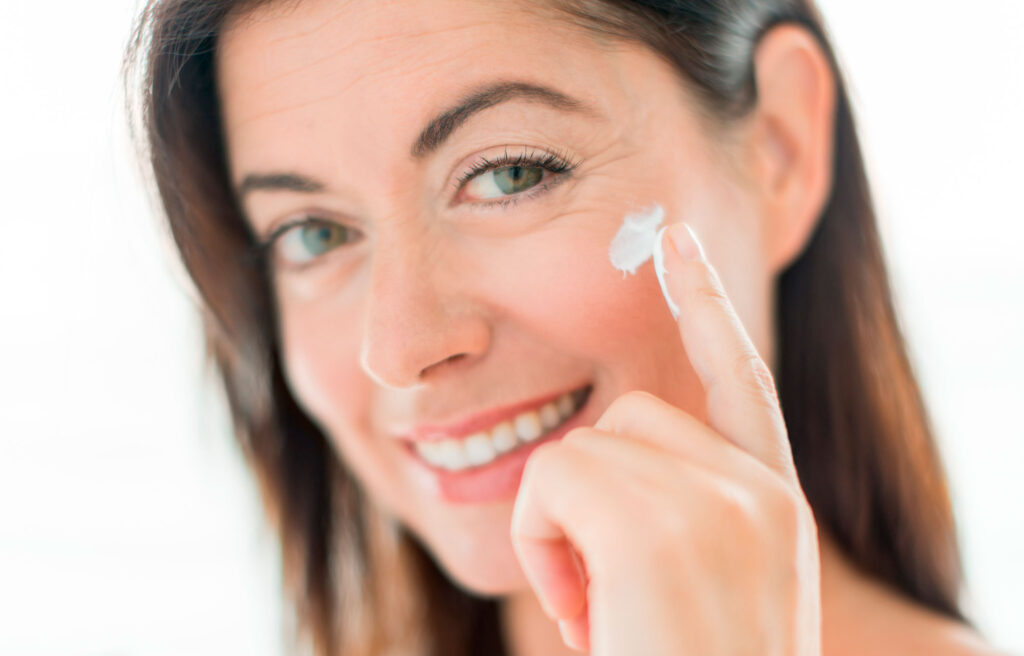
There is a particular moment every year, usually somewhere around the last week of August, when a lot of people glance in the mirror and notice their skin looks a little different than it did back in June. Not necessarily worse, just different, a bit more uneven in tone. Maybe there’s a spot or two standing out more than it used to or the overall texture feels slightly less smooth. It’s tempting to write this off as vague late summer fatigue, but there is real biology behind that shift, and knowing what causes it is the first step toward doing something useful about it before autumn arrives.

What Months Of Real Sun Exposure Actually Do To Skin
Skin has a remarkable ability to adapt to sun exposure in the short term, that is essentially what a tan is, melanin production ramping up as a protective response to UV rays. The trouble is that this protective mechanism is not perfectly precise. Melanin does not distribute itself in a flawless, even layer across the whole face, it tends to concentrate more heavily in certain areas, particularly spots that have already experienced some degree of previous sun exposure or inflammation, which is exactly why existing sunspots and areas of past blemishes tend to darken disproportionately compared to the surrounding skin over the course of a summer.
This uneven concentration is a big part of why skin tone can look noticeably patchier by late summer even in people who were reasonably diligent about sunscreen. Reapplication gaps happen, a missed spot on the ear or hairline gets more exposure than the rest of the face, and cumulative low-level exposure over months adds up even when no single day involved an obvious sunburn. None of this reflects a personal failure, it simply reflects how difficult it is to achieve perfectly even sun protection across an entire season of real outdoor time.
There’s actually solid research quantifying how common this experience is. A large international survey covering roughly 48,000 participants across 34 countries found that half of all respondents reported having at least one visible pigmentary condition, with solar lentigo, the technical term for sun induced dark spots, appearing in over a quarter of everyone surveyed. That is a substantial portion of the population dealing with exactly the kind of end of summer discoloration this season tends to bring into sharper focus, which is a useful reminder that this is a shared, common experience rather than an unusual or isolated problem.
Why This Particular Moment Is Actually A Good Time To Act
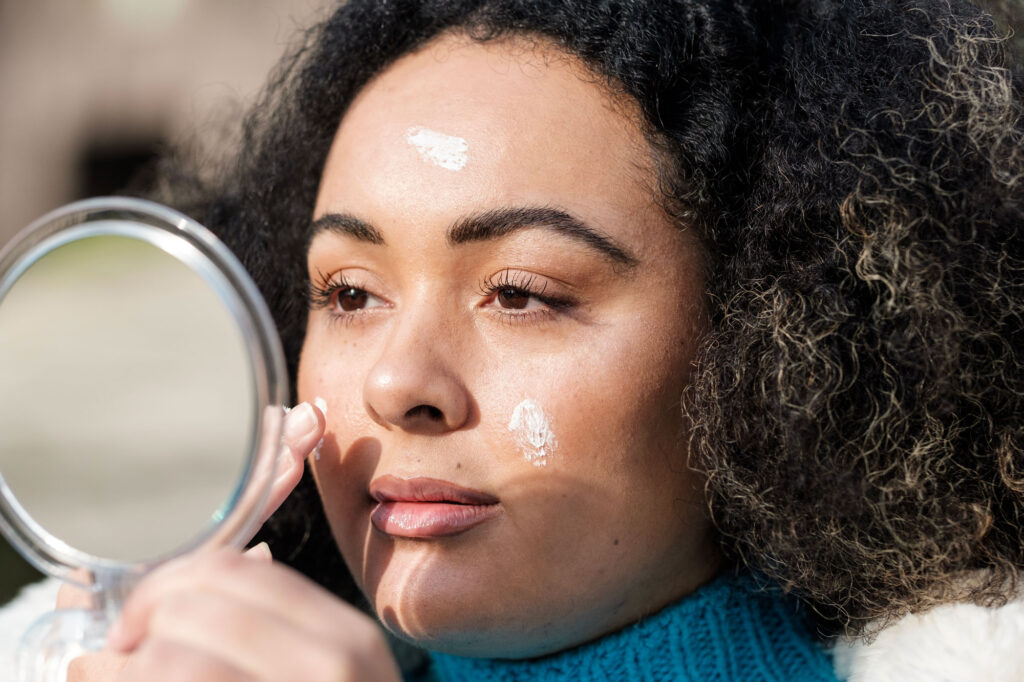
Late summer sits at a genuinely useful inflection point for skincare, for a few practical reasons. UV intensity is beginning its gradual seasonal decline, which means brightening ingredients face less of an uphill battle against fresh sun exposure actively working against them, unlike starting a similar routine in the middle of peak summer sun. Cooler, less humid air arriving over the following weeks also tends to be more forgiving for the kind of active ingredients, Vitamin C, Tranexamic Acid, Azelaic Acid, that can sometimes feel less comfortable layered under heavy summer humidity and sweat.
There’s also simply more visible discoloration to work with at this exact moment than at almost any other point in the year, which sounds counterintuitive as a benefit but genuinely is one. A season’s worth of accumulated sun exposure has concentrated melanin in the areas most prone to discoloration, making this an ideal time to introduce ingredients specifically designed to interrupt that pigment production and transfer process while there is a clear, visible target to work against. Waiting until winter, when tone has partially evened back out on its own through natural skin turnover, means starting the process later than necessary.
Building a routine now also sets up a better foundation heading into the following spring and summer. Skin that enters a new season with more even tone and a well-established brightening routine already in place tends to show less dramatic seasonal discoloration the following year, since the routine is addressing existing damage while also helping build some resilience against the next round of UV exposure still months away. Starting the reset in late summer, rather than scrambling the following June, tends to produce a noticeably better long-term trajectory.

Building A Realistic End Of Summer Routine
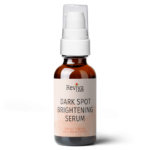
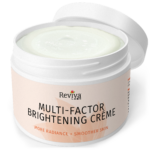
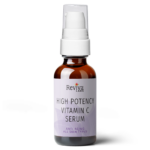
The most effective approach tends to combine a few complementary brightening mechanisms rather than relying on a single ingredient to do everything. A Vitamin C serum in the morning offers both antioxidant protection against ongoing environmental stress and gradual support for collagen and tone, while a Tranexamic Acid or Azelaic Acid based créme, used once daily or as directed, works on discoloration through a somewhat different mechanism, targeting inflammation and pigment production simultaneously. Layering a dedicated multi-ingredient dark spot serum on top of, or underneath, either of these steps adds further coverage against the several different biological processes that contribute to visible discoloration.
None of these ingredients work overnight and setting that expectation early tends to prevent the frustration that leads people to abandon a perfectly good routine too soon. Most well researched brightening actives show meaningful clinical improvement somewhere between four weeks and several months of consistent use, depending on the specific ingredient and mechanism involved, so a realistic goal for late summer is visible improvement by the time the leaves are turning, not by next week. Building that patience into the plan from day one tends to matter more than which exact products end up in the routine.
Layering order matters too, even if it is a smaller detail than the ingredients themselves. Lighter, water-based serums generally go on first against clean skin, followed by richer creams, with sunscreen always as the final step in the morning. Getting that order backwards, applying a heavy cream before a lighter serum, for instance, can reduce how well the lighter product actually absorbs, so a few extra seconds spent thinking through the order can make a meaningful difference in how effectively the whole routine performs.
Sunscreen remains completely non-negotiable throughout this entire process, arguably even more so during the exact window when brightening ingredients are actively working to reduce melanin that any remaining UV exposure will keep trying to produce. Even as summer winds down, UV rays remain present enough to meaningfully undermine a brightening routine if sun protection gets treated as optional once the beach trips stop. A consistent morning sunscreen habit, maintained straight through the seasonal transition rather than paused once summer activities wind down, protects every bit of progress the rest of the routine is working to build.
Patch testing any new product before committing to daily use is a small habit that saves a lot of frustration down the line. Applying a small amount to the inside of the forearm and waiting a day or two before introducing a new active to the face helps catch any sensitivity early, well before it has a chance to show up as irritation on more visible skin. This is especially worth doing when introducing more than one new product at once, since a reaction to a multi-product routine can otherwise be difficult to trace back to its actual source.

The Bigger Picture Beyond Any Single Season
It’s worth stepping back and recognizing that an end of summer tone reset isn’t really about erasing every trace of the season that just happened. Skin that’s spent months outside, at the beach, on hikes, at backyard gatherings, has a story to tell, and a little bit of visible sun exposure is a reasonable price for a summer actually lived rather than spent entirely indoors avoiding the sun altogether. The goal of a routine like this is less about pretending summer never happened and more about giving skin the tools to recover its more even baseline tone before the next season’s demands arrive.
Approached that way, a seasonal brightening routine becomes less about chasing an unrealistic standard and more about a genuinely sustainable long-term habit, the kind of thing that gets a little easier and a little more effective each year it gets repeated. Skin that receives this kind of thoughtful, consistent attention at the end of each summer tends to hold onto a more even baseline tone over time, making each subsequent reset a smaller lift than the one before it. That compounding benefit is, in some ways, the most compelling reason to start now rather than waiting for another year to pass first.
A Gentle Word On Expectations
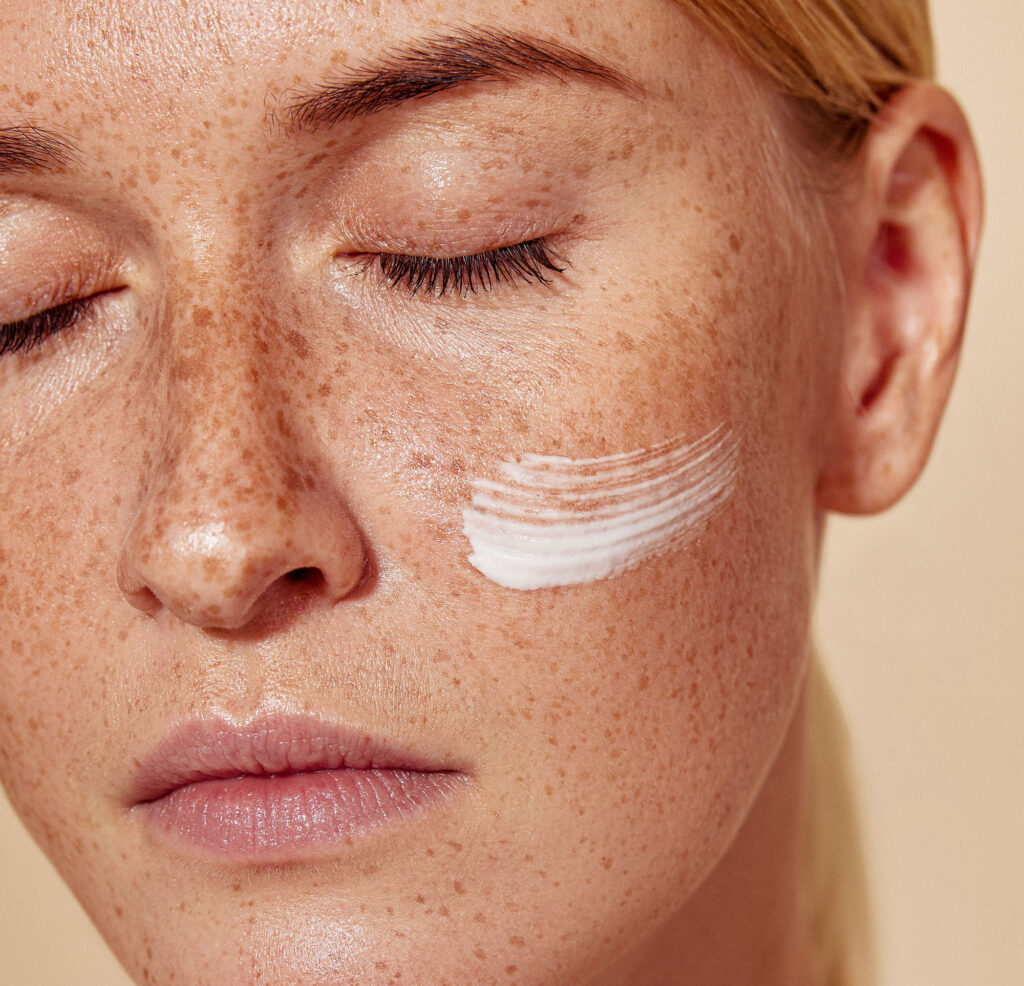
It’s worth saying plainly that no skincare routine, however well formulated, will produce perfectly flawless, uniform skin tone, and that was never really the goal to begin with. Real skin has texture, history, and a certain amount of natural variation, and a good brightening routine is aiming for meaningfully more even tone and fewer distracting spots, not the kind of airbrushed uniformity that does not actually exist on real faces. Keeping that framing in mind tends to make the whole process feel less like a battle against imperfection and more like ordinary, sustainable skin maintenance.
There’s also real value in simply enjoying the season that already happened rather than treating a late summer routine as an apology for time spent outside. A little visible sun exposure is often the byproduct of a genuinely good summer, full of the kind of outdoor time that matters for overall wellbeing well beyond skin tone alone. The reset described here is best thought of as a seasonal tune up, not a correction for something done wrong, and that distinction tends to make the whole routine feel a lot more sustainable over the years ahead. Skin that gets this kind of steady, low-pressure attention tends to fare better in the long run than skin subjected to occasional, intense corrective efforts driven by frustration rather than routine.
Frequently Asked Questions
Why does skin tone look more uneven at the end of summer specifically?
Months of cumulative UV exposure tend to concentrate melanin unevenly, particularly in areas with prior sun exposure or inflammation, which makes existing spots more visible and overall tone appear less even than earlier in the year.
Is late summer really a good time to start a brightening routine?
Yes, declining UV intensity and a clear, visible target for brightening ingredients to work against make this a genuinely practical window to begin, rather than waiting until winter when some discoloration may have already faded on its own.
How long does an end of summer tone reset routine typically take to show results?
Most well researched brightening ingredients show meaningful improvement somewhere between four weeks and a few months of consistent daily use, so a reasonable expectation is visible progress over the following couple of months rather than an immediate transformation.
Do I still need sunscreen once summer activities wind down?
Yes, UV exposure remains present well beyond peak summer, and skipping sunscreen during a brightening routine can undermine the very progress the routine is working to build.
Can I use a Vitamin C serum, a brightening créme, and a dark spot serum all in the same routine?
Yes, many routines layer complementary products together, typically antioxidant support in the morning alongside targeted brightening steps applied to areas of specific concern, as long as the combination is introduced gradually to gauge tolerance.
Is uneven summer skin tone common, or is it just me?
It is genuinely common. A large international survey found that half of all respondents reported at least one visible pigmentary condition, so noticeable seasonal changes in tone are a shared experience rather than an unusual one.
References
- Passeron T, Liu W, Morita A, et al. Pigmentary Disorders Around the World: Self-Reported Prevalence and Impact on Quality of Life and Social Stigmatization. Journal of Investigative Dermatology. 2025. https://pubmed.ncbi.nlm.nih.gov/41203010/