
Ingredients, Natural, Reviva Labs, Skin Care
Why Skin Gets Congested and How to Clear It Without Dryness

Mar
Dermatologists estimate that more than 80 percent of people experience clogged pores or comedonal acne at some point in their lives. The issue often appears as rough texture, blackheads, or tiny bumps across the forehead, nose, or chin. Many people respond by attacking oil with harsh cleansers and aggressive treatments. The result often leaves skintight, irritated, and even more prone to congestion. The real solution rarely involves stripping the skin. Congestion improves when pores stay clear while the skin barrier remains healthy and hydrated.
Skin congestion develops slowly through a combination of oil production, dead skin accumulation, and environmental exposure. These elements gather inside pores and form plugs known as comedones. Blackheads and whiteheads represent two visible forms of this buildup. While oil plays a role, dryness and barrier damage also contribute to the cycle. Skin responds to excessive dryness by producing more sebum, which then mixes with dead cells and creates additional blockage.
A balanced strategy works better than aggressive treatments. Pores need support in releasing debris while the skin maintains moisture and barrier integrity. Gentle exfoliation, proper cleansing, and effective hydration allow this process to happen naturally. When skin remains hydrated and turnover improves, congestion decreases without the irritation associated with strong treatments.
The good news is that clearing congestion does not require complicated routines or harsh products. A small group of ingredients and habits can dramatically improve texture and pore clarity. Understanding how congestion forms helps explain why these methods work. The goal becomes helping the skin function normally rather than forcing it into submission.
What Skin Congestion Actually Means
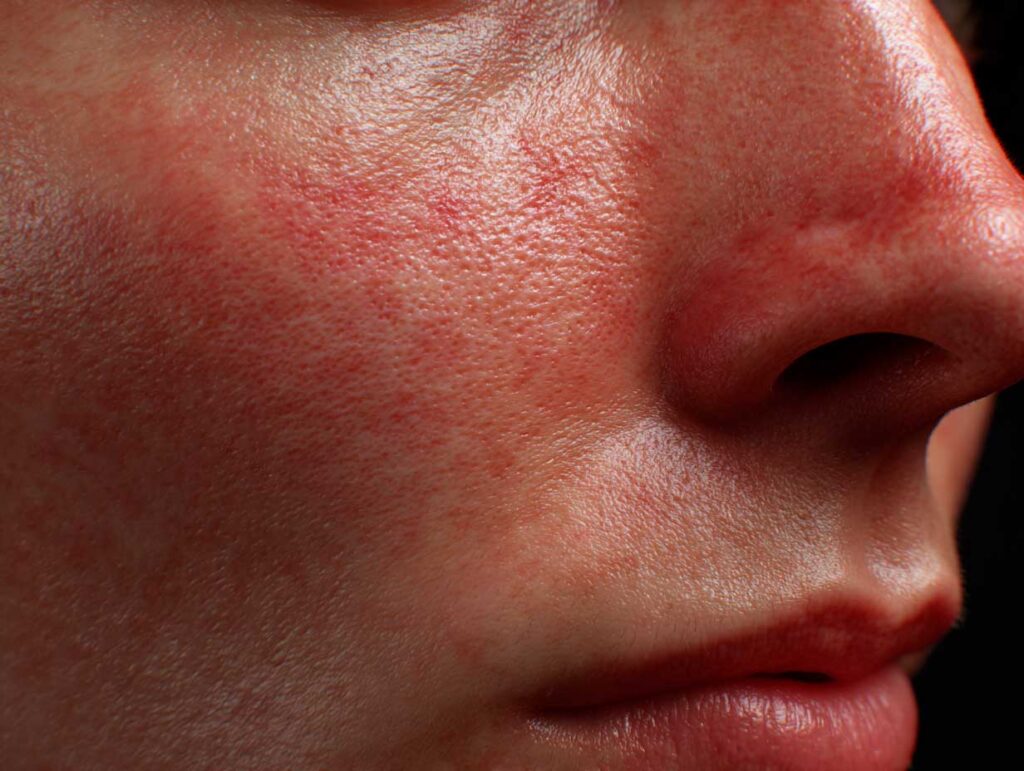
Skin congestion refers to clogged pores filled with oil, dead skin cells, and debris. These blockages appear as rough patches, blackheads, or small bumps beneath the surface. The process begins deep within the follicle where sebaceous glands produce oil to protect and lubricate the skin.
Skin constantly renews itself through a process called keratinization. New cells form in deeper layers and gradually rise toward the surface. As they reach the outer layer, they flatten and shed. In healthy skin, this process occurs smoothly and dead cells leave the surface naturally. Congestion begins when those cells fail to shed efficiently.
When dead cells linger inside pores, they mix with sebum and form plugs. These plugs trap additional debris and gradually enlarge. If the top of the pore remains closed, the result appears as a whitehead. If the plug reaches the surface and reacts with oxygen, it darkens and forms a blackhead.
Hormones often influence this process. Increased androgen levels stimulate sebaceous glands and increase oil production. The excess oil thickens the mixture inside pores and contributes to blockage. Environmental pollutants, heavy cosmetic products, and inconsistent cleansing also add debris to the system.
Age also plays a role. Skin cell turnover slows over time, which increases the likelihood of buildup. Research published in the Journal of Investigative Dermatology notes that epidermal turnover slows significantly with age, which contributes to rough texture and clogged pores.
Why Harsh Products Make Congestion Worse
Many people treat congestion by removing as much oil as possible. Strong cleansers, alcohol toners, and abrasive scrubs promise immediate clarity. These products often leave the skin feeling extremely clean and tight. That sensation creates the illusion of improvement.
The skin barrier tells a different story. The outermost layer of skin contains lipids that protect against moisture loss and environmental irritants. When harsh products strip these lipids, the barrier becomes compromised. Water escapes from the skin, and irritation increases.
The body responds quickly to this disruption. Sebaceous glands begin producing more oil to compensate for the lost lipids. This response creates the rebound oil production many people experience after using drying products. The excess oil mixes with dead cells and recreates the congestion problem.
Barrier damage also triggers inflammation. Inflamed skin becomes more sensitive and reactive. Small bumps appear more easily, and existing congestion becomes more noticeable. Instead of clearing pores, harsh treatments create conditions that allow congestion to persist.
Dermatology research consistently supports this observation. Studies examining transepidermal water loss show that barrier disruption increases oil production and irritation. Protecting the barrier allows skin to regulate itself more effectively.
The Role of Gentle Exfoliation
Exfoliation plays a critical role in preventing congestion because it removes the dead cells that accumulate inside pores. When those cells detach properly, sebum can flow freely and debris leaves the follicle before forming plugs. The key lies in choosing exfoliation methods that avoid damaging the barrier.
Chemical exfoliants perform this task more gently than mechanical scrubs. These ingredients dissolve the bonds that hold dead cells together. As those bonds loosen, the skin releases old cells without friction or irritation.
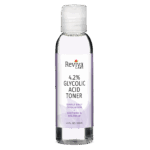
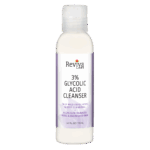
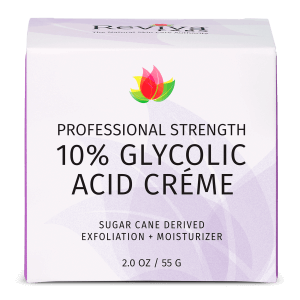
Glycolic acid stands among the most studied exfoliating ingredients. This alpha hydroxy acid loosens surface buildup and accelerates cell turnover. Because glycolic acid has a small molecular structure, it penetrates efficiently and encourages smoother texture.
Salicylic acid works differently. As a beta hydroxy acid, it dissolves oil and penetrates into the pore itself. This oil soluble structure allows salicylic acid to clear debris deep inside the follicle. Dermatology research has shown that salicylic acid reduces comedones and improves pore clarity.
Enzyme exfoliants offer another approach. Papain from papaya and bromelain from pineapple break down proteins within dead skin cells. These enzymes loosen buildup without the irritation sometimes associated with acids. Sensitive skin often tolerates enzyme exfoliation well.
Exfoliation works best when used consistently but gently. Overuse damages the barrier and reverses progress. Moderate exfoliation encourages smoother turnover and keeps pores clearer over time.
Hydration Supports Healthy Pores
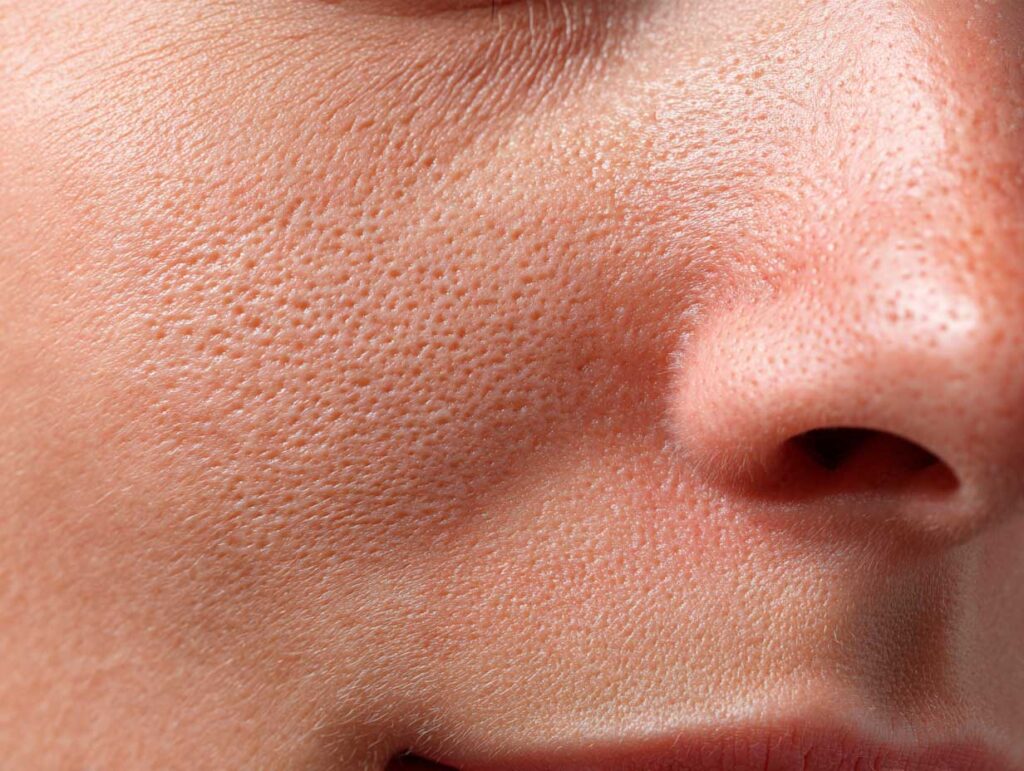
Hydration rarely receives attention in discussions about congestion. Many people assume moisturizers worsen clogged pores. The opposite often occurs. Proper hydration helps regulate oil production and allows dead cells to shed more easily.
Humectants attract water into the skin and maintain moisture within the outer layers. Hyaluronic acid serves as one of the most effective humectants available. Research published in the Journal of Clinical and Aesthetic Dermatology shows that hyaluronic acid can hold up to one thousand times its weight in water.
This hydration softens the stratum corneum and improves flexibility. Dead cells separate more easily when the skin remains hydrated. Improved shedding prevents buildup inside pores and reduces the likelihood of congestion.
Glycerin works similarly by attracting moisture and strengthening the barrier. It helps maintain hydration while supporting the natural lipid structure of the skin. Together these ingredients create conditions that support smoother turnover and balanced oil production.
When hydration improves, the skin no longer needs to compensate with excess oil production. Sebaceous glands operate more normally and pores stay clearer. This balance forms the foundation of congestion prevention.
The Importance of Proper Cleansing
Daily cleansing removes the environmental debris that contributes to congestion. Pollution particles, sunscreen, makeup, and natural oils accumulate on the skin throughout the day. If they remain overnight, they migrate into pores and combine with existing buildup.
Gentle cleansers remove these substances without stripping essential lipids. Cream cleansers and mild gel formulas often work well because they dissolve debris while preserving moisture. Harsh foaming cleansers sometimes remove too much oil and compromise the barrier.
Double cleansing can help individuals who wear sunscreen or makeup regularly. An oil-based cleanser dissolves heavier products first. A gentle water-based cleanser then removes remaining residue. This approach leaves the skin clean while maintaining hydration.
Consistent cleansing prevents accumulation. When debris leaves the skin regularly, pores stay clearer and congestion decreases. Clean skin also allows exfoliating and hydrating products to function more effectively.

Ingredients That Support Clear Skin
Several ingredients improve congestion while protecting moisture balance. These compounds regulate oil production, reduce inflammation, and encourage healthy turnover.
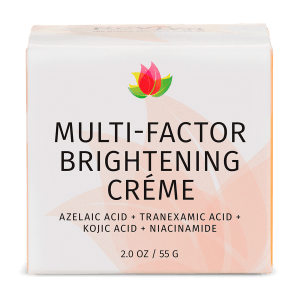
Niacinamide remains one of the most versatile ingredients in skincare. Research published in the International Journal of Dermatology demonstrates that topical niacinamide reduces sebum production and strengthens the skin barrier. This dual action helps prevent clogged pores while calming irritation.
Clay provides another useful tool when used moderately. Certain clays absorb excess oil and draw impurities from pores. Used occasionally, they help remove buildup without causing dryness. Overuse can lead to dehydration, so moderation remains important.
Antioxidants also support clearer skin. Environmental pollution introduces reactive molecules that irritate the skin and worsen congestion. Antioxidants neutralize these molecules and reduce inflammation within the follicle.
When these ingredients appear within balanced formulas, they help maintain clearer pores without disrupting the barrier. Their role focuses on supporting normal skin function rather than aggressively removing oil.
A Simple Two Step Routine for Congestion
Many skincare routines become unnecessarily complex. Multiple exfoliants and strong treatments often produce irritation rather than improvement. A simpler approach often produces better results.
The first step involves gentle exfoliation. A mild exfoliating toner or serum used several times per week encourages dead cells to release. Glycolic acid, salicylic acid, papain, or bromelain can perform this function effectively.
The second step focuses on hydration. A lightweight serum containing humectants restores moisture and protects the barrier. Hyaluronic acid or glycerin helps maintain hydration and prevent rebound oil production.
This two-step approach clears pores while maintaining balance. Exfoliation removes buildup and hydration protects the barrier. Over time, congestion decreases while skin texture becomes smoother. Consistency matters more than intensity. Gentle routines performed regularly produce lasting improvements without irritation.
Lifestyle Factors That Influence Congestion
Skin reflects internal health and environmental exposure. Several lifestyle factors influence how pores behave. Diet affects hormone levels and inflammation. Diets high in refined sugars and processed carbohydrates increase insulin activity. Elevated insulin stimulates oil production and contributes to congestion.
Stress produces similar effects. Stress hormones increase sebum production and inflammatory activity within the skin. These changes increase the likelihood of clogged pores. Sleep plays a critical role in skin renewal. During sleep, the body repairs tissues and produces new cells. Inadequate sleep slows turnover and contributes to dull texture and congestion. Environmental pollution also affects pore health. Tiny particles settle on the skin and enter follicles. Regular cleansing removes these particles and reduces their impact. Addressing these factors alongside skincare improves long term results. Skin functions more normally when internal and external conditions support its natural balance.

Why Patience Produces Better Results
Clearing congestion requires time because skin renewal occurs gradually. New cells form deep within the epidermis and travel toward the surface over several weeks. Improvements appear slowly as these cycles progress.
Aggressive treatments attempt to accelerate this process too quickly. Excessive exfoliation damages the barrier and increases inflammation. Skin responds with more oil production and irritation.
A balanced routine works with the natural rhythm of skin renewal. Gentle exfoliation encourages turnover while hydration protects the barrier. Over several weeks, pores clear gradually and texture improves. Dermatology research supports this gradual approach. Controlled exfoliation combined with barrier support produces consistent improvements in skin clarity and smoothness.
Frequently Asked Questions
Why does my skin feel both dry and congested?
Dryness and congestion often occur together when the skin barrier becomes compromised. Moisture escapes from the skin while oil production increases to compensate. The excess oil mixes with dead cells and forms plugs. Gentle exfoliation combined with hydration restores balance and reduces both problems.
How do I smooth skin texture without over exfoliating?
Use mild exfoliating ingredients several times per week rather than strong treatments daily. Glycolic acid, salicylic acid, and enzyme exfoliants loosen dead cells gradually. Pair exfoliation with hydrating ingredients to maintain barrier health.
Do moisturizers worsen clogged pores?
Lightweight moisturizers often improve congestion because they strengthen the barrier and regulate oil production. Hydrated skin sheds dead cells more efficiently and produces less excess oil.
How long does it take to improve congested skin?
Skin renewal cycles usually take about four weeks. Many people notice smoother texture and fewer clogged pores within that time when using consistent gentle routines.
Can congested skin clear without harsh treatments?
Yes. Balanced routines that include exfoliation, hydration, and proper cleansing improve congestion while maintaining healthy skin.
References
- Rawlings AV, Harding CR. Moisturization and skin barrier function. Journal of the American Academy of Dermatology.
https://www.sciencedirect.com/science/article/pii/S0190962204011387 - Draelos ZD. The effect of 2 percent niacinamide on facial sebum production. International Journal of Dermatology.
https://onlinelibrary.wiley.com/doi/10.1111/j.1365-4632.2006.02839.x - Farris PK. Topical hyaluronic acid for skin hydration. Journal of Clinical and Aesthetic Dermatology.
https://www.ncbi.nlm.nih.gov/pmc/articles/PMC3583886/ - Kligman AM. The biology of the stratum corneum. Journal of Investigative Dermatology.
https://www.sciencedirect.com/science/article/pii/S0022202X15428163