
Natural, Reviva Labs, Skin Care
Why Your Skin Feels Different in Spring and What to Do About It

Apr
You wake up one morning in late March or early April and your skin feels off. Not bad, necessarily, just different. Maybe it is oilier than it was two weeks ago. Maybe your once-reliable moisturizer is suddenly pilling or sitting on top of your skin instead of sinking in. Maybe a product you have used for months without incident is suddenly causing a little redness. You have not changed anything, but your skin is clearly behaving as though something changed anyway. It has. Spring is happening, and your skin is responding to it in real time.
The idea that skin behaves differently across seasons is not a myth or a marketing concept. It is biology. Your skin is an organ that responds continuously to environmental inputs, adjusting oil production, cell turnover rate, moisture retention, and inflammatory response based on what the conditions outside are demanding of it. When those conditions shift, your skin shifts with them. The problem is that most people’s skincare routines do not shift at the same speed. The result is a mismatch that shows up as breakouts, congestion, sensitivity, or that inexplicable ‘off’ feeling that is hard to articulate but immediately recognizable.

The Environmental Shift Your Skin Is Responding To
Spring brings a cluster of environmental changes that hit your skin simultaneously. Humidity rises as temperatures increase, meaning the air is holding more water vapor than it did during winter months. UV radiation intensifies even before it feels hot outside, because the sun’s angle changes relative to the earth and UV-B rays travel a shorter path through the atmosphere. Pollen and other airborne particulates increase dramatically, and for people with any inflammatory tendency in their skin, this can trigger visible responses even without direct contact. Temperature fluctuations are also more extreme in spring than in other seasons, with cold mornings and warm afternoons creating rapid transitions your skin has to adapt to multiple times a day.
Each of these changes has a direct effect on skin biology. Rising humidity changes how your moisturizer performs because the occlusive ingredients that were necessary in dry winter air now sit over an already-more-humid skin surface, potentially trapping sebum and dead cells rather than simply preventing water loss. Increased UV intensity accelerates the oxidative stress your skin is experiencing, which is why antioxidant support becomes more urgent in spring than in winter. Higher pollen counts can trigger low-grade inflammatory responses even in people who do not think of themselves as having sensitive skin. And the sebaceous glands, which respond to temperature, begin ramping up oil production as warmth increases.
What makes spring particularly disorienting is that all of these changes are happening at once. If only one variable shifted at a time, your skin could adapt more cleanly. Instead, it is recalibrating across multiple systems simultaneously, which is why spring skin can feel simultaneously oilier in the T-zone and drier around the eyes and mouth. It is not inconsistency. It is your skin responding appropriately to genuinely different conditions in different areas of your face.

Why Your Oil Production Is Changing
Sebaceous glands are temperature sensitive. Peer-reviewed research has shown that sebum production increases measurably as ambient temperature rises, with studies indicating that sebum excretion rate goes up by roughly 10 percent for every 1-degree Celsius increase in skin temperature. This is an adaptive mechanism, not a flaw. In warmer conditions, sebum serves a protective role against UV radiation and environmental oxidation. The problem is that most people experience this shift as a problem to be controlled rather than a biological response to be understood and managed thoughtfully.
The practical implication is that oilier skin in spring is expected and physiologically normal. What you do about it matters a great deal. Aggressive attempts to strip oil by switching to harsh foaming cleansers, over-exfoliating, or using very drying treatments cause the skin to compensate by producing even more sebum, because the sebaceous glands read the stripping as a signal that conditions are inhospitable and respond by overproducing. This rebound oiliness cycle is one of the most common skincare problems people experience in spring, and it is almost entirely self-inflicted.
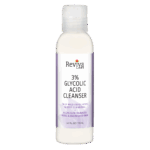
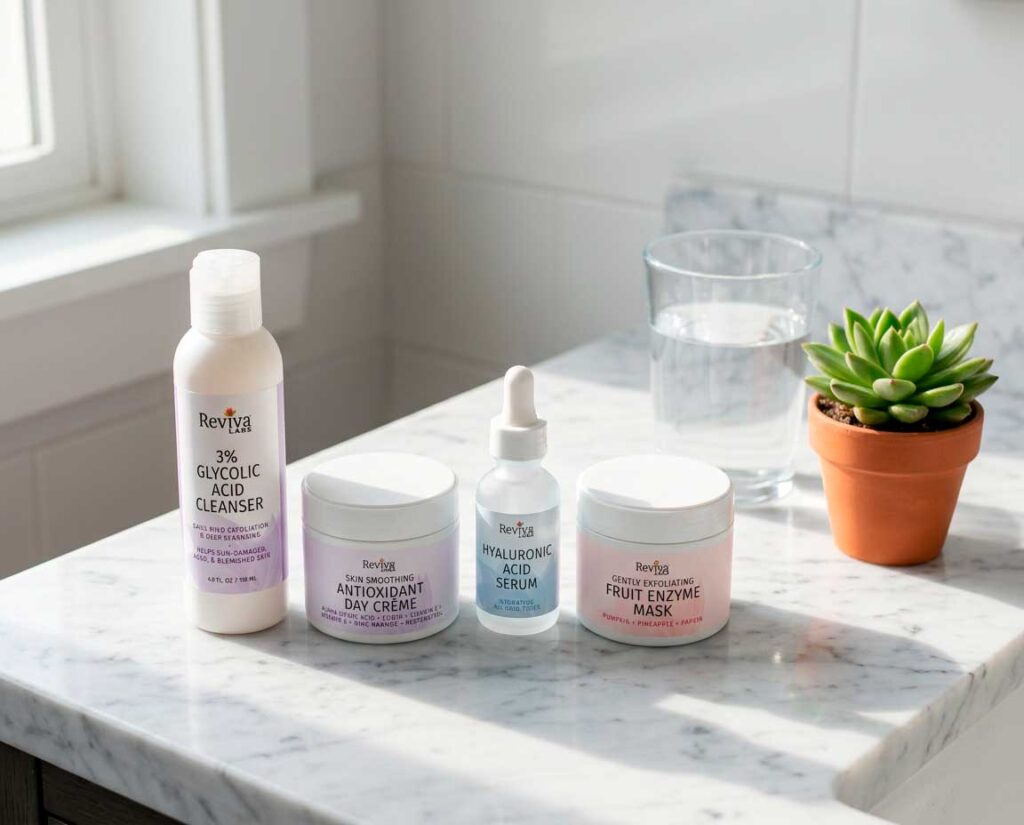
A smarter response to increased spring oil production is to cleanse with a product that removes excess sebum without stripping the skin’s natural protective film, and to use lighter-texture moisturizers that provide hydration without adding additional occlusion on top of naturally increasing sebum levels. A glycolic acid cleanser fits this profile well because it breaks down the oil-and-dead-cell mixture that tends to accumulate in pores as temperatures rise without using the kind of harsh surfactants that trigger rebound oil production. You get cleaner skin without triggering the overcorrection.
The Skin Barrier in Transition
Your skin barrier spent all winter in a particular mode. Cold air is low in humidity, indoor heating strips what little moisture is in the air further, and wind creates additional transepidermal water loss. Your barrier responded by upregulating its lipid production, thickening slightly to compensate for the harsh conditions, and relying on the support of your heavier winter moisturizers to maintain integrity. This is a successful adaptation. The problem is that it leaves you entering spring with a barrier that is calibrated for conditions that no longer exist.
When spring humidity rises, that winter-mode barrier does not immediately reset. There is a transition period of several weeks during which your skin is operating with the lipid density appropriate for dry winter air while living in increasingly humid spring conditions. This is a significant part of why spring skin can feel congested or dull even when it is not overtly breaking out. The barrier is thicker than the current conditions require, and until it recalibrates, it can hold onto dead cells and sebum in a way that manifests as surface congestion and muted skin tone.
Supporting the barrier during this transition is different from supporting it in winter. You are not focused on adding more lipids. You are focused on helping the barrier shed its winter excess and recalibrate to appropriate spring conditions. This is where gentle, regular exfoliation becomes essential. It helps accelerate the natural shedding process that brings your barrier back into alignment with the season. But it needs to be done with precision, not aggression, because an already-transitioning barrier is more vulnerable to over-exfoliation than stable skin in mid-season.
Humidity and What It Does to Your Current Products
One of the most confusing spring skin experiences is when a moisturizer that worked perfectly all winter suddenly feels wrong. It might be pilling under makeup, feeling greasy instead of comfortable, or causing mild congestion in areas that never had problems before. The moisturizer has not changed. Your skin’s relationship to humidity has.
Heavy occlusives, which are the ingredients in thick winter creams that form a physical barrier on the skin surface, work by slowing moisture evaporation from the skin. In dry winter air, this is valuable because your skin would otherwise lose water too quickly to the atmosphere. In spring, with humidity rising, your skin is retaining more moisture naturally from the environment. When you add heavy occlusives on top of already-more-hydrated skin, they can trap dead cells and sebum in a way that leads to congestion. The product is doing what it was designed to do. The issue is that the conditions have changed so that design is no longer optimal.
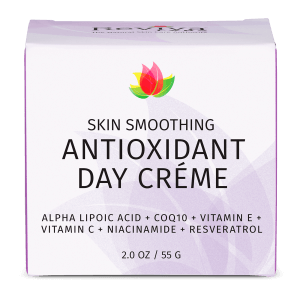
The right response is not necessarily to abandon moisturizing altogether. It is to shift your moisturizer’s job description. In spring, what you primarily need is antioxidant protection, lightweight hydration, and barrier support rather than heavy occlusion. A moisturizer built around antioxidant actives like CoQ10, alpha lipoic acid, vitamin C, and green tea extract alongside lighter emollients gives you all of the protection and nourishment without the occlusive weight that creates problems in higher humidity. This is a genuine functional difference, not just a marketing distinction between light and heavy formulas.

Inflammation and the Spring Trigger
Spring is prime time for what dermatologists sometimes call environmental inflammation, a low-grade reactive state that many people experience but do not attribute to external triggers. Pollen, increased pollution from more outdoor activity, and changes in the skin microbiome as temperature and humidity shift can all contribute to a skin that is slightly more reactive than it was in winter. This shows up as products that suddenly sting or cause redness that they did not before, skin that flushes more easily, or a general sensitivity that seems to have arrived without warning.
The skin microbiome, the community of bacteria and other microorganisms that live on your skin surface, is meaningfully affected by seasonal change. Research published in Cell Host and Microbe has shown that the human skin microbiome exhibits seasonal variation, with microbial community composition shifting in response to temperature and humidity changes. This microbial shift can affect your skin’s baseline inflammatory response, which is one reason why spring can trigger sensitivity even in people who consider their skin robust and non-reactive during other seasons.
Managing spring inflammation requires focusing on the soothing and antioxidant-supporting aspects of your routine. Ingredients like aloe vera, chamomile extract, and green tea polyphenols help calm reactive skin while the antioxidants neutralize the free radicals that environmental stress is generating. This is also a reason to be thoughtful about how aggressively you introduce new active ingredients in spring. Skin that is already in a mild reactive state from environmental change is not the ideal candidate for high-strength new actives that introduce additional stress during the adjustment period.
Cell Turnover Speeds Up and Why That Matters
One of the more positive aspects of the seasonal skin shift is that cell turnover genuinely accelerates in spring. The combination of higher temperatures, increased humidity, and more UV exposure stimulates skin cell renewal in a way that winter suppresses. This is the biological basis for the ‘skin looks better in summer’ observation that many people have. More active cell renewal means fresher skin reaching the surface more regularly, which produces a naturally more luminous, even-toned appearance over time.
The catch is that faster cell turnover creates more dead cells to shed at the surface. If your routine is not including any exfoliation, that acceleration can actually work against you because the dead cells accumulate at the surface faster than they are being removed. The dullness and congestion that many people experience in early spring is partly the result of accelerating turnover meeting a skincare routine that is not equipped to handle the increased cellular output. This is precisely why a weekly enzyme mask or a gentle daily exfoliating cleanser becomes more valuable in spring than in winter, because it is working in sync with a process your skin is already doing more intensively.
The spring window of accelerated turnover is also when targeted treatment products tend to show faster results. Active ingredients that support brightening, texture refinement, and even collagen support have a more receptive surface to work with during this period. If you have been meaning to address uneven tone, fine lines, or texture and have been waiting for a good moment to start, spring is it. Your skin’s biological momentum is on your side.
What to Actually Do When Skin Starts Feeling Different
When you notice that first spring shift in your skin, the most useful thing you can do is pause before reacting. The instinct to immediately add new products, switch cleansers, or load up on targeted treatments is understandable but often counterproductive. Give yourself a week of observation. Is the change localized to the T-zone? Is it affecting texture more than oil? Are you experiencing actual breakouts or just a slight change in how your skin feels?
From that observation, make one adjustment at a time. If oiliness is the primary concern, start by switching to a lighter-texture moisturizer and see if that alone is sufficient before adding an oil-controlling treatment. If dullness is the issue, introduce a once-a-week enzyme mask before adding a daily exfoliant. If products are pilling or not absorbing, the problem is almost certainly the texture of your moisturizer rather than a need for more products, and a lighter formula will solve it without requiring anything additional.
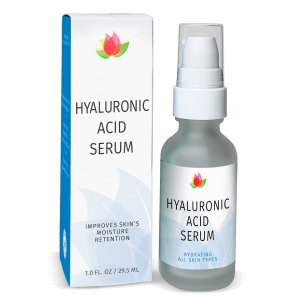
Hydration remains important even when skin feels oilier. This is one of the most persistent misconceptions in skincare: that oily skin does not need moisture. Sebum and hydration are two different things. You can have plenty of surface oil and still have a dehydrated skin barrier that needs water-based hydration support. Hyaluronic acid addresses this distinction cleanly because it provides deep moisture without contributing any occlusion. Applying a hyaluronic acid serum before a lightweight moisturizer keeps your skin genuinely hydrated while letting the surface oil situation normalize on its own rather than forcing it.
Spring skin is not broken. It is adjusting. When you understand what is actually happening biologically, the adjustments you need to make become straightforward and specific rather than urgent and reactive. Your routine does not need to solve everything at once. It needs to support what your skin is already doing.
FAQ
Why is my skin suddenly oily in spring when it was dry all winter?
Sebaceous glands are temperature-sensitive and respond to rising spring temperatures by increasing sebum production. This is a normal biological adaptation, not a sign that something is wrong with your skin. The shift feels sudden because temperature changes happen relatively quickly in spring, and the glandular response follows within days. Rather than stripping the oil aggressively, which triggers rebound production, focus on cleansing thoroughly without over-drying and switching to a lighter moisturizer so you are not adding occlusion on top of naturally increasing sebum.
Can seasonal change alone cause breakouts even if I have not changed any products?
Yes. Increased sebum production combined with the dead cell buildup from slowed winter exfoliation creates conditions that favor clogged pores and breakouts. Higher pollen counts can also trigger low-grade inflammatory responses that contribute to breakouts in susceptible skin. You do not need to change anything in your routine to experience a seasonal breakout. The environment itself is changing the conditions inside and on your skin.
Why do my skincare products suddenly feel different on my skin in spring?
Rising humidity changes how occlusive products perform on the skin. Products designed to prevent moisture loss by forming a barrier on the skin surface are doing their job in dry winter conditions. In more humid spring air, when the skin is naturally retaining more moisture from the environment, those same occlusives can feel heavy, greasy, or pilling because they are adding occlusion where it is no longer needed. Switching to lighter textures that prioritize hydration and antioxidant protection rather than occlusion typically resolves this immediately.
Is spring a good time to introduce new active skincare ingredients?
It depends on your skin’s current state. If your skin is in a mild reactive or inflammatory state from seasonal adjustment, adding potent new actives like high-strength retinoids or exfoliating acids can push it into irritation territory. A better approach is to stabilize your routine first with the seasonal adjustments described above, wait until your skin has settled into its spring baseline, and then introduce new actives one at a time with adequate adjustment time between each addition. If your skin is already calm and well-adapted, spring is actually a favorable time to start active ingredients because accelerated cell turnover can produce faster visible results.
Should I stop using my rich winter moisturizer completely when spring starts?
You do not need to stop using it immediately, but the transition away from heavier occlusive formulas is worth making over the course of two to three weeks. Using your heavy winter cream less frequently while introducing a lighter spring option is the most gradual and least disruptive approach. If your skin still feels dry in certain areas as the season shifts, particularly around the eyes or mouth, you can continue the richer formula in those zones while using lighter textures everywhere else. The goal is not elimination but recalibration to what the current season and your current skin actually need.