
Natural, Reviva Labs, Skin Care
How to Build a Simple Lip Care Routine That Works Year Round
Jun
Lips work hard. They move when you talk, eat, sip coffee, smile, breathe through your mouth, and head outside into sun, wind, cold, heat, and dry air. Yet most people give them attention only after lips crack, peel, burn, or sting. A year-round lip care routine fixes this problem with a few repeatable habits. You do not need ten products. You need the right steps, done often enough.
Lip skin differs from facial skin. It has a thinner surface layer, fewer oil glands, and less natural defense against water loss. Your lips dry out faster because they do not produce much oil on their own. Saliva makes the problem worse. Licking your lips gives quick relief, then enzymes and evaporation leave them drier. Peeling the skin makes the cycle worse. A simple routine breaks this loop by keeping moisture in place and blocking stress before it turns into damage.
The best lip routine works in every season because it stays steady. Winter needs richer protection. Summer needs sun defense. Spring brings allergy season, pollen, and outdoor wind. Fall brings changing temperatures and indoor heat. The core plan stays the same: cleanse gently, exfoliate only when needed, hydrate, seal, protect from sun, and repair overnight. Once you understand each step, you can adjust texture and frequency without starting over every season.
Start With a Gentle Reset
Good lip care starts before balm touches your mouth. Many lip issues begin with leftover lipstick, long-wear color, toothpaste residue, spicy food, salty snacks, or face cleanser drying out the lip area. At night, remove lip color with a gentle cleanser or oil-based remover. Do not scrub with a washcloth. Press, soften, and wipe. The goal is clean skin without friction.
Your toothpaste can affect your lips too. Some people notice dryness from strong mint flavor, whitening formulas, or foaming agents. You do not need to change toothpaste unless you see a pattern. But after brushing, rinse around your mouth and pat the area dry. Balm works better on clean lips, not on top of residue.
Morning care should stay simple. Rinse or wipe the lips if needed. Pat dry. Apply lip treatment while the skin still feels slightly comfortable, not tight. Waiting until your lips feel stretched means water has already started leaving the skin. Treat lip care like hand care. You wash, dry, moisturize, and protect.
Exfoliate Less Than You Think
Exfoliation has a place in lip care, but most people overdo it. Dry flakes feel annoying, so scrubbing seems logical. The problem is friction can remove skin before it finishes healing. Once the surface breaks, lips sting, bleed, and peel again. A rough sugar scrub every day creates more trouble than it solves.
Exfoliate only when flakes sit on the surface and do not hurt. Once or twice a week works for many people. Some lips need less. Use a soft, damp washcloth after a shower, or use a mild lip polish with a smooth base. Move lightly. Stop before the skin feels raw. Follow with a balm right away.
Never exfoliate cracked, bleeding, sunburned, or irritated lips. In those moments, your lips need repair, not polishing. Treat the skin like a small cut. Keep it protected, avoid spicy foods if they sting, and skip color products until comfort returns. A simple rule helps: if exfoliation sounds painful, your lips are not ready for it.
Hydrate Then Seal
Lip hydration works best in two parts. First, add comfort with humectants or softening ingredients. Then seal with occlusives so moisture stays put. Humectants pull water toward the skin. Occlusives form a protective layer on top. Emollients smooth the surface and help lips feel flexible.
Look for ingredients like glycerin, hyaluronic acid, aloe, panthenol, squalane, shea butter, cocoa butter, jojoba oil, castor oil, sunflower oil, petrolatum, lanolin, beeswax, or plant waxes. You do not need every ingredient in one product. A good balm uses a balanced mix. Lightweight treatments feel nice during the day. Thicker ointments work well at night or in harsh weather.
Apply balm before lips feel dry. This one habit changes everything. Keep a lip product near your desk, in your bag, by your bed, and near your sink. Use it after meals, after brushing, before heading outside, and before sleep. Frequent light layers beat one heavy layer after the damage starts.
Use SPF Every Day
Sun exposure damages lips year-round. The lower lip gets hit often because it faces upward. Sun can dry lips, trigger irritation, deepen lines, and increase risk of skin damage. A lip balm with SPF belongs in your daily routine, not only at the beach.
Choose a lip SPF you like enough to reapply. Texture matters. Some mineral formulas feel thicker. Some chemical formulas feel smoother. Tinted SPF balms can make daily use easier because they replace lipstick or gloss. Reapply after eating, drinking, sweating, or wiping your mouth. Outdoor days need more attention.
Do not rely on facial sunscreen for your lips unless the label says it works for lips and feels comfortable there. Many face sunscreens taste bitter or slide into the mouth. A dedicated SPF lip balm usually works better. Keep one near your keys or sunglasses so you use it before stepping outside.
Build Your Morning Routine
Your morning routine should take under one minute. After brushing and washing your face, rinse away toothpaste residue and pat your mouth dry. Apply a hydrating balm or lip treatment. If you plan to go outside, use SPF lip balm as the final step. If you wear lip color, layer it over SPF once the balm settles, or choose a tinted SPF lip product.
For workdays, keep the routine practical. You should not need a mirror every time. Clear SPF balm, soft tinted balm, or a satin lip treatment can fit into normal life. Reapply after coffee, meals, or long calls. Lip care fails when products feel fussy. Pick formats you will use.
If you wake up with dry lips, your night product needs more sealing power or your room air is too dry. You can also apply balm before brushing in the morning to reduce toothpaste sting. Then rinse, dry, and reapply. Small changes often solve the problem.
Build Your Night Routine
Night care does the repair work. This is when you can use a thicker balm, ointment, or lip mask without worrying about shine or texture. Start with clean lips. Remove lip color fully. Rinse away cleanser or toothpaste. Pat dry. Apply a generous layer of a rich balm or ointment.
Night lip products should focus on barrier support. Look for petrolatum, lanolin, waxes, butters, ceramides, panthenol, or nourishing oils. Fragrance-free formulas help if your lips react often. Sweet flavors can make you lick your lips in your sleep, so skip them if you wake up drier.
If your lips crack at the corners, protect the corners too. Saliva collects there and can cause irritation. A plain ointment helps reduce friction overnight. If cracking lasts, spreads, or hurts, a clinician can check for yeast, irritation, allergy, or other causes. Routine care helps most dryness, but persistent cracks need a closer look.
Adjust for Winter
Winter lip care needs more occlusion. Cold air, wind, and indoor heating pull water from the skin. Lightweight balms disappear fast in this weather. Switch to richer textures, especially outdoors and overnight. A waxy stick works for daytime. A thicker ointment works before bed.
Apply balm before you go outside, not after lips start stinging. Wind can damage the surface fast. Covering your mouth with a scarf helps on cold walks, but wash scarves often because trapped moisture, detergent residue, and friction can irritate skin. Indoors, a humidifier can help if your home air feels dry. Aim for comfort, not a damp room.
Winter also brings more hot drinks. Coffee, tea, and cocoa can dry the mouth area when you sip all day. Wipe gently after drinks and reapply balm. Matte lipsticks can feel harsher in winter, so use creamy color, tinted balm, or gloss when lips feel fragile.
Adjust for Summer
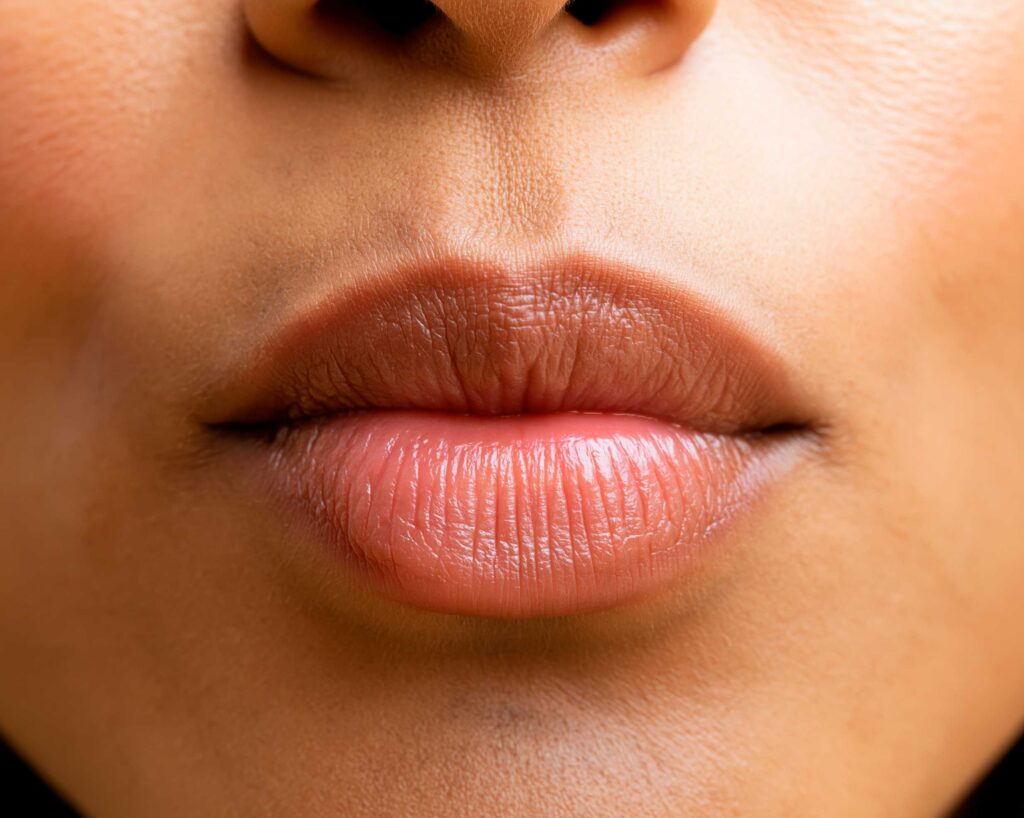
Summer lip care centers on sun protection. Use SPF lip balm every morning and reapply often outdoors. Beaches, pools, long drives, patio lunches, hikes, and sports all expose lips to sun. Water, sweat, and towels remove product quickly. Keep SPF lip balm in a pocket or cooler bag, not in a hot car where it can melt.
Heat can make heavy balms feel sticky. Choose lighter textures during the day and save thicker repair products for night. Tinted SPF balms work well in summer because they make reapplication feel like part of your look, not another chore. Avoid citrus oils, strong fragrance, or tingly ingredients before sun exposure if your lips get sensitive.
Summer foods can irritate dry lips too. Salt, acid, spice, and alcohol can sting cracked skin. You do not need to avoid them all season. But if your lips feel raw, protect them before meals with a plain balm and rinse gently after. This keeps small irritation from turning into a week of peeling.
Adjust for Spring and Fall
Spring and fall bring shifts. Temperature swings, allergies, wind, and changing indoor air can confuse your skin. One day feels humid, the next feels dry. Keep both a lighter balm and a richer ointment available. Use the lighter option during mild days, then switch to richer coverage before cold, windy, or dry weather.
Allergies can affect lips because runny noses, tissues, mouth breathing, and allergy medications can dry the mouth area. Apply balm before bed and before long outdoor periods. If you rub your nose and mouth often, reapply more often. The lips lose protection every time you wipe.
Fall is a good time to reset before winter. Replace old lip products, toss gritty or odd-smelling balms, and choose a dependable night product before cold weather starts. Do the same in spring before outdoor season ramps up. Seasonal prep keeps lip care simple instead of reactive.
Pick Products With Care
A good lip product should feel comfortable, stay on long enough, and leave lips better after it wears off. If a balm feels good for five minutes then leaves you drier, check the formula. Some products rely on flavor, fragrance, menthol, camphor, cinnamon, peppermint, or cooling effects. These can feel fresh, but sensitive lips often dislike them.
Fragrance-free does not always mean plain, and natural does not always mean gentle. Essential oils can irritate lips. Beeswax and lanolin work well for many people, but some react to them. Petrolatum has a long track record for sealing moisture, and many dermatology-style routines rely on it because it creates a strong barrier. The best product is the one your lips tolerate and you use.
Color products need care too. Matte liquid lipsticks often dry out the lips because they set down and resist transfer. Long-wear stains can also leave lips feeling tight. Use a balm underneath when possible, choose creamy formulas, and take breaks when your lips feel irritated. Remove color gently at night. Sleeping in lipstick turns small dryness into bigger damage.
Know What to Avoid
The biggest lip care mistake is lip licking. Saliva evaporates fast and leaves lips drier. The second mistake is picking flakes. Peeling skin before it is ready creates open spots. The third mistake is using tingly balms when lips already feel irritated. Tingling does not mean healing. It often means stimulation or irritation.
Avoid using face exfoliating acids or retinoids on your lips unless a professional gives you specific guidance. These ingredients can migrate from nearby skin, so apply a lip balm before strong face treatments if your lips get sensitive. This creates a small buffer around the mouth.
Also watch for habits outside skin care. Mouth breathing, dehydration, certain medications, frequent swimming, dental appliances, and harsh weather all affect lips. A routine helps, but habits matter. Drink water when thirsty, protect lips outdoors, and keep balm close during high-risk moments.
Build a Routine You Can Repeat
The best routine is not the most elaborate one. It is the one you repeat without thinking. Start with three anchors: morning SPF, daytime reapplication, and nighttime repair. Add gentle exfoliation only when needed. Adjust texture by season. This gives you year-round coverage without clutter.
A simple morning routine looks like this in practice: rinse, pat dry, apply SPF balm, reapply after coffee or breakfast. During the day, reapply after meals, drinks, and outdoor exposure. At night, remove lip color, rinse, pat dry, apply a thicker repair balm. Once a week, check for flakes and use gentle exfoliation only if your lips feel comfortable.
Consistency matters because lips heal and dry in cycles. One good night helps. One week of steady care changes the baseline. After a month, you learn what triggers dryness and what prevents it. Then lip care stops feeling like a rescue mission.
When Lips Need Extra Help
Most dry lips improve with gentle care and better protection. But some signs need attention. Persistent cracking at the corners, swelling, severe pain, bleeding, crusting, blisters, or dryness lasting more than a few weeks deserves professional advice. Allergic reactions, infections, eczema, sun damage, or medication effects can mimic simple chapping.
If you suspect a product causes irritation, stop using it and go plain for a while. Use a simple, fragrance-free balm or ointment. Avoid lip color, scrubs, flavors, and actives until the skin calms. Then add products back one at a time. This helps you spot the problem without guessing.
You should also check expiration and cleanliness. Lip products touch the mouth often. Replace old balms, especially products used during illness. Do not share lip products. Keep pots clean if you apply with fingers, or choose tubes and sticks for easier use.
Frequently Asked Questions
How often should I apply lip balm?
Apply balm whenever lips start to feel dry, after eating or drinking, after brushing your teeth, before going outside, and before bed. Prevention works better than repair. In harsh weather, you might reapply more often.
Do I need a lip scrub?
Not always. Many people do fine without one. Use gentle exfoliation only when flakes sit on the surface and lips feel comfortable. Skip scrubs when lips hurt, crack, bleed, or sting.
Should I use SPF on my lips in winter?
Yes. UV exposure reaches your lips in cold weather too. Snow, wind, and dry air can make lips more vulnerable. Use SPF lip balm during daylight, especially outdoors.
Why do some balms make my lips drier?
Some formulas include fragrance, flavor, menthol, camphor, peppermint, cinnamon, or other ingredients your lips dislike. Some feel slick but do not seal moisture well. Switch to a simpler, richer formula if dryness keeps coming back.
Can I use my face moisturizer on my lips?
You can use some gentle moisturizers around the lips, but many face products taste bad or contain actives too strong for lip skin. A dedicated lip balm or ointment usually works better.
What is the simplest year-round routine?
Use SPF balm every morning, reapply during the day, and use a richer balm or ointment at night. Exfoliate gently only when needed. Adjust product texture by season.
Good Lip Care is All Year
A strong lip care routine does not need a drawer full of products. It needs steady habits. Clean gently. Hydrate. Seal. Protect from sun. Repair at night. Avoid licking, picking, and over-scrubbing. Choose products your lips tolerate and keep them where you need them.
Year-round lip care works because it prevents damage before it starts. Winter asks for richer protection. Summer asks for more SPF. Spring and fall ask for flexibility. The foundation stays the same. Give your lips daily support, and they stay smoother, softer, and more comfortable through every season.